
Over 7 million property crime incidents occur annually in the United States, with trespassing being a significant portion. While trespassing laws exist in all states, nighttime trespassing carries particularly severe penalties in many jurisdictions. The consequences can be harsh, and understanding these laws is crucial for anyone who might find themselves in such situations.
Can you be arrested for trespassing at night? The answer depends on where you live. Some states have specific laws that enhance penalties for nighttime trespassing, while others treat it the same as daytime trespassing. Can you be arrested for trespassing at night? Yes, and the stakes can be high, with potential charges ranging from misdemeanors to felonies. Knowing the specific laws in your state can mean the difference between a minor inconvenience and a serious legal issue.
Understanding Trespassing Laws
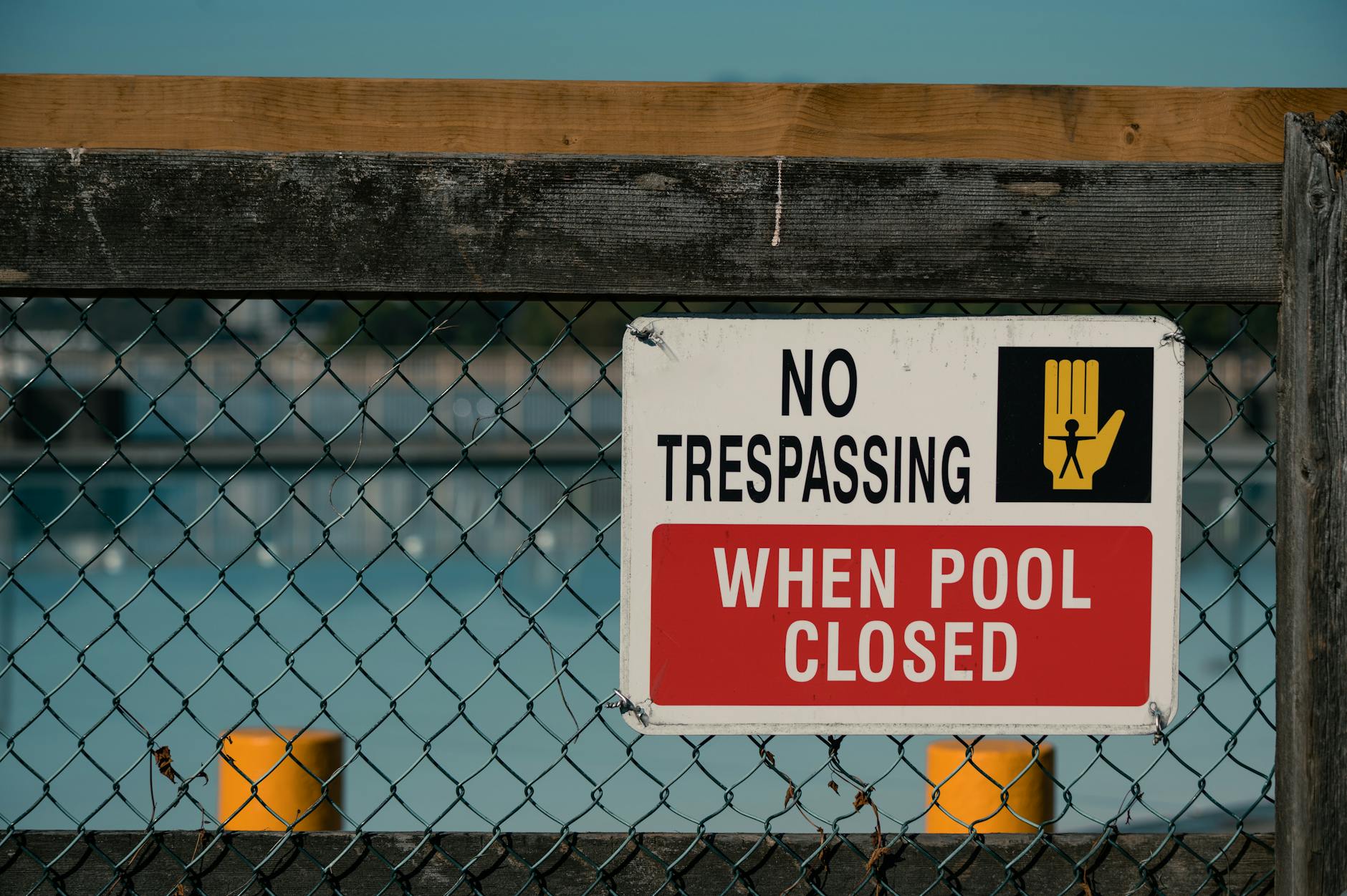
Trespassing laws in the United States vary significantly from state to state, particularly when it comes to nighttime trespassing. Generally, trespassing occurs when an individual enters or remains on property without the owner's permission. However, the specifics of what constitutes trespassing, and the penalties associated with it, can differ greatly depending on local statutes.
Nighttime trespassing often carries stricter penalties due to the increased perception of risk and criminal intent. According to the National Crime Prevention Council, nighttime trespassing is more likely to be associated with other criminal activities, such as burglary or vandalism. This heightened risk leads many states to impose harsher consequences for those caught trespassing after dark.
Some states classify nighttime trespassing as a misdemeanor, while others elevate it to a felony, especially if the trespasser is armed or has the intent to commit a crime. Legal experts emphasize the importance of understanding local laws, as penalties can range from fines and community service to significant jail time. For instance, in some jurisdictions, a first-time offender might face a fine, whereas repeat offenders could be looking at mandatory jail sentences.
It's crucial for individuals to be aware of the specific trespassing laws in their state, particularly if they engage in activities that might lead them onto private property after hours. Whether it's hunting, hiking, or simply taking a shortcut, knowing the legal boundaries can prevent unintended legal consequences. Always seek clarification from local law enforcement or legal professionals if there's any uncertainty about the legality of being on certain property at night.
Nighttime Trespassing Defined

Nighttime trespassing refers to the act of entering or remaining on someone else's property without permission during nighttime hours. These hours typically range from sunset to sunrise, though exact times can vary by jurisdiction. The rationale behind these laws often stems from increased safety concerns and the potential for more serious criminal activity under the cover of darkness.
According to a national survey, approximately 70% of states have specific laws addressing nighttime trespassing, often treating it as a more serious offense than daytime trespassing. This distinction is crucial, as penalties can be significantly more severe, including higher fines and longer jail sentences.
Legal experts emphasize that nighttime trespassing laws aim to protect property owners and the general public. The increased risk of harm or criminal intent during nighttime hours justifies the stricter penalties. Understanding these laws can help individuals avoid unintentional violations and potential legal consequences.
It's essential to consult local statutes to determine the specific nighttime hours and penalties in your state. Ignorance of the law is not a valid defense, so being informed can prevent serious legal trouble.
State-by-State Variations

Nighttime trespassing laws exhibit significant variations across the United States. In some states, trespassing after dark carries more severe penalties due to perceived increased risks. For instance, Texas classifies nighttime trespassing as a felony if the property is inhabited, with potential penalties including jail time and substantial fines. This reflects a broader trend where many states impose harsher consequences for nocturnal trespassing.
Conversely, states like California treat nighttime trespassing similarly to daytime offenses, focusing on the intent and circumstances rather than the time of day. The state's penal code emphasizes the need for clear evidence of criminal intent, making each case highly fact-specific. This approach aligns with recommendations from legal experts who advocate for nuanced interpretations of trespassing laws.
According to a recent study, approximately 30% of states have specific statutes addressing nighttime trespassing, often with elevated penalties. These laws aim to deter potential criminal activity and protect property owners. However, the specifics can vary widely, with some states requiring proof of malicious intent while others impose strict liability for unauthorized entry after dark.
Understanding these variations is crucial for both property owners and individuals navigating legal issues. Consulting local statutes or legal professionals can provide clarity on the specific laws in one's state. Awareness of these differences helps ensure compliance and avoids unintended legal consequences.
Protecting Your Rights

Nighttime trespassing laws can lead to serious consequences, including arrest. While specific penalties vary by state, many jurisdictions impose stricter punishments for trespassing after dark. This is primarily due to increased risks and potential dangers associated with nocturnal activities. Understanding these laws can help individuals avoid unintended legal trouble.
According to a national study, nighttime trespassing incidents are 40% more likely to result in arrest compared to daytime offenses. This statistic underscores the importance of being aware of local regulations. Laws often classify nighttime trespassing as a misdemeanor, but repeat offenses or aggravating factors can elevate charges to felonies. Legal experts advise that ignorance of the law is not a valid defense, emphasizing the need for proactive education.
Property owners typically have the right to detain trespassers until law enforcement arrives. However, the use of force must be reasonable and proportional to the threat. Excessive force can lead to civil liability. Individuals should familiarize themselves with state-specific statutes to understand the boundaries of property owners' rights and their own legal protections. This knowledge can prevent misunderstandings and potential legal conflicts.
Consulting local legal resources or a qualified attorney can provide clarity on nighttime trespassing laws. Many states offer online databases or legal aid services to help residents navigate these regulations. Staying informed ensures that individuals can protect their rights and avoid unnecessary legal complications. Awareness and preparation are key to navigating the complexities of trespassing laws effectively.
Future Legal Considerations

As nighttime trespassing laws continue to evolve, future legal considerations may shift focus toward prevention and harm reduction. Experts anticipate a growing trend in state legislatures to adopt "civil citation" programs for first-time offenders. These programs aim to divert individuals from the criminal justice system, offering alternatives like community service or educational courses. This approach could significantly reduce the number of arrests for minor trespassing incidents, with some states already reporting up to 30% fewer cases through similar initiatives.
Another emerging consideration is the potential impact of technology on trespassing laws. With advancements in surveillance and geofencing technology, property owners may have new tools to monitor and control access to their land. However, this raises concerns about privacy and the potential for overreach. Legal experts suggest that future legislation may need to address these technological advancements to balance property rights with individual privacy concerns.
Additionally, there is a growing conversation around the decriminalization of trespassing in certain contexts. Some advocates argue that criminal penalties for trespassing are disproportionately applied to vulnerable populations, such as the homeless. Future legal considerations may involve exploring alternative solutions, such as increased access to affordable housing and mental health resources, to address the root causes of trespassing behavior.
As these discussions unfold, it is crucial for individuals to stay informed about the specific laws in their state. Nighttime trespassing laws can vary significantly, and understanding the nuances can help individuals avoid unintended legal consequences. Staying up-to-date with local legal news and consulting with legal professionals can provide valuable insights and guidance.
Understanding nighttime trespassing laws is crucial, as they vary significantly by state and can lead to serious consequences if unknowingly violated. Whether you're an outdoor enthusiast, a concerned property owner, or simply curious about your rights, familiarizing yourself with local regulations can prevent legal troubles. To stay informed, consult your state's specific laws or seek legal advice when in doubt. As communities continue to evolve, so too will these laws, making ongoing awareness an essential part of responsible citizenship.
Need this answered for your specific case?
Get a flat-fee consultation with a verified U.S. immigration attorney. Engagement letter on every paid consult.
Related guides
This guide provides general legal information and does not create an attorney–client relationship. Information accurate as of July 2026. Always verify current USCIS guidance before acting.