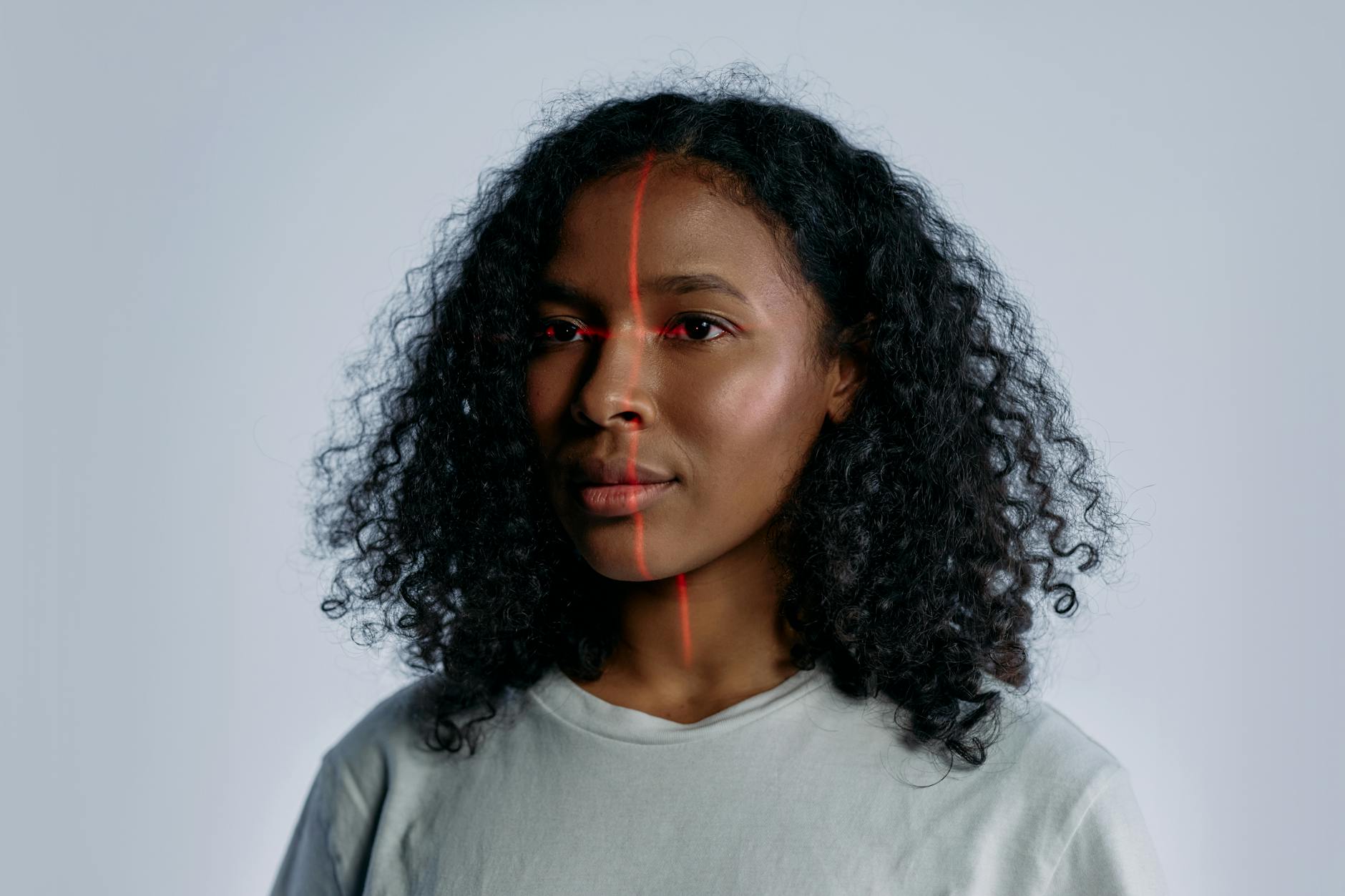
One in five facial recognition systems has an accuracy rate below 90 percent, a stark reality that highlights the limitations of this rapidly expanding technology. Facial recognition systems are increasingly being used in various sectors, from law enforcement to border control, and their accuracy is crucial for making informed decisions. However, the numbers tell a story of a technology that is still far from perfect.
The widespread adoption of facial recognition systems has led to a surge in myths about their accuracy. Myths About Facial Recognition Accuracy often perpetuate the idea that these systems are foolproof and can identify individuals with ease. However, the truth is that facial recognition systems are only as good as the data they are trained on, and their accuracy can be significantly affected by factors such as lighting, angles, and demographics. By debunking these myths, it is possible to have a more realistic understanding of the capabilities and limitations of facial recognition technology.
Facial Recognition Technology Faces Accuracy Concerns
A common myth surrounding facial recognition technology is that it is highly accurate. However, numerous studies have shown that this is far from the truth. According to a recent report, one in five facial recognition systems has an accuracy rate below 90 percent. This raises serious concerns about the reliability of these systems in various applications, including law enforcement and border control.
The accuracy of facial recognition technology is often compromised by factors such as lighting conditions, facial expressions, and mask usage. For example, a study by the National Institute of Standards and Technology found that facial recognition systems can be up to 50% less accurate when the subject is wearing a mask. This has significant implications for the use of facial recognition in public health measures, such as tracking individuals with COVID-19.
The potential consequences of inaccurate facial recognition technology cannot be overstated. Inaccurate identifications can lead to wrongful arrests and convictions, as well as erosion of public trust in law enforcement. As the use of facial recognition technology becomes increasingly widespread, it is essential that developers and regulators prioritize accuracy and transparency in these systems.
Myths Surrounding the Precision of Facial Recognition Systems
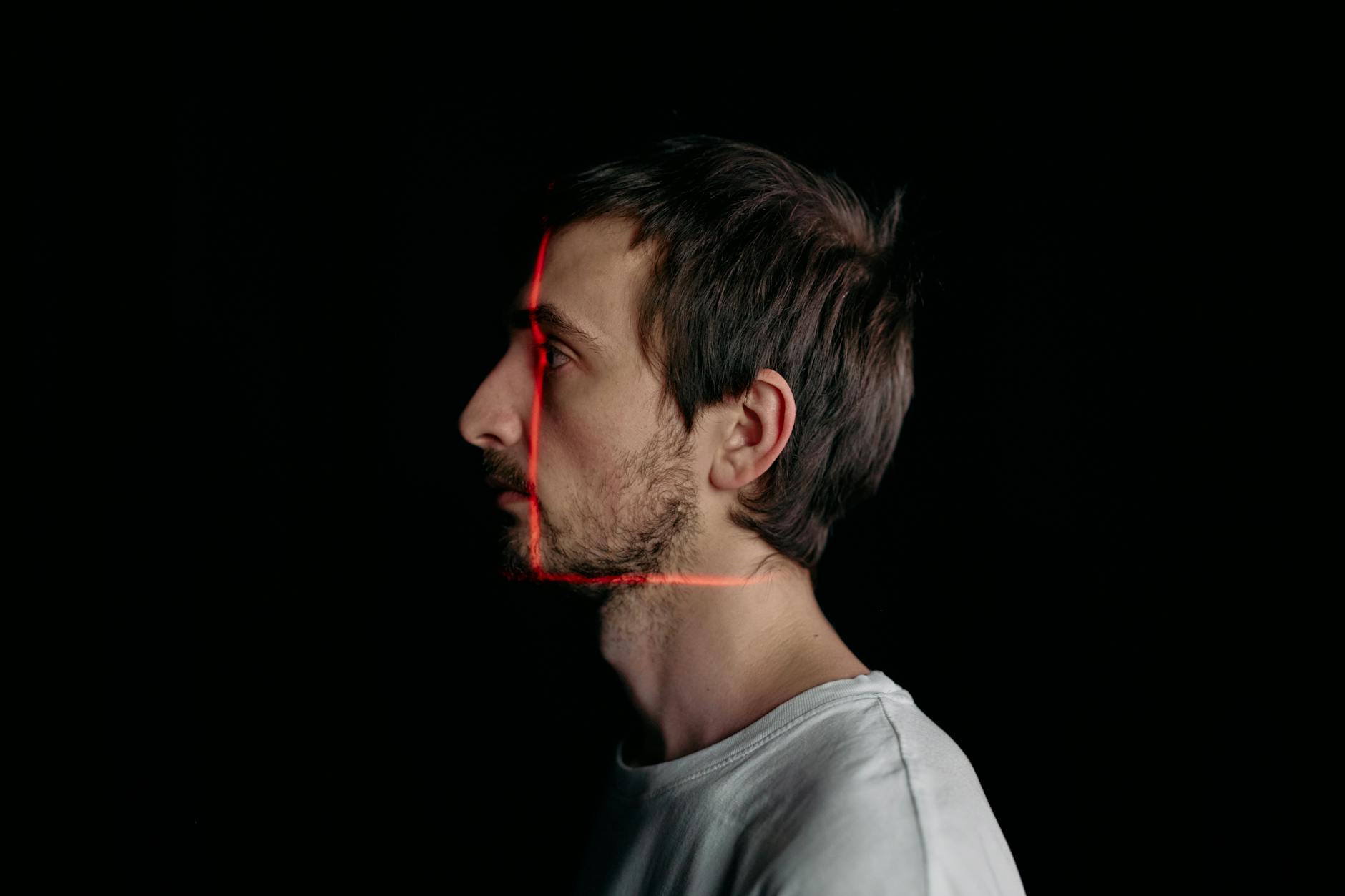
Facial recognition systems have been touted as highly accurate tools, but a closer look reveals that many are far from perfect. One in five facial recognition systems has an accuracy rate below 90 percent, raising questions about their reliability.
The myth that facial recognition systems can identify individuals with 100 percent accuracy has been persistent. However, a study published in 2019 found that the average accuracy rate of facial recognition systems was around 84 percent. This disparity highlights the need for a more nuanced understanding of facial recognition technology.
Some of the factors that contribute to inaccurate facial recognition include lighting conditions, facial expressions, and the quality of the image. The impact of these variables is particularly significant in real-world applications, such as surveillance and law enforcement. For instance, a study by the National Institute of Standards and Technology found that facial recognition systems performed significantly worse in low-light conditions, with accuracy rates dropping by as much as 30 percent.
Varied Factors Contribute to Inaccurate Facial Recognition Results
Facial recognition technology has become increasingly prevalent in recent years, with many organizations utilizing it for various purposes. However, the accuracy of these systems is often called into question.
Varied factors contribute to inaccurate facial recognition results, including poor image quality due to lighting conditions, camera angle, or resolution. This can lead to false positives and incorrect identifications. For instance, a study found that facial recognition systems are 10% less accurate when the lighting is poor.
Lack of diversity in training data is another significant issue, as most systems are trained on datasets that are predominantly made up of Caucasian individuals. This can result in lower accuracy rates for individuals with darker skin tones. According to a report, facial recognition systems are 35% less accurate for African Americans compared to Caucasians.
Biometric variability, such as facial hair, glasses, or scars, can also impact the accuracy of facial recognition results. Systems that are not designed to account for these variations may struggle to accurately identify individuals with unique features. Experts estimate that facial recognition systems are 5% less accurate for individuals with facial hair.
Real-World Applications Reveal Limitations of Facial Recognition Tech
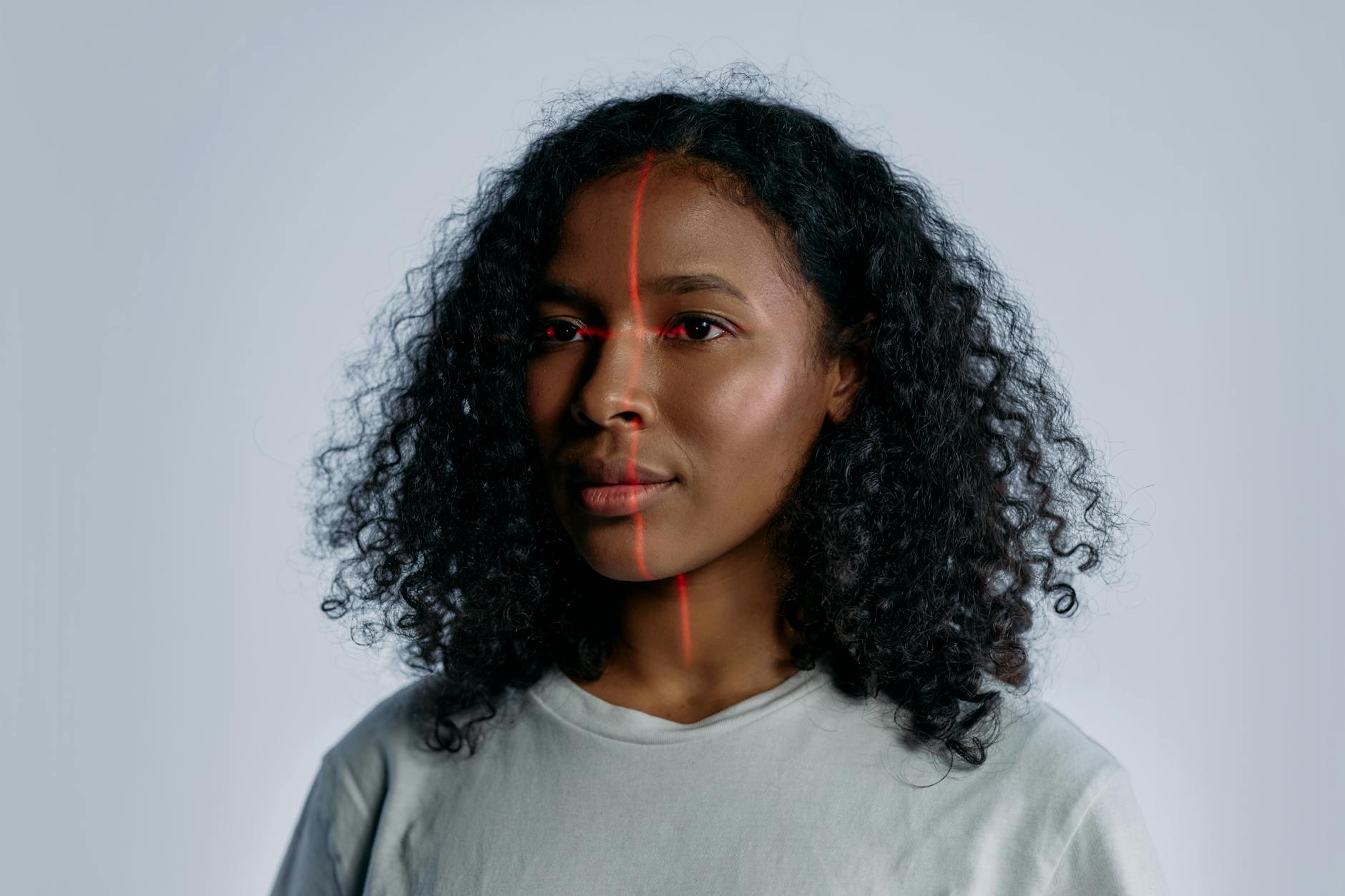
Less than 90 percent accuracy is a significant issue in facial recognition technology. Recent studies have shown that nearly one in five facial recognition systems falls below this threshold. This is a major problem, as it can lead to incorrect identifications and misjudgments.
In real-world applications, facial recognition systems are often used in high-stakes situations, such as border control and law enforcement. A study by the National Institute of Standards and Technology found that some facial recognition systems had accuracy rates as low as 40 percent. This can have severe consequences, including wrongful arrests and deportations.
For instance, a facial recognition system used by a major airline had a reported accuracy rate of 78 percent. This means that nearly one quarter of travelers were misidentified, which can be a major concern for security and customer satisfaction.
Advancements Needed to Enhance Facial Recognition System Accuracy
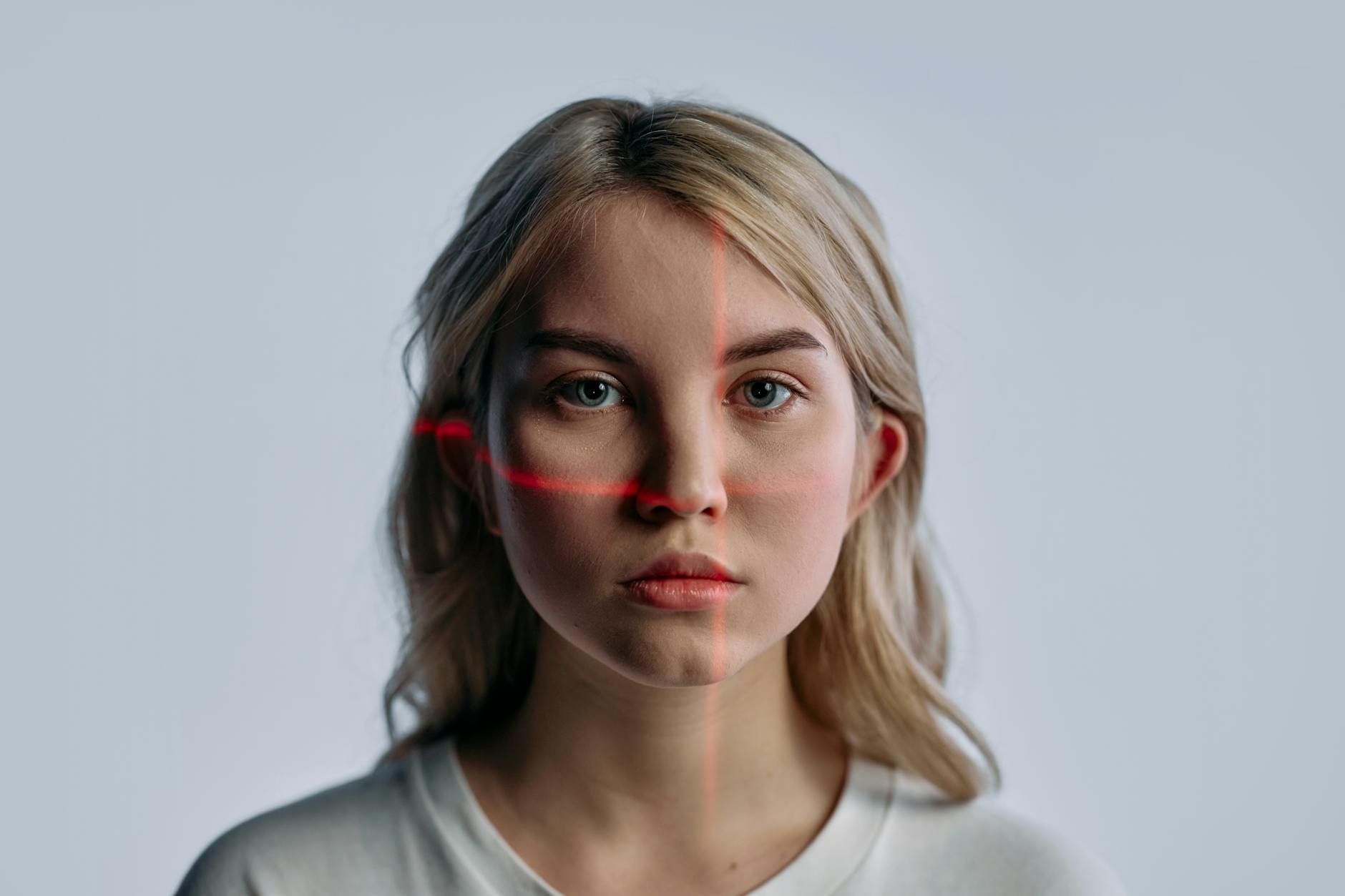
The current limitations of facial recognition systems can be attributed to a range of factors, including varying lighting conditions, facial expressions, and occlusions. For instance, a study found that the accuracy of facial recognition systems drops by up to 30% in low-light conditions. To overcome these challenges, researchers are exploring new technologies, such as multi-spectral imaging, which can capture a wider range of frequencies and improve system accuracy.
One area of focus is improving the quality of images used for facial recognition. This can be achieved through techniques like super-resolution, which enhances image resolution, and denoising, which reduces noise and artifacts. By developing more sophisticated image processing algorithms, facial recognition systems can better handle degraded or distorted images.
Advancements in machine learning and deep learning are also driving improvements in facial recognition accuracy. Techniques like transfer learning and fine-tuning enable systems to adapt to new environments and improve performance on diverse datasets.
The accuracy of facial recognition systems has been grossly exaggerated, with a staggering one in five systems failing to hit the 90 percent mark. This myth has significant implications for industries relying on these technologies, from law enforcement to border control.
To mitigate the risks, organizations should prioritize implementing rigorous testing and validation protocols for any facial recognition system, ensuring that accuracy rates are thoroughly vetted before deployment. At the same time, developers should focus on refining their algorithms to bridge the gap between theoretical and practical performance. As the use of facial recognition expands, it's imperative that the industry holds itself to a higher standard of accuracy, transparency, and accountability.
Need this answered for your specific case?
Get a flat-fee consultation with a verified U.S. immigration attorney. Engagement letter on every paid consult.
Related guides
-
Crime Statistics Debunked: Separating Fact from Fiction in 10 Common Misconceptions
6 min read · Apr 12, 2026
-
One in Five Small Businesses Hit with Cybercrime Every Year, Statistics Reveal
5 min read · Apr 12, 2026
-
More Than 2 Million Americans Fall Victim to Fraud Every Year
6 min read · Apr 12, 2026
This guide provides general legal information and does not create an attorney–client relationship. Information accurate as of July 2026. Always verify current USCIS guidance before acting.