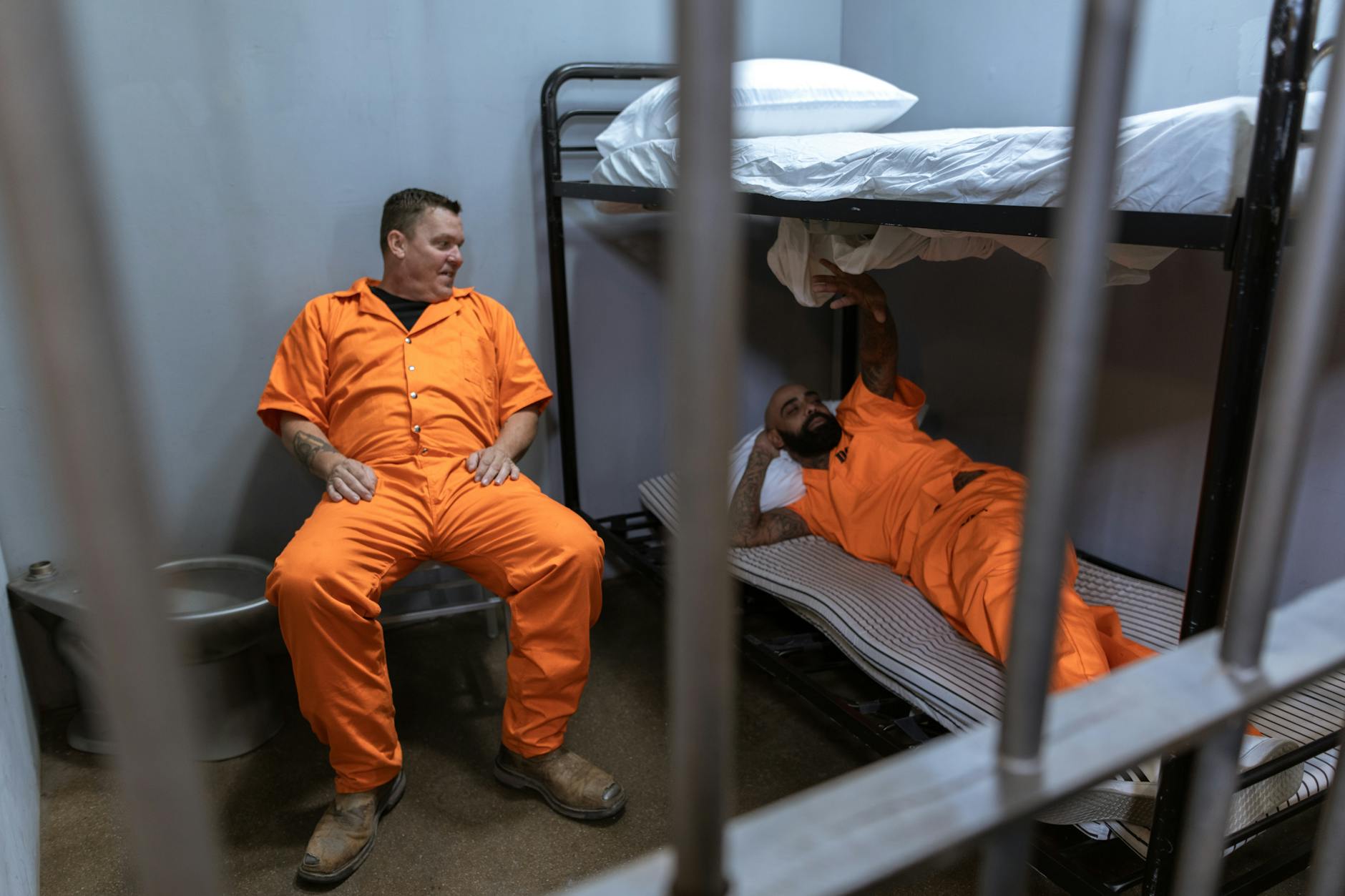
Prison Rape Prevention Policy aims to protect vulnerable inmates from sexual abuse, yet one in five prisoners in the United States reports being exposed to assault while incarcerated. This staggering statistic underscores the urgent need for effective prevention measures in US prisons.
Prison Rape Prevention Policy is a set of guidelines and protocols designed to prevent, detect, and respond to sexual abuse in correctional facilities. It involves a comprehensive approach that includes training for staff, monitoring for potential perpetrators, and providing support services for victims. The policy is not just a moral imperative but a legal requirement under the Prison Rape Elimination Act (PREA), enacted in 2003. The success of PREA hinges on effective implementation and enforcement of Prison Rape Prevention Policy, which remains a pressing concern in US prisons where inmates are at risk of being targeted and exploited.
Prison Rape Prevention Policy: A Historical Context

The Prison Rape Elimination Act (PREA) of 2003 marked a significant turning point in the US government's approach to preventing prison rape. This landmark legislation aimed to provide a comprehensive framework for addressing the issue of sexual abuse within correctional facilities.
Passed with bipartisan support, PREA represented a major shift in public awareness and understanding of the prevalence and consequences of prison rape. According to the Bureau of Justice Statistics, approximately 4.4% of incarcerated individuals in the United States experience some form of sexual victimization.
Early efforts to address prison rape focused on improving facility design and operations. This included the creation of separate housing units for vulnerable populations, such as juveniles and sex offenders, as well as enhanced training for correctional staff to identify and respond to potential incidents of sexual abuse.
Evolution of Policy Amidst Ongoing Crisis

Prison rape prevention policies in the United States are designed to protect inmates from sexual abuse and assault. These policies aim to create a safer environment within correctional facilities, but gaps in implementation persist.
The Prison Rape Elimination Act (PREA) of 2003 is a federal law that sets standards for prisons to prevent and respond to sexual abuse. According to the National Institute of Justice, the majority of prisons have no written policy addressing sexual abuse prevention. The lack of clear policies and protocols leaves many inmates vulnerable to assault.
A key challenge in implementing effective prison rape prevention policies is the varying levels of support from state and local authorities. While some jurisdictions have made significant progress in addressing the issue, others have struggled to implement and enforce relevant policies. The result is a patchwork of inconsistent and inadequate measures in place to protect inmates.
Assault Statistics and Prevention Measures Examined

Prison rape prevention policy aims to mitigate the widespread issue of inmate-on-inmate sexual assault within correctional facilities. The primary goal is to create a safe and secure environment for all inmates, staff, and visitors.
According to the Bureau of Justice Statistics, approximately one in five inmates experience some form of sexual assault while incarcerated. This alarming statistic underscores the need for effective prevention measures.
Prevention efforts often focus on education and awareness, as well as the implementation of policies and procedures designed to prevent assault. These may include standardized reporting mechanisms, regular training for staff, and the establishment of internal affairs units to investigate allegations of misconduct.
Effective Prevention Strategies for Implementing Change

Prison rape prevention policies aim to protect inmates from sexual violence and exploitation. These policies often involve training programs for correctional officers, as well as education and outreach efforts to raise awareness about the issue.
The US Department of Justice has implemented various initiatives to prevent prison rape, including the Prison Rape Elimination Act (PREA) of 2003. This landmark legislation mandates that all correctional facilities implement policies and procedures to prevent, detect, and respond to prison rape. According to the National Institute of Justice, approximately 9% of inmates report experiencing some form of sexual victimization while incarcerated.
Correctional facilities with effective prevention policies in place often have a clear and comprehensive response plan in place. This includes protocols for reporting incidents, conducting investigations, and providing support services to victims. A robust administrative separation policy is also crucial in preventing prison rape.
Research suggests that a combination of prevention strategies, including education, training, and policy implementation, is essential to reducing the incidence of prison rape.
Reforming Policy to Safeguard Vulnerable Inmates
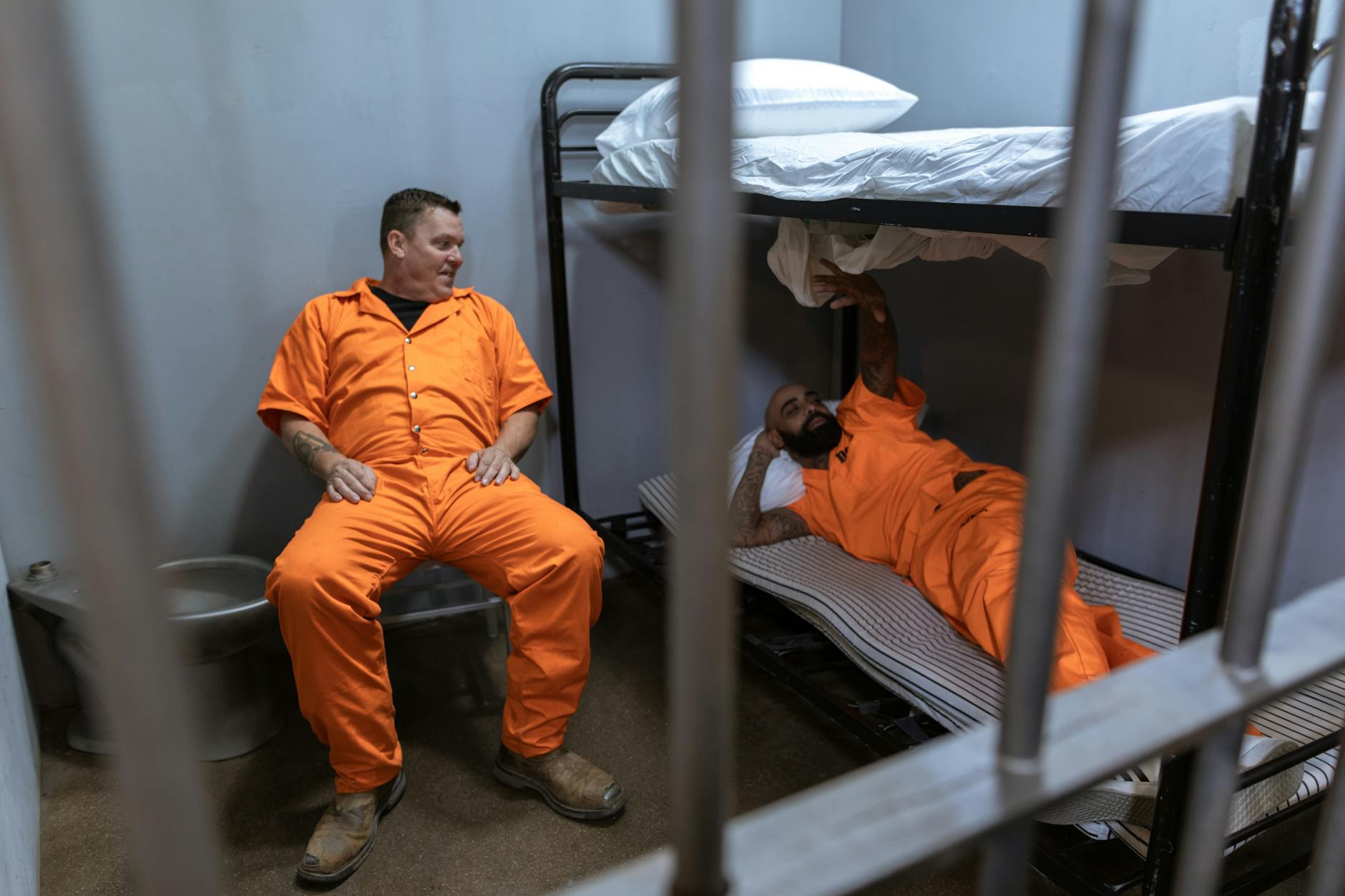
Prison rape prevention policies aim to address the pervasive issue of sexual assault within correctional facilities. These policies typically involve training and education programs for staff, increased monitoring and supervision, and the implementation of reporting mechanisms for victims. The goal is to create a safer environment for all inmates, particularly those who are most vulnerable to exploitation.
According to the Bureau of Justice Statistics, approximately 12% of state prisoners and 9% of federal prisoners reported experiencing sexual abuse at the hands of staff or other inmates. This highlights the need for more effective policies to prevent such incidents.
Effective policies must prioritize the well-being and safety of inmates, particularly those with a history of trauma or mental health issues. This includes providing accessible counseling services and creating a culture of empathy and understanding within correctional facilities.
Creating and sustaining effective prison rape prevention policies requires ongoing evaluation and improvement. This includes regular assessments of policy implementation, as well as training and education programs for staff to address emerging issues and best practices.
The US prison system's failure to effectively prevent inmate-on-inmate assault is a stark reality, with a staggering one in five prisoners experiencing some form of sexual violence. This alarming statistic underscores the urgent need for a comprehensive overhaul of the nation's prison rape prevention policies. To address this crisis, policymakers must prioritize evidence-based programs and protocols that promote a culture of respect, consent, and safety within prisons, starting with increased funding for training programs and staff education on prevention and response strategies. By taking these proactive steps, the US can move closer to eradicating the scourge of prison rape and ensuring that all inmates are treated with dignity and respect, fostering a safer and more just society for everyone.
Need this answered for your specific case?
Get a flat-fee consultation with a verified U.S. immigration attorney. Engagement letter on every paid consult.
Related guides
-
Sanctions on Juvenile Offenders Cut Recidivism Rate by 27% in First Year
7 min read · May 13, 2026
-
Federal Court Rules Graduated Sanctions Can Reduce Recidivism by 30% in Prisons
6 min read · May 13, 2026
-
Four-Year Prison Sentence for Man Convicted of 12 Technical Violations of Probation
6 min read · May 11, 2026
This guide provides general legal information and does not create an attorney–client relationship. Information accurate as of July 2026. Always verify current USCIS guidance before acting.