
One in five inmates receives mental health treatment behind bars each year, a stark reminder of the pressing need for effective care in correctional facilities. The alarming prevalence of mental health issues among prisoners is a pressing concern that requires immediate attention.
The issue of mental health care in prisons is not just a statistic, but a deeply personal and complex problem that affects thousands of individuals and their families. The question of whether prisoners can receive adequate mental health care is a pressing one, and one that is at the forefront of the minds of corrections officials, policymakers, and advocates alike. Can Prisoners Get Mental Health Care is a crucial inquiry that demands a thoughtful and nuanced response.
Mental Health Behind Bars: A Gaping Hole in the System
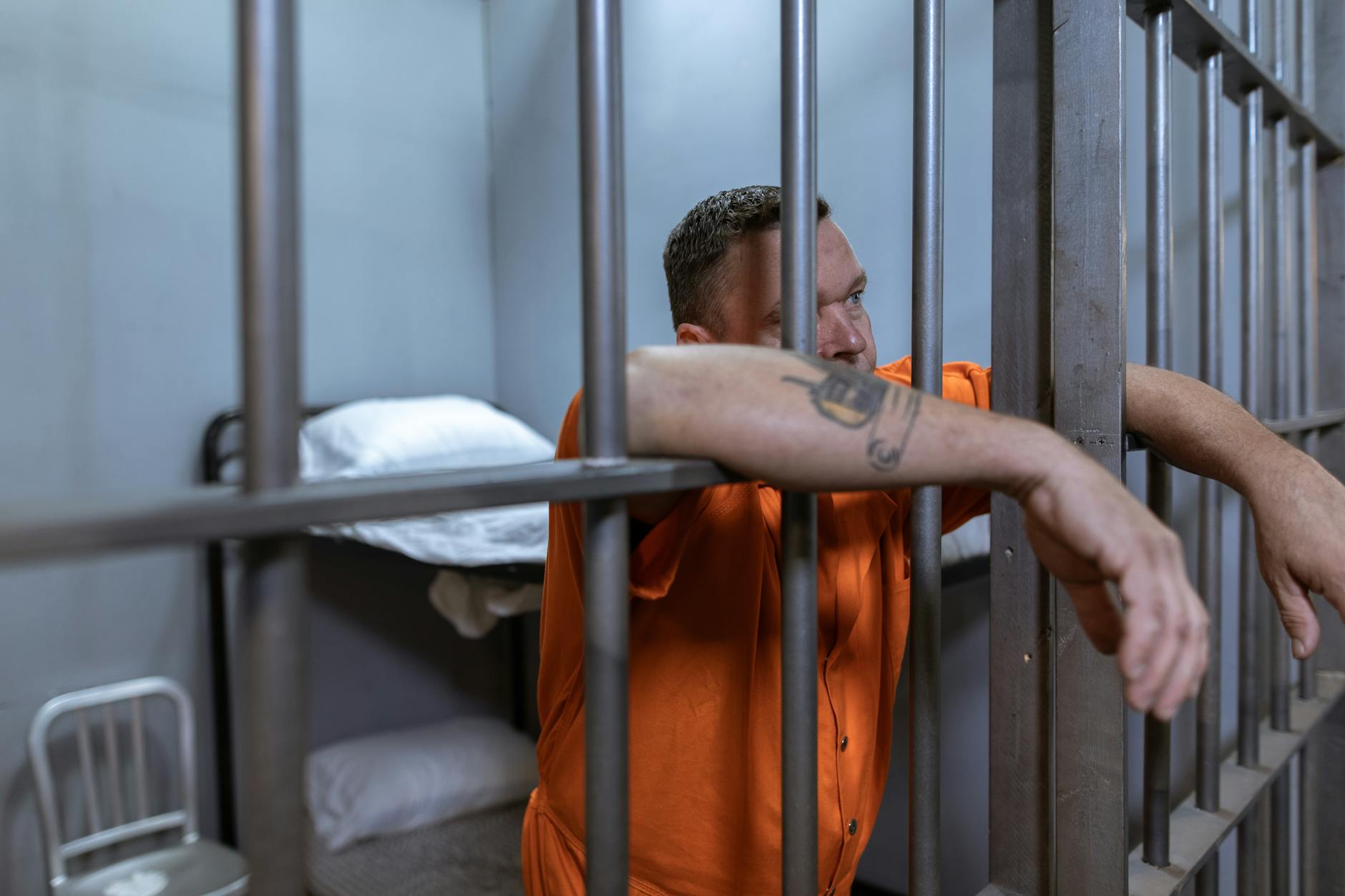
Prisoners face unique challenges that exacerbate mental health issues, including isolation, trauma, and the stress of incarceration. According to the Bureau of Justice Statistics, nearly one in five inmates in the United States receives mental health treatment behind bars each year.
The reality is stark: many prisons lack adequate mental health resources, forcing prisoners to navigate a complex and often inaccessible system. Long waitlists, understaffed facilities, and inadequate training among correctional officers all contribute to a culture that prioritizes punishment over care. The consequences are dire: prisoners may be held in solitary confinement for extended periods, exacerbating conditions such as depression and anxiety.
Mental illness can manifest differently in prison settings, where the pressure to conform and maintain a façade of control can be overwhelming. Prisoners may experience suicidal thoughts, psychosis, or even dementia, which can be triggered or exacerbated by the trauma of incarceration. Despite these challenges, some experts argue that prisons can serve as hubs for mental health treatment and rehabilitation.
Prison reform advocates emphasize the need for a holistic approach to mental health behind bars, one that prioritizes community-based care and social support. By providing prisoners with access to mental health services, education, and job training, prisons can help individuals prepare for release and rebuild their lives outside of incarceration.
Inside the Complexities of Prison Mental Health Care

Behind prison walls, the complexities of mental health care are multifaceted. The sheer number of inmates in need of treatment can be overwhelming for correctional facilities, which often struggle to provide adequate care.
Research has shown that one in five inmates receives mental health treatment behind bars annually, with a significant portion suffering from severe mental illness. This staggering figure highlights the urgent need for improved mental health services within the prison system. Correctional facilities are being forced to adapt to the growing demand, with a greater emphasis on providing accessible and effective treatment options.
Mental health professionals are working tirelessly to develop innovative programs that cater to the unique needs of inmates. By focusing on cognitive-behavioral therapy and vocational training, these programs aim to equip inmates with essential skills and coping mechanisms upon release. "The key to successful rehabilitation is identifying and addressing the underlying causes of an individual's mental health issues, rather than simply treating the symptoms," emphasizes a leading expert.
Prisoners with severe mental illness often face significant barriers to receiving adequate care. Limited access to specialized medical staff and inadequate facilities can exacerbate the issue, leading to a vicious cycle of neglect and recidivism.
Addressing the Crisis: Effective Strategies for Inmates
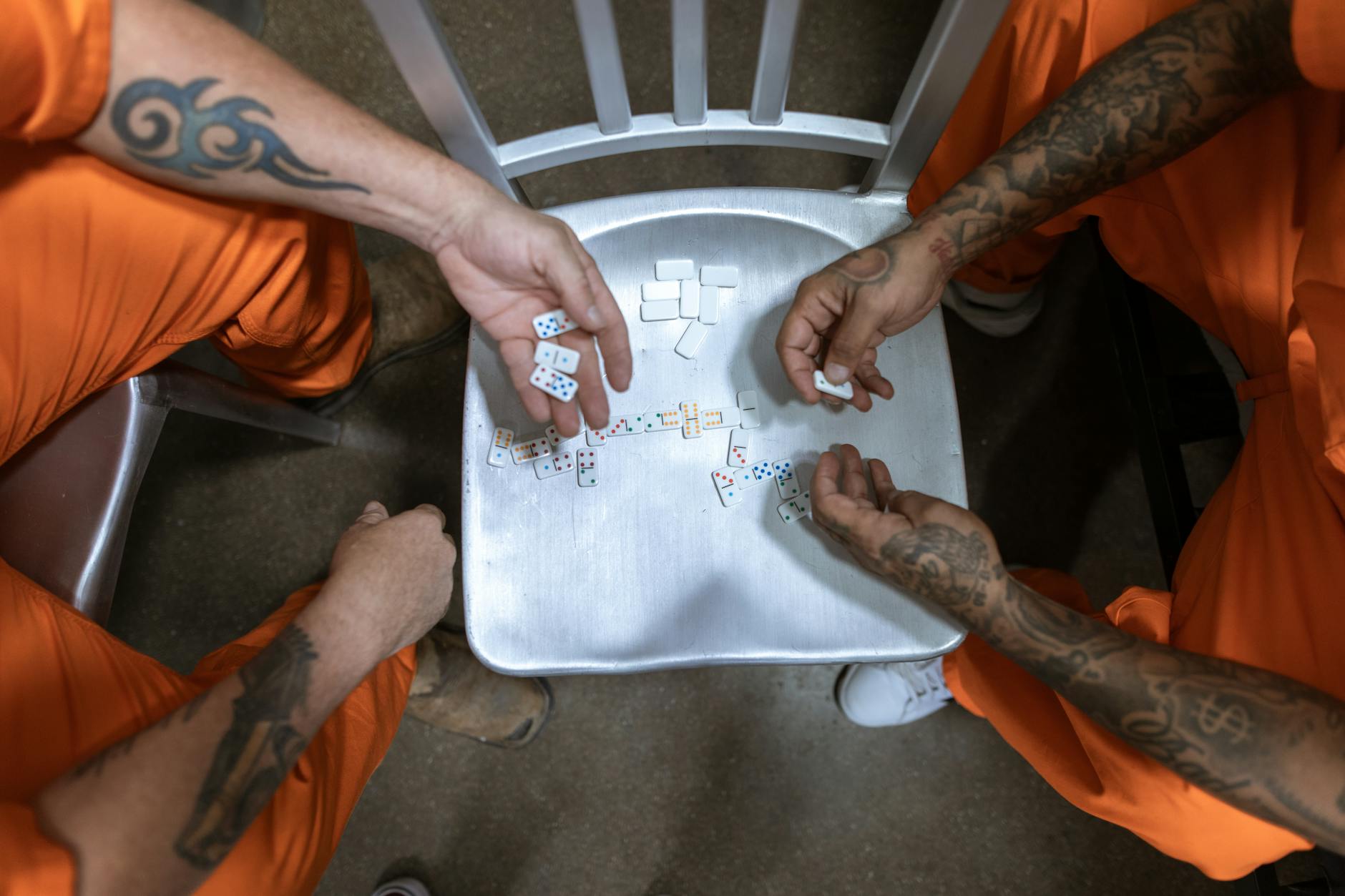
The crisis of untreated mental health in prisons is a pressing issue that requires immediate attention. According to the Bureau of Justice Statistics, over 15% of prisoners in the United States have serious mental health conditions, yet only a fifth receive treatment behind bars.
Providing quality mental health care in prisons is a complex task, but several strategies can be effective. Implementing regular check-ins with mental health professionals, for example, can help identify and address issues before they escalate. This approach has been shown to reduce recidivism rates and improve overall well-being among inmates.
Prison administrators can also create supportive environments by training correctional officers to recognize and respond to mental health crises. This training can include de-escalation techniques, crisis intervention, and basic first aid. By investing in the mental health of their inmates, prisons can create safer, more therapeutic environments.
With a concerted effort, the gap between the number of inmates who need mental health treatment and those who receive it can be bridged. By providing access to quality care and support, prisons can help inmates overcome their mental health challenges and reintegrate into society upon release.
Breaking Down Barriers: Access to Mental Health Services
Prisoners often face significant barriers when seeking mental health treatment behind bars. Limited access to qualified mental health professionals and inadequate facilities are just a few of the challenges inmates face.
A total of 18% of prisoners in the United States receive mental health treatment each year. The Bureau of Justice Statistics reports that about 1 in 5 inmates requires some form of mental health care while incarcerated.
While some prisons have implemented innovative programs to provide mental health services, many institutions struggle to meet the growing demand. A lack of funding and resources contributes to this issue, making it difficult for prisons to hire and retain qualified mental health professionals.
Looking Ahead: A Future with Comprehensive Care
Prisoners receive mental health treatment behind bars each year, but comprehensive care remains a significant challenge.
Over 20% of inmates within the United States require mental health treatment, yet many face a lengthy and complicated process to access necessary services.
The current system often leaves prisoners vulnerable to neglect and inadequate care, exacerbating existing conditions and creating new ones. Mental health professionals are not always readily available, and those who are may not have the necessary training to address the complex needs of inmates.
According to the Bureau of Justice Statistics, less than 10% of prisons provide on-site mental health services, forcing many prisoners to rely on off-site treatment that may not be tailored to their needs.
As the stark reality of one in five inmates receiving mental health treatment behind bars each year becomes increasingly apparent, it's clear that the current system is woefully inadequate. The fact that many prisoners are being treated for mental health issues while incarcerated, rather than being provided with support before and after their release, highlights a critical need for reform.
Practically speaking, policymakers and prison administrators must prioritize the development of comprehensive mental health programs that address the root causes of mental illness, rather than simply treating symptoms behind bars. This could involve increasing funding for mental health services, providing access to counseling and therapy, and training correctional officers to identify and respond to mental health needs.
Going forward, the expansion of community-based mental health services and the integration of mental health care into pre-release and post-release programs will be crucial in reducing recidivism rates and improving the overall well-being of individuals who have been incarcerated.
Need this answered for your specific case?
Get a flat-fee consultation with a verified U.S. immigration attorney. Engagement letter on every paid consult.
Related guides
-
Sanctions on Juvenile Offenders Cut Recidivism Rate by 27% in First Year
7 min read · May 13, 2026
-
Federal Court Rules Graduated Sanctions Can Reduce Recidivism by 30% in Prisons
6 min read · May 13, 2026
-
Four-Year Prison Sentence for Man Convicted of 12 Technical Violations of Probation
6 min read · May 11, 2026
This guide provides general legal information and does not create an attorney–client relationship. Information accurate as of July 2026. Always verify current USCIS guidance before acting.