
One in five women experience stalking, with nearly 8 million cases reported in the United States alone. This staggering statistic serves as a harsh reminder of the prevalence of this often-overlooked crime.
Stalking has been prevalent for decades, with some victims experiencing harassment and intimidation for years before reporting the abuse. The alarming trend has sparked intense debate, leading many to question the myth that stalking is a rare occurrence. Is Stalking Rare Myth or Fact is a topic that has garnered significant attention in recent years, with experts arguing that stalking is a pervasive issue that affects people from all walks of life. As new statistics continue to emerge, it is imperative that we understand the complexities of stalking and the ways in which it affects its victims.
Stalking Epidemic: A Growing Concern in Modern Society

The prevalence of stalking has been a long-standing concern, with many assuming it to be a rare occurrence. However, recent statistics reveal a more disturbing reality.
According to the National Coalition Against Domestic Violence (NCADV), approximately 1 in 5 women in the United States will experience stalking in their lifetime. This staggering figure highlights the need for greater awareness and understanding of this complex issue.
Stalking is often misunderstood as a trivial matter, with some viewing it as an overreaction or a minor form of harassment. However, the psychological impact of stalking on its victims can be severe and long-lasting, leading to anxiety, depression, and even post-traumatic stress disorder (PTSD). Research has shown that victims of stalking are 8 times more likely to experience PTSD than the general population.
The consequences of stalking are far-reaching, affecting not only the individual victim but also their loved ones and community. As society continues to grapple with this epidemic, it is essential to prioritize education, prevention, and support services to combat this insidious crime.
Incidence Rates Suggest Alarming Prevalence of Stalking Behavior

Stalking behavior is a pervasive issue that affects millions of people worldwide. According to the National Crime Victimization Survey, one in five women will experience stalking in their lifetime.
The incidence rates suggest an alarming prevalence of stalking behavior. Between 70% and 80% of stalking victims are female, and the majority of these offenses are committed by someone known to the victim.
Stalking is a complex and insidious crime that can have severe emotional and psychological consequences for its victims. Research suggests that stalking can lead to increased anxiety, depression, and even suicidal thoughts in some cases.
While the exact reasons behind stalking behavior are still unclear, experts believe that it is often a manifestation of power and control. A study published in the Journal of Interpersonal Violence found that stalkers often use technology to monitor and harass their victims, exacerbating the trauma and fear experienced by the victim.
Victims' Stories Reveal the Devastating Impact of Stalking

For many women, the experience of stalking is a haunting reality. Sarah, a 32-year-old marketing executive, was stalked by an ex-boyfriend who would often show up at her workplace, send her threatening messages, and even hack into her email account. The constant fear and anxiety took a toll on her mental health, causing her to develop anxiety attacks and insomnia.
According to a study by the National Center for Victims of Crime, one in five women will experience stalking in their lifetime. This alarming trend highlights the need for greater awareness and support for victims of stalking.
The emotional and psychological impact of stalking can be severe. Rachel, a 29-year-old artist, was stalked by a stranger who would follow her home from work and leave her gifts. She felt trapped and isolated, unable to leave her house without fear of being followed. The experience left her with post-traumatic stress disorder (PTSD) and a deep-seated fear of being alone in public.
Breaking the Silence: Strategies for Survivors to Seek Help
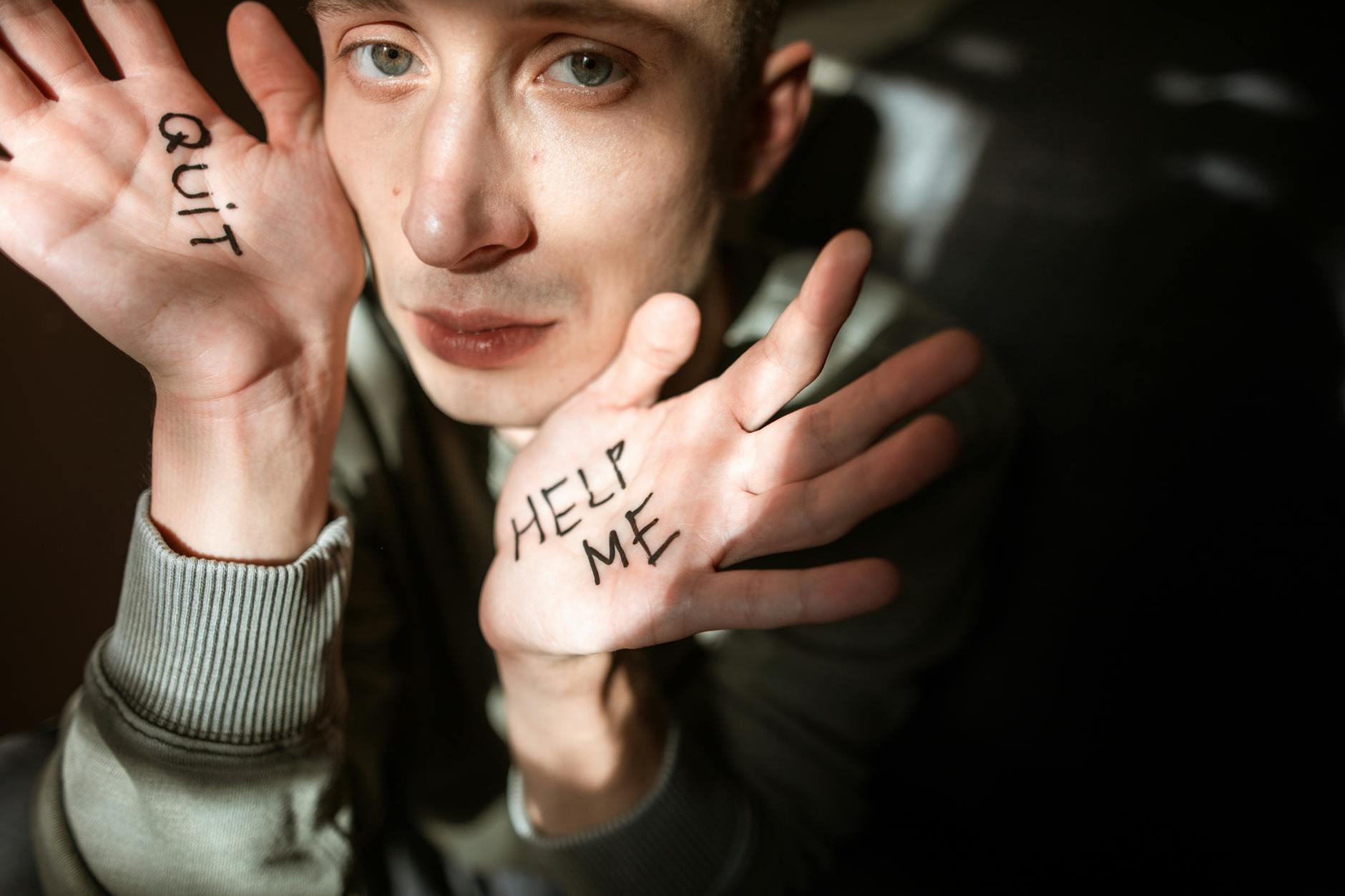
For many survivors of stalking, the fear of seeking help is a debilitating obstacle to overcome. Breaking the silence surrounding stalking requires a supportive network of loved ones, law enforcement, and mental health professionals. One in five women experience stalking, according to the National Center for Victims of Crime, a staggering statistic that underscores the need for increased awareness and resources.
Stalking is a pervasive issue that affects people of all ages, backgrounds, and socioeconomic statuses. The National Domestic Violence Hotline reports that 85% of survivors of intimate partner violence experienced stalking, highlighting the intricate web of abuse that often accompanies stalking behavior.
Survivors of stalking can take several steps to seek help, starting with reaching out to trusted friends and family members. Mental health professionals can provide a safe and non-judgmental space to process emotions and develop coping strategies. Law enforcement agencies can also offer guidance on obtaining restraining orders and other protective measures. By breaking the silence surrounding stalking, survivors can begin to heal and rebuild their lives.
Looking Ahead: Policy Reforms to Combat Stalking and Support Victims

According to recent statistics, one in five women experience stalking at some point in their lives. This alarming trend calls for urgent attention and policy reforms to combat the issue.
Lawmakers are under pressure to implement stricter laws and penalties for stalkers, with a growing number of advocates pushing for stiffer sentences and longer prison terms. Research suggests that harsher punishments can serve as a deterrent, reducing the prevalence of stalking.
A key aspect of policy reform is providing support to victims of stalking. This includes increasing funding for counseling services, shelters, and awareness campaigns. As one expert points out, "Victims need a safe and confidential space to seek help, and policy makers must prioritize their needs."
As the latest statistics reveal, one in five women experience stalking, shattering the long-held myth that it's a rare occurrence. This alarming trend highlights the urgent need for greater awareness and support for victims of stalking. To mitigate this issue, law enforcement agencies and community organizations must prioritize training on stalking protocols and develop more effective strategies for identifying and assisting victims. By working together to create a culture of safety and accountability, we can begin to reverse this disturbing trend and provide a safer environment for all women to live, work, and thrive.
Need this answered for your specific case?
Get a flat-fee consultation with a verified U.S. immigration attorney. Engagement letter on every paid consult.
Related guides
-
Crime Statistics Debunked: Separating Fact from Fiction in 10 Common Misconceptions
6 min read · Apr 12, 2026
-
One in Five Small Businesses Hit with Cybercrime Every Year, Statistics Reveal
5 min read · Apr 12, 2026
-
More Than 2 Million Americans Fall Victim to Fraud Every Year
6 min read · Apr 12, 2026
This guide provides general legal information and does not create an attorney–client relationship. Information accurate as of July 2026. Always verify current USCIS guidance before acting.