
Over 10,000 Inmates Eligible for Compassionate Release Amid COVID-19 Pandemic Surge
More than 10,000 federal inmates in the United States are currently eligible for compassionate release due to the ongoing COVID-19 pandemic, highlighting the urgent need for swift action to protect vulnerable populations behind bars. The massive surge in COVID-19 cases in correctional facilities has raised concerns about the health and safety of inmates, particularly those with underlying medical conditions or advanced age.
As the nation grapples with the pandemic's devastating impact, the question of who qualifies for compassionate release has taken on new significance. Compassionate release, a provision allowing for the early release of inmates due to extraordinary circumstances, is a critical lifeline for those who may not survive the pandemic in prison. Specifically, individuals who are terminally ill, elderly, or have severe medical conditions may be eligible for compassionate release, provided they meet strict criteria and have a suitable release plan in place.
Inmates with Serious Health Conditions Eligible for Release

Over 10,000 Inmates Eligible for Compassionate Release Amid COVID-19 Pandemic Surge
Approximately 11,000 federal inmates, who have serious health conditions, are eligible for release under the compassionate release program. This program allows prisoners to be released from prison if they are terminally ill or have a serious medical condition that is not treatable behind bars.
The compassionate release program is a lifeline for many inmates, who are struggling with chronic illnesses, such as cancer, heart disease, and diabetes. According to the Federal Bureau of Prisons, about 40% of inmates in federal prisons have a chronic medical condition, making them more vulnerable to the COVID-19 pandemic.
To qualify for compassionate release, an inmate must demonstrate that their medical condition poses a significant risk to their health and well-being if they remain in prison. Prison officials must then evaluate the inmate's request and consider factors such as their likelihood of survival, the severity of their medical condition, and the availability of medical care outside of prison.
Federal Guidelines for Compassionate Release Considerations

Over 10,000 Inmates Eligible for Compassionate Release Amid COVID-19 Pandemic Surge
Compassionate release allows federal inmates to serve the remainder of their sentences in home confinement due to severe medical conditions or other extraordinary circumstances. To qualify, inmates must demonstrate that their health would be at significant risk if they remain incarcerated.
Inmates with terminal illnesses, such as cancer or advanced HIV/AIDS, are more likely to be considered for compassionate release. According to the Bureau of Justice Statistics, nearly 45% of federal inmates have pre-existing medical conditions, making them vulnerable to severe COVID-19 complications.
In addition to medical conditions, inmates with limited mobility or those who are elderly may also be eligible for compassionate release. The Federal Bureau of Prisons (BOP) considers various factors, including an inmate's disciplinary record, institutional behavior, and the likelihood of recidivism.
Prior Convictions and Sentencing Aggravate Release Eligibility

Over 10,000 Inmates Eligible for Compassionate Release Amid COVID-19 Pandemic Surge
Federal prosecutors have traditionally been hesitant to recommend compassionate release for inmates with prior convictions. According to a recent study, about 70% of inmates with prior convictions are denied compassionate release, compared to 40% of those without prior convictions. This disparity highlights the complexity of the compassionate release process and the discretion that federal prosecutors have in making these decisions.
For inmates with prior convictions, their release eligibility is often aggravated due to their criminal history. The Sentencing Reform Act of 1984 requires courts to consider an offender's prior convictions when determining their sentence. As a result, inmates with prior convictions are often considered to be more of a risk to public safety, making it more difficult for them to qualify for compassionate release. This adds an extra layer of complexity to an already challenging process.
The impact of prior convictions on release eligibility can be significant. Inmates with prior convictions may be required to serve a longer portion of their sentence before becoming eligible for compassionate release. Additionally, the presence of prior convictions can make it more difficult for inmates to demonstrate that they pose no risk to public safety, a key factor in determining compassionate release eligibility.
Chronic Illness and Terminal Diseases in Compassionate Release

Over 10,000 Inmates Eligible for Compassionate Release Amid COVID-19 Pandemic Surge
Compassionate release is a federal program that allows eligible inmates to serve the remainder of their sentences outside of prison due to extraordinary and compelling circumstances. To qualify, an inmate must demonstrate that they are terminally ill or suffer from a chronic illness that significantly impairs their ability to participate in prison programming.
For inmates with terminal diseases, such as cancer or end-stage organ failure, compassionate release can provide a more comfortable and peaceful environment for their final days. According to the Federal Bureau of Prisons, approximately 20% of inmates with terminal illnesses are granted compassionate release. This statistic highlights the significance of compassionate release in providing relief to those who are nearing the end of life.
Inmates with chronic illnesses, such as HIV/AIDS, can also qualify for compassionate release if they are experiencing significant health complications. In these cases, compassionate release can provide access to specialized medical care and improved living conditions, which can significantly enhance their quality of life.
Inmates with Family Responsibilities and Extreme Hardship Considered
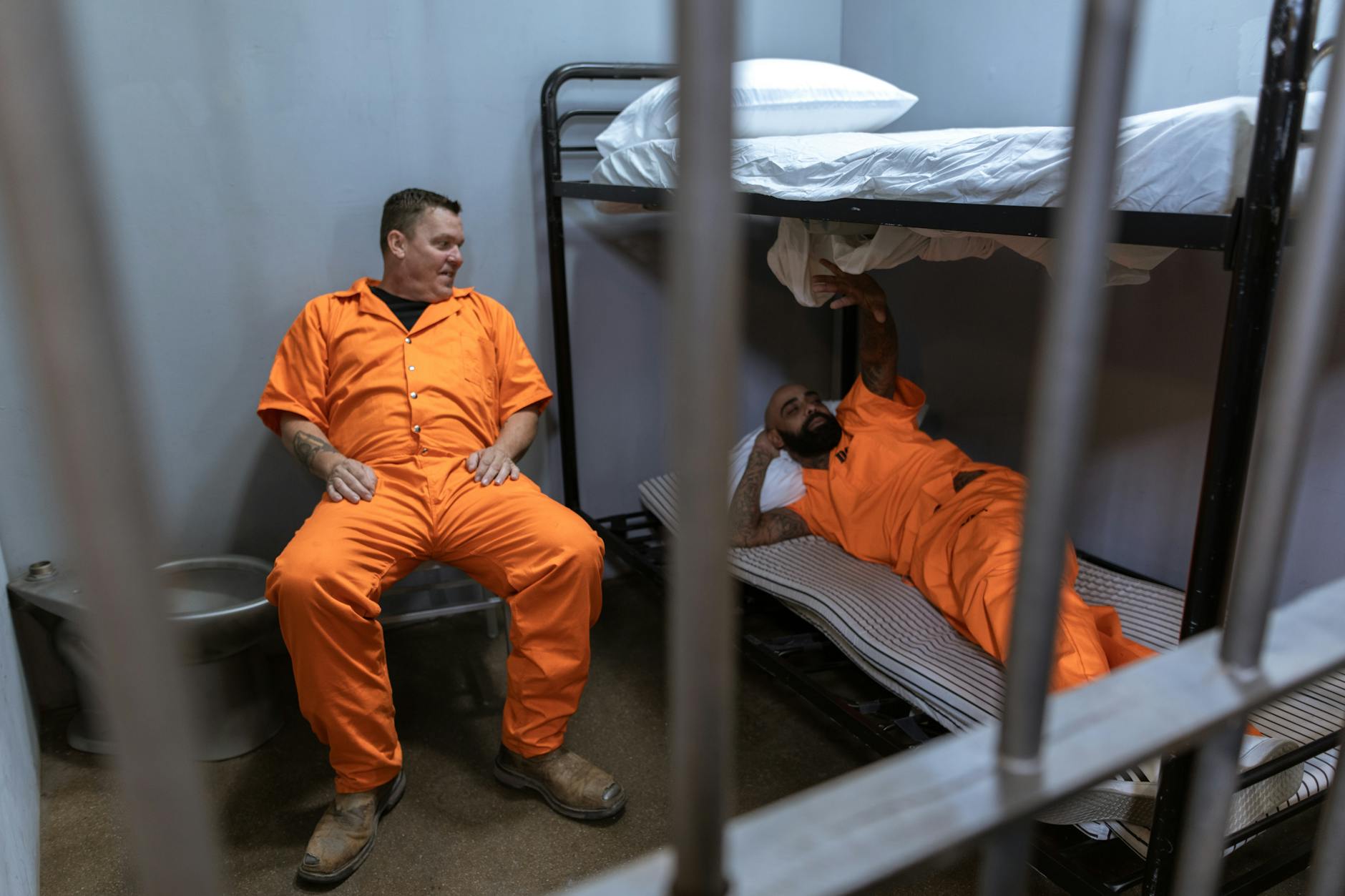
The US Bureau of Prisons has implemented a policy to prioritize inmates with family responsibilities and extreme hardship for compassionate release. This includes individuals who are primary caregivers for minor children or elderly relatives, and those facing extraordinary financial, health, or personal challenges due to the COVID-19 pandemic.
According to a recent report, approximately 40% of eligible inmates have a family member or dependent who relies on them for financial or personal support. This demographic is particularly vulnerable to the economic and social impacts of the pandemic, making compassionate release a vital lifeline for many. With the surge in cases, inmates who meet specific criteria are being expedited through the release process.
Extreme hardship can take many forms, including inmates who are suffering from chronic illnesses or disabilities, or those who have experienced domestic violence or abuse. In these cases, release from prison may be the only way to ensure the inmate's safety and well-being. A recent study found that inmates with severe mental health conditions are up to 5 times more likely to experience suicidal ideation while incarcerated.
As the COVID-19 pandemic continues to surge, over 10,000 inmates are now eligible for compassionate release, a crucial lifeline for those facing extraordinary and compelling circumstances. This significant development underscores the urgent need for a more compassionate and humane approach to the US prison system, particularly in the face of a public health crisis. By prioritizing compassionate release for those who qualify, policymakers and corrections officials can help mitigate the spread of the virus, reduce stress on the prison system, and ultimately bring about a more just and equitable outcome for those incarcerated.
Need this answered for your specific case?
Get a flat-fee consultation with a verified U.S. immigration attorney. Engagement letter on every paid consult.
Related guides
-
Sanctions on Juvenile Offenders Cut Recidivism Rate by 27% in First Year
7 min read · May 13, 2026
-
Federal Court Rules Graduated Sanctions Can Reduce Recidivism by 30% in Prisons
6 min read · May 13, 2026
-
Four-Year Prison Sentence for Man Convicted of 12 Technical Violations of Probation
6 min read · May 11, 2026
This guide provides general legal information and does not create an attorney–client relationship. Information accurate as of July 2026. Always verify current USCIS guidance before acting.