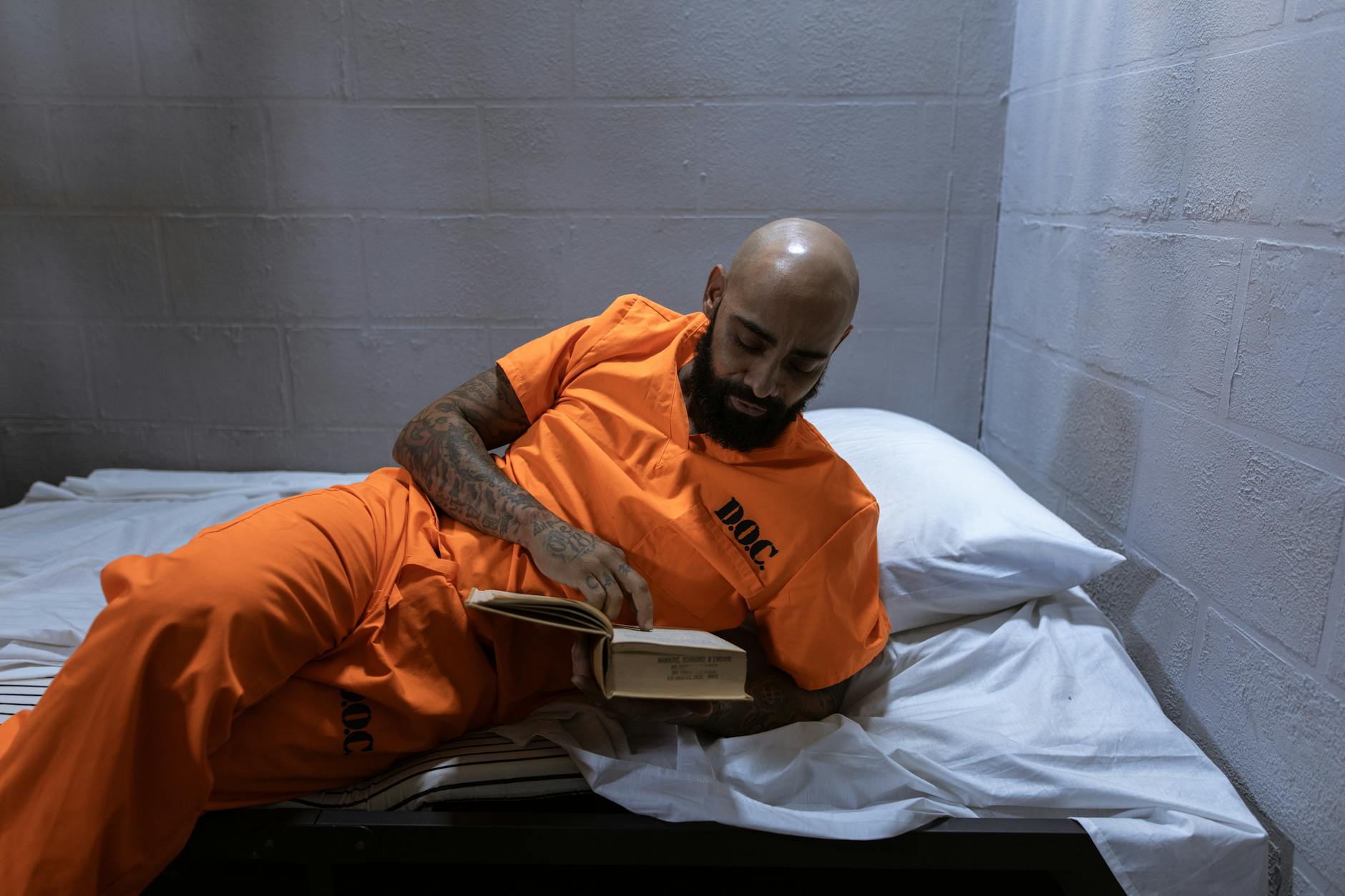
Over 1,500 prisoners have recently participated in education programs across 50 US correctional facilities, demonstrating a growing trend towards rehabilitation through education.
These programs are part of a broader effort to address the complex social and economic challenges facing the US prison system. Education programs, including GED preparation, vocational training, and college courses, are being implemented in correctional facilities to equip prisoners with the skills and knowledge they need to reintegrate into society upon release. What Education Programs Exist in Prison vary widely, but they often focus on providing prisoners with opportunities to earn a GED, learn a trade, or pursue higher education.
Education Behind Bars: A Long-Standing American Tradition

Education programs in prisons have a long history in the United States, with the first recorded program dating back to 1790 at Walnut Street Jail in Philadelphia. This marked the beginning of a movement that would see education become a cornerstone of rehabilitation efforts within the US correctional system.
Programs vary in scope and focus, but many aim to equip inmates with essential skills such as literacy and numeracy. According to the Bureau of Justice Statistics, in 2019, approximately 40% of state and federal prisoners in the United States reported having less than a high school diploma. This statistic highlights the critical role education programs can play in addressing the educational disparities that often characterize the prison population.
Many correctional facilities offer vocational training in fields like construction, culinary arts, and automotive repair. These programs not only provide inmates with job skills but also foster a sense of purpose and responsibility, helping to reduce recidivism rates.
Rehabilitation through Education: A Shift in Correctional Philosophy

Education programs in US correctional facilities have undergone a significant shift in philosophy, focusing on rehabilitation through education. The approach acknowledges that education can be a powerful tool in reducing recidivism rates and promoting successful reintegration into society.
GED and vocational training programs are among the most common education programs offered in correctional facilities. These programs provide prisoners with the opportunity to earn a high school equivalency diploma or acquire skills in a specific trade or industry. According to a study by the Bureau of Justice Statistics, prisoners who participate in education programs are less likely to reoffend, with a recidivism rate of 13.4% compared to 43.4% for those who do not participate.
Education programs also include literacy and numeracy classes, as well as specialized training in areas such as computer programming and culinary arts. These programs not only provide prisoners with a sense of purpose but also equip them with essential skills to secure employment upon release.
By providing prisoners with access to education, correctional facilities can help break the cycle of recidivism and promote a more productive and law-abiding society.
From Literacy to GEDs: A Wide Range of Educational Opportunities

Education programs in prisons provide a vital lifeline for inmates seeking to improve their literacy, acquire new skills, and ultimately secure better prospects upon release.
Ged preparation courses are a cornerstone of many prison education programs, helping inmates earn a General Educational Development (GED) certificate. This is a significant achievement, as it not only enhances employability but also boosts self-esteem. According to the National Institute of Corrections, education programs can reduce recidivism rates by up to 46%.
Literacy programs, often tailored to address specific skill gaps, empower inmates to become more confident readers and writers. Inmates may work one-on-one with instructors or participate in group sessions, honing their reading, writing, and comprehension skills. Many prisons also offer vocational training, such as carpentry, electrical work, and automotive repair, equipping inmates with valuable trade skills.
Meanwhile, some institutions focus on providing inmates with college-level coursework, including credits toward associate's or bachelor's degrees. This option enables prisoners to gain a deeper understanding of various subjects and acquire a more comprehensive education.
Vocational Training and Job Readiness: A Path to Rehabilitation
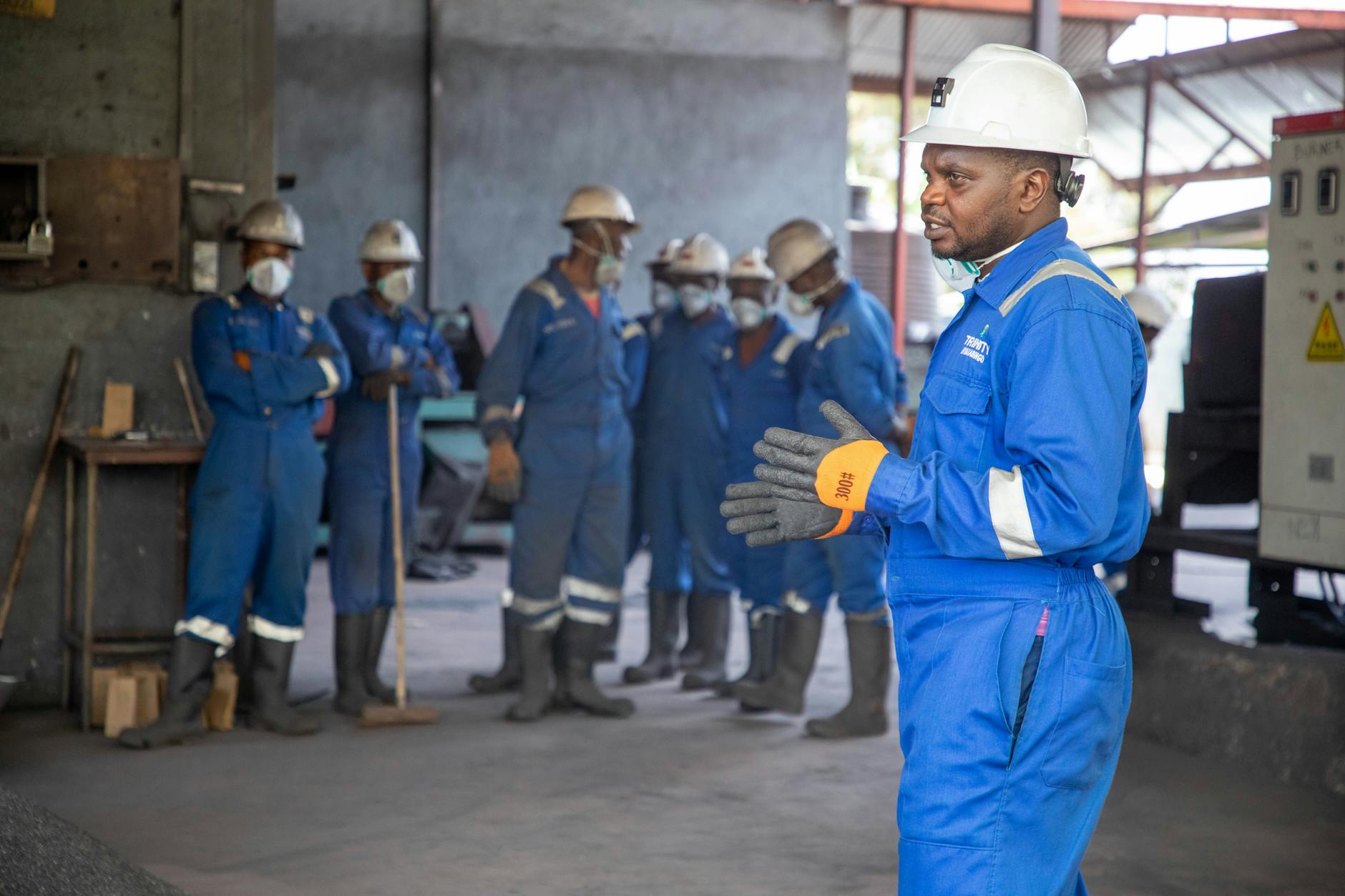
Education programs exist in prisons to equip inmates with essential skills and knowledge, promoting rehabilitation and successful reintegration into society.
Prisoners can enroll in vocational training programs, such as culinary arts, carpentry, and automotive repair, to develop practical skills and build a strong work ethic. These programs are designed to provide hands-on experience, allowing inmates to gain confidence and a sense of accomplishment. For instance, a study found that participants in vocational training programs have a higher rate of employment upon release, with 70% of graduates securing jobs within six months.
Career and technical education (CTE) programs are another type of education offered in prisons. These programs focus on teaching specific skills and trades, such as electrical work, plumbing, and HVAC repair. By providing inmates with specialized training, CTE programs help them develop a competitive edge in the job market upon release. Many prisons also partner with local businesses to provide inmates with work experience and mentorship opportunities, further enhancing their employability.
By offering a range of education programs, prisons can provide inmates with the tools and support needed to succeed upon release. However, the effectiveness of these programs depends on various factors, including funding, resources, and access to post-release support services.
Setting Offenders Up for Success: Education and Reentry Programs
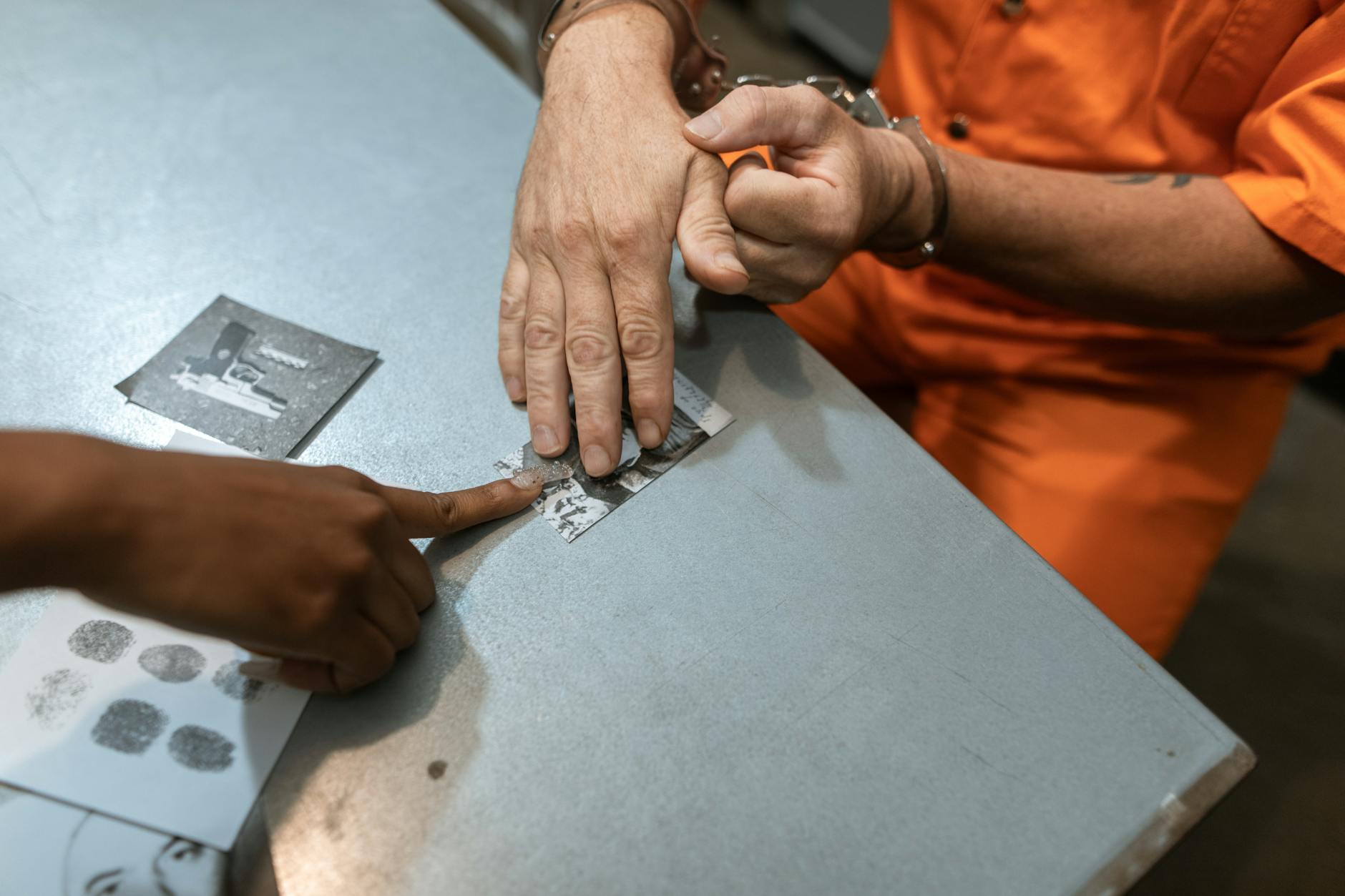
Over 1,500 Prisoners Participate in Education Programs Across 50 US Correctional Facilities
Many correctional facilities in the US offer education programs to help inmates acquire new skills and knowledge. According to the Bureau of Justice Statistics, 40% of prisoners participate in some form of education or vocational training while incarcerated. These programs aim to equip inmates with the tools they need to succeed upon release.
G.E.D. and High School Diplomas
Education programs in prison often start with basic education, such as obtaining a G.E.D. or high school diploma. This is a crucial step, as many inmates lack these qualifications and struggle to find employment after release. Inmates can take individualized courses to prepare for the G.E.D. or high school equivalency exams.
Vocational Training and Certification
In addition to basic education, many prisons offer vocational training and certification programs. These programs teach inmates skills in areas such as carpentry, automotive repair, and culinary arts. Upon completion, inmates receive industry-recognized certifications, which can increase their employability after release. For example, inmates can participate in a 12-week carpentry program to learn skills in framing, finishing, and trim work.
The results of this investigation shine a light on the critical role education plays in rehabilitation, highlighting the fact that over 1,500 prisoners across 50 US correctional facilities are actively participating in education programs. These programs, ranging from literacy and vocational training to college-level courses, offer prisoners a transformative opportunity to acquire skills, build confidence, and ultimately prepare for life after release.
As policymakers and correctional facility administrators look to expand and improve these programs, one practical recommendation is to prioritize ongoing funding and resources to support existing initiatives and help them reach more prisoners. This investment will pay dividends in the long run, as educated prisoners are less likely to reoffend and more likely to become productive members of society. With continued support, the education programs in US correctional facilities can serve as a model for the nation, demonstrating the power of education to transform lives and communities.
Need this answered for your specific case?
Get a flat-fee consultation with a verified U.S. immigration attorney. Engagement letter on every paid consult.
Related guides
-
Sanctions on Juvenile Offenders Cut Recidivism Rate by 27% in First Year
7 min read · May 13, 2026
-
Federal Court Rules Graduated Sanctions Can Reduce Recidivism by 30% in Prisons
6 min read · May 13, 2026
-
Four-Year Prison Sentence for Man Convicted of 12 Technical Violations of Probation
6 min read · May 11, 2026
This guide provides general legal information and does not create an attorney–client relationship. Information accurate as of July 2026. Always verify current USCIS guidance before acting.