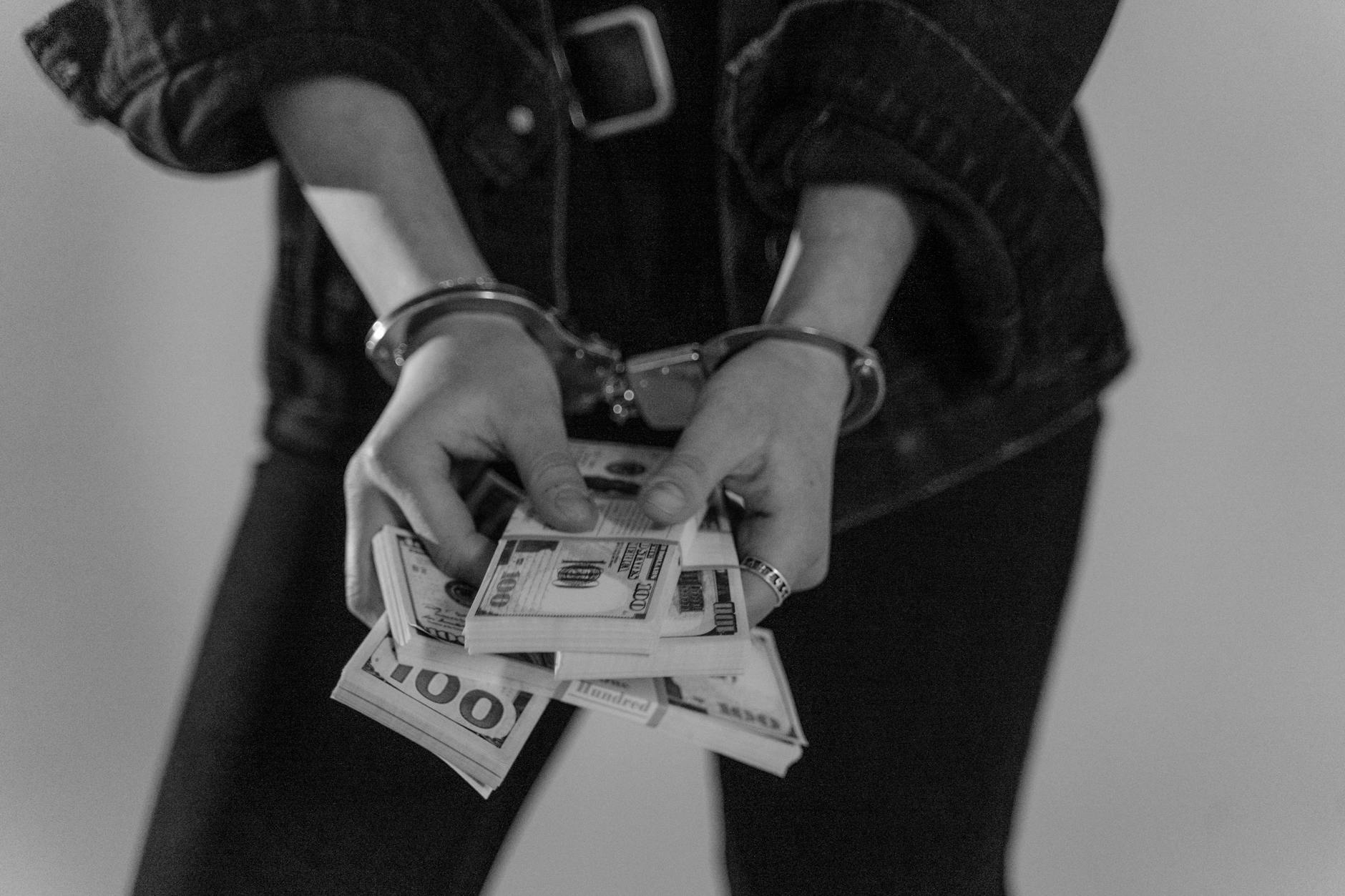
Over 500 police officers face corruption charges each year, a stark reminder of the persistent issue within law enforcement. These cases range from bribery and extortion to evidence tampering and abuse of power, highlighting a critical breach of public trust. The prevalence of such crimes underscores the urgent need for accountability and reform within police departments nationwide.
Police corruption crime involves law enforcement officers abusing their authority for personal gain or to benefit others. This can manifest in various forms, including accepting bribes, falsifying reports, or using excessive force. Understanding police corruption crime is crucial for the public, as it directly impacts community safety and the integrity of the justice system. When officers betray their oaths, they undermine the very institutions meant to protect and serve.
Understanding Police Corruption Defined
Police corruption represents a significant breach of public trust, occurring when law enforcement officers abuse their power for personal gain or to benefit others. This misconduct can manifest in various forms, including bribery, extortion, embezzlement, and abuse of authority. Officers might accept bribes to overlook illegal activities, extort money from citizens, or misuse department resources for personal benefit. Such actions undermine the integrity of law enforcement and erode public confidence in the justice system.
Corruption within police departments can have far-reaching consequences. It not only harms individuals directly affected by the misconduct but also weakens the overall effectiveness of law enforcement. According to a study by the Police Executive Research Forum, corruption cases can lead to increased crime rates and a decline in community cooperation with police. The ripple effects of these actions can be felt across entire communities, fostering a climate of distrust and fear.
Experts emphasize that addressing police corruption requires a multi-faceted approach. This includes implementing robust internal oversight mechanisms, promoting transparency, and fostering a culture of accountability within police departments. Training programs focused on ethics and professional conduct can also play a crucial role in preventing corruption. By taking proactive measures, law enforcement agencies can work to restore public trust and ensure that justice is served fairly and impartially.
Ultimately, combating police corruption is essential for maintaining the rule of law and protecting the rights of all citizens. When officers uphold their oaths and act with integrity, they contribute to a safer and more just society. The fight against corruption is ongoing, but with concerted efforts and a commitment to ethical standards, progress can be made.
Common Types of Police Misconduct
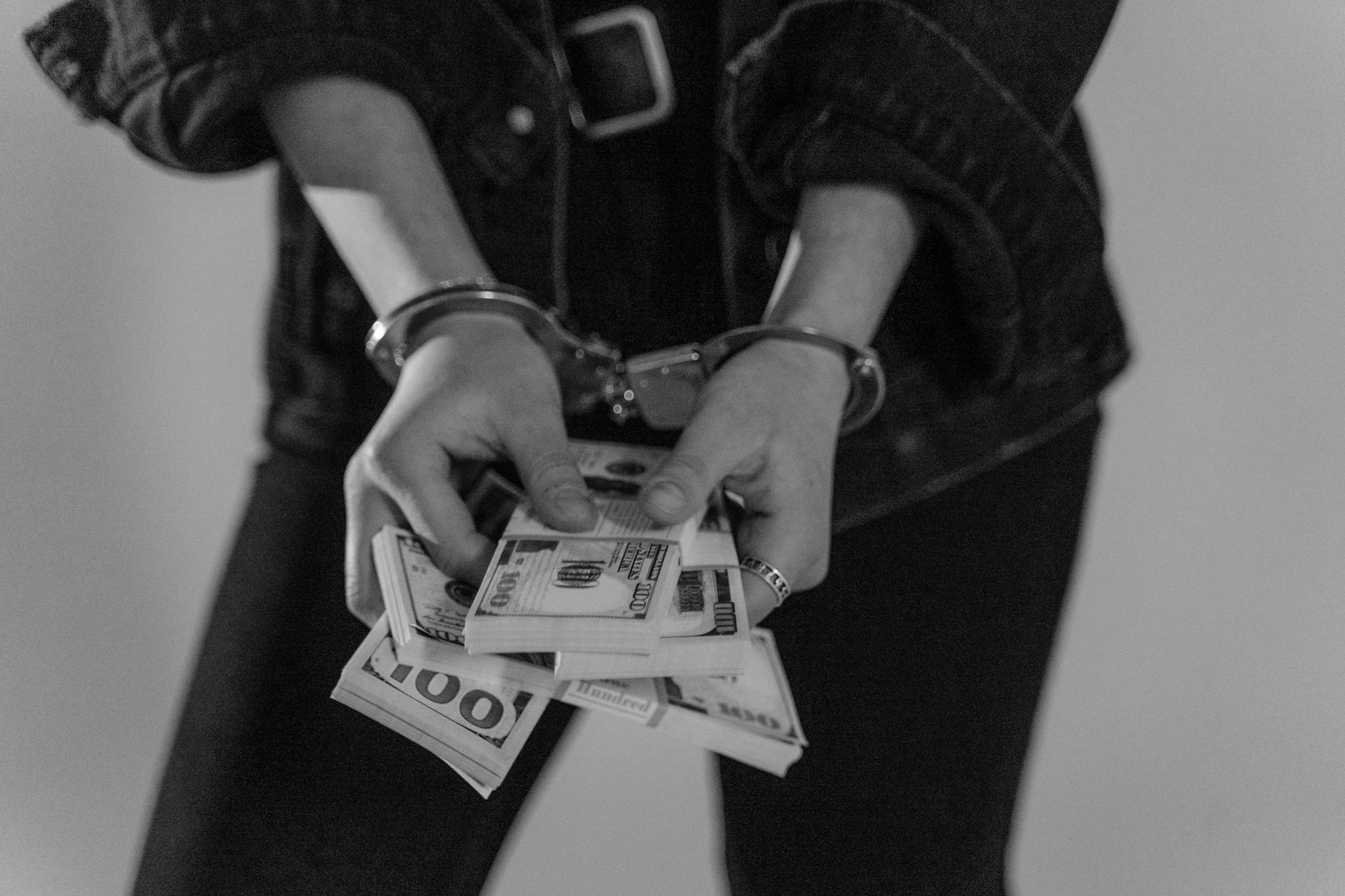
Police corruption manifests in various forms, each undermining public trust and the integrity of law enforcement. The most prevalent type is bribery, where officers accept money or favors in exchange for ignoring illegal activities or providing special treatment. This not only distorts justice but also creates a culture of impunity within communities. According to a recent study, bribery accounts for nearly 40% of reported police corruption cases annually.
Excessive force represents another critical area of concern. This involves the unnecessary or disproportionate use of physical power during arrests or interactions with civilians. Such incidents often lead to severe injuries or fatalities, sparking public outrage and calls for accountability. Experts emphasize that excessive force erodes community-police relations, fostering distrust and hostility.
Evidence tampering and falsifying reports are also common. Officers may plant evidence, alter crime scene details, or fabricate testimonies to secure convictions or cover up misconduct. These actions compromise the fairness of legal proceedings and can result in wrongful convictions. The consequences of such corruption extend beyond individual cases, affecting the entire justice system's credibility.
Lastly, police corruption can involve the misuse of assets or resources. This includes embezzlement of department funds, misuse of police vehicles, or selling confiscated property for personal gain. Such behavior not only violates ethical standards but also diverts resources meant for public safety. Addressing these issues requires robust oversight and accountability mechanisms within police departments.
How Corruption Cases Are Investigated

Police corruption involves any act by law enforcement officers that violates their legal duties and ethical standards for personal gain. This can range from accepting bribes to evidence tampering, abuse of power, or even criminal activities like drug trafficking. The FBI reports that corruption cases often involve complex networks, making them challenging to investigate.
Investigations typically begin with tips from informants or whistleblowers. Authorities then gather evidence through surveillance, undercover operations, and financial audits. Digital forensics plays a crucial role, as officers may leave traces in communications or transactions.
Expert analysts emphasize the importance of interagency cooperation. Prosecutors, internal affairs units, and federal agencies often collaborate to build strong cases. This multidisciplinary approach helps uncover the full extent of corruption and ensures accountability.
Once sufficient evidence is collected, charges are filed. These can include federal crimes like racketeering or state offenses such as bribery. The legal process then follows standard criminal proceedings, with trials determining the officers' guilt or innocence.
The Impact on Public Trust

The revelation that over 500 police officers face corruption charges annually sends shockwaves through communities, eroding the very foundation of public trust. When those sworn to protect and serve become part of the problem, citizens question the integrity of the entire justice system. This erosion of trust doesn't happen overnight; it's a slow, insidious process that can take years to rebuild.
A study by the International Association of Chiefs of Police found that public trust in law enforcement drops by an average of 15% in communities where corruption cases surface. This statistic underscores the profound impact corruption has on community relations. When officers are found guilty of misconduct, it tarnishes the reputation of the entire department, not just the individuals involved.
Experts argue that transparency and accountability are key to rebuilding trust. Regular audits, independent oversight, and swift disciplinary actions can help restore faith in law enforcement. However, these measures require consistent effort and commitment from both police departments and the communities they serve. The road to recovery is long, but it begins with acknowledging the problem and taking concrete steps to address it.
Efforts to Combat Police Corruption

Law enforcement agencies have intensified their efforts to combat police corruption, recognizing it as a critical threat to public trust and safety. Internal affairs divisions and independent oversight bodies have been established to investigate misconduct. These units often employ undercover operations and whistleblower protections to uncover corrupt practices. Their work has led to significant convictions, demonstrating a commitment to holding officers accountable.
Technology plays a pivotal role in modern anti-corruption strategies. Body-worn cameras and digital reporting systems create transparent records of police interactions. Data analytics help identify patterns of misconduct, enabling proactive interventions. A study by a prominent criminology research institute found that departments using these technologies saw a 25% reduction in corruption-related complaints within two years.
Community engagement initiatives have also proven effective. Police departments are partnering with local organizations to build trust and encourage reporting of misconduct. These programs often include training on ethical decision-making and the consequences of corruption. Such efforts not only deter corrupt behavior but also foster a culture of integrity within police ranks.
Legislative reforms have strengthened the legal framework against police corruption. Many jurisdictions have implemented stricter penalties and expanded whistleblower protections. These changes reflect a broader societal commitment to upholding the integrity of law enforcement. The combined efforts of policy changes, technology, and community involvement are creating a more accountable police force.
Police corruption, as evidenced by the staggering annual figure of over 500 charged officers, represents a grave betrayal of public trust and a direct threat to the very communities law enforcement agencies are sworn to protect. It encompasses a wide range of criminal activities, from bribery and extortion to evidence tampering and civil rights violations, all of which erode the foundation of justice and equality. To combat this pervasive issue, communities must demand increased transparency and accountability from their law enforcement agencies, advocating for stronger internal oversight and independent review boards. Looking ahead, the fight against police corruption requires not just reactive measures, but proactive strategies that foster a culture of integrity and ethical conduct within police departments nationwide.
Need this answered for your specific case?
Get a flat-fee consultation with a verified U.S. immigration attorney. Engagement letter on every paid consult.
Related guides
This guide provides general legal information and does not create an attorney–client relationship. Information accurate as of July 2026. Always verify current USCIS guidance before acting.