
Work Release Programs Offer New Hope for Eligible Inmates
Over 5,000 inmates in the United States are eligible for work release programs each year, offering a chance to reintegrate into society and gain valuable work experience. These programs allow participating inmates to leave prison facilities during the day to work at approved jobs, providing a vital link between incarceration and rehabilitation. By participating in work release programs, inmates can earn a steady income, develop new skills, and build a positive work ethic, ultimately increasing their chances of successful reentry into society.
Who Qualifies for Work Release programs is a critical question for many inmates and their loved ones. Eligibility typically depends on factors such as the inmate's behavior, discipline record, and the type of offense they committed. Those who have demonstrated good behavior, completed educational or vocational programs, and are nearing the end of their sentence may be considered for work release. By providing a structured environment that promotes accountability and responsibility, work release programs offer a vital stepping stone for eligible inmates to transition back into their communities and lead productive lives.
Eligibility Criteria Establish Framework for Work Release Participants

Work release programs provide an opportunity for eligible inmates to serve their sentences in a community setting while working and contributing to society. To qualify for these programs, inmates must meet certain eligibility criteria, which serve as a framework for their participation.
Inmates typically must have a minimum sentence of six months to two years to be eligible for work release. Additionally, they must have a stable residence and a job lined up, as well as a clear understanding of the program's rules and expectations. According to the Bureau of Justice Statistics, about 12% of inmates in state and federal prisons participate in work release programs each year.
Eligible inmates must also demonstrate a positive attitude and behavior while incarcerated. This can include completing programs such as substance abuse treatment, anger management, or educational courses. By meeting these criteria, inmates can demonstrate their readiness to transition back into society and make a positive contribution.
Key Factors Influence Decision for Work Release Programs

Work release programs offer a chance for inmates to reintegrate into society while serving their sentence, but not everyone is eligible. To qualify, inmates must meet certain criteria. They typically must have a history of good behavior, a stable job lined up, and a suitable living arrangement upon release. For example, a study found that only about 20% of inmates who participate in work release programs are rearrested within a year of their release.
The Federal Bureau of Prisons (BOP) sets the guidelines for work release programs, which vary by state. Generally, inmates with more than 18 months left on their sentence are not eligible, as are those with serious disciplinary infractions or pending charges. Additionally, inmates must be physically able to work and have a viable employment opportunity upon release.
Inmates must also demonstrate a commitment to rehabilitation, often through participation in counseling or job training programs. A strong support system, including family and friends, is also a factor in determining eligibility. According to the National Institute of Justice, about 70% of inmates who participate in work release programs successfully reintegrate into society.
Prior Conviction and Sentence Length Considered Carefully
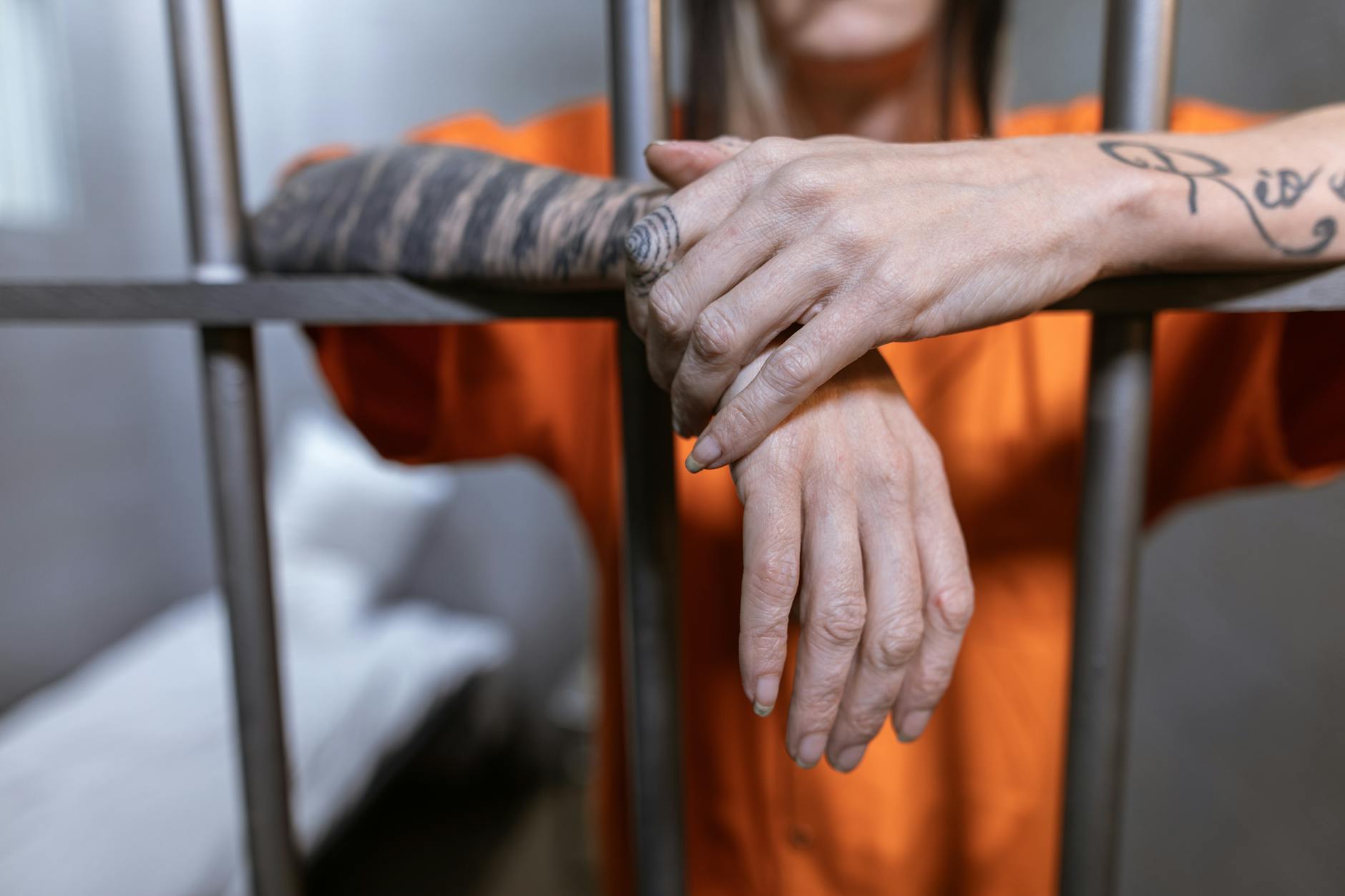
Over 5,000 inmates are eligible for work release programs annually in the US, but who qualifies for this opportunity? To be considered for work release, inmates must have a prior conviction that is deemed suitable for this type of program.
Inmates with non-violent offenses, such as property crimes or white-collar crimes, are more likely to be eligible for work release. According to the Bureau of Justice Statistics, approximately 60% of prisoners released from state and federal facilities have been convicted of non-violent crimes. The type and severity of the offense, as well as the inmate's behavior during their incarceration, are carefully assessed to determine eligibility.
The length of the sentence is also a critical factor in determining eligibility for work release. Inmates serving shorter sentences, typically less than 2 years, are more likely to be considered for this program. Those with longer sentences may be eligible, but it is often a more complicated process, requiring additional review and approval.
The goal of work release programs is to provide inmates with the opportunity to reintegrate into society while serving out their sentence. By working and contributing to society, inmates can gain valuable skills and experience, making it easier to find employment upon release.
Inmates with Special Needs and Medical Conditions Eligible
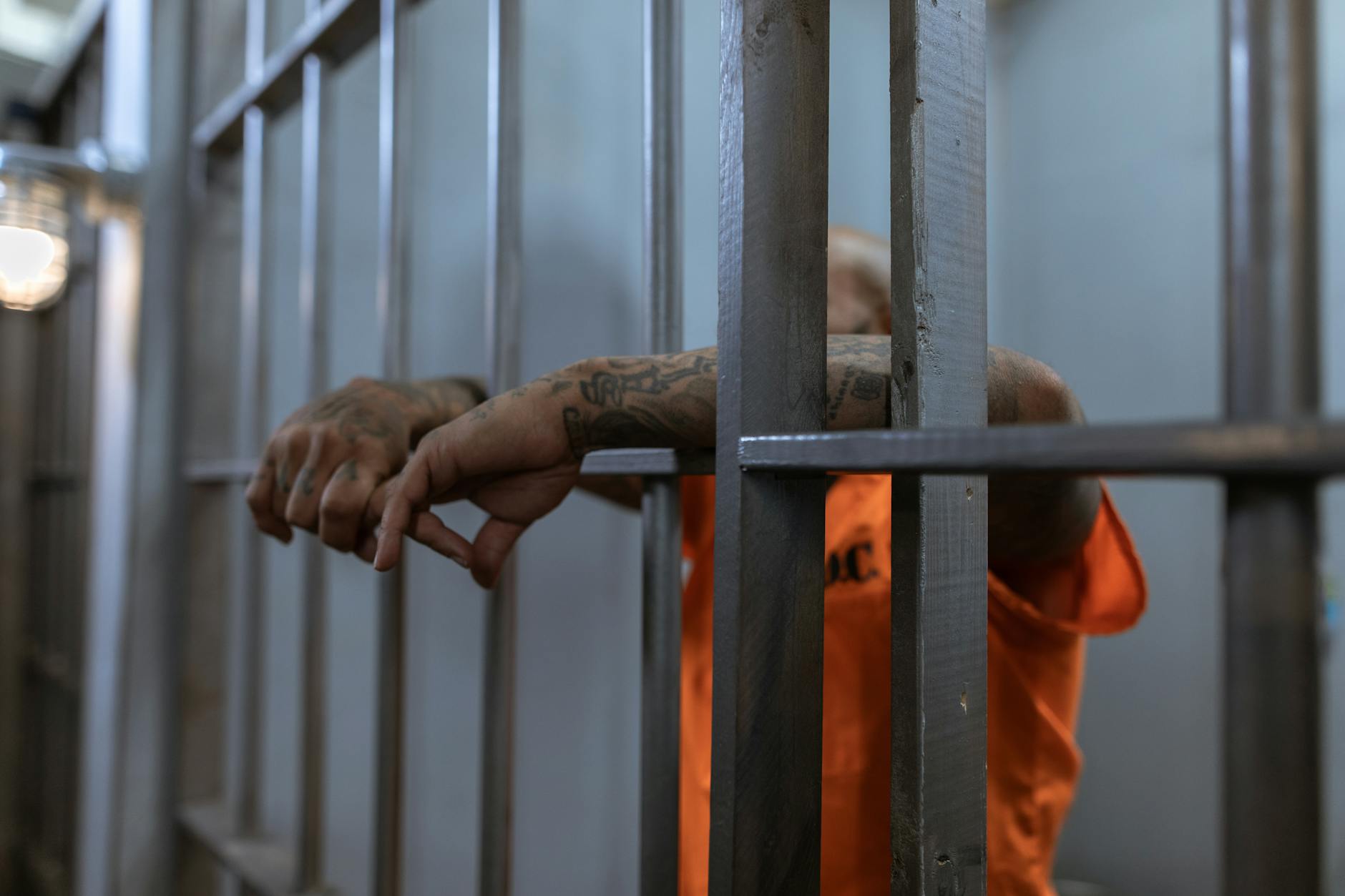
According to the Federal Bureau of Prisons, inmates with special needs and medical conditions are eligible for work release programs. These programs allow inmates to serve a portion of their sentences in a community setting, where they can work and earn a steady income.
The Bureau of Prisons considers inmates with medical conditions that require regular treatment or hospitalization to be eligible for work release. For instance, inmates who require dialysis or chemotherapy may be eligible for work release in a community setting where they can receive medical attention.
Inmates with physical disabilities or mental health conditions may also be eligible for work release, as long as they are able to participate in the program and follow the rules. A study by the National Institute of Justice found that inmates with special needs are more likely to succeed in work release programs, which can help them to reintegrate into society upon release.
Inmates who are eligible for work release are typically assigned to a work release center where they can find employment and participate in educational or vocational programs.
Rehabilitation and Employment Track Record Essential for Approval

Over 5,000 Inmates Eligible for Work Release Programs Annually in the US
According to the Bureau of Justice Statistics, approximately 20% of state and federal prisoners are eligible for work release programs each year. These programs allow inmates to transition back into society while serving their sentences, providing valuable work experience and a chance to rebuild their lives.
To qualify for work release, inmates must meet certain criteria. They typically need to have served a minimum amount of time, often 6-12 months, and have a good disciplinary record. Additionally, many programs require inmates to demonstrate a commitment to rehabilitation and reentry into society, often through participation in counseling, education, or job training programs.
Eligible inmates can expect to spend a portion of their sentence working in the community, under the supervision of correctional officers. They may work in a variety of settings, including private businesses, government agencies, or non-profit organizations. In exchange for their work, inmates typically receive a reduced sentence or other benefits.
Individuals serving time in US prisons have a chance to reintegrate into society through work release programs, with over 5,000 inmates eligible annually. However, not all inmates qualify for these opportunities, as eligibility typically hinges on factors such as good behavior, completion of rehabilitative programs, and demonstration of a genuine desire to participate in gainful employment.
Practically speaking, prisoners and their families can increase their chances of qualifying for work release by seeking out and participating in vocational training and counseling services while incarcerated. By doing so, inmates can develop skills and a mindset that prepare them for the demands of the workforce and boost their likelihood of successful reintegration.
As the US continues to grapple with high incarceration rates and recidivism, work release programs offer a vital pathway for rehabilitation and reentry, potentially reducing crime rates and promoting community well-being by providing inmates with the tools and support necessary to thrive outside of prison walls.
Need this answered for your specific case?
Get a flat-fee consultation with a verified U.S. immigration attorney. Engagement letter on every paid consult.
Related guides
-
Sanctions on Juvenile Offenders Cut Recidivism Rate by 27% in First Year
7 min read · May 13, 2026
-
Federal Court Rules Graduated Sanctions Can Reduce Recidivism by 30% in Prisons
6 min read · May 13, 2026
-
Four-Year Prison Sentence for Man Convicted of 12 Technical Violations of Probation
6 min read · May 11, 2026
This guide provides general legal information and does not create an attorney–client relationship. Information accurate as of July 2026. Always verify current USCIS guidance before acting.