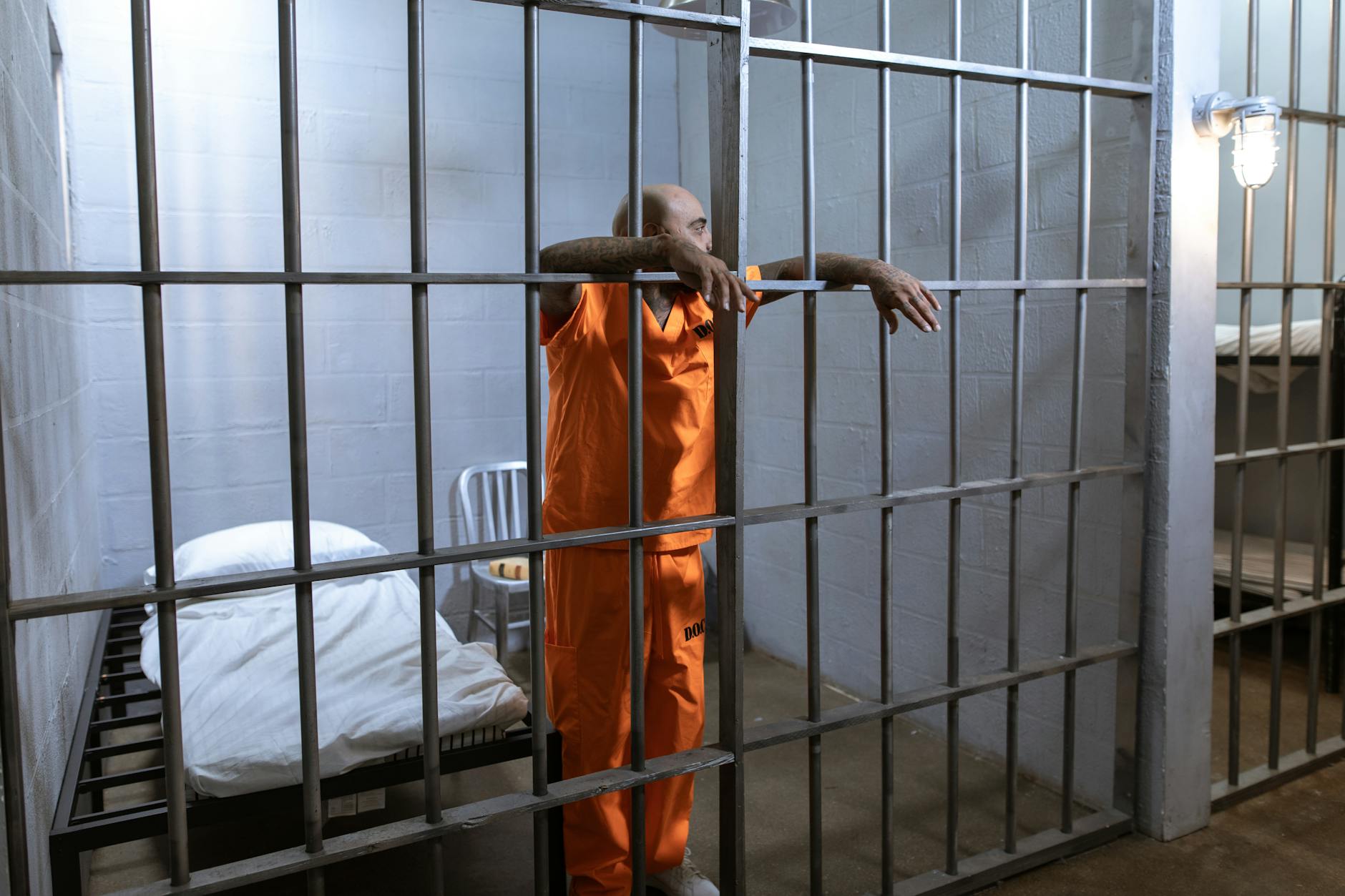
Every year, over 80,000 people in the United States are released from prison, only to be met with a harsh reality: a crippling debt that can haunt them for years to come. This phenomenon, known as prison debt, is a stark reminder of the harsh consequences of a system that often prioritizes punishment over rehabilitation. The staggering number of individuals affected by prison debt is a testament to the need for a deeper understanding of how this complex issue works.
Prison debt refers to the financial obligations incurred by individuals while they are behind bars, including court costs, fines, and restitution. These debts can accumulate rapidly, often with interest rates that make it nearly impossible for individuals to pay them off upon release. For those struggling to rebuild their lives, prison debt can be a devastating obstacle, making it difficult to find employment, secure housing, and access basic necessities like healthcare. Understanding how prison debt works is essential to addressing this critical issue and advocating for reforms that prioritize the well-being of individuals and communities affected by mass incarceration.
How Prison Debt Became a Hidden Financial Burden
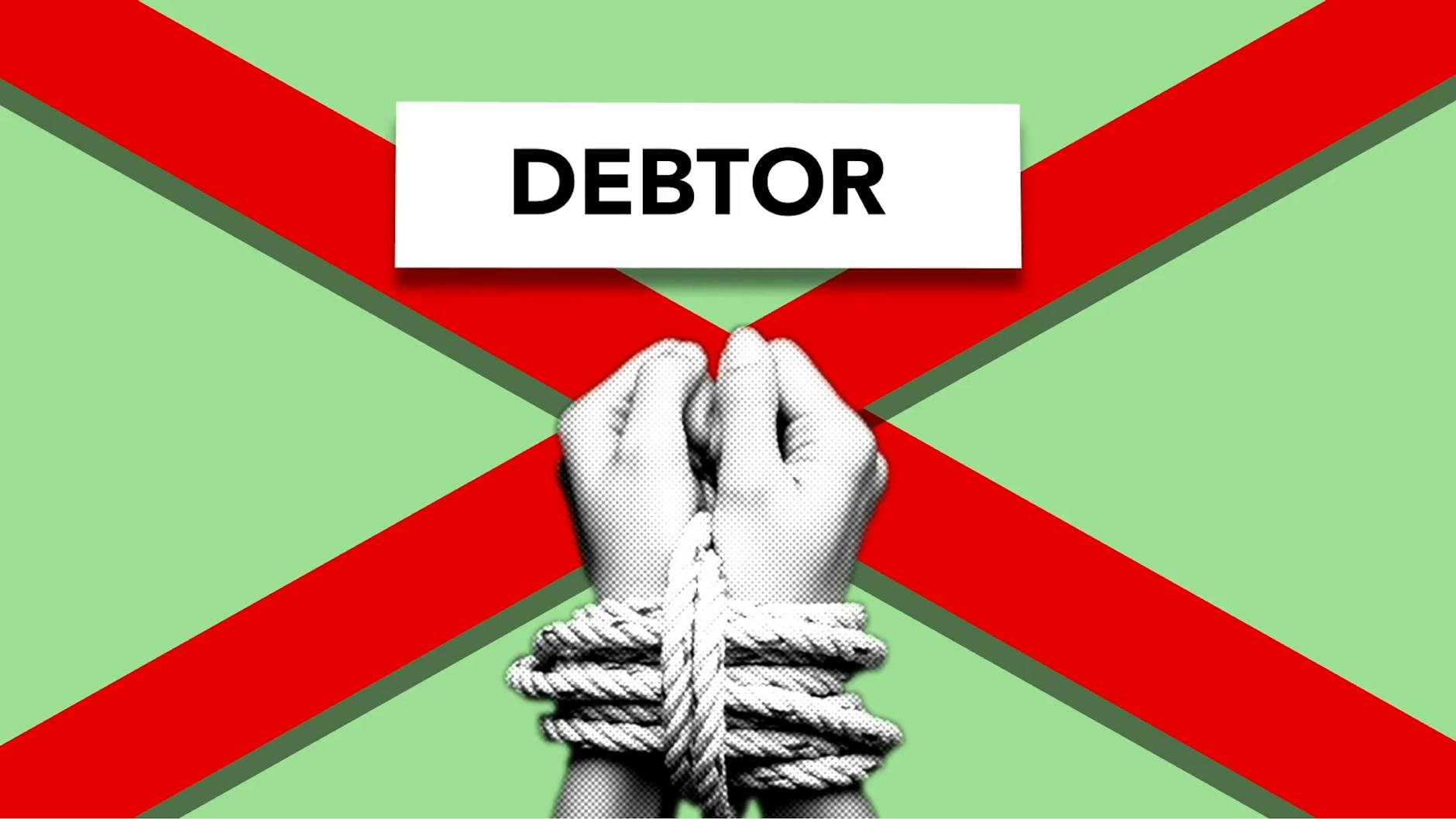
Prison debt is a financial burden that affects individuals upon release from incarceration. This debt is typically incurred through various means, including:
Fees for room and board, medical care, and other services provided while incarcerated. These fees can range from a few hundred to thousands of dollars, depending on the jurisdiction and the individual's circumstances. For example, a 2019 report found that the average debt per incarcerated individual in the US was around $3,000.
Prison debt works as follows: when an individual is released from prison, they are often required to pay off their debt to the corrections facility or county that held them. If they fail to make payments, the debt can be sent to collections, damaging their credit score and making it harder to secure a job or obtain credit in the future. This can create a vicious cycle of debt, making it difficult for individuals to reintegrate into society.
This debt can have long-lasting effects on an individual's financial stability, making it harder for them to access basic necessities like housing and healthcare. According to a study by the Prison Policy Initiative, around 80,000 people are burdened with prison debt each year in the US.
The Roots of Prison Debt in US Correctional System

The US correctional system has a long history of charging inmates for various expenses, including food, medical care, and phone calls. This practice of charging inmates for necessities has led to the accumulation of debt, which often persists long after release from prison. According to a study by the Brennan Center for Justice, over 80% of people in state prisons have been charged for medical care while incarcerated.
Prison debt is often the result of a complex web of fees and charges imposed on inmates. For instance, many prisons charge inmates for things like prison uniforms, cots, and blankets. These fees can add up quickly, leaving inmates with significant debt burdens. In some cases, debt is even imposed for things like court-appointed lawyers and prosecutors.
The practice of charging inmates for necessities has been widely criticized by advocates for prison reform. Critics argue that the practice is unconstitutional and can be particularly harsh on low-income individuals who are already struggling to make ends meet. For example, a study by the National Employment Law Project found that people of color are disproportionately affected by prison debt, with 64% of African American prisoners and 59% of Hispanic prisoners facing debt upon release.
The legacy of prison debt can be long-lasting, with many people struggling to pay off debt years after release. In some cases, debt can even lead to further incarceration, as individuals are accused of failing to pay restitution or fines. As public awareness of the issue grows, advocates are pushing for reforms to address the root causes of prison debt and provide relief to those who have been affected.
Fees and Charges Pile Up Behind Bars and Beyond
Prison debt is a complex issue that affects thousands of individuals in the US. When individuals are incarcerated, they often incur costs associated with their imprisonment, including room and board, medical expenses, and court fees. These costs can add up quickly, leading to significant debt burdens. According to the Brennan Center for Justice, approximately 80,000 people in the US are burdened with prison debt each year.
Once released from prison, individuals may struggle to pay off their debt, which can make it difficult for them to reintegrate into society. Many are forced to pay exorbitant interest rates on their debt, which can exacerbate the problem. Some states have implemented policies to reduce or waive certain fees, but more needs to be done to address the issue.
The fees and charges that contribute to prison debt are varied and can be surprising. For example, some courts charge individuals for the cost of their own public defenders. Others charge fees for things like fingerprinting and document processing. These fees can be hundreds of dollars, which can be a significant burden for individuals who are already struggling to make ends meet. By examining the fees and charges associated with prison debt, policymakers can better understand the root causes of the issue and develop effective solutions.
Consequences of Prison Debt on Individuals and Families
Over 80,000 people in the US are burdened with prison debt each year, a consequence of the complex and often opaque system of debt collection that follows incarceration. The practice of charging prisoners for their own incarceration is a relic of the 19th century, but it remains a widespread practice in many states.
The debt can be accumulated in various ways, including the cost of housing, food, and medical care while in prison, as well as the cost of court-appointed attorneys. According to a report by the American Civil Liberties Union, the average debt is around $3,000, although some individuals owe much more. This can create a cycle of debt that is difficult to escape, even after release.
Prison debt can have severe consequences for individuals and their families. It can lead to wage garnishment, credit score damage, and even denial of benefits like food stamps and housing assistance. The stress and anxiety of debt can also exacerbate mental health problems and make it harder for individuals to reintegrate into society after release.
In some cases, debt collectors are even allowed to pursue prisoners who have been released from prison, often with little notice or recourse. The lack of transparency and oversight in the system makes it difficult to track the true extent of the problem, but it's clear that prison debt is a significant issue that requires addressing.
Reforms and Solutions Emerging to Address Prison Debt Crisis
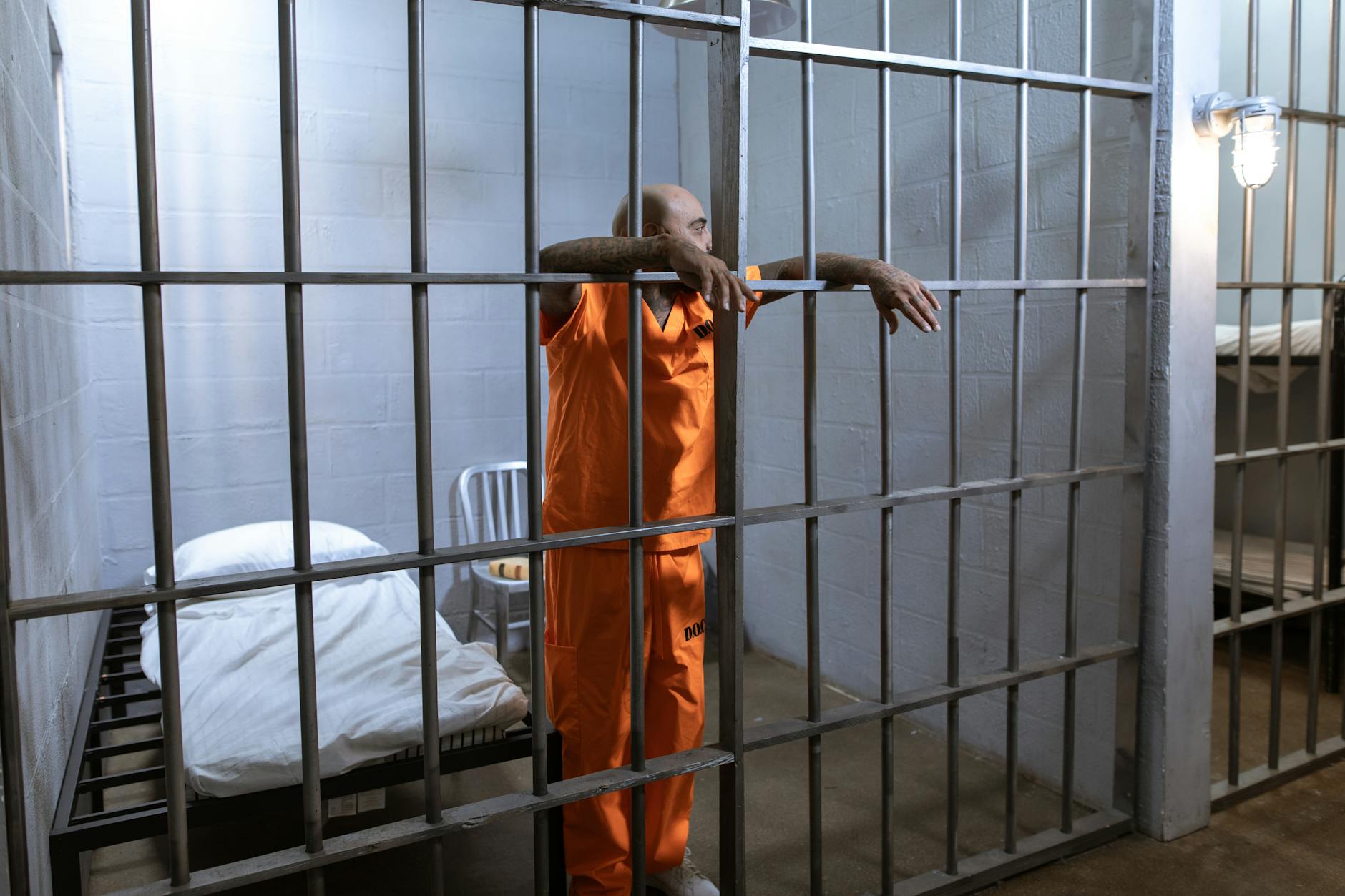
Prison debt is a complex issue in the US that affects thousands of individuals each year. These debts can arise from various sources, including court fees, fines, and restitution payments. The system is designed to penalize individuals who cannot afford to pay these fees, often exacerbating the financial difficulties they face.
According to the Prison Policy Initiative, approximately 1 in 10 released prisoners in the US owe court debt, averaging around $2,000. This debt burden can be a significant obstacle for individuals trying to reintegrate into society.
Reforms and solutions are emerging to address the prison debt crisis. In some jurisdictions, laws are being passed to limit or abolish court fees for indigent defendants. For example, a recent study showed that when court fees were eliminated in one state, the number of people with unpayable court debt decreased by 70%.
The harsh reality of prison debt in the US is that over 80,000 people are burdened with it each year, leaving them with a permanent financial scar long after their release. This staggering number underscores the need for a systemic overhaul of the debt collection process, which often prioritizes financial gain over rehabilitation and reintegration. To mitigate this issue, lawmakers should consider implementing measures that allow individuals to discharge debt incurred during incarceration, much like bankruptcy allows for the forgiveness of other types of debt. By doing so, they can lay the groundwork for a more equitable and compassionate justice system that prioritizes the well-being of its most vulnerable members.
Need this answered for your specific case?
Get a flat-fee consultation with a verified U.S. immigration attorney. Engagement letter on every paid consult.
Related guides
-
Sanctions on Juvenile Offenders Cut Recidivism Rate by 27% in First Year
7 min read · May 13, 2026
-
Federal Court Rules Graduated Sanctions Can Reduce Recidivism by 30% in Prisons
6 min read · May 13, 2026
-
Four-Year Prison Sentence for Man Convicted of 12 Technical Violations of Probation
6 min read · May 11, 2026
This guide provides general legal information and does not create an attorney–client relationship. Information accurate as of July 2026. Always verify current USCIS guidance before acting.