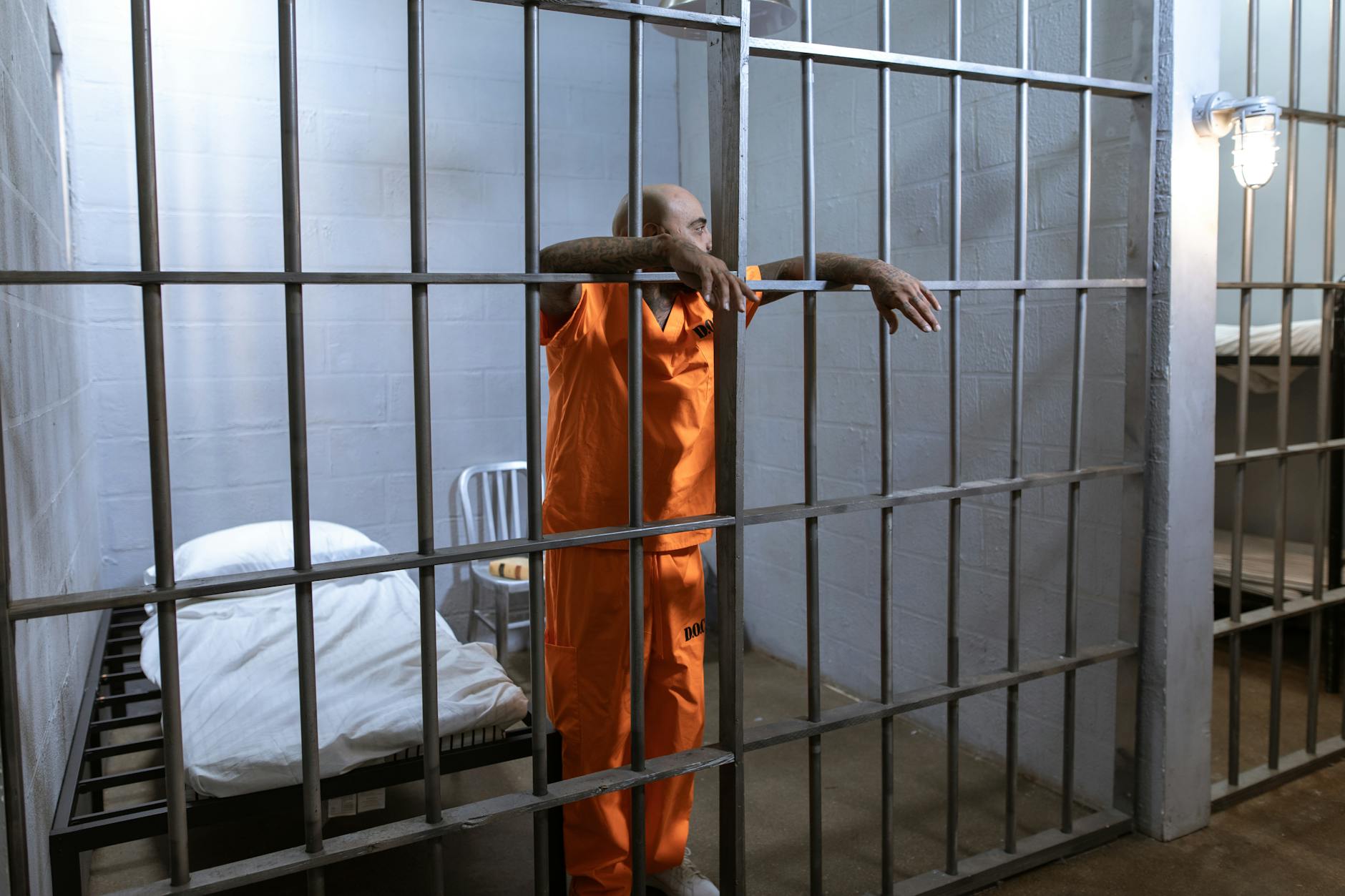
Overcrowding Crisis Hits Prisons, Leaving Behind 1 in 5 Inmates Without Basic Amenities. The stark reality of America's prison system is that one in five inmates is left without access to basic amenities, a stark reflection of the systemic failures that plague the country's correctional facilities.
The crisis of prison overcrowding has become a defining feature of America's justice system, with far-reaching consequences for the lives of those behind bars. How Overcrowding Changes Prison Life is a stark and often brutal process, one that strips inmates of their dignity and basic human rights. The loss of personal space, the lack of access to basic necessities like sanitation and healthcare, and the increased risk of violence and disease are just a few of the many ways in which overcrowding reshapes the daily lives of inmates, leaving them to fight for survival in a system designed to rehabilitate.
Prison Overcrowding: A Growing Concern in the US Justice System
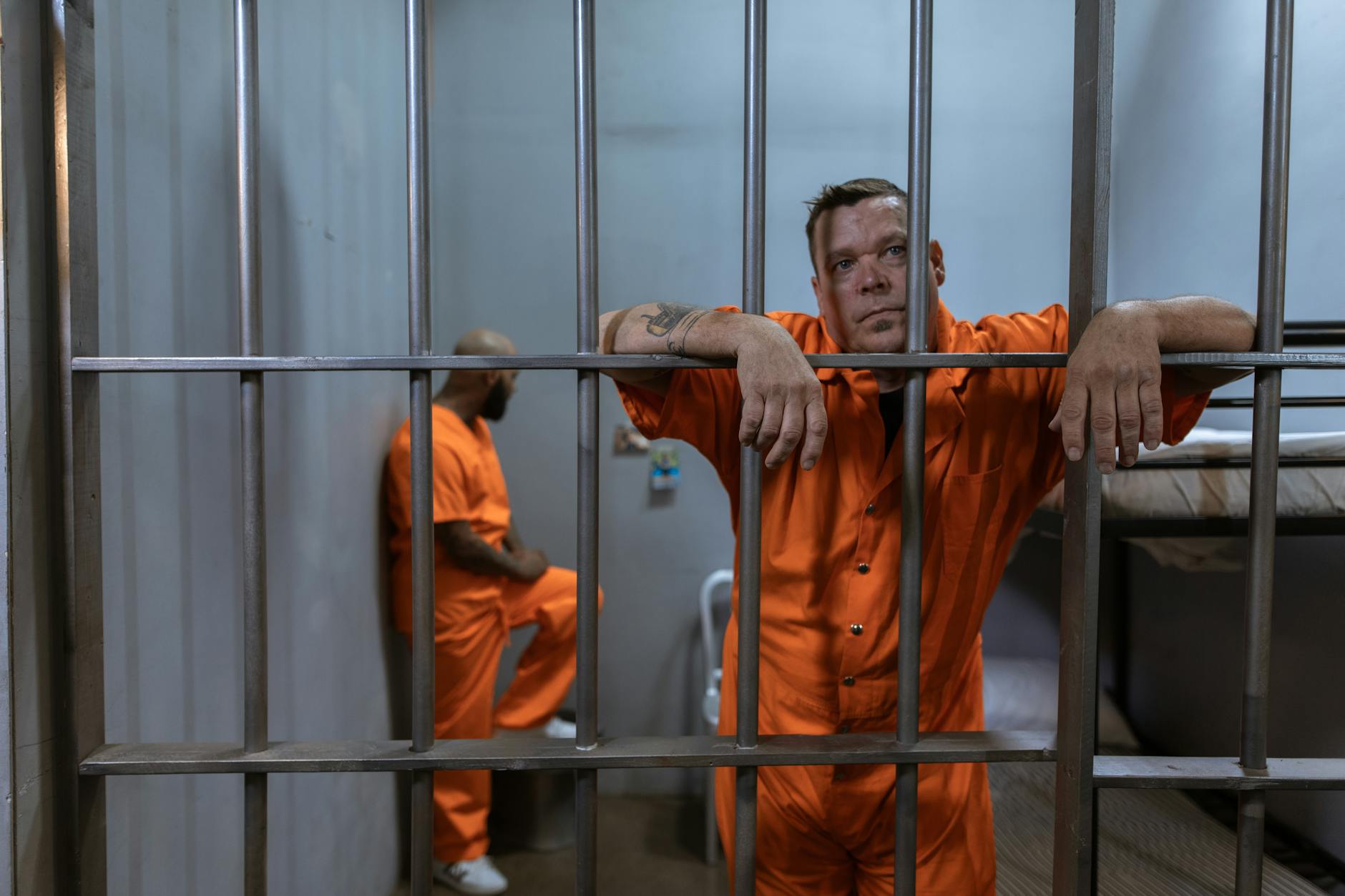
Prison life becomes increasingly challenging when facilities are overcrowded. Cells meant for two inmates often house up to four, forcing prisoners to share cramped and unsanitary living conditions.
Cells are often so cramped that prisoners have limited space to move, let alone stretch out. This lack of space can exacerbate mental health issues like anxiety and depression, which are already prevalent in prison populations. According to the Bureau of Justice Statistics, over 90% of state and federal prisons report overcrowding issues.
Overcrowding also leads to a lack of access to basic amenities, such as showers, toilets, and laundry facilities. Inmates may be forced to wait in line for hours to use these facilities, which can be humiliating and dehumanizing. As a result, inmates may feel like they're living in a state of perpetual crisis, rather than being rehabilitated and prepared for life outside the prison walls.
Life in Overcrowded Cells: Where Space is a Luxury
Prison life is a far cry from the luxury most people enjoy. In overcrowded cells, the absence of basic amenities is a harsh reality for many inmates. One in five prisoners lives in conditions where space is a luxury they can barely afford.
Take, for example, a facility with an occupancy rate of 200%, where prisoners are forced to share rooms with up to 20 others. The chaos and noise are overwhelming, making it difficult for anyone to focus on rehabilitation. Inmates often find themselves competing for limited space and resources, leading to conflicts and stress.
The physical consequences of overcrowding are also severe. With too many prisoners in a confined space, the risk of infectious diseases spreads quickly. According to the World Health Organization, overcrowded prisons are breeding grounds for diseases that can have severe consequences. In some cases, the lack of proper hygiene and sanitation leads to outbreaks of tuberculosis and other life-threatening illnesses.
In the midst of such chaos, rehabilitation and education often take a backseat. Inmates struggle to access basic services like medical care, counseling, and educational programs. As a result, recidivism rates soar, and the cycle of crime continues. The consequences of overcrowding are far-reaching, affecting not just the prisoners but also their families and communities.
Basic Amenities Denied: Inmates Struggle with Harsh Conditions
Overcrowding has turned prisons into breeding grounds for desperation, where basic human needs are constantly compromised. Inmates are forced to live in cramped and unsanitary conditions, with many struggling to access even the most fundamental necessities.
The situation is dire, with an estimated 20% of inmates living without access to basic amenities. This staggering statistic is a stark reminder of the devastating impact of overcrowding on the lives of those imprisoned.
Prisoners often go without adequate sanitation, leading to the spread of diseases that can have long-lasting effects on their health.
Experts warn that the consequences of this neglect can be far-reaching, with many inmates struggling to reintegrate into society after release due to the physical and emotional toll of harsh prison conditions. The lack of basic amenities can also exacerbate existing mental health issues, making it even more challenging for inmates to rebuild their lives after incarceration.
Breaking Point: How Overcrowding Affects Mental Health and Rehabilitation
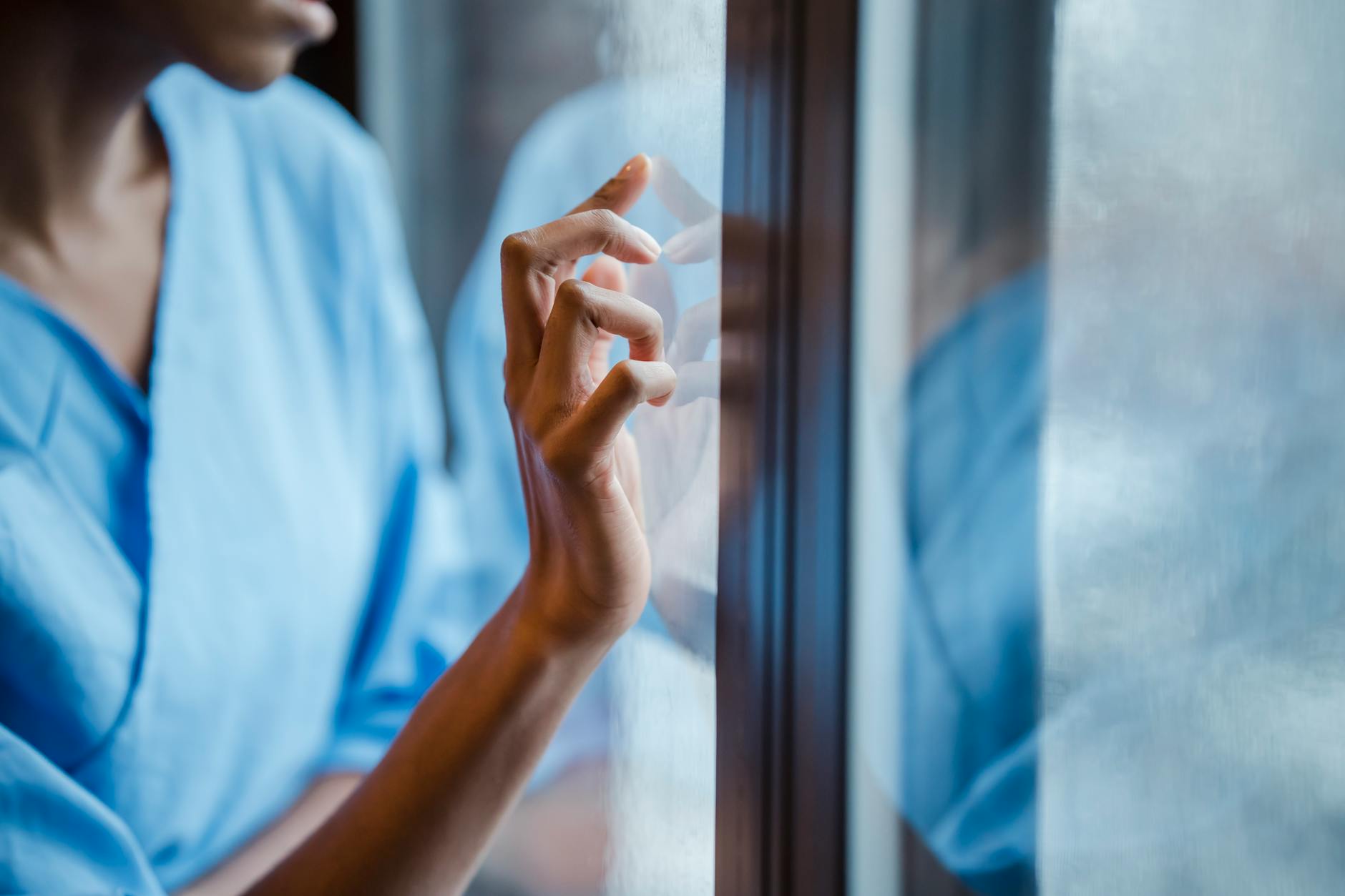
Overcrowding Crisis Hits Prisons, Leaving Behind 1 in 5 Inmates Without Basic Amenities
The dire consequences of prison overcrowding are well-documented, but few explore its devastating impact on the mental health of inmates. Research has shown that 60% of prisoners experience mental health issues, with 20% having a severe condition. Those struggling with mental illness often find themselves without adequate support, exacerbating their condition.
Prisoners are forced to live in cramped conditions, sharing cells with up to three others. The lack of personal space and hygiene facilities contributes to feelings of claustrophobia and anxiety. To make matters worse, the constant noise and disruption from neighboring cells disrupts sleep patterns, further eroding mental well-being.
A study published in the Journal of Correctional Health Care found that overcrowding can lead to decreased access to rehabilitation programs, including counseling and therapy. This can result in inmates returning to society without the skills and support needed to reintegrate successfully, increasing the likelihood of recidivism.
Prison overcrowding is a complex issue, requiring a multifaceted solution. By addressing the root causes of overcrowding and implementing evidence-based rehabilitation programs, policymakers can work towards creating a safer, more supportive environment for inmates to receive the care they need to thrive upon release.
Reform Efforts: Finding Solutions to the Prison Overcrowding Crisis
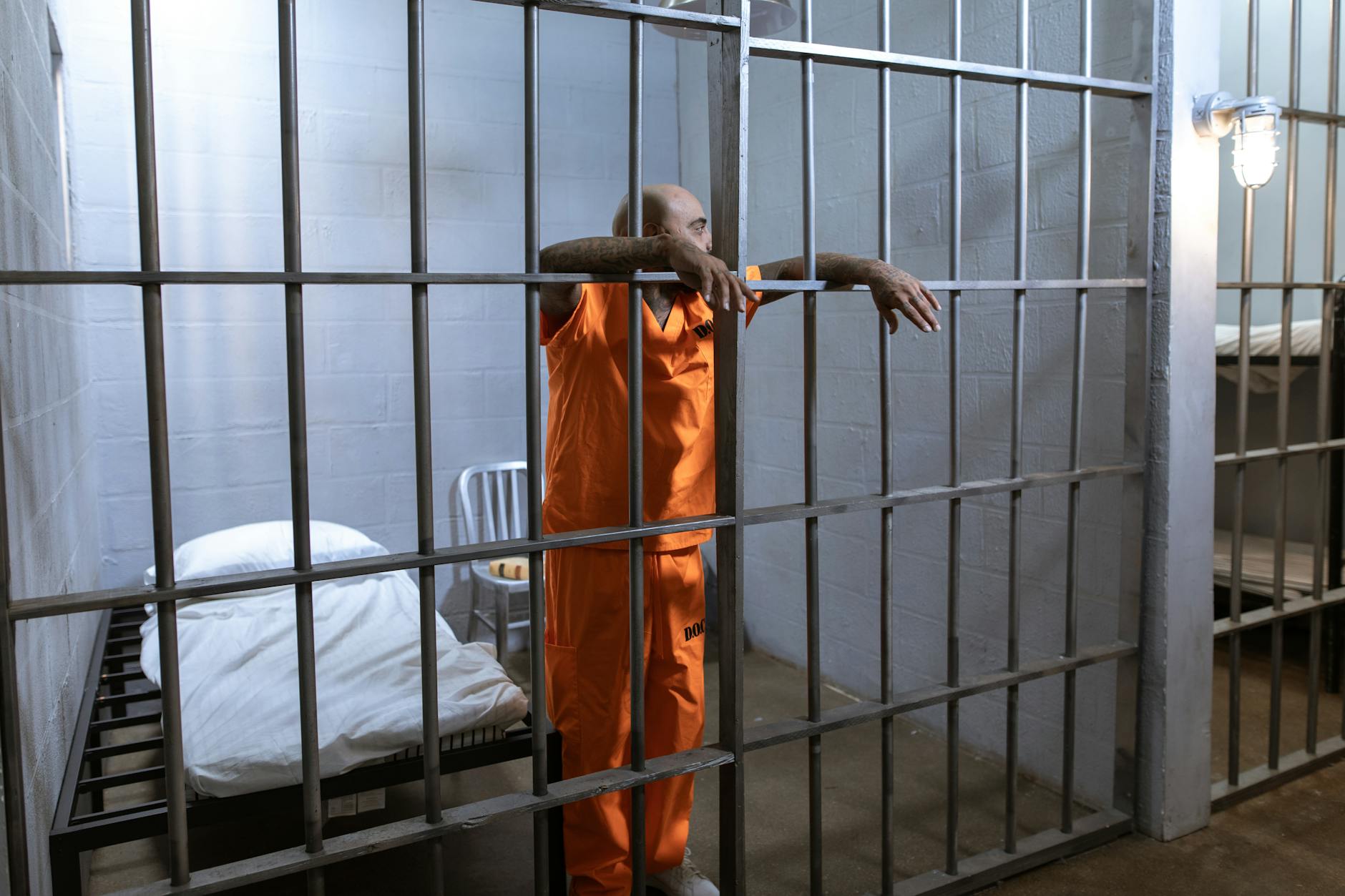
Prison overcrowding is a pressing issue that affects not just the inmates, but also the correctional officers and the broader community.
High levels of overcrowding have been linked to increased violence and mental health problems among inmates, as well as decreased opportunities for rehabilitation and reintegration into society. The American Correctional Association estimates that 75% of prisons in the United States are operating at or above capacity.
The consequences of overcrowding are far-reaching, extending beyond the prison walls to impact the families and communities of those incarcerated.
A common consequence of overcrowding is the lack of basic amenities. Inmates often share cells with multiple roommates, and facilities may not have sufficient space for recreational activities or counseling sessions. This can lead to a breakdown in mental health, as well as increased tensions among inmates.
Need this answered for your specific case?
Get a flat-fee consultation with a verified U.S. immigration attorney. Engagement letter on every paid consult.
Related guides
-
Sanctions on Juvenile Offenders Cut Recidivism Rate by 27% in First Year
7 min read · May 13, 2026
-
Federal Court Rules Graduated Sanctions Can Reduce Recidivism by 30% in Prisons
6 min read · May 13, 2026
-
Four-Year Prison Sentence for Man Convicted of 12 Technical Violations of Probation
6 min read · May 11, 2026
This guide provides general legal information and does not create an attorney–client relationship. Information accurate as of July 2026. Always verify current USCIS guidance before acting.