
Panhandling laws are a patchwork of regulations across the United States, with over 150 municipalities banning the practice. From cities with zero-tolerance policies to those with more lenient approaches, the varying laws have left many wondering what is considered acceptable when it comes to panhandling.
Panhandling is a complex issue that touches on poverty, homelessness, and the rights of individuals to express themselves. As cities grapple with rising homelessness rates, some have turned to stricter laws to deter panhandling, while others have taken a more compassionate approach. The question of whether panhandling is a crime or a symptom of deeper social issues is a contentious one, and one that is explored in Is Panhandling a Crime Myth or Fact.
Panhandling Laws Vary Widely Across Different Municipalities
The laws surrounding panhandling are complex and diverse, with some 150 municipalities prohibiting the practice outright. According to the National Coalition for the Homeless, laws restricting panhandling increased significantly between 2010 and 2015, with 43 states citing some form of ban.
Panhandling laws can be broadly categorized into three types: restrictions on where panhandling can occur, restrictions on how panhandling can occur, and complete bans on the practice. Some cities have implemented "sit-lie" laws, which prohibit individuals from sitting or lying down in public areas. For example, Los Angeles has a city ordinance that prohibits people from sitting or lying on certain public sidewalks.
Cities with stricter panhandling laws often argue that they are necessary to maintain public safety and cleanliness. Critics, however, argue that these laws unfairly target homeless individuals and can exacerbate the problem. The effectiveness of these laws in reducing panhandling is often disputed, with some studies suggesting that they have little to no impact.
Municipal Panhandling Bans on the Rise in Cities Nationwide

Panhandling Laws Vary by City, with Some 150 Municipalities Banning the Practice
Municipal Panhandling Bans on the Rise in Cities Nationwide
Cities across the United States are increasingly implementing bans on panhandling, with over 150 municipalities enforcing some form of prohibition. The trend reflects growing concerns about the impact of panhandling on public safety and disorderly conduct. Panhandling ordinances often limit where and when individuals can solicit donations, aiming to prevent disruptions in busy areas.
According to a study by the National Coalition for the Homeless, an estimated 20% of panhandlers are homeless veterans. This demographic is particularly vulnerable to the systemic issues driving homelessness, including poverty, lack of affordable housing, and limited access to mental health services. As cities grapple with panhandling laws, they must also address the root causes of homelessness.
Critics argue that panhandling bans are ineffective and infringe on individuals' right to freedom of expression. They point out that panhandling can be a necessary means of survival for those struggling to make ends meet. Amidst the debate, cities are finding varying approaches to address panhandling, from outreach programs to increased funding for social services.
Consequences of Panhandling Laws on Homeless Individuals Vary
Panhandling Laws Vary by City, with Some 150 Municipalities Banning the Practice
Panhandling, often seen as a last resort for individuals struggling financially, is a contentious issue. According to the National Coalition for the Homeless, over 3.5 million Americans experience homelessness annually, with many turning to panhandling as a means of survival.
Cities have responded to panhandling with varying degrees of legislation, with some completely banning the practice. Approximately 150 municipalities have implemented such laws, while others have established designated areas where panhandling is allowed. This disparity has sparked debate over the effectiveness of these laws in addressing homelessness.
Researchers have found that laws targeting panhandling often result in a displacement of homeless individuals to other areas, rather than a reduction in their numbers. This shift can lead to increased tensions between law enforcement and homeless populations, exacerbating the problem.
Cities Weigh Options for Regulating Panhandling Activities Effectively

Cities Weigh Options for Regulating Panhandling Activities Effectively
Cities across the United States are grappling with the complex issue of panhandling, with some municipalities opting to ban the practice entirely. A survey conducted by the National League of Cities found that nearly 17% of cities with populations over 100,000 have banned panhandling, with many more considering similar measures.
The effectiveness of panhandling bans is a topic of debate, with some arguing that they drive the activity underground, making it more difficult to track and address the root causes of homelessness. Others contend that bans can help to improve public safety and reduce the disruption caused by panhandling. The city of Los Angeles, for example, has implemented a strict panhandling ban, with fines of up to $1,000 for violators.
At least 150 municipalities have banned panhandling, with many more considering similar measures. The trend is driven in part by concerns about public safety and the impact of panhandling on local businesses. However, critics argue that bans can perpetuate a cycle of homelessness by denying individuals access to essential services and support.
A growing number of cities are exploring alternative approaches to addressing panhandling, including providing accessible public restrooms, increasing social services, and implementing programs to help individuals find stable housing. By taking a more comprehensive and supportive approach, cities may be able to reduce the need for panhandling and improve the overall well-being of their most vulnerable residents.
Looking Ahead to Potential Changes in Panhandling Laws and Regulations
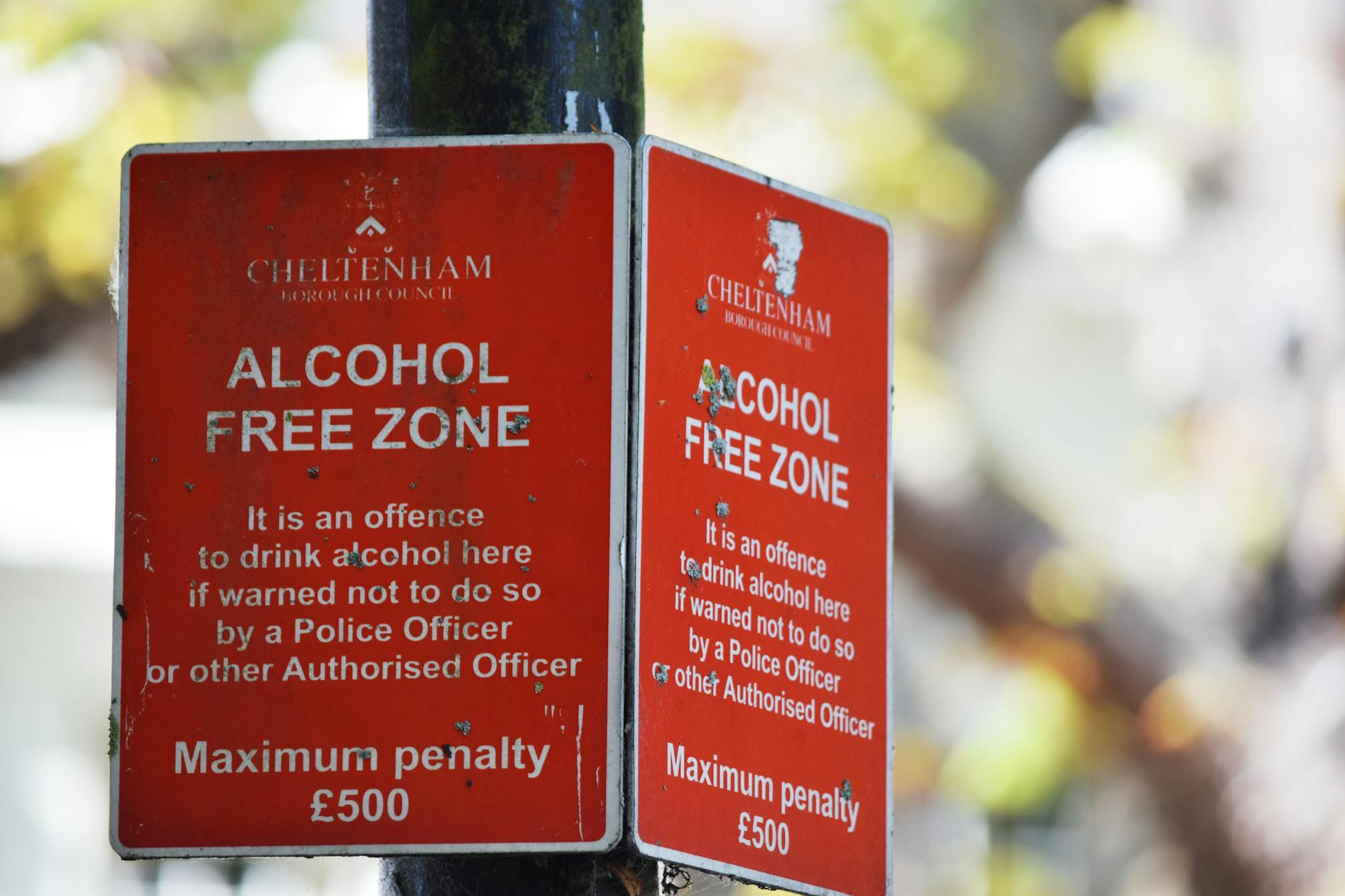
Many cities are reconsidering their panhandling laws, with some lawmakers seeking to fine-tune regulations and others considering total bans. A growing number of municipalities are weighing the balance between protecting the rights of individuals in need and maintaining public order.
Some jurisdictions have implemented targeted measures, such as restricting solicitations in high-traffic areas or designating specific zones for panhandling. These initiatives aim to mitigate the impact of panhandling on local businesses and residents while still allowing individuals to seek help when needed. According to the National Coalition for the Homeless, nearly 40% of people experiencing homelessness have reported being asked to leave a public place due to panhandling.
Critics of panhandling bans argue that they can push individuals further into the shadows, making it more difficult for them to access essential services. As cities continue to grapple with this complex issue, some are exploring alternative approaches, such as providing mobile health services, job training programs, and affordable housing options. These innovative solutions aim to address the root causes of homelessness and panhandling.
As the widespread implementation of panhandling bans in over 150 municipalities across the United States reveals, panhandling is increasingly viewed as a crime rather than a necessary act of survival. The shift in perception has significant implications for individuals who rely on panhandling as a means of support, often leaving them vulnerable to arrest and prosecution.
In light of these findings, it's essential that policymakers and community leaders acknowledge the complex social and economic factors driving panhandling, rather than solely relying on punitive measures. By doing so, they can develop more effective and compassionate solutions that address the root causes of poverty and homelessness, ultimately reducing the need for panhandling altogether. As the national conversation around panhandling continues to evolve, it's likely that a more nuanced approach will emerge, prioritizing the well-being and dignity of all individuals.
Need this answered for your specific case?
Get a flat-fee consultation with a verified U.S. immigration attorney. Engagement letter on every paid consult.
Related guides
-
Crime Statistics Debunked: Separating Fact from Fiction in 10 Common Misconceptions
6 min read · Apr 12, 2026
-
One in Five Small Businesses Hit with Cybercrime Every Year, Statistics Reveal
5 min read · Apr 12, 2026
-
More Than 2 Million Americans Fall Victim to Fraud Every Year
6 min read · Apr 12, 2026
This guide provides general legal information and does not create an attorney–client relationship. Information accurate as of July 2026. Always verify current USCIS guidance before acting.