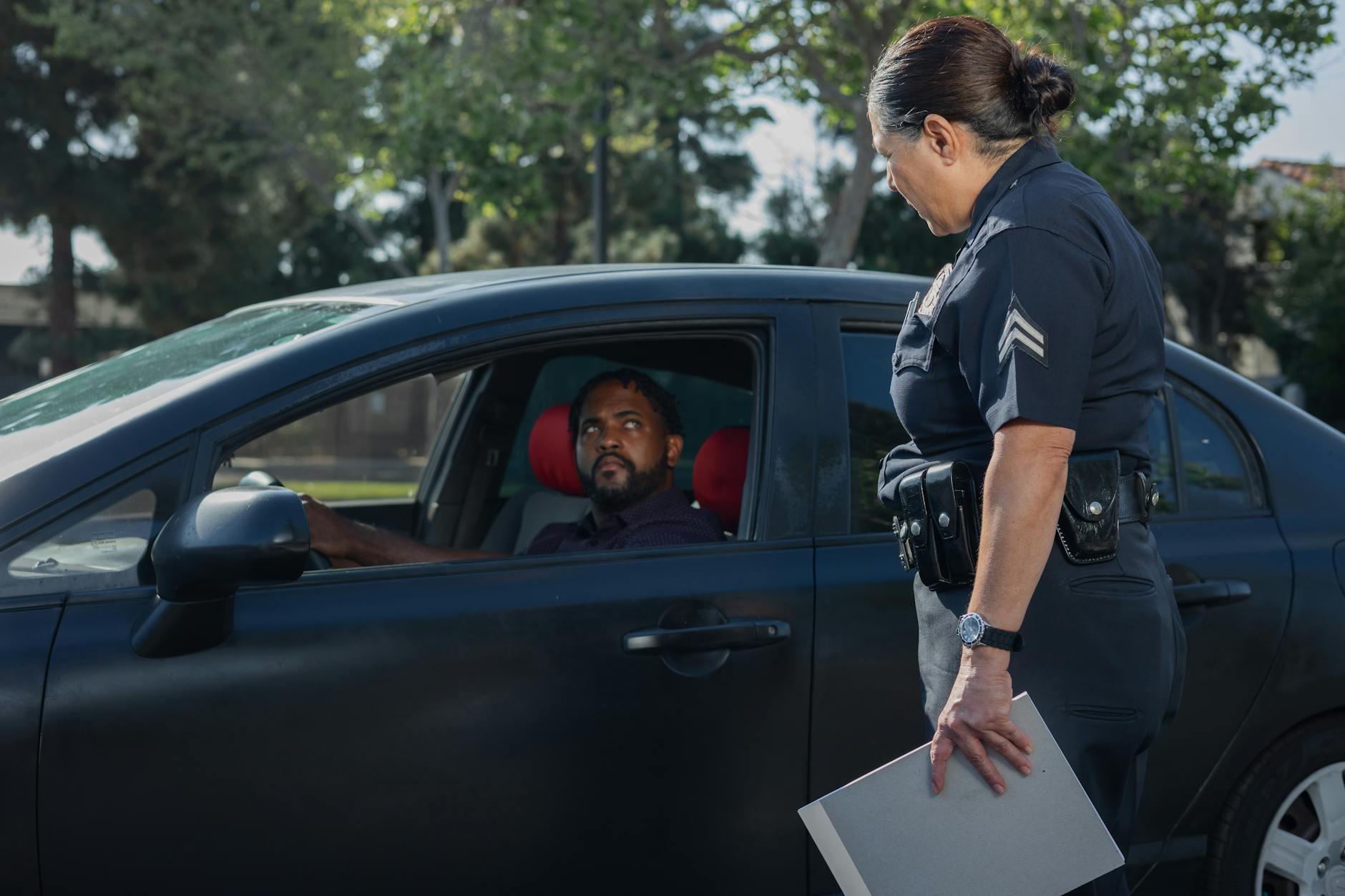
One in five parolees in the United States who violate their probation is sent back to prison after just three years on the outside. This stark reality is a harsh reminder of the consequences of failing to comply with the terms of parole. The numbers are staggering, with thousands of individuals each year facing the daunting prospect of returning to a life behind bars.
For those who have been granted parole, the prospect of violating its conditions can be daunting. What happens if you violate parole? The answer is a return to the harsh realities of life in prison. A revoked parole can be a devastating blow to an individual's life, separating them from loved ones, disrupting careers, and destroying any sense of stability. When a parolee fails to meet the requirements of their release, the consequences can be severe, and the path back to freedom much longer than initially anticipated.
Parole System Designed to Promote Rehabilitation and Public Safety
The parole system is designed to promote rehabilitation and public safety by providing individuals with a structured environment to reintegrate into society. The goal is to help parolees successfully transition back into their communities without compromising public safety.
For parolees who struggle to comply with the terms of their parole, the consequences can be severe. According to the Bureau of Justice Statistics, nearly 22% of parole violators are returned to prison within three years of being released. This statistic highlights the need for effective rehabilitation programs and support services.
When a parolee is returned to prison for violating their parole, the process is typically initiated by law enforcement or a parole officer. The parolee is then brought before a hearing officer or a judge, who determines the severity of the violation and the appropriate course of action. In some cases, the parolee may be subject to additional penalties, such as extended incarceration or loss of privileges.
In cases where the parole violation is minor, the parolee may be given a second chance to correct their behavior and continue on their path towards rehabilitation. This approach is often seen as a more effective way to promote public safety and reduce recidivism rates.
Consequences of Parole Violation: A Look at the Legal Process
When a parolee violates the terms of their release, the consequences can be severe. The person's fate is sealed, and they risk being sent back to prison. According to the Bureau of Justice Statistics, nearly 1 in 5 parole violators are reincarcerated within 3 years. This stark reality highlights the importance of adhering to parole conditions.
The parole revocation process typically begins with a hearing, where the parolee is given the opportunity to explain their actions. During this hearing, the prosecution presents evidence of the violation, and the parolee's defense attorney presents mitigating circumstances. The presiding judge then makes a decision based on the evidence presented.
The parole revocation process is not a simple matter of being sent back to prison. It involves a thorough review of the parolee's case, including their compliance with the terms of their release and the severity of the violation. The ultimate goal of this process is to determine whether the parolee can be safely returned to the community or whether they pose a risk to public safety. In some cases, the parolee may be required to serve additional time in prison.
Reintegration Challenges Faced by Offenders After Release
Approximately 20% of parolees in the United States are sent back to prison each year for violating the terms of their release. This figure highlights the difficulties many offenders face in reintegrating into society after serving their initial sentence.
According to experts, successful reintegration is often hindered by a lack of access to essential resources, including employment opportunities, housing, and mental health services. Many parolees struggle to find stable employment, with some estimates suggesting that as many as 60% are unemployed within the first year of release.
Parolees who have difficulty finding employment often turn to informal means of making a living, such as selling goods on the street or engaging in other illicit activities. This can lead to further involvement with the criminal justice system and increased likelihood of reincarceration.
Reintegrating into society can also be challenging due to the stigma associated with a criminal record. Many parolees face significant barriers to accessing basic services, including education, healthcare, and housing, due to their criminal history.
Impact on Crime Rates and Community Sentiment After Parole Revocation
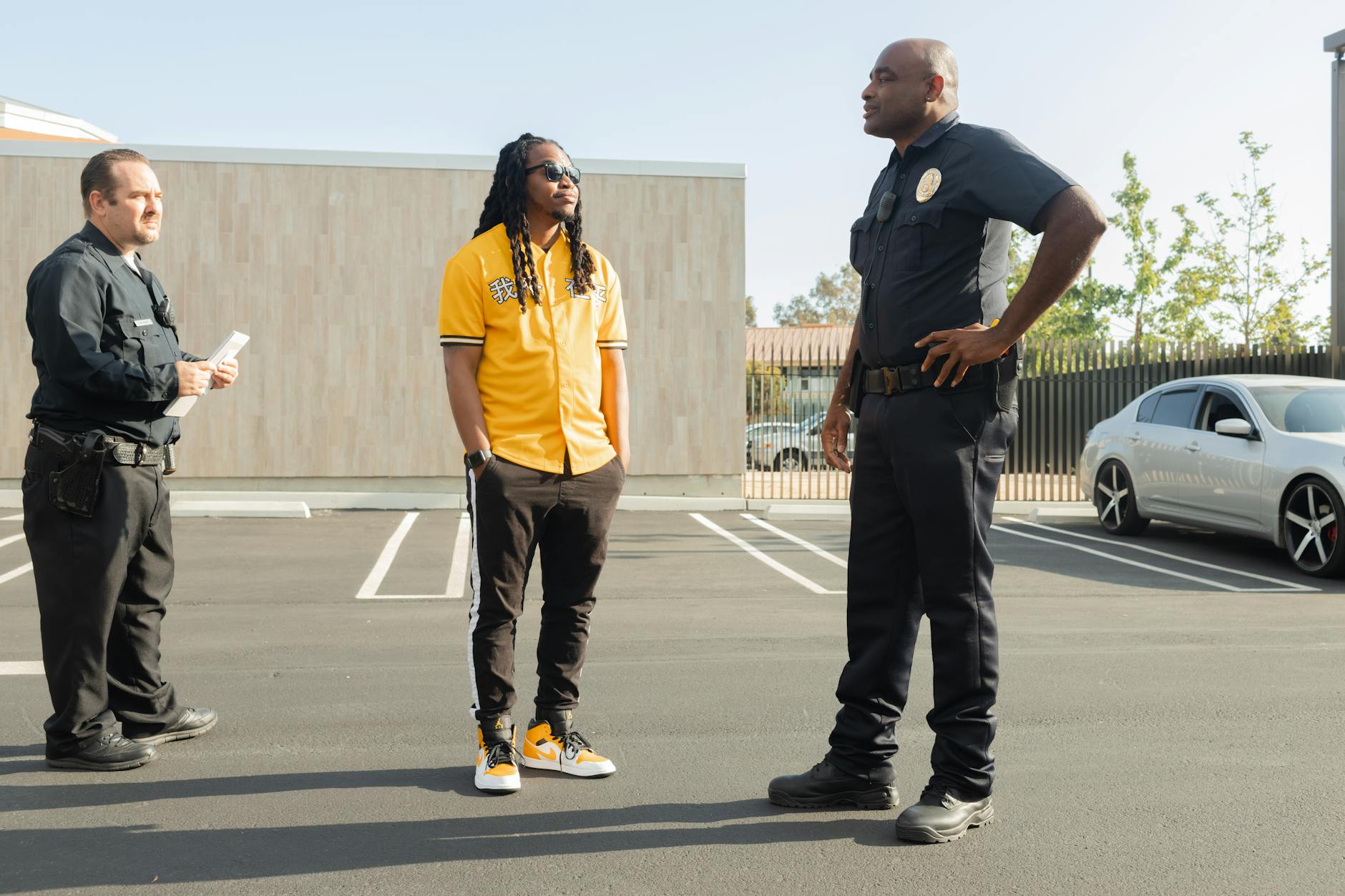
When parole is revoked, the consequences are severe and far-reaching. Parolees who violate the terms of their release are sent back to prison, with 1 in 5 violators facing this fate after just three years.
The impact of parole revocation on crime rates is a topic of ongoing debate. According to the Bureau of Justice Statistics, the recidivism rate for parolees is around 40%, with many of these individuals committing new crimes while on parole. As a result, the public perceives parole as a failed system, with many arguing that it does little to rehabilitate offenders.
Parole revocation also has a significant impact on community sentiment. Neighborhoods where parolees live can experience increased crime and disorder, eroding trust in the justice system and making it more difficult for law enforcement to maintain order.
Life After Revocation: Challenges and Opportunities for Recidivism Reduction
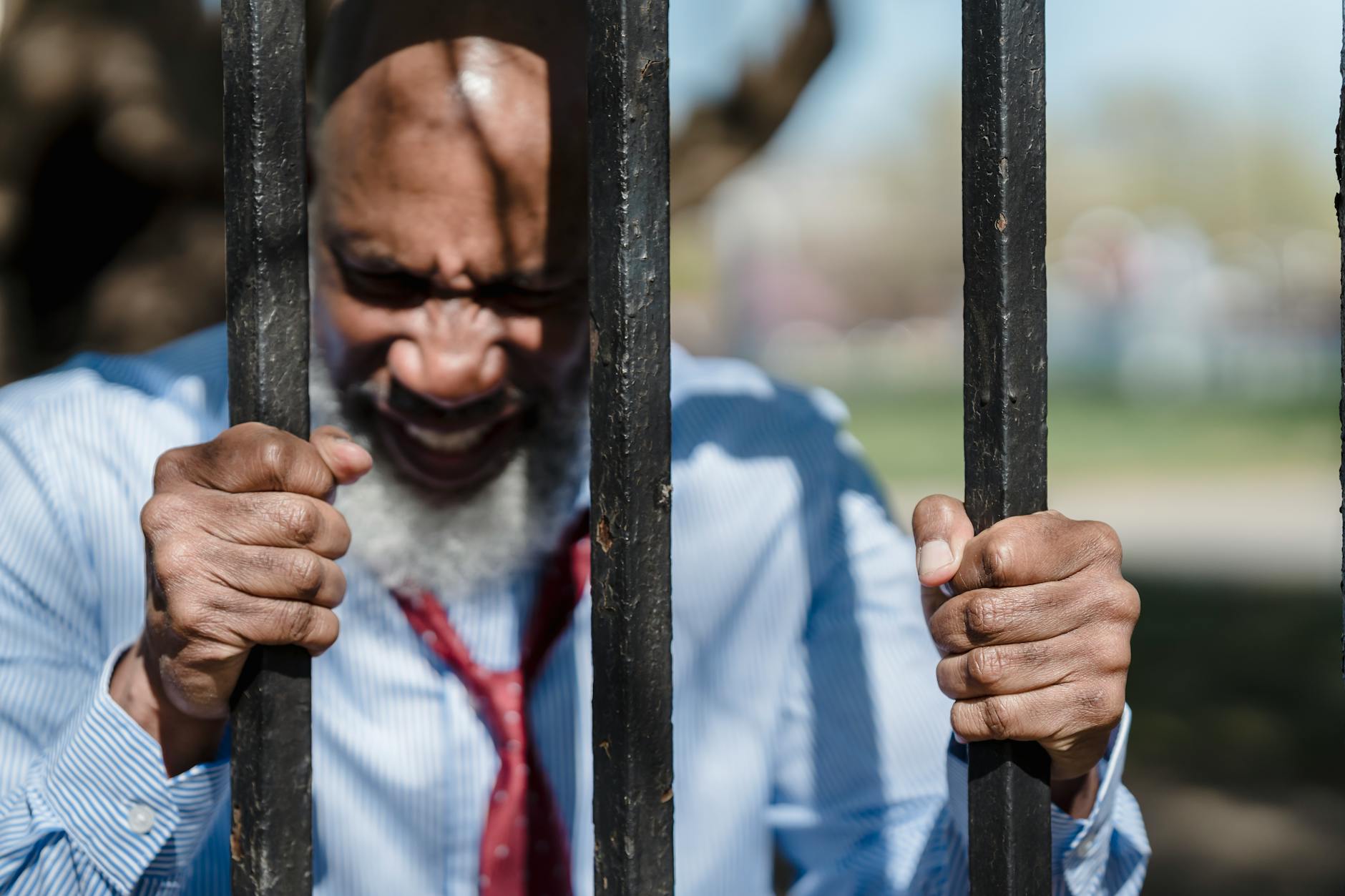
Parolees who violate their terms face severe consequences, including revocation and re-incarceration. A study found that 1 in 5 parole violators are sent back to prison after three years, highlighting the challenges they face in reintegrating into society.
Revocation can have a devastating impact on an individual's life. For instance, a parolee who is revoked may lose their job, housing, and social support network, making it difficult to reintegrate upon release. According to the Bureau of Justice Statistics, 72% of parolees who are re-incarcerated return to prison within two years of release. This cycle of recidivism is often attributed to the lack of support and resources available to parolees upon release.
Life after revocation can be particularly challenging for those who struggle with addiction or mental health issues. Parolees may need to navigate a complex system of social services, which can be time-consuming and bureaucratic. However, this also presents an opportunity for reform, as states can implement more effective parole systems that focus on rehabilitation and reintegration.
Reform efforts are underway, with some states adopting more holistic approaches to parole, including providing counseling and job training to help individuals navigate the transition from prison to community.
The parole system's revolving door is starkly evident in the alarming statistic that one in five parolees is sent back to prison after just three years of freedom. The harsh reality is that violating parole can lead to devastating consequences, stripping individuals of their second chance and plunging them further into a vicious cycle of crime and incarceration. As lawmakers and policymakers grapple with the complexities of the parole system, it is imperative that they prioritize support services and rehabilitation programs that can help parolees successfully reintegrate into society.
Need this answered for your specific case?
Get a flat-fee consultation with a verified U.S. immigration attorney. Engagement letter on every paid consult.
Related guides
-
Sanctions on Juvenile Offenders Cut Recidivism Rate by 27% in First Year
7 min read · May 13, 2026
-
Federal Court Rules Graduated Sanctions Can Reduce Recidivism by 30% in Prisons
6 min read · May 13, 2026
-
Four-Year Prison Sentence for Man Convicted of 12 Technical Violations of Probation
6 min read · May 11, 2026
This guide provides general legal information and does not create an attorney–client relationship. Information accurate as of July 2026. Always verify current USCIS guidance before acting.