
Parolees Must Comply with 5 Key Conditions to Regain Freedom Within 2 Years
More than 750,000 individuals are currently on parole in the United States, with the majority serving sentences for non-violent crimes. While parole can be a crucial step towards rehabilitation and reintegrating into society, it comes with strict conditions that must be met. Parolees must comply with these conditions to regain their freedom within a relatively short period of two years. The process of navigating these conditions can be daunting, but understanding the key requirements can help individuals stay on track.
For those unfamiliar with the parole system, Common Parole Conditions Explained is a valuable resource that breaks down the requirements into manageable sections. This article will delve into the five key conditions that parolees must adhere to, providing clarity and insight into the process. By understanding these conditions and staying informed, parolees can increase their chances of successfully completing their parole and regaining their freedom within the designated time frame.
Understanding Parole in the US Justice System

Parolees Must Comply with 5 Key Conditions to Regain Freedom Within 2 Years
Understanding Parole in the US Justice System
Parole is a form of early release from prison that allows offenders to serve the remainder of their sentence in the community under supervision. According to the Bureau of Justice Statistics, over 900,000 people are currently on parole in the United States. The primary goal of parole is to reintegrate the offender into society while ensuring public safety.
To regain freedom within two years, parolees must comply with five key conditions: regular reporting to a parole officer, maintaining a stable residence and employment, adhering to a curfew, refraining from substance abuse, and participating in treatment programs for any underlying issues such as mental health or addiction. These conditions are designed to promote positive behavior and prevent recidivism.
Maintaining a stable residence and employment is crucial for successful reintegration. Parolees are required to provide their parole officer with proof of steady income and a secure living arrangement. They must also demonstrate a commitment to their job or education, which can include volunteering or participating in vocational training.
Meeting Basic Needs: Residency and Employment Requirements
Parolees Must Comply with 5 Key Conditions to Regain Freedom Within 2 Years
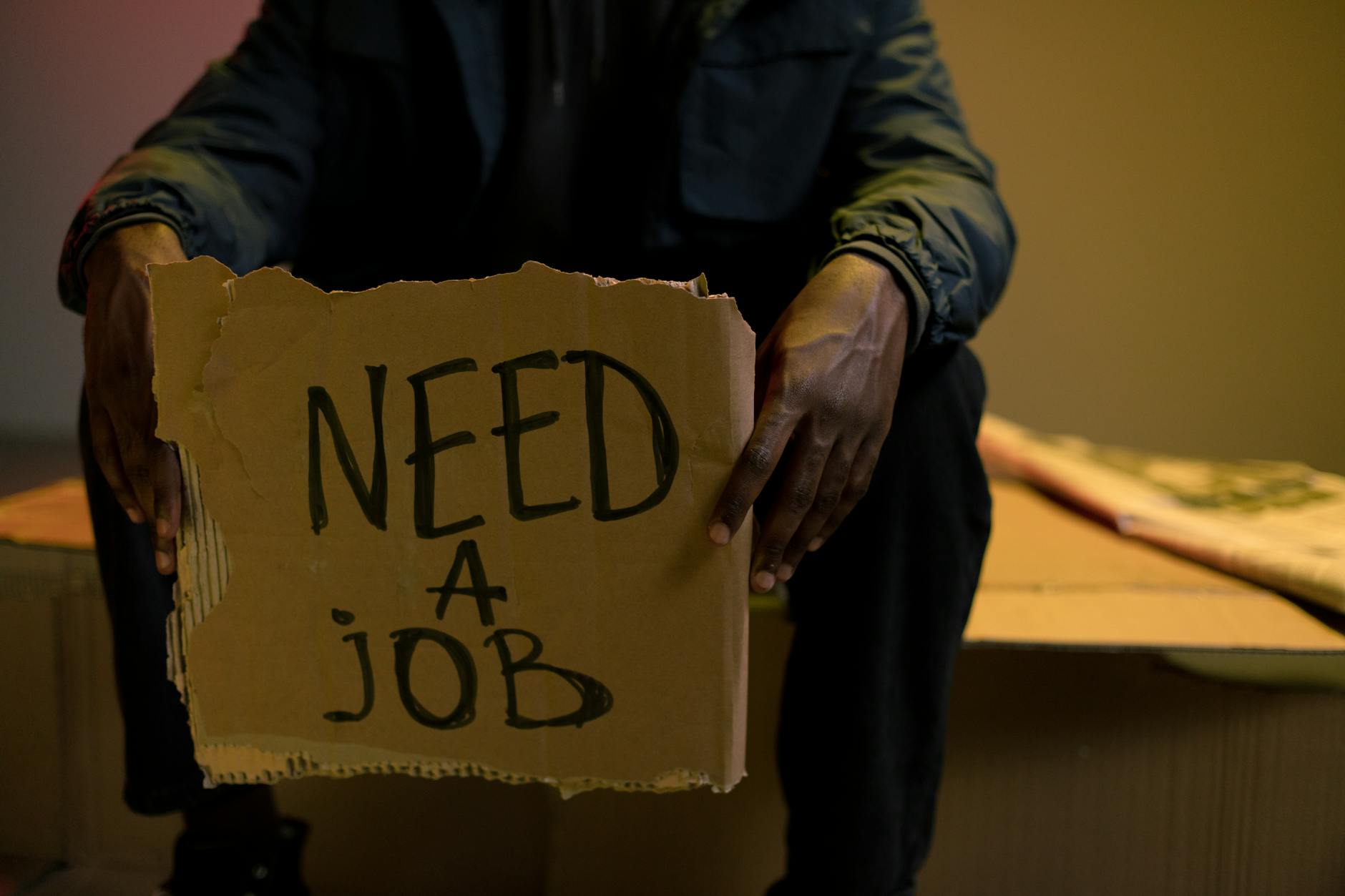
To regain freedom within two years, parolees must first meet basic needs by establishing residency and securing employment. According to the Bureau of Justice Statistics, approximately 75% of parolees are rearrested within five years of release, often due to failure to comply with these fundamental conditions.
Establishing a stable residence is crucial for successful reintegration into society. Parolees are typically required to find a place to live within a specified timeframe, often 30 days, and provide proof of residency to their parole officer. This helps ensure that the individual has a safe and secure environment to rebuild their life.
A steady income is also essential for maintaining a stable residence and supporting oneself. Parolees are expected to secure employment within a set timeframe, usually 60 days, and provide proof of income to their parole officer. This demonstrates their ability to contribute to society and support themselves without relying on others.
Meeting these basic needs not only helps parolees regain their freedom but also increases their chances of successful reintegration into society. By establishing a stable residence and securing employment, individuals can begin to rebuild their lives and become productive members of their communities.
Living a Law-Abiding Life: Conditions for Behavior and Associations

Parolees Must Comply with 5 Key Conditions to Regain Freedom Within 2 Years
Living a law-abiding life is crucial for parolees to regain their freedom within two years. Research has shown that about 70% of parolees who successfully complete their supervision terms are less likely to reoffend. To achieve this, parolees must adhere to specific conditions set by the authorities.
The first condition requires parolees to maintain a stable residence. This means they must have a fixed address and provide updates on their living situation to their parole officer. They must also ensure that their living arrangements are suitable for their needs and do not pose a risk to themselves or others.
To gain trust, parolees must also demonstrate good behavior. This includes respecting the law, attending appointments, and participating in counseling sessions. Parolees who exhibit such behavior are more likely to have their parole revoked early, giving them a chance to reintegrate into society sooner.
A key condition for parolees is to abstain from illicit activities. This includes avoiding substance abuse, refraining from associating with known criminals, and not engaging in any behavior that could be perceived as suspicious. Parolees who fail to meet these conditions risk being sent back to prison, which can have long-lasting consequences for their rehabilitation and reintegration.
Maintaining a Steady Income: Work and Financial Obligations

Parolees are required to maintain a steady income as a condition of their parole. This is to ensure they can meet their financial obligations and become self-sufficient. To achieve this, they are often encouraged to seek employment, vocational training, or even start their own businesses.
According to a study by the Bureau of Justice Statistics, approximately 70% of parolees who find stable employment within the first year of release are less likely to reoffend. This statistic highlights the significance of employment in the parole process. Parolees are also required to report any changes in their employment status to their parole officer.
Maintaining a steady income also means paying taxes on time and meeting other financial obligations. Parolees are not exempt from paying taxes and are expected to file their tax returns on schedule. Failure to do so may result in penalties and fines.
Parolees are also expected to meet regular check-ins with their parole officer to discuss their employment, finances, and any other relevant issues. These meetings help parole officers monitor compliance and provide support when needed.
Staying on Track: Regular Check-Ins and Progress Reports

Parolees are expected to maintain regular contact with their parole officers to ensure compliance with the conditions of their release. This includes submitting to random urine tests and home searches to verify adherence to the rules. Parole officers typically conduct regular check-ins, either in-person or via phone, to discuss progress and address any concerns.
The frequency of check-ins varies depending on the individual's circumstances and risk level. However, research suggests that regular supervision can significantly reduce recidivism rates. According to a study by the Bureau of Justice Assistance, parolees who participate in regular check-ins are 30% less likely to reoffend.
During these check-ins, parolees are required to provide detailed progress reports, which include updates on their employment status, living arrangements, and any involvement with law enforcement. These reports serve as a crucial tool for parole officers to assess compliance and make informed decisions about the individual's progress.
Parolees must adhere to five critical conditions to regain their freedom within two years, outlining a clear path to rehabilitation and reintroduction into society. By understanding and complying with these conditions, individuals can overcome past mistakes and rebuild their lives.
To successfully navigate the parole system, parolees must be proactive in maintaining regular communication with their parole officer, submitting to random drug testing, and participating in counseling and job training programs. This commitment to accountability and self-improvement is essential for achieving the desired outcome of a successful parole term. By prioritizing these conditions, parolees can increase their chances of a successful reintegration into their communities and a brighter future.
Need this answered for your specific case?
Get a flat-fee consultation with a verified U.S. immigration attorney. Engagement letter on every paid consult.
Related guides
-
Sanctions on Juvenile Offenders Cut Recidivism Rate by 27% in First Year
7 min read · May 13, 2026
-
Federal Court Rules Graduated Sanctions Can Reduce Recidivism by 30% in Prisons
6 min read · May 13, 2026
-
Four-Year Prison Sentence for Man Convicted of 12 Technical Violations of Probation
6 min read · May 11, 2026
This guide provides general legal information and does not create an attorney–client relationship. Information accurate as of July 2026. Always verify current USCIS guidance before acting.