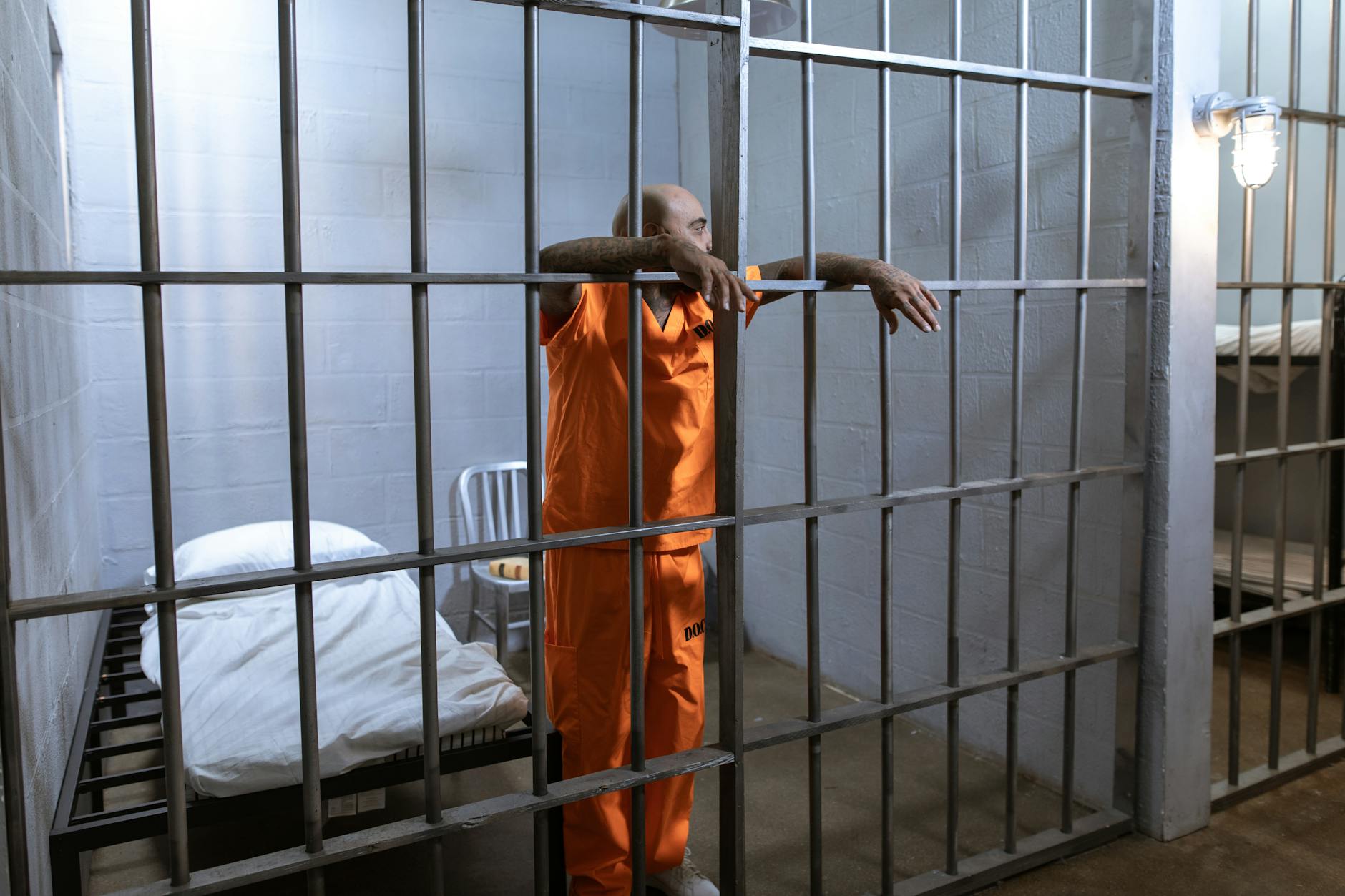
Pennsylvania Prison Assaults Reach Record High of 1,200 in 2022, sparking concerns about the safety and well-being of inmates and correctional officers. The alarming number of assaults underscores the pressing need to address the root causes of violence behind bars. With over 1,200 reported incidents in 2022, Pennsylvania has seen a significant spike in prison assaults, making it essential to examine the complexities of this issue.
Prison assault refers to any intentional act of violence or intimidation directed towards another individual within a correctional facility. These incidents can range from physical altercations to verbal threats and even the use of weapons. The penalties for prison assault can be severe, including disciplinary action, fines, and even criminal charges. As policymakers and corrections officials work to stem the tide of violence in Pennsylvania's prisons, understanding the nature of prison assault and its consequences is crucial for developing effective solutions.
Prison Assaults: A Growing Concern in Correctional Facilities
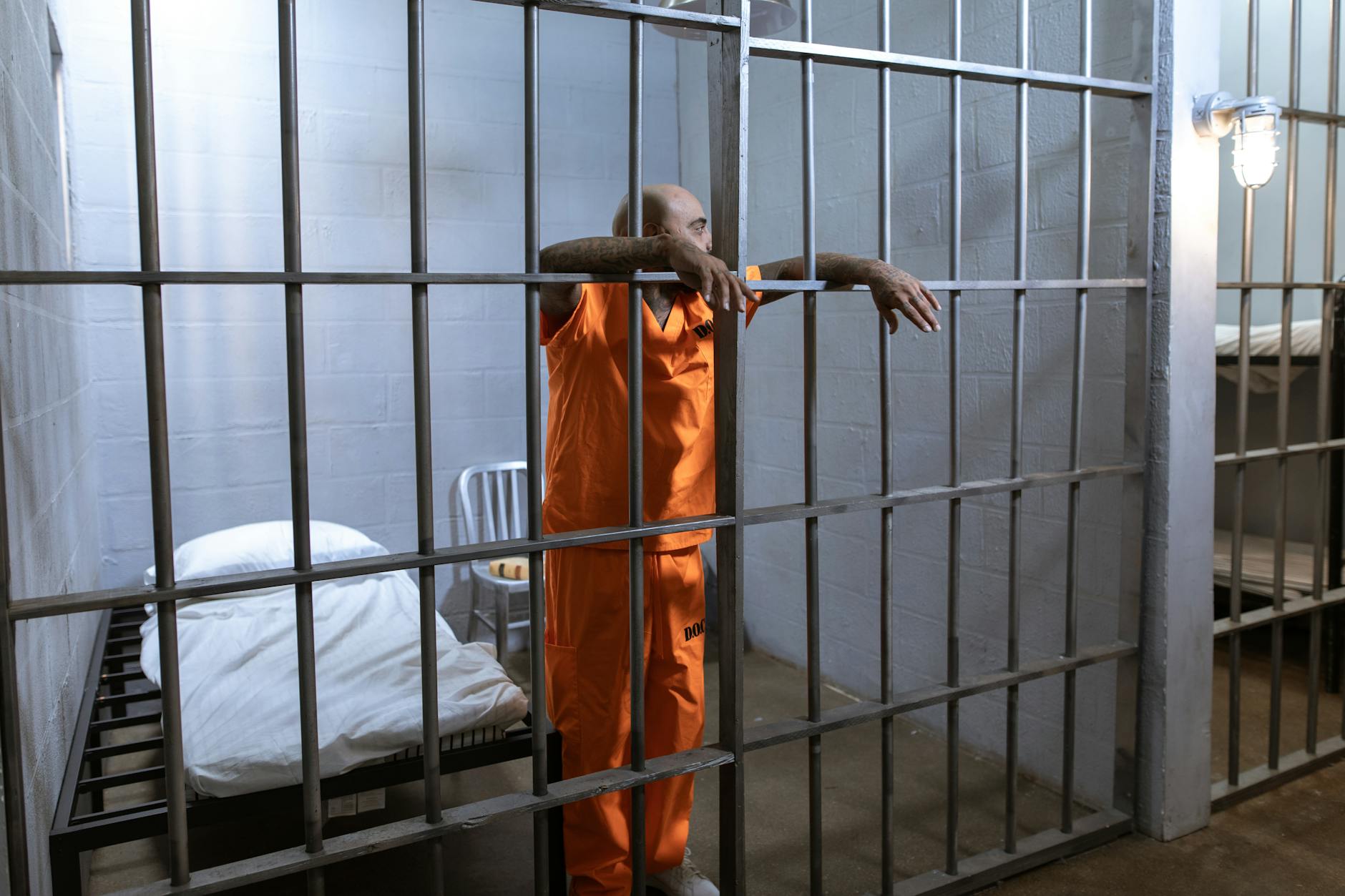
Prison assaults refer to violent incidents that occur within correctional facilities, involving physical harm or threats of harm to inmates or staff members. These assaults can be perpetrated by inmates against each other or against staff, and can result in serious injuries or even death.
Research suggests that prison assaults are a significant concern in the correctional system, with the American Correctional Association reporting that approximately 1 in 5 inmates experience some form of assault during their incarceration. The consequences of these assaults can be severe, with inmates often facing disciplinary action, including loss of privileges, additional time in solitary confinement, or even transfer to a different facility.
Prison assault penalties vary depending on the severity of the incident and the individual circumstances. Minor incidents may result in a warning or a short-term disciplinary action, while more serious assaults can lead to felony charges and lengthy prison sentences. For example, in Pennsylvania, inmates who commit serious assaults on staff or other inmates can face up to 10 years in prison.
Understanding Prison Assaults: Physical and Verbal Violence

Prison assaults are a serious issue that affects individuals behind bars and the correctional system as a whole. These assaults can take many forms, including physical and verbal violence. Physical violence may involve fights, stabbings, and other violent acts, while verbal violence may include threats, intimidation, and harassment.
Penalties for prison assaults vary depending on the severity of the incident and the jurisdiction. According to the Federal Bureau of Prisons, approximately 30% of inmates have a history of violent behavior. In Pennsylvania, prison assaults have reached record highs, with over 1,200 incidents reported in 2022 alone.
The consequences of prison assaults can be severe, including extended periods of solitary confinement, loss of privileges, and even transfer to a higher-security facility. Prison officials must work to prevent these incidents by addressing underlying issues such as overcrowding, gang activity, and inadequate staffing.
Forms of Prison Assault: Unlawful Use of Force and Harassment

Prison assaults in Pennsylvania reached a record high in 2022, with over 1,200 reported incidents. This alarming trend has sparked concerns about the escalating violence within the state's correctional facilities.
Prison assault refers to the unauthorized use of physical force or violence against another inmate or correctional officer.
This can include punching, kicking, biting, or choking, among other forms of physical aggression. Prison assaults can be particularly devastating, leading to serious injuries, emotional trauma, and even death.
According to data from the Pennsylvania Department of Corrections, the majority of prison assaults are committed by inmates against other inmates, with correctional officers being the second most common target.
Prison assaults are punishable under various laws and regulations, including the Pennsylvania Penal Code. Penalties for prison assault can range from misdemeanor charges to felony convictions, depending on the severity of the offense and the harm caused. For example, a first-time offender convicted of prison assault may face up to 10 years in prison, while repeat offenders can face life imprisonment.
Penalties for Prison Assault: Consequences for Prisoners and Staff
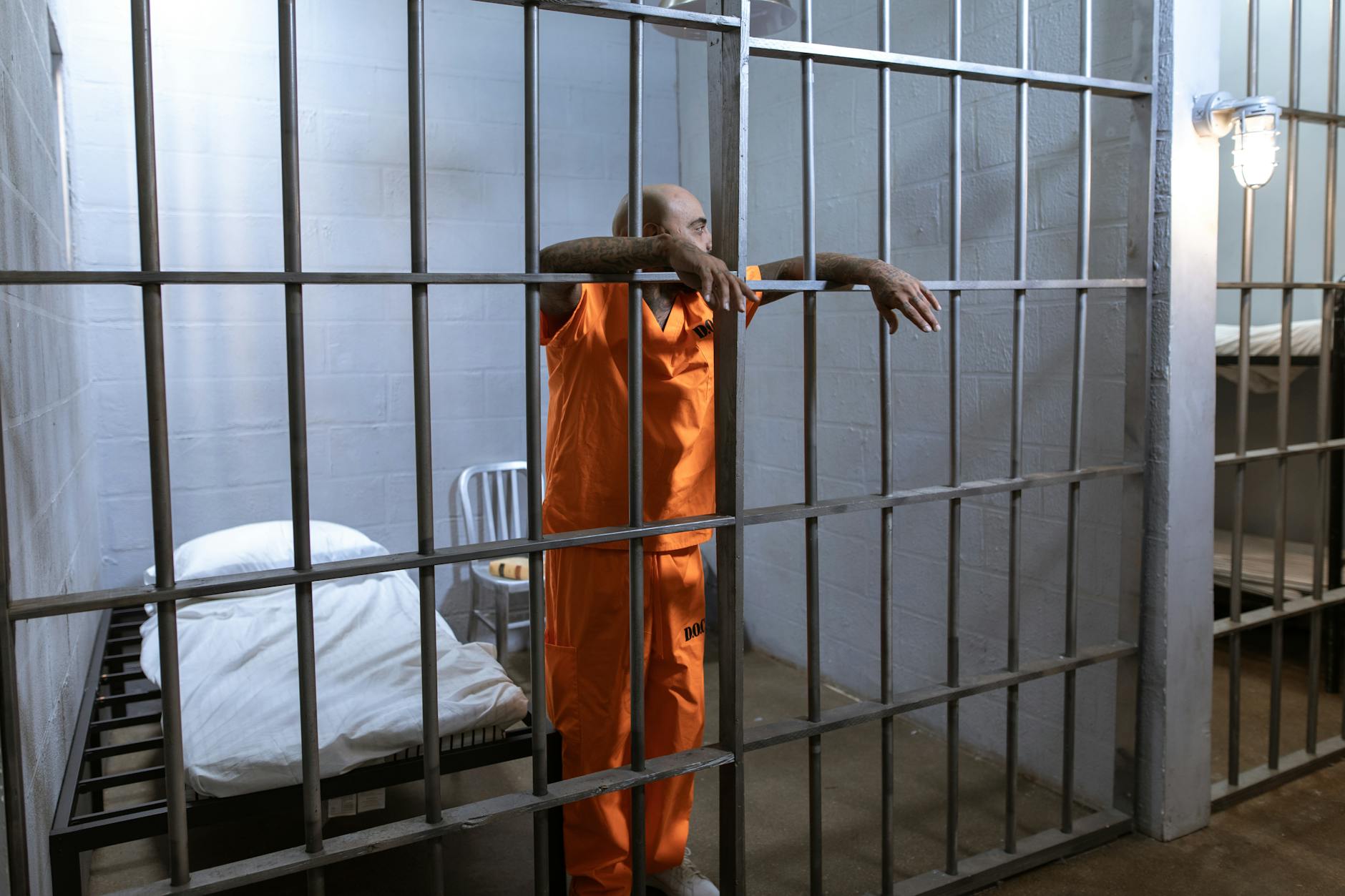
Prison assault, also known as inmate-on-inmate violence, refers to physical attacks between prisoners in a correctional facility. These incidents can have severe consequences for both prisoners and staff, ranging from minor injuries to fatalities.
According to the Pennsylvania Department of Corrections, the number of reported assaults in state prisons reached a record high of 1,200 in 2022. This staggering figure highlights the need for effective measures to prevent and respond to prison assaults. Prison assaults can be triggered by various factors, including gang activity, racial tensions, and overcrowding.
A single prison assault can result in a range of penalties for prisoners, including disciplinary segregation, loss of privileges, and additional jail time. For example, a prisoner convicted of assault may face a sentence extension of up to 90 days. The severity of the penalty depends on the circumstances of the assault and the prisoner's prior record.
Prison staff, including correctional officers and guards, can also face severe consequences for failing to prevent or respond to a prison assault. In some cases, staff members may be charged with assault or negligence, leading to disciplinary action, fines, or even termination.
Reforming Prison Culture: Preventing Assaults and Promoting Rehabilitation

Pennsylvania Prison Assaults Reach Record High of 1,200 in 2022
Prison assault, a violent attack on a prisoner or correctional officer by another inmate, is a serious concern in the US prison system. According to the Bureau of Justice Statistics, approximately 8% of prisoners are assaulted each year. This can lead to severe physical and emotional trauma, making rehabilitation an even greater challenge.
Prison assaults can take many forms, including physical fights, sexual assaults, and even attacks with makeshift weapons. The motivations behind these attacks vary, but often involve power struggles, gang activity, or retaliation against perceived enemies. To combat this issue, prisons must implement effective measures to prevent assaults and promote a culture of respect and rehabilitation.
Prisoners who engage in assaultive behavior face severe penalties, including disciplinary action, isolation, and even transfer to a maximum-security facility. In some cases, assault convictions may also result in additional charges or even prosecution under civilian law.
The alarming surge in prison assaults in Pennsylvania, reaching a record high of 1,200 in 2022, underscores the urgent need for enhanced safety measures within correctional facilities. The staggering number of reported incidents highlights the devastating consequences of inadequate security and the importance of prioritizing prisoner well-being.
To mitigate these risks, it is essential that correctional institutions implement and enforce robust protocols for monitoring and addressing potential conflicts, including increased staffing and trained crisis intervention teams. By taking proactive and targeted measures, facilities can significantly reduce the likelihood of violent incidents and create a safer environment for both inmates and correctional staff. As the state continues to grapple with the complexities of prison safety, policymakers and administrators must remain committed to driving meaningful reforms that safeguard the lives and dignity of those in their care.
Need this answered for your specific case?
Get a flat-fee consultation with a verified U.S. immigration attorney. Engagement letter on every paid consult.
Related guides
-
Sanctions on Juvenile Offenders Cut Recidivism Rate by 27% in First Year
7 min read · May 13, 2026
-
Federal Court Rules Graduated Sanctions Can Reduce Recidivism by 30% in Prisons
6 min read · May 13, 2026
-
Four-Year Prison Sentence for Man Convicted of 12 Technical Violations of Probation
6 min read · May 11, 2026
This guide provides general legal information and does not create an attorney–client relationship. Information accurate as of July 2026. Always verify current USCIS guidance before acting.