
Pepper spray is a common tool in law enforcement, with the American Civil Liberties Union reporting over 60,000 documented uses by police in the U.S. alone in recent years. This potent tool, designed to incapacitate individuals through severe irritation, raises critical questions about its appropriate use and the boundaries of police authority.
Understanding the regulations surrounding pepper spray is crucial for both law enforcement officers and the public they serve. Can police use pepper spray? The answer is yes, but with strict guidelines. Officers must balance their duty to maintain public safety with the responsibility to respect individual rights. This balance is not just a legal requirement but also a moral imperative, shaping the very fabric of community trust.
Understanding Pepper Spray in Policing

Pepper spray, a common less-lethal tool, has become a staple in law enforcement's non-lethal arsenal. This inflammatory agent, derived from chili peppers, causes temporary blindness, pain, and breathing difficulties. Police departments across the United States use it to subdue suspects, control crowds, and manage violent situations. According to a study by the Police Executive Research Forum, over 90% of law enforcement agencies in the U.S. equip officers with pepper spray.
Experts emphasize that pepper spray should be used judiciously. It is designed for situations where officers need to gain control without resorting to lethal force. Proper training is crucial. Officers must understand when and how to deploy pepper spray effectively and safely. Misuse can lead to serious injuries or even fatalities, particularly in vulnerable populations.
Pepper spray's effects are typically temporary, lasting between 30 to 90 minutes. However, its impact can be severe for individuals with respiratory conditions or allergies. Police departments must ensure officers are aware of these risks. Proper documentation and reporting of pepper spray use are essential. This practice helps maintain transparency and accountability within the force.
In summary, pepper spray is a valuable tool for modern policing. When used correctly, it helps officers manage dangerous situations without escalating to lethal force. However, its use requires careful consideration and adherence to strict guidelines. Proper training and oversight are key to ensuring its effective and safe application in the field.
Legal Framework for Pepper Spray Use

The legal framework governing police use of pepper spray varies by jurisdiction but generally falls under use-of-force policies. These policies typically outline when and how officers may deploy such tools. Most departments require officers to use the minimum force necessary to control a situation. Pepper spray often falls under the category of "less-lethal" force, appropriate when verbal commands fail to de-escalate a situation.
According to a 2020 report by the International Association of Chiefs of Police, 92% of law enforcement agencies in the U.S. permit the use of pepper spray. However, the specific circumstances for its use can differ. Some agencies restrict its use to situations where an individual poses an immediate threat. Others allow it for passive resistance or non-compliance. Clear guidelines help ensure accountability and reduce the risk of misuse.
Courts have generally upheld the use of pepper spray when applied in accordance with department policies. However, excessive or unjustified use can lead to civil liability. Officers must document their reasons for deploying pepper spray. This documentation is crucial for internal reviews and potential legal challenges. Proper training and adherence to protocols are essential to maintaining public trust.
Situations Warranting Pepper Spray Deployment
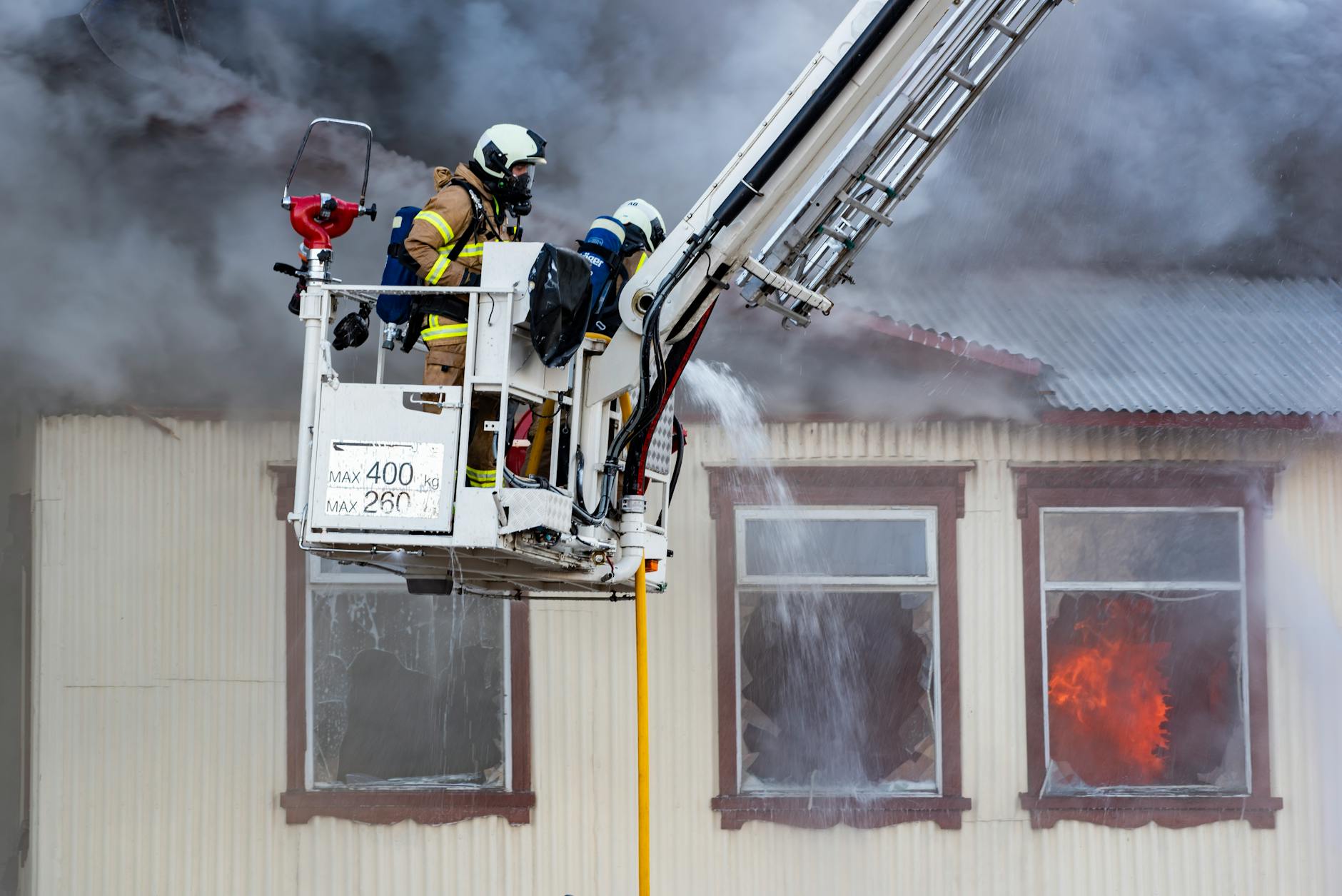
Police officers may use pepper spray in various situations to maintain public safety and control. One common scenario involves managing unruly crowds during protests or riots. When verbal commands fail to disperse a mob, pepper spray can create a barrier, allowing officers to regain control and prevent further escalation. According to a study by the Police Executive Research Forum, pepper spray is effective in 87% of such situations, making it a valuable tool for crowd management.
Another critical situation warranting pepper spray deployment is when an officer faces an armed or violent individual. In cases where the suspect poses an immediate threat but lethal force is not justified, pepper spray provides a non-lethal means to neutralize the threat. This tool allows officers to subdue the individual without causing permanent harm, aligning with the principle of proportionality in use of force.
Pepper spray is also useful in situations where an individual is exhibiting extreme agitation or aggression, such as during a mental health crisis. Officers trained in crisis intervention can use pepper spray to safely restrain the individual until medical help arrives. This approach minimizes the risk of injury to both the officer and the individual in distress.
Additionally, pepper spray can be deployed when an officer is outnumbered or facing multiple assailants. In such high-risk scenarios, pepper spray provides a quick and effective way to create distance and disengage from the threat. This tool enables officers to regroup, call for backup, and de-escalate the situation safely.
Training and Accountability Measures

Police departments implement rigorous training programs to ensure officers use pepper spray responsibly. These programs typically include classroom instruction on legal aspects, de-escalation techniques, and hands-on practice with pepper spray devices. Officers learn to assess situations, identify threats, and apply force proportionately. Regular recertification ensures skills remain sharp and knowledge up-to-date.
A study by the Police Executive Research Forum found that officers who receive comprehensive training are less likely to use excessive force. Training emphasizes the importance of verbal warnings and non-lethal alternatives before resorting to pepper spray. Officers must also document each use of force, including the circumstances and rationale behind their actions.
Accountability measures play a crucial role in maintaining public trust. Internal affairs divisions investigate misuse of pepper spray, while civilian oversight boards provide additional scrutiny. Clear policies and transparent reporting help ensure officers adhere to guidelines. These measures create a system of checks and balances that protects both the public and law enforcement personnel.
Disciplinary actions range from retraining to termination for officers who violate protocols. Police departments also track use-of-force incidents to identify patterns and address potential issues. This proactive approach helps prevent misconduct and promotes safer communities. Effective training and accountability measures are essential for maintaining the delicate balance between public safety and individual rights.
Evolving Policies and Public Expectations
Policing strategies and public expectations have evolved significantly in recent years, influencing the use of pepper spray. Police departments now face increased scrutiny and demand greater accountability. A 2022 study by the Police Executive Research Forum found that 68% of surveyed departments had updated their use-of-force policies within the past five years. These changes often reflect a balance between officer safety and community concerns.
Public expectations have shifted, with many communities advocating for de-escalation techniques over force. Police departments are responding by implementing comprehensive training programs. These programs emphasize verbal de-escalation, crisis intervention, and the judicious use of tools like pepper spray. The goal is to ensure officers can effectively manage situations while minimizing harm.
Legal standards also play a crucial role. Courts have ruled that the use of pepper spray must be reasonable and proportional to the threat. This means officers must consider the totality of circumstances before deploying pepper spray. Failure to meet these standards can result in legal consequences and damage to public trust.
As policies continue to evolve, police departments must stay informed and adapt. Regular training and clear guidelines help ensure officers use pepper spray appropriately. This approach not only protects officers but also fosters a safer environment for the communities they serve.
Pepper spray remains a controversial but widely used tool in law enforcement, with its application hinging on strict adherence to guidelines. Officers must prioritize de-escalation and proportional response, ensuring its use aligns with department policies and legal standards. Training programs should emphasize real-world scenarios and continuous evaluation to maintain accountability. Moving forward, communities and law enforcement agencies must engage in open dialogue to balance public safety with individual rights, fostering trust and transparency in policing practices.
Need this answered for your specific case?
Get a flat-fee consultation with a verified U.S. immigration attorney. Engagement letter on every paid consult.
Related guides
This guide provides general legal information and does not create an attorney–client relationship. Information accurate as of July 2026. Always verify current USCIS guidance before acting.