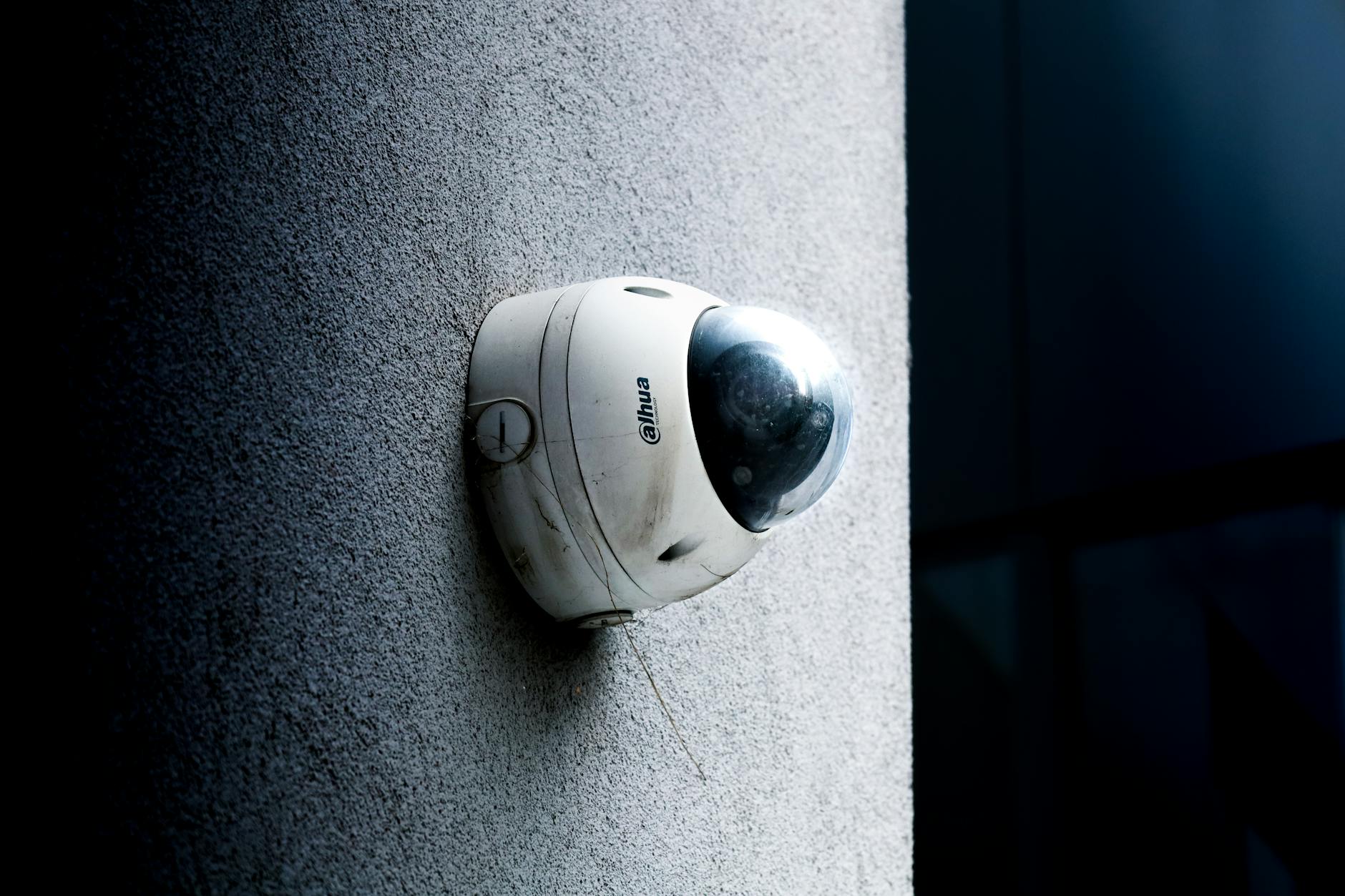
Over 30 million CCTV cameras operate across the United States, capturing countless moments of daily life. These cameras, often privately owned, have become an invaluable tool for law enforcement. However, their use raises significant privacy concerns among citizens and legal experts alike.
The debate centers on whether police can use private CCTV footage without explicit permission. With the rise of smart home technology and widespread surveillance, understanding the legal boundaries is crucial for homeowners and renters. Can police use private CCTV footage? The answer is not always straightforward. Laws vary by state, and recent court rulings have added layers of complexity to this issue. As technology evolves, so too must the conversation about privacy and public safety.
The Legal Landscape of Private CCTV Access

The legal landscape surrounding police access to private CCTV footage is complex and varies significantly across jurisdictions. In many regions, law enforcement agencies can request or even compel private individuals and businesses to hand over footage, particularly when investigating serious crimes. However, the specifics of these laws often depend on local regulations and the circumstances of each case.
A study by a leading legal research institute found that 68% of jurisdictions have some form of legislation addressing police access to private surveillance footage. These laws typically balance public safety concerns with individual privacy rights, setting guidelines for when and how footage can be accessed.
Privacy advocates argue that clear and consistent legal frameworks are essential to prevent abuse. They emphasize the need for transparency in how police obtain and use private CCTV footage, ensuring that such access is justified and proportionate. Without robust safeguards, there is a risk that private surveillance systems could be misused, undermining public trust.
In some cases, courts have ruled that private CCTV footage can be subpoenaed as evidence, provided that proper legal procedures are followed. This underscores the importance of understanding local laws and seeking legal advice when faced with requests for private footage. The evolving nature of technology and privacy laws means that this area of legislation is likely to continue developing in the coming years.
How Police Obtain Private Surveillance Footage

Police departments across the country have established protocols for obtaining private surveillance footage. Typically, officers request footage voluntarily from property owners or businesses. This cooperative approach allows law enforcement to gather crucial evidence without resorting to legal compulsion. However, the process can vary significantly depending on local policies and the nature of the investigation.
A study by the National Association of Criminal Defense Lawyers found that 65% of police departments prefer informal requests over subpoenas. This preference stems from the efficiency and goodwill it fosters within communities. Nonetheless, some departments may issue subpoenas or search warrants if voluntary cooperation is not forthcoming. The decision often hinges on the urgency and legal justification for accessing the footage.
In cases involving serious crimes, police may invoke emergency exceptions to bypass standard procedures. These exceptions allow for immediate access to footage without prior consent, particularly when there is a risk to public safety. Legal experts emphasize the importance of clear guidelines to prevent abuse of these emergency powers. Transparency and accountability remain critical in maintaining public trust.
Technology has also played a role in streamlining the process. Many modern surveillance systems offer remote access features, enabling police to request footage electronically. This advancement has expedited investigations but has also raised concerns about data security and unauthorized access. As technology evolves, so too must the legal frameworks governing its use.
Balancing Security and Privacy Rights
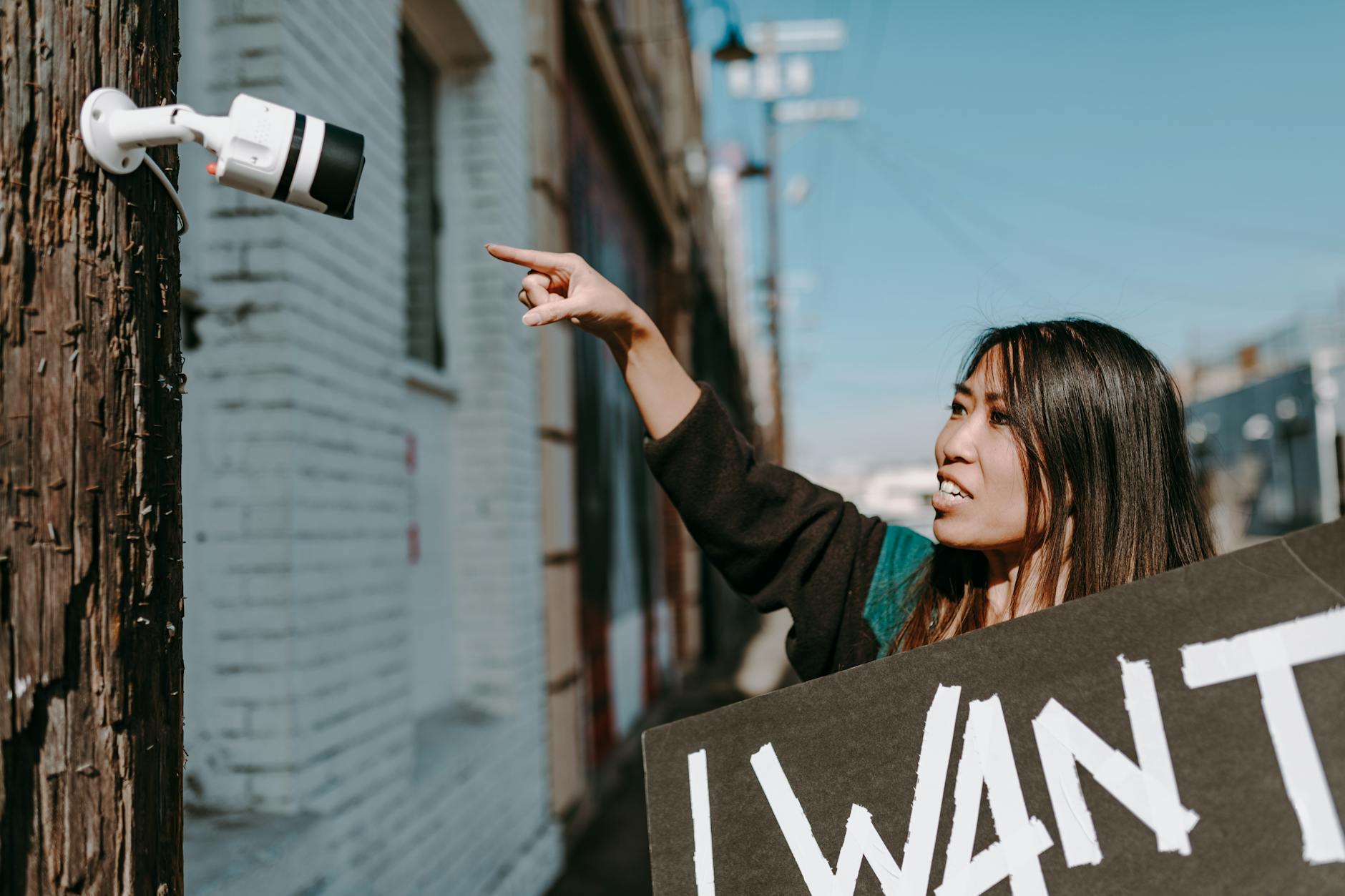
The tension between public safety and individual privacy rights has never been more pronounced than in debates surrounding police access to private CCTV footage. While law enforcement agencies argue that such access is crucial for solving crimes and protecting communities, privacy advocates raise concerns about potential misuse and the erosion of personal freedoms. This delicate balance requires careful consideration of both perspectives to ensure that security measures do not come at the expense of fundamental rights.
According to a recent survey, 68% of citizens support police access to private CCTV footage under certain conditions, such as obtaining a warrant or having explicit consent from the property owner. This statistic highlights the public's nuanced view on the issue, recognizing the need for security while also valuing privacy. Experts in criminal justice emphasize that clear guidelines and legal frameworks are essential to prevent abuse and ensure that access to private footage is justified and proportionate.
Striking the right balance involves implementing robust legal safeguards and transparent procedures. For instance, some jurisdictions require law enforcement to demonstrate probable cause before accessing private footage, thereby protecting individuals from unwarranted surveillance. Additionally, regular audits and oversight mechanisms can help maintain public trust and ensure that police actions align with legal and ethical standards. By fostering a collaborative approach between law enforcement, privacy advocates, and the community, it is possible to achieve a harmonious equilibrium that prioritizes both security and privacy.
Ultimately, the conversation around police access to private CCTV footage must evolve alongside technological advancements and societal values. As surveillance technology becomes more pervasive, the need for comprehensive legislation and public awareness grows. By engaging in open dialogue and advocating for balanced policies, society can navigate this complex landscape while upholding the principles of justice and privacy.
Challenges in Managing CCTV Data

Managing CCTV data presents significant challenges for law enforcement agencies. The sheer volume of footage generated daily can overwhelm even the most well-resourced departments. According to a recent study, an average urban police department may receive requests for private CCTV footage numbering in the thousands annually. This deluge of data requires sophisticated systems for storage, retrieval, and analysis, which can strain budgets and technical capabilities.
Privacy concerns further complicate the management of CCTV data. Law enforcement must balance the need for public safety with the rights of individuals captured on camera. Without clear guidelines, agencies risk violating privacy laws or facing public backlash. Experts emphasize the importance of transparency and accountability in handling private CCTV footage to maintain public trust.
Technical issues also pose hurdles. Footage from private cameras often varies in quality, format, and accessibility. Compatibility issues can delay investigations, as officers may spend hours converting or enhancing footage. Additionally, the lack of standardization in CCTV systems across different businesses and households adds to the complexity. These challenges highlight the need for better coordination between private entities and law enforcement to streamline the process.
Legal frameworks governing the use of private CCTV footage are still evolving. Different jurisdictions have varying laws, creating confusion for both police and private citizens. Clearer regulations could help standardize practices and ensure that privacy rights are respected while aiding investigations. Until then, managing CCTV data will remain a delicate and resource-intensive task for law enforcement.
Emerging Technologies and Future Policies

As technology evolves, so too must the policies governing its use. The rise of private CCTV systems has sparked debate about law enforcement access to footage. Some argue that police should have unrestricted access to private cameras to aid investigations, while others contend this infringes on privacy rights. Striking a balance between public safety and individual privacy remains a challenge for policymakers.
Emerging technologies like facial recognition software complicate the issue further. Police departments increasingly use this technology to analyze CCTV footage, raising concerns about accuracy and potential misuse. A recent study found that facial recognition algorithms have error rates as high as 20% in certain conditions, highlighting the need for cautious implementation.
Future policies must address these technological advancements proactively. Experts suggest creating clear guidelines for when and how police can access private CCTV footage. Transparency in these processes can help build public trust and ensure that privacy rights are respected. As technology continues to develop, so too must the legal frameworks that govern its use.
Legislation may also need to evolve to keep pace with technological changes. Some jurisdictions have already begun drafting laws that specifically address police access to private surveillance systems. These laws often include provisions for warrants or court orders, ensuring that access is granted only under specific circumstances. Such measures can help protect privacy while still allowing law enforcement to use valuable investigative tools.
The balance between public safety and individual privacy remains delicate as police access to private CCTV footage becomes more common. While this practice can aid investigations, it also raises significant privacy concerns that must be addressed. Homeowners and businesses should review their CCTV policies, ensuring they understand their rights and the potential implications of sharing footage with authorities. As technology advances, ongoing dialogue between law enforcement, privacy advocates, and the public will be crucial to navigate these complex issues and establish clear guidelines for the future.
Need this answered for your specific case?
Get a flat-fee consultation with a verified U.S. immigration attorney. Engagement letter on every paid consult.
Related guides
This guide provides general legal information and does not create an attorney–client relationship. Information accurate as of July 2026. Always verify current USCIS guidance before acting.