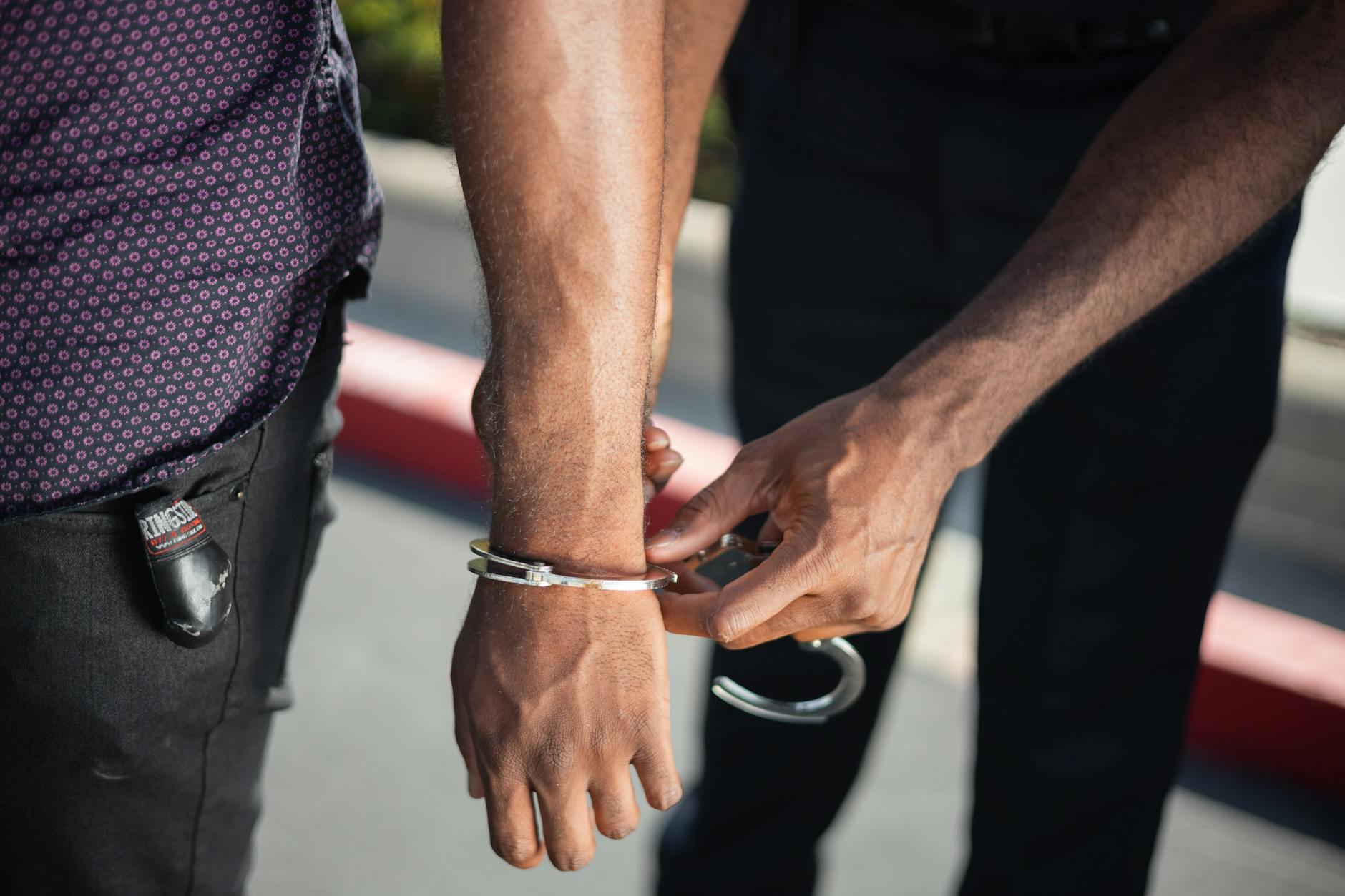
Police officers in the United States have the authority to handcuff individuals without making an arrest in specific circumstances. This power, while often misunderstood, serves critical public safety and investigative purposes. The ability to restrain someone temporarily can prevent potential threats, ensure officer safety, or preserve evidence, all without crossing the line into formal arrest.
Understanding when police can handcuff you without arrest is crucial for anyone navigating interactions with law enforcement. The key scenarios where this occurs include situations involving imminent danger, investigative necessity, or compliance assurance. Knowing these distinctions empowers individuals to recognize their rights and the boundaries of police authority. Whether during a routine traffic stop, a public disturbance, or a suspect interview, the question of can police handcuff you without arrest remains relevant to both civilians and legal professionals alike.
Understanding police detention powers

Police officers possess certain detention powers that allow them to handcuff individuals without making an arrest. These powers stem from their duty to maintain public safety and order. According to the American Bar Association, officers can use reasonable force, including handcuffs, to detain someone when they have reasonable suspicion of criminal activity. This suspicion must be based on specific, articulable facts, not just a hunch.
One scenario where police might handcuff someone without arrest is during a Terry stop, or a brief investigative detention. Officers can briefly detain and handcuff an individual if they have reasonable suspicion that the person is involved in criminal activity. This power is derived from the 1968 Supreme Court case Terry v. Ohio, which established guidelines for brief detentions.
Another situation involves public safety concerns. If an officer believes an individual poses an immediate threat to themselves or others, they may use handcuffs to ensure safety. This could occur during a mental health crisis or when someone is behaving erratically in a public space. The use of force must always be proportional to the threat.
Lastly, police can handcuff individuals during a consensual encounter if they believe it is necessary for their safety or the safety of others. While the encounter is consensual, the officer's perception of a potential threat can justify the use of handcuffs. However, this must be balanced with the individual's rights and the principle of reasonable suspicion.
When handcuffs come before arrest

Handcuffs often symbolize arrest, but law enforcement officers can use them in situations that don't lead to formal charges. This practice, while legal, can be confusing and alarming for individuals who find themselves restrained without clear explanation. Police may employ handcuffs for safety reasons, such as when they perceive a potential threat during an investigation or while questioning a suspect.
One common scenario involves traffic stops. Officers might handcuff a driver if they suspect the person poses a risk, such as being under the influence of drugs or alcohol. According to a report by the American Civil Liberties Union, roughly 20% of traffic stops involve some form of restraint, even when no arrest occurs. This practice aims to protect both the officer and the public, but it can escalate tensions if not handled carefully.
Another situation arises during mental health crises. Police are often called to assist individuals experiencing psychiatric emergencies. In these cases, handcuffs may be used to prevent self-harm or harm to others, even if no criminal activity is involved. Experts emphasize the need for de-escalation techniques to minimize trauma, but the use of restraints remains a common tool in these high-stress scenarios.
Public protests also see frequent use of handcuffs, even when arrests aren't made. Officers may restrain individuals to control crowds or prevent potential violence. While this tactic can help maintain order, critics argue it can infringe on civil liberties if applied indiscriminately. Balancing public safety with individual rights remains a contentious issue in law enforcement.
Your rights during temporary restraint

When police use temporary restraint, they must respect certain rights. Individuals have the right to know why they're being handcuffed. Officers should clearly explain the reason, which could be for safety, preventing evidence destruction, or maintaining order. This transparency helps maintain public trust in law enforcement.
According to the American Civil Liberties Union, police cannot use restraint as punishment. Any use of force must be proportionate to the situation. Excessive force can lead to legal consequences for officers. The Supreme Court has ruled that unnecessary restraint violates the Fourth Amendment.
Those restrained temporarily have the right to medical attention if needed. If injuries occur during restraint, proper documentation must be provided. This ensures accountability and protects both parties. Police departments have protocols to follow in these situations.
Legal experts emphasize the importance of de-escalation techniques. Officers should attempt to calm situations before resorting to restraint. Training programs focus on these methods to reduce unnecessary confrontations. Public awareness of these rights helps prevent abuse of power.
How to respond if handcuffed without arrest
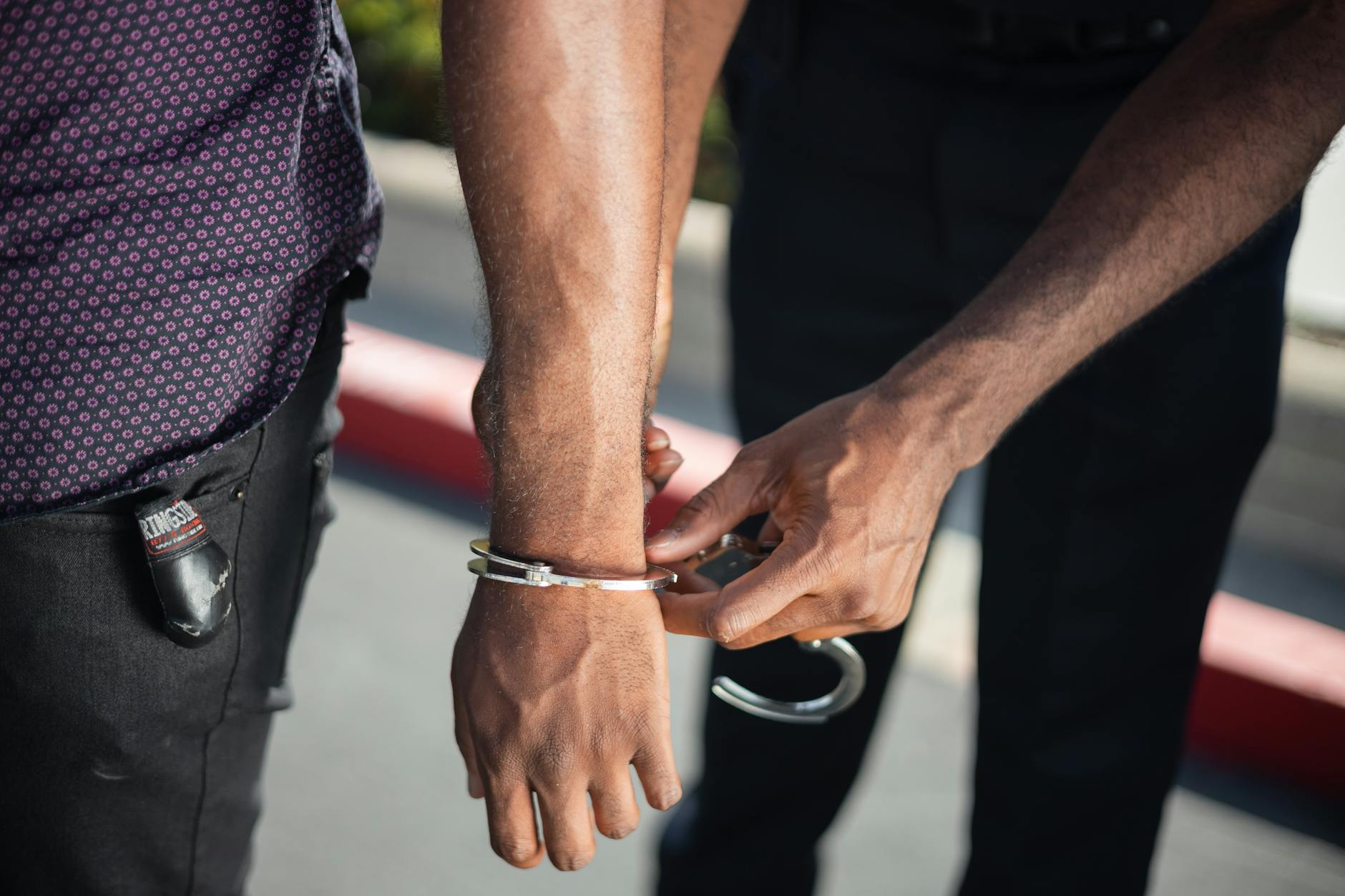
If police handcuff someone without arrest, remaining calm and cooperative is crucial. The American Civil Liberties Union advises individuals to stay silent and avoid sudden movements, as these can escalate the situation. Police officers may use handcuffs for safety reasons, and resisting can lead to further complications.
Asking clear, polite questions can help clarify the situation. Inquiring about the reason for the handcuffs and whether one is being detained is within rights. According to legal experts, understanding the context can provide a better grasp of the situation and potential next steps.
Documenting the encounter is advisable. If possible, note the officers' badges, patrol car numbers, and any witnesses. This information can be valuable if legal action becomes necessary. Remember, staying composed and respectful throughout the interaction is key to a positive outcome.
A study by the National Police Foundation found that de-escalation techniques, including calm communication, significantly reduce the likelihood of incidents escalating. Following these guidelines can help ensure safety and protect one's rights during such encounters.
Potential changes to police procedures

Police procedures surrounding the use of handcuffs without arrest are evolving as law enforcement agencies respond to public scrutiny and legal challenges. A recent study by the National Police Foundation found that 68% of police departments have updated their use-of-force policies in the past five years, with many focusing on de-escalation techniques and the judicious use of restraints. These changes reflect a growing recognition that handcuffing can be a significant use of force, even when an arrest does not follow.
Some departments are implementing stricter guidelines for when officers can use handcuffs. For example, officers may now be required to document the specific reasons for restraining someone, ensuring accountability. This shift aims to prevent unnecessary or excessive use of handcuffs, particularly in situations where individuals are cooperative or pose minimal threat.
Training programs are also being updated to emphasize alternatives to handcuffing. Officers are taught to consider less intrusive methods, such as verbal commands or positioning, to manage situations without escalating tension. These adjustments are part of a broader effort to build trust between police and the communities they serve.
Legal experts suggest that these changes could lead to fewer incidents of unnecessary restraint, ultimately reducing complaints and litigation against police departments. As policies continue to develop, the focus remains on balancing public safety with individual rights.
Understanding when police can handcuff you without arrest is crucial for every citizen to know their rights. Handcuffs may be used for safety, crowd control, or to prevent evidence tampering, but they don't always indicate an arrest. If you find yourself in such a situation, remain calm, comply with the officer's instructions, and ask for clarification about your rights and the reason for the handcuffs. As law enforcement tactics continue to evolve, staying informed about these procedures will help you navigate potential encounters with confidence and awareness.
Need this answered for your specific case?
Get a flat-fee consultation with a verified U.S. immigration attorney. Engagement letter on every paid consult.
Related guides
This guide provides general legal information and does not create an attorney–client relationship. Information accurate as of July 2026. Always verify current USCIS guidance before acting.