
Police officers can legally question children aged 12 and older without parents present in many jurisdictions. This practice, while legal, often sparks debate among parents, educators, and child advocates. The concern centers on whether children fully understand their rights and the potential consequences of their statements.
Understanding the nuances of Can Police Question Children Without Parents is crucial for parents and guardians. While law enforcement officers have the authority to question minors, the situation becomes more complex when considering the child's age, maturity, and comprehension of their rights. The question of Can Police Question Children Without Parents touches on broader issues of juvenile justice, parental rights, and the well-being of minors. Parents should be aware of these laws and consider discussing them with their children to ensure they are prepared and informed.
Understanding the Legal Framework

Understanding the legal framework surrounding police questioning of minors is crucial for parents and guardians. In many jurisdictions, law enforcement officers can indeed question children aged 12 and older without parental presence. This capability stems from legal precedents and statutes that aim to balance the rights of minors with the needs of law enforcement. However, the specifics can vary significantly depending on local laws and the circumstances of the case.
According to a report by the Juvenile Law Center, approximately 1.6 million youth are questioned by police annually. The report highlights that while minors have certain rights, such as the right to remain silent and the right to an attorney, these rights are often not fully understood or exercised by children. This underscores the importance of understanding the legal framework to better protect minors' rights.
Expert opinions vary on the effectiveness and fairness of these laws. Some argue that allowing police to question minors without parents present can lead to coercion and false confessions. Others contend that it is necessary for law enforcement to have the flexibility to gather information promptly. Regardless of the perspective, it is essential for parents and guardians to be aware of these laws and to educate their children about their rights.
Parents should familiarize themselves with local laws and consider discussing these issues with their children. Open communication can help minors understand their rights and the potential consequences of interacting with law enforcement. Additionally, seeking legal advice can provide clarity and guidance on how to navigate these complex legal frameworks.
When Can Police Speak to Minors Alone

Police officers can legally interview minors aged 12 and older without parents present, but there are specific circumstances that dictate when this can occur. Generally, law enforcement may speak to a child alone if they believe the minor is capable of understanding their rights and the consequences of their statements. This determination is often based on the child's maturity level, not just their age.
According to juvenile justice experts, the decision to interview a minor without a parent or guardian is typically made on a case-by-case basis. Factors such as the nature of the investigation, the child's emotional state, and the potential risks involved all play a role. For instance, if a child is a victim of abuse, officers might separate them from their parents to ensure the child feels safe and comfortable sharing information.
In some jurisdictions, minors have the right to request a parent or guardian be present during questioning. However, this right is not universally recognized, and its enforcement can vary. It's crucial for parents to be aware of their local laws and to educate their children about their rights. The American Civil Liberties Union (ACLU) reports that only about 30% of minors involved in police interrogations have a parent or guardian present, highlighting the importance of understanding these legal nuances.
Parents should also be aware that even if they are not present during questioning, they have the right to be informed about the interview. Law enforcement agencies often have policies in place to notify parents or guardians as soon as possible after their child has been questioned. This ensures that parents can provide support and guidance to their child throughout the process.
What Rights Do Children Have During Interviews

When police question children aged 12 and older without parents present, specific rights protect the young interviewees. Minors have the right to remain silent, just like adults. They can choose not to answer any questions that might incriminate them. This right exists to prevent self-incrimination and ensures fair treatment under the law.
A child also has the right to have a trusted adult present during questioning. This adult can be a parent, guardian, or another supportive figure. Research shows that having a familiar adult present can significantly reduce stress and improve the accuracy of the child's statements. However, police can proceed without this adult if the child consents or if certain legal exceptions apply.
Children must be informed of their rights in a manner they can understand. Police officers should use age-appropriate language to explain these rights clearly. According to juvenile justice experts, this step is crucial for ensuring that children fully comprehend their options and make informed decisions during the interview process.
Additionally, the duration and conditions of the interview must be reasonable. Police cannot use coercive tactics or threats to extract information from a child. Any evidence obtained under such circumstances may be deemed inadmissible in court. Ensuring a fair and respectful process is essential for upholding the rights of young individuals within the legal system.
How Parents Can Prepare Their Children

Parents play a crucial role in preparing their children for potential encounters with law enforcement. Experts recommend open conversations about safety and rights, emphasizing that children should never feel pressured to answer questions without a trusted adult present. Role-playing scenarios can help children practice responding calmly and confidently if approached by police.
According to a recent study, children who receive age-appropriate education on their rights are more likely to handle stressful situations effectively. Parents should explain that while police officers are there to help, children have the right to ask for a parent or guardian before answering questions. This preparation can significantly reduce anxiety and ensure children understand their rights.
Teaching children to respectfully ask, "Am I free to go?" or "Can I have a parent present?" can empower them during interactions. Parents should also discuss the importance of staying calm and polite, even if they feel scared or confused. These conversations can make a significant difference in how children respond during unexpected encounters.
Finally, parents should ensure their children know basic contact information, including their home address and a trusted adult's phone number. This preparation can provide children with a sense of security and readiness. By fostering open communication and education, parents can help their children navigate potential interactions with law enforcement confidently and safely.
Potential Changes to Juvenile Interrogation Laws
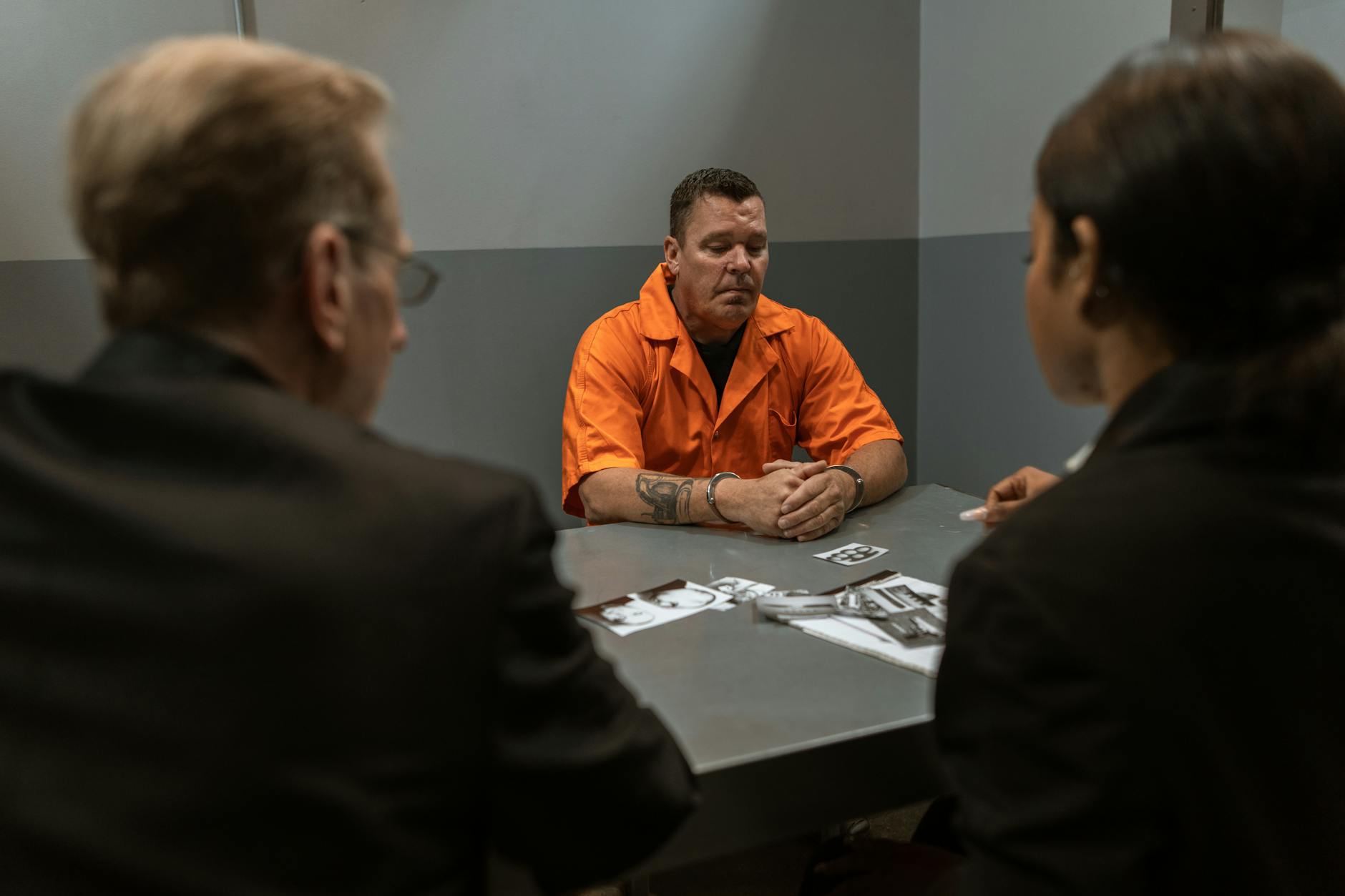
Across the United States, a growing debate is unfolding over the interrogation of minors without parental presence. Currently, laws vary significantly by state, with some allowing police to question children as young as 12 without parents present. This patchwork of regulations has sparked calls for standardized, nationwide policies to better protect juvenile rights.
Advocates for change point to research indicating that children under 18 are particularly vulnerable during interrogations. Studies show that minors are more likely to confess to crimes they did not commit, especially when questioned without an adult present. A report by the American Bar Association highlights that nearly 70% of false confessions involve juveniles, underscoring the need for reform.
Some states have already taken steps to address these concerns. California, for instance, requires law enforcement to allow a parent or guardian to be present during interrogations of minors under 18. Similar legislation is being considered in other states, reflecting a broader shift toward prioritizing the rights of young suspects.
Legal experts argue that updating juvenile interrogation laws could have a profound impact on the justice system. By ensuring that minors have access to parental support during questioning, authorities could reduce the risk of false confessions and ensure fairer outcomes. The push for reform continues to gain momentum, with lawmakers and activists working to bridge the gap between current practices and the evolving understanding of juvenile rights.
Parents should be aware that police in many jurisdictions can question children aged 12 and older without a parent present, a practice that can be unsettling but is generally legal. While officers are supposed to inform minors of their rights, the onus is on parents to educate their children about their legal protections. To navigate this situation, parents should discuss potential scenarios with their kids and consider role-playing responses to ensure they understand their rights and how to assert them calmly. Moving forward, advocacy groups continue to push for clearer guidelines and increased transparency in these interactions to better protect young individuals.
Need this answered for your specific case?
Get a flat-fee consultation with a verified U.S. immigration attorney. Engagement letter on every paid consult.
Related guides
This guide provides general legal information and does not create an attorney–client relationship. Information accurate as of July 2026. Always verify current USCIS guidance before acting.