
Police can question individuals without a lawyer present in specific scenarios, a fact that underscores the importance of understanding one's rights. According to the American Civil Liberties Union, law enforcement can legally interrogate suspects without an attorney in certain circumstances, potentially leading to self-incrimination if individuals are unaware of their protections.
Knowing when police can question you without a lawyer present is crucial for anyone who might find themselves in a legal predicament. The question, "Can police question you without a lawyer?" arises frequently in discussions about civil liberties. Understanding these scenarios empowers individuals to navigate interactions with law enforcement more effectively, ensuring they do not unwittingly compromise their legal rights.
Understanding Your Rights During Police Interrogations

When police question individuals without a lawyer present, understanding one's rights becomes crucial. The Fifth Amendment protects against self-incrimination, allowing individuals to remain silent. This right applies even when police ask seemingly harmless questions. Silence cannot be used as evidence of guilt in court. However, police may continue questioning, attempting to gather information.
A study by the American Civil Liberties Union found that 69% of wrongful convictions involved false confessions. Often, these occur during prolonged interrogations without legal representation. Police may use psychological tactics to pressure individuals into speaking. Knowing one's rights can help resist such tactics.
Police must inform individuals of their Miranda rights if they are in custody and about to be interrogated. These rights include the right to remain silent and the right to an attorney. However, police can question individuals without reading Miranda rights in certain scenarios. Understanding these nuances is essential for protecting one's rights.
Consulting with a legal professional beforehand can provide clarity on specific rights in different situations. Legal experts emphasize the importance of knowing when to invoke the right to remain silent. This knowledge can significantly impact the outcome of any legal proceedings.
When Immediate Suspicion Arises

When law enforcement officers suspect someone of criminal activity, they may initiate questioning without a lawyer present. This often occurs during traffic stops, public encounters, or routine investigations. Police rely on their training and experience to assess whether a situation warrants further inquiry. A 2019 study by the National Institute of Justice found that officers initiate conversations with individuals about potential crimes in over 60% of initial encounters.
Officers might approach someone based on suspicious behavior, such as loitering in a high-crime area or acting nervously. They may also question individuals who match descriptions provided by witnesses or victims. In these scenarios, police aim to gather information quickly, often before a formal arrest occurs. The Supreme Court has ruled that such interactions are generally permissible under the Fourth Amendment, as long as they do not escalate into unreasonable searches or seizures.
Experts emphasize the importance of understanding one's rights during these interactions. The American Civil Liberties Union (ACLU) advises individuals to remain calm and polite, even if they feel uncomfortable. While police can ask questions, individuals have the right to refuse to answer and request an attorney if they believe they are being investigated for a crime. Knowing these rights can help individuals navigate encounters with law enforcement effectively.
Routine Traffic Stops and Brief Interactions
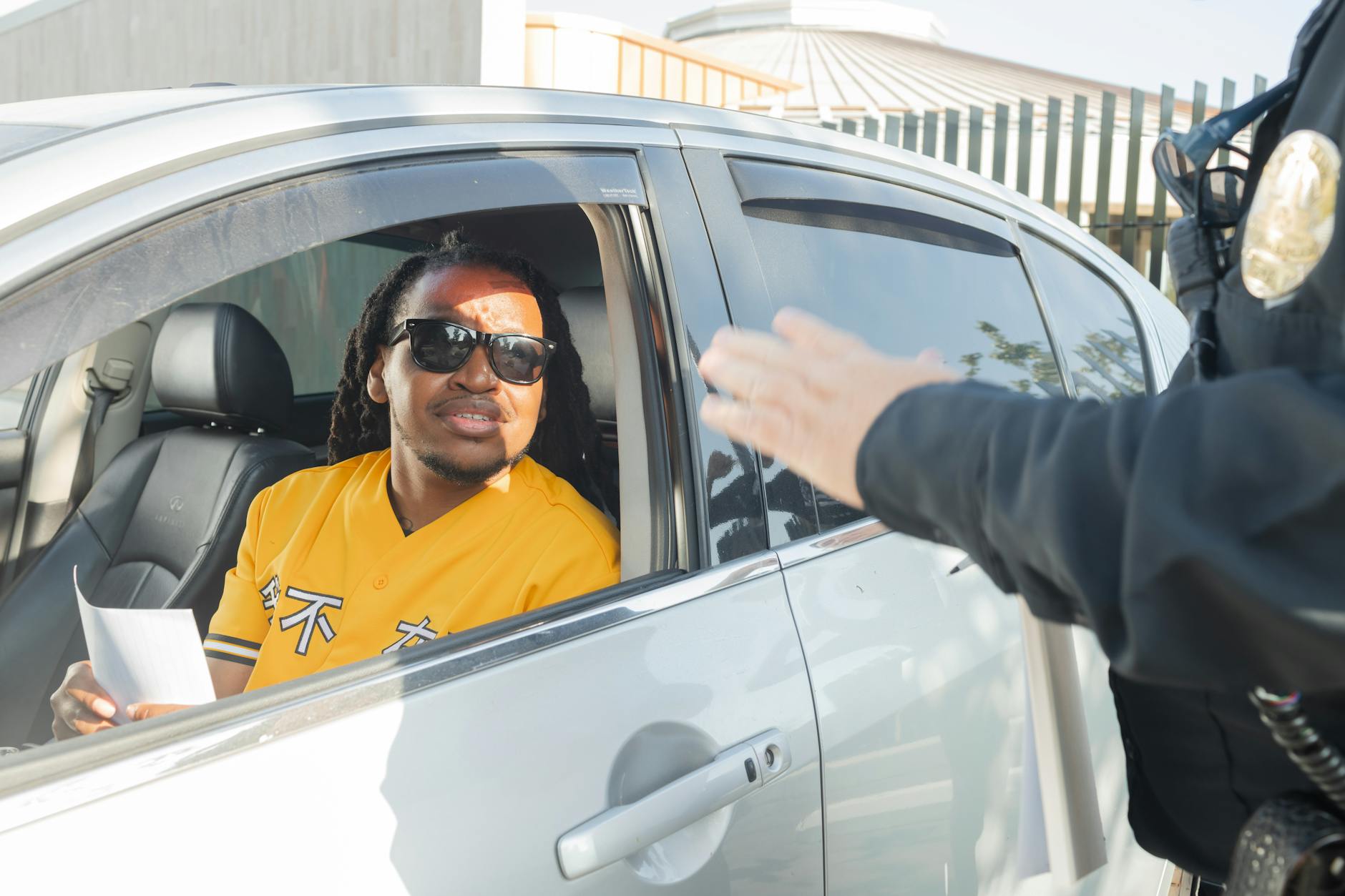
During routine traffic stops, police officers often engage in brief conversations with drivers. These interactions typically involve questions about the driver's identity, vehicle registration, and recent activities. While these exchanges may seem casual, they serve a purpose: gathering information that might aid in investigations. Drivers are not legally required to answer questions beyond providing basic identification and vehicle information. However, refusing to cooperate could potentially escalate the situation.
Brief interactions, such as those during neighborhood patrols, also provide opportunities for police to ask questions. Officers might inquire about recent neighborhood activities or ask residents to report suspicious behavior. According to the American Civil Liberties Union, individuals have the right to remain silent during these encounters. However, it's crucial to understand that refusing to answer questions may draw attention and could lead to further scrutiny.
Police officers are trained to gather information through conversation. They may ask seemingly innocuous questions to build rapport and encourage individuals to share details. While these interactions are generally low-stakes, it's essential to remember that any information shared could potentially be used in an investigation. Individuals should feel empowered to politely decline to answer questions beyond basic identification.
Voluntary Police Encounters Without Arrest
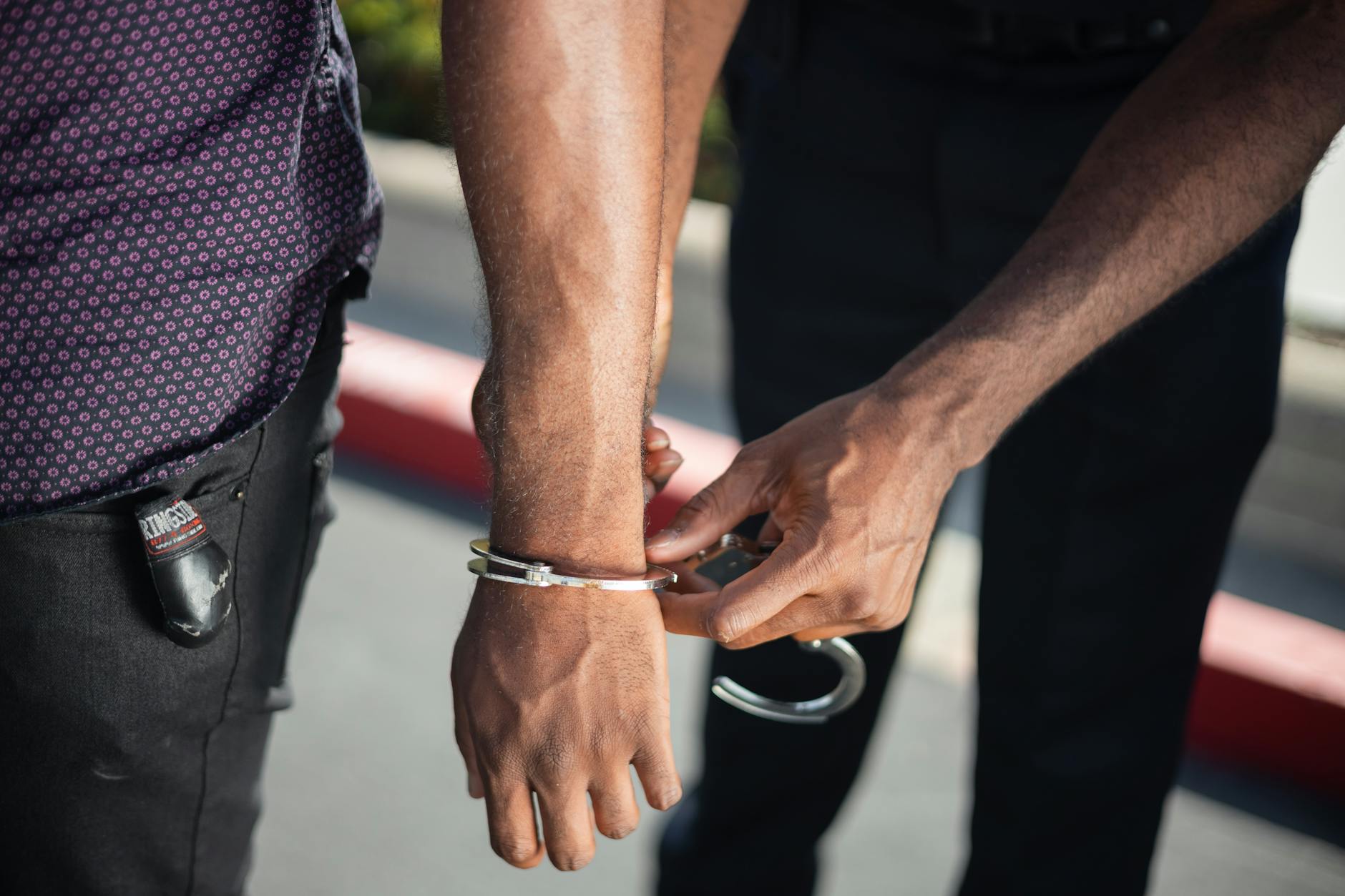
Voluntary police encounters, where individuals choose to speak with officers without being arrested, present unique considerations. In these scenarios, individuals possess the right to decline answering questions or to request a lawyer's presence. However, many people may not fully grasp this right or feel pressured to cooperate. A study by the American Civil Liberties Union reveals that 68% of individuals questioned during voluntary encounters did not invoke their right to remain silent or request legal counsel.
During such interactions, police may employ various tactics to encourage cooperation. Officers might appear friendly or use subtle persuasion techniques. It's crucial to remember that even in these situations, individuals retain their rights. A legal expert emphasizes that remaining calm and polite while clearly stating one's intentions can help navigate these encounters effectively.
Voluntary encounters can occur in various settings, from routine traffic stops to community policing initiatives. In these situations, individuals should assess the context and their comfort level before deciding whether to engage with officers. Understanding one's rights and maintaining a composed demeanor can significantly impact the outcome of such interactions.
Advocating for Clearer Legal Protections

Civil rights organizations are pushing for clearer legal protections regarding police interrogations. They argue current laws leave too much room for interpretation, potentially infringing on individuals' rights. A recent study found that 42% of wrongful convictions involved false confessions obtained during police questioning. This statistic underscores the urgent need for reform.
Legal experts suggest implementing stricter guidelines for when and how police can question suspects without a lawyer present. They propose mandatory recording of all interrogations to ensure accountability. This measure could help prevent coercive tactics and protect vulnerable individuals.
Some jurisdictions have begun implementing these changes. For instance, certain states now require police to inform suspects of their right to remain silent more explicitly. These steps represent progress, but advocates insist more comprehensive reforms are necessary to safeguard constitutional rights effectively.
Public awareness campaigns also play a crucial role. Educating individuals about their rights can empower them to make informed decisions during police encounters. When people understand their protections, they are better equipped to advocate for themselves and hold law enforcement accountable.
Understanding your rights is crucial when interacting with law enforcement. Police can question you without a lawyer present in specific scenarios, but knowing these exceptions doesn't mean you should navigate them alone. Always remember that while you may not have the right to an attorney in these situations, you still have the right to remain silent. If you find yourself in one of these scenarios, it's wise to politely decline to answer questions until you've consulted with a legal professional. As laws and interpretations evolve, staying informed about your rights will continue to be an essential aspect of personal safety and legal protection.
Need this answered for your specific case?
Get a flat-fee consultation with a verified U.S. immigration attorney. Engagement letter on every paid consult.
Related guides
This guide provides general legal information and does not create an attorney–client relationship. Information accurate as of July 2026. Always verify current USCIS guidance before acting.