
Protests are a cornerstone of democratic expression, yet they often become battlegrounds for constitutional rights. Police can stop you at a protest under specific conditions, and understanding these parameters is crucial for both demonstrators and law enforcement.
Can police stop you at a protest? The answer hinges on balancing public safety with constitutional freedoms. Protests can turn chaotic, and police have a responsibility to maintain order. However, their authority is not absolute. They can stop you if you're violating laws, obstructing traffic, or posing a threat to public safety. But they cannot infringe on your right to peacefully assemble and express dissent. Knowing these boundaries empowers individuals to exercise their rights while respecting the limits imposed for the greater good.
Understanding Police Authority at Protests
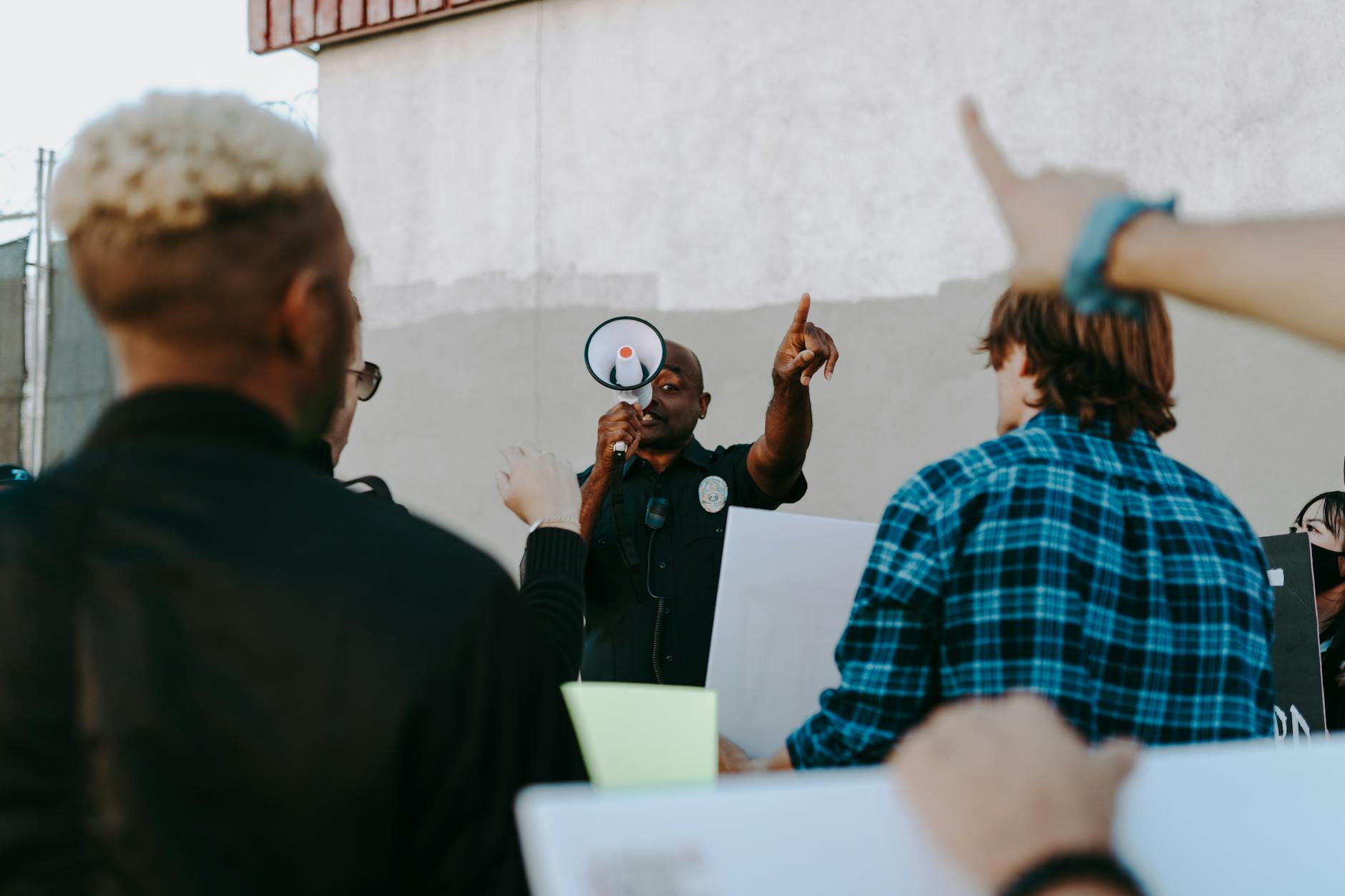
Police authority at protests operates within a framework designed to balance public safety with constitutional rights. Officers can stop individuals if they have reasonable suspicion of illegal activity, such as property damage or violence. This authority extends to requests for identification and brief investigative detentions. However, police cannot arbitrarily stop or detain protesters without cause.
A study by the National Police Foundation found that clear communication from officers about their authority reduces tensions during protests. Police often rely on crowd control measures, including barricades and designated protest zones, to maintain order. These measures aim to prevent escalation while allowing peaceful assembly. Protesters should familiarize themselves with local laws to understand their rights and the boundaries of police authority.
Expert analysis suggests that police presence at protests can deter violence, but excessive force or arbitrary stops can escalate tensions. Officers must adhere to guidelines that prioritize de-escalation and respect for individual rights. Understanding these dynamics helps both protesters and police navigate interactions more effectively. This balance is crucial for maintaining public trust and ensuring safe, lawful demonstrations.
When Officers Can Lawfully Intervene

Police officers have clear legal boundaries when intervening at protests. They can lawfully stop individuals if there is reasonable suspicion of criminal activity, such as vandalism or assault. This authority stems from the Fourth Amendment, which protects against unreasonable searches and seizures. However, officers cannot target protesters solely based on their presence at a demonstration.
According to the American Civil Liberties Union, police can intervene when there is an imminent threat to public safety. This includes situations where protesters block traffic or engage in violent behavior. Officers must have specific, articulable facts to justify their actions. Random stops without cause violate constitutional rights and can lead to legal consequences for law enforcement.
Body-worn cameras and independent oversight play crucial roles in ensuring accountability. A 2020 study found that police body cameras reduced use of force by 50% in some departments. These tools help document interactions and provide evidence if officers overstep their authority. Protesters should know their rights and remain calm during encounters with law enforcement.
Your Rights During Protests and Police Encounters

Protesters in the United States enjoy certain constitutional rights, but these are not absolute. The First Amendment protects freedom of speech and assembly, but law enforcement can impose reasonable time, place, and manner restrictions. Police can stop individuals at protests if they have reasonable suspicion of illegal activity or to maintain public safety. However, officers cannot target someone based solely on their participation in a protest or their political views.
During police encounters, individuals have the right to remain silent and refuse searches. According to the American Civil Liberties Union, police can ask questions, but people are not obligated to answer. If an officer requests identification, individuals must comply if they are driving or in certain locations, but they can politely decline otherwise. It's crucial to stay calm and avoid physical resistance, as this can escalate the situation.
Documenting police activity is a protected right. Protesters and bystanders can record interactions with law enforcement, provided they do not interfere with police operations. The U.S. Department of Justice has affirmed that recording police activity in public spaces is a constitutionally protected right. However, individuals should maintain a safe distance and avoid obstructing police work.
If police stop someone at a protest, they should ask if they are being detained. If not, individuals can calmly walk away. If detained, they should ask if they are under arrest and, if not, they can leave. Understanding these rights can help protesters navigate encounters with law enforcement safely and effectively.
Steps to Take if Stopped at a Demonstration

When police stop individuals at a demonstration, remaining calm and composed is crucial. Keep hands visible and avoid sudden movements. A study by the National Police Foundation found that de-escalation techniques significantly reduce tensions during protests. If asked to identify oneself, provide only the required information. Remember, police may request identification but cannot compel individuals to provide additional details without reasonable suspicion.
Documenting the encounter can be helpful. Use a phone or camera to record interactions, maintaining a safe distance. Police cannot confiscate recording devices without cause. However, interfering with law enforcement activities may lead to arrest. Stay observant of surroundings and other protesters. Understanding the situation helps in making informed decisions about personal safety and legal rights.
If detained, remain silent and request an attorney immediately. The right to legal counsel is protected under the Sixth Amendment. Avoid discussing the incident with others until consulting with a lawyer. Police may use statements made during detention as evidence. Staying silent is a fundamental right and often the best course of action.
After the encounter, write down details while they are fresh. Include dates, times, locations, and names of officers involved. This information can be vital for legal proceedings. Seek legal advice promptly. Organizations like the American Civil Liberties Union offer resources and support for individuals involved in protests. Understanding rights and responsibilities helps ensure a safer and more informed participation in demonstrations.
The Future of Protest Policing
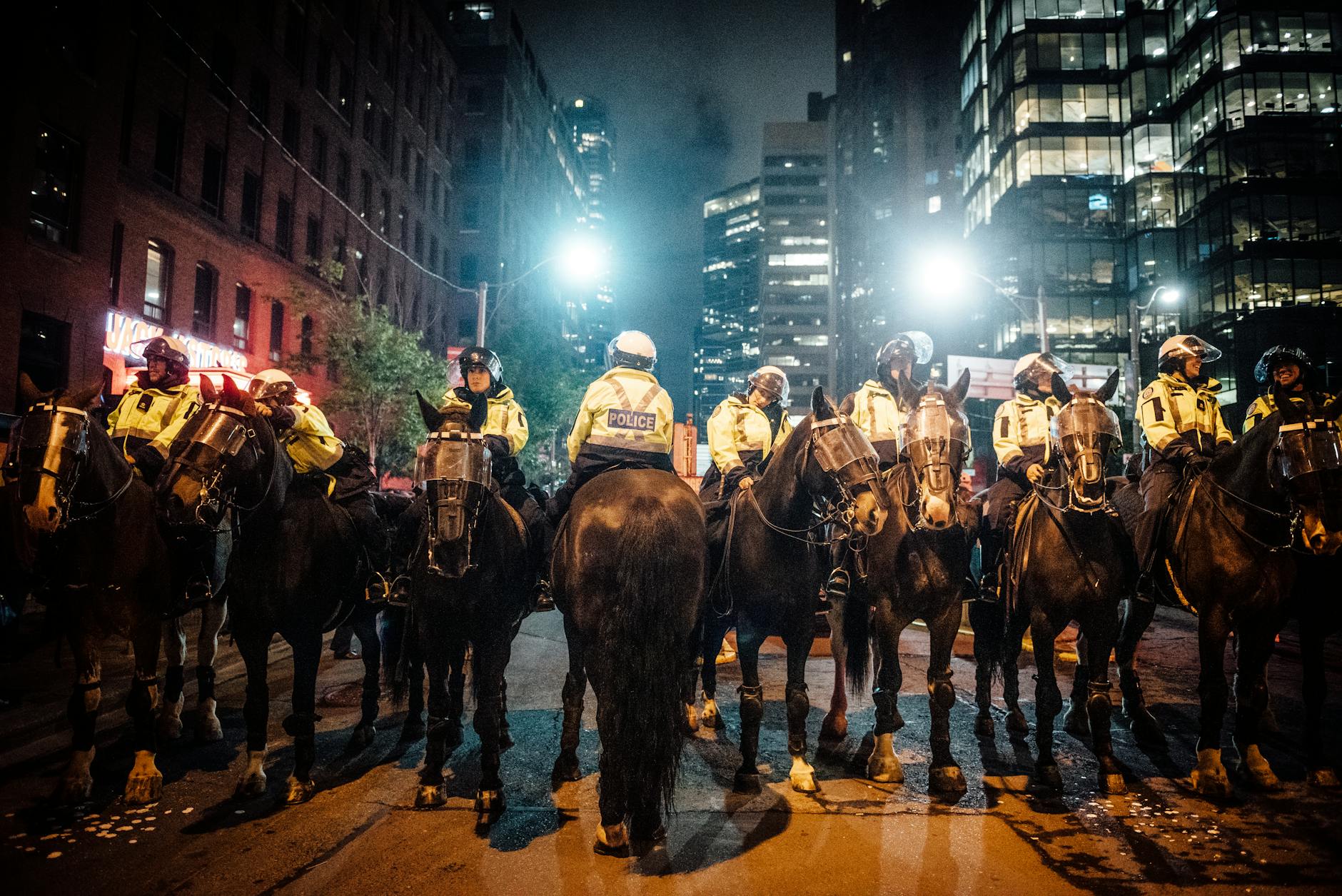
Protest policing is evolving, with law enforcement agencies increasingly adopting community-oriented strategies. These approaches emphasize de-escalation, dialogue, and building trust with demonstrators. A 2022 study by the National Police Foundation found that agencies employing these methods reported fewer arrests and incidents of violence at protests. However, critics argue that such strategies require significant training and resources, which not all departments possess.
Technology is also reshaping protest policing. Body-worn cameras, drones, and facial recognition software are becoming more common. While these tools can enhance accountability and situational awareness, they raise concerns about privacy and surveillance. Experts suggest that clear policies and public oversight are crucial to balance these technological advancements with civil liberties.
Legal frameworks governing protest policing are under scrutiny. Courts are increasingly examining the constitutionality of police actions during demonstrations. Recent rulings have emphasized the importance of protecting First Amendment rights while maintaining public safety. This legal evolution is likely to influence police tactics and training in the coming years.
Ultimately, the future of protest policing hinges on finding a balance between order and freedom. As society grapples with these challenges, the role of law enforcement will continue to evolve. Effective protest policing requires a commitment to both public safety and the protection of constitutional rights.
Understanding your rights during protests is crucial, especially knowing when police intervention is lawful. Generally, police can stop and question individuals at protests if they have reasonable suspicion of illegal activity, but they cannot arbitrarily target participants. To navigate these situations safely, familiarize yourself with local laws and protest guidelines, and consider carrying a copy of your rights to reference if needed. As activism continues to shape communities, staying informed will empower individuals to participate in protests while understanding the boundaries of police authority.
Need this answered for your specific case?
Get a flat-fee consultation with a verified U.S. immigration attorney. Engagement letter on every paid consult.
Related guides
This guide provides general legal information and does not create an attorney–client relationship. Information accurate as of July 2026. Always verify current USCIS guidance before acting.