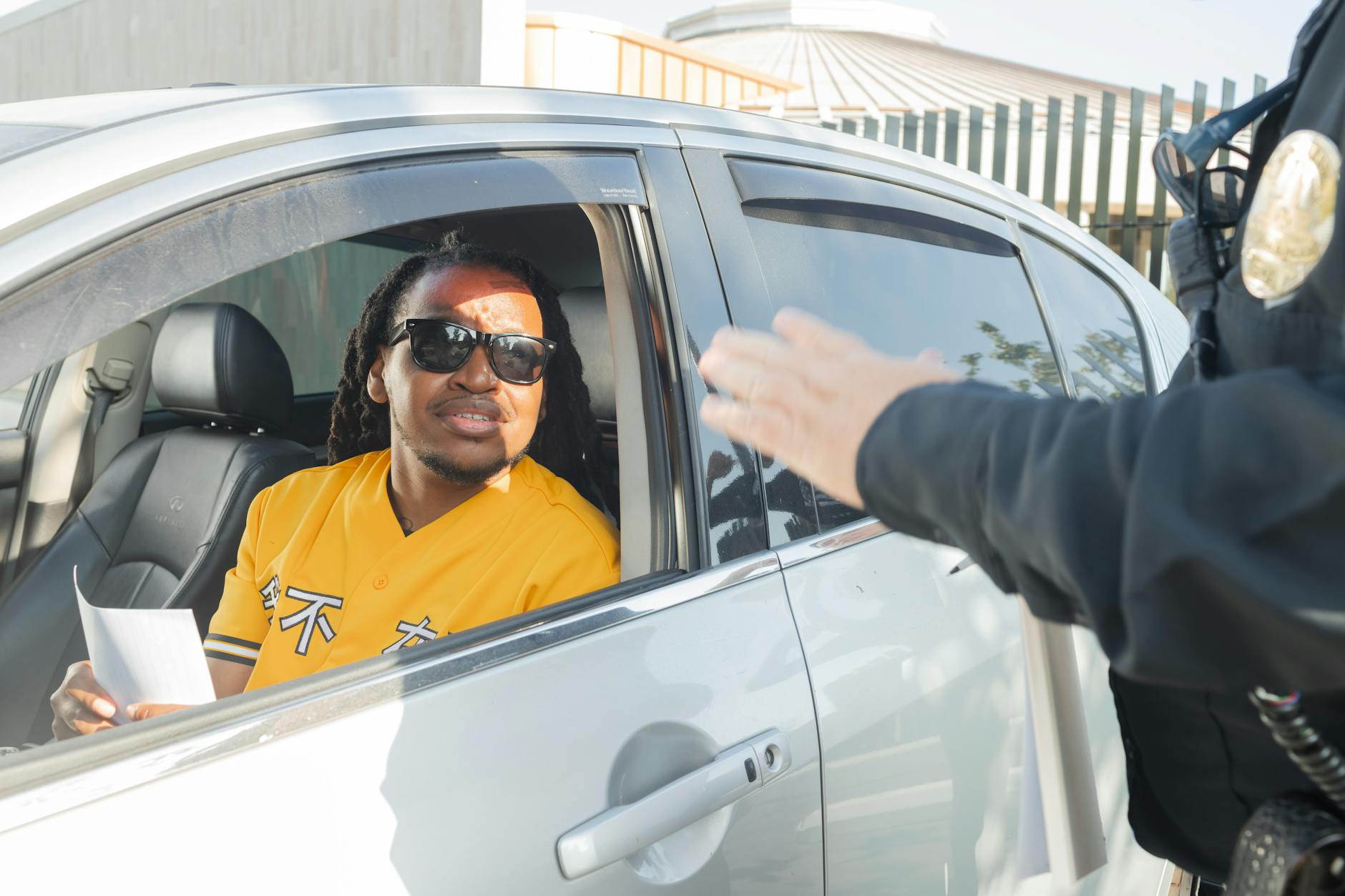
Every year, millions of Americans encounter law enforcement officers on the street, often wondering about their rights. Police officers have the authority to stop individuals for specific reasons, but not arbitrarily. Understanding these reasons is crucial for every citizen to navigate interactions with law enforcement confidently.
Knowing whether police can stop you on the street and under what circumstances empowers individuals to assert their rights and ensures they comply with legal requirements. The ability to recognize valid reasons for a police stop can make a significant difference in how these encounters unfold. Whether it's for investigative purposes, ensuring public safety, or enforcing traffic laws, understanding the parameters of police authority helps maintain a balance between security and personal freedoms. The question of can police stop you on the street is not just a legal query but a practical one that affects daily life.
Understanding Police Authority on Public Streets
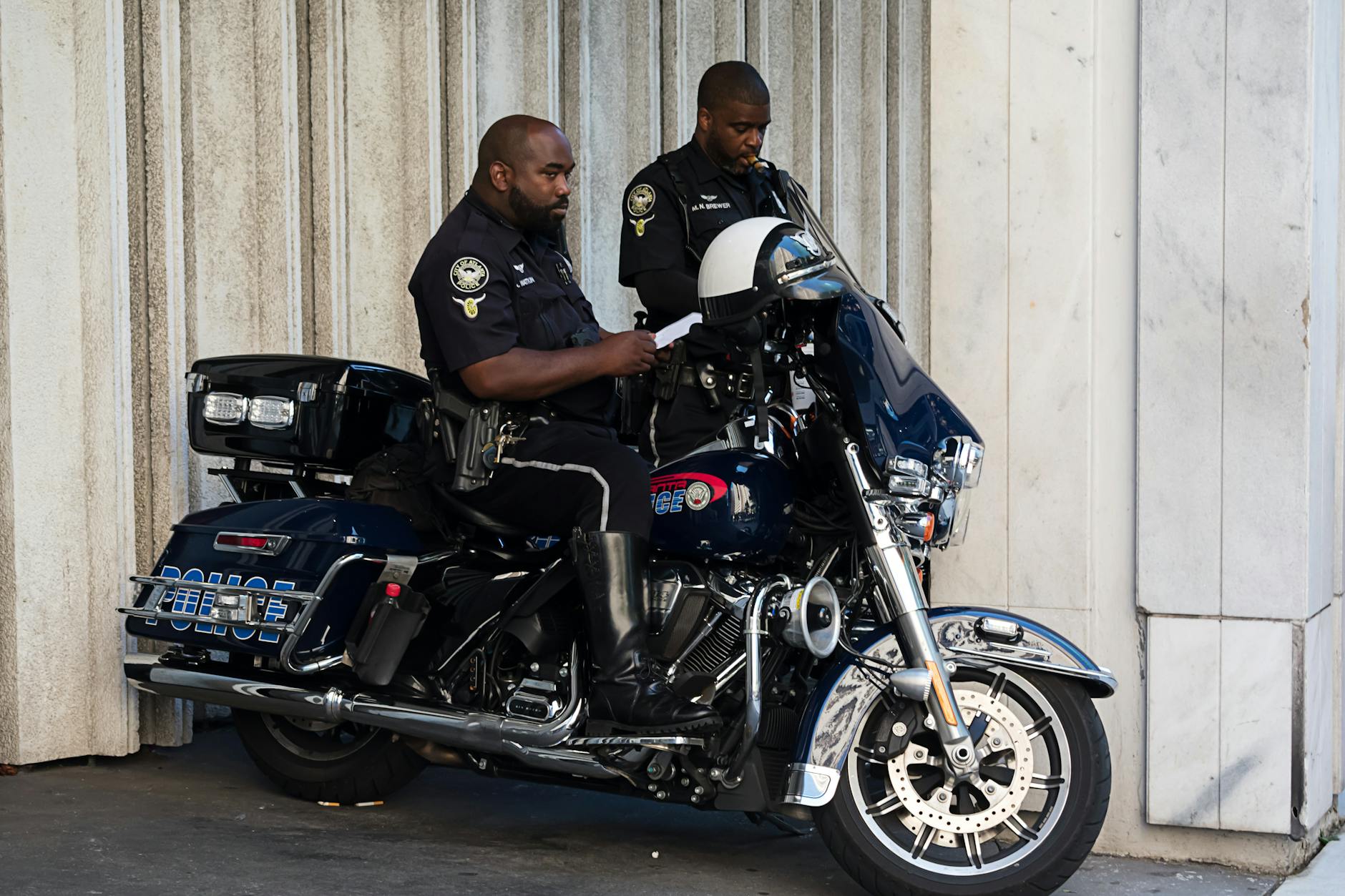
Police officers hold significant authority on public streets, a power granted to maintain public order and safety. Their ability to stop individuals stems from legal frameworks designed to balance security needs with personal freedoms. Generally, officers can approach anyone in public spaces, but specific reasons justify detaining or questioning individuals. Understanding these boundaries helps citizens navigate interactions with law enforcement confidently.
A key aspect of police authority involves the concept of "reasonable suspicion." This legal standard allows officers to stop someone if they have specific, articulable facts indicating criminal activity. For instance, if an officer observes someone matching a suspect description near a recent crime scene, they may initiate a stop. According to legal experts, this standard prevents arbitrary detentions while enabling proactive policing.
Police can also stop individuals for investigative purposes, such as gathering information about a crime. However, these stops must comply with constitutional protections against unreasonable searches and seizures. Officers typically need more than a hunch; they require observable behavior or information suggesting involvement in illegal activity. This careful balance ensures police can perform their duties without infringing on civil liberties.
Another common reason for street stops involves traffic violations or public safety concerns. Officers may approach pedestrians jaywalking, loitering, or behaving erratically. These interactions often serve preventive purposes, addressing potential hazards before they escalate. Studies show that clear communication and professional conduct during these stops can significantly reduce tensions between officers and the public.
Key Factors That Trigger Police Interventions
Police interventions on the street typically stem from three primary factors: suspicious behavior, information from the public, or routine patrols. Suspicious behavior often triggers police attention. This can include erratic movements, loitering in areas known for criminal activity, or behavior that suggests someone may be involved in illegal activities. According to a study by the National Institute of Justice, suspicious behavior accounts for nearly 40% of street stops.
Tips from the public also play a significant role. Citizens often contact law enforcement when they witness suspicious activities or potential crimes. Police rely on these tips to maintain public safety and prevent criminal acts. However, the reliability of these tips varies, and officers must use their discretion to determine the validity of the information received.
Routine patrols are another key factor. Police officers patrol neighborhoods to deter crime and ensure public safety. During these patrols, officers may observe situations that warrant further investigation. For instance, an officer might notice a vehicle parked in a restricted area or an individual acting unusually. These observations can lead to brief interactions or more extensive investigations, depending on the circumstances.
Expert opinions highlight the importance of training in these interventions. Law enforcement agencies emphasize the need for officers to be well-trained in recognizing suspicious behavior and handling public tips effectively. Proper training helps officers make informed decisions and ensures that interventions are conducted lawfully and respectfully. This approach not only enhances public safety but also builds trust between the community and law enforcement.
How Officers Assess Suspicious Behavior

Police officers receive extensive training to recognize suspicious behavior. They look for specific indicators that might suggest criminal activity. These include nervousness, avoidance of eye contact, or unusual movements. Officers also consider the context, such as the time of day and the location. For instance, someone loitering near a series of recent burglaries might draw attention.
Body language plays a crucial role in assessments. Officers observe posture, gestures, and facial expressions. A study by the International Association of Chiefs of Police found that 80% of communication is non-verbal. This means officers often rely on visual cues more than verbal interactions. However, they must balance these observations with other factors to avoid profiling.
Officers also consider the environment and the individual's behavior within it. For example, someone running away from a crime scene might be stopped for questioning. But context matters. Running in a park might not raise the same suspicions as running from a bank during business hours. Officers must weigh all factors before making a decision.
Training emphasizes the importance of objectivity. Officers are taught to document their observations thoroughly. This helps in court if the stop leads to an arrest. Proper documentation can mean the difference between a case being dismissed or upheld. It also protects officers from false accusations of misconduct.
Your Rights During a Street Stop
When police stop someone on the street, individuals have specific rights that protect them from unreasonable searches and seizures. The Fourth Amendment of the U.S. Constitution shields people from arbitrary stops and requires police to have reasonable suspicion before detaining someone. This means officers must have specific, articulable facts that a person has committed, is committing, or is about to commit a crime.
During a stop, police can ask questions, but individuals aren't obligated to answer. Remaining silent is a constitutional right, but it's crucial to inform officers that you're exercising it. For instance, if asked, "Do you know why I stopped you?" a person can respond, "I don't wish to answer any questions." According to the American Civil Liberties Union (ACLU), police cannot punish someone for refusing to answer questions or for remaining silent.
Police may pat down a person's outer clothing if they suspect the individual is armed and dangerous. However, they can't conduct a full search without consent or a warrant. If officers ask to search a person or their belongings, it's within rights to say no. A 2014 study by the National Association of Criminal Defense Lawyers found that many unlawful searches occur when individuals consent without understanding their rights.
If police detain someone without reasonable suspicion, it's essential to remember the details of the encounter. Write down the officers' badge numbers, patrol car numbers, and descriptions of what happened. This information can be vital if legal action becomes necessary. Always remain calm and polite, as hostility can escalate the situation.
Improving Community Relations Through Transparency

Transparency between law enforcement and communities builds trust. When police clearly explain why they stop someone, it demystifies the process. This clarity helps people understand their rights and the officer's role. A study by the Police Executive Research Forum found that clear communication during stops reduces tension and improves public perception of police.
Police departments can enhance transparency through training. Officers learn to articulate their reasons for stopping someone concisely. This practice ensures that individuals feel respected and informed. Regular feedback from community members helps refine these communication strategies. It creates a loop of continuous improvement.
Body-worn cameras play a crucial role in transparency. They provide an objective record of interactions between officers and the public. When officers know they are being recorded, they tend to act more professionally. This accountability benefits both the police and the community. It fosters a culture of mutual respect and understanding.
Community engagement initiatives further strengthen relations. Police departments can host town halls or workshops to discuss street stops. These events allow for open dialogue and address concerns. When communities see police as approachable and accountable, trust grows. This trust is vital for maintaining public safety and cooperation.
Understanding the specific reasons police can stop you on the street empowers individuals to navigate such encounters with confidence and awareness. Remember, police officers must have reasonable suspicion or a valid warrant to stop you, and knowing your rights ensures you can respond appropriately. As communities continue to focus on police accountability and transparency, staying informed about these interactions remains crucial for both citizens and law enforcement.
Need this answered for your specific case?
Get a flat-fee consultation with a verified U.S. immigration attorney. Engagement letter on every paid consult.
Related guides
This guide provides general legal information and does not create an attorney–client relationship. Information accurate as of July 2026. Always verify current USCIS guidance before acting.