
Over 200 languages are spoken in the United States, creating complex communication challenges for law enforcement. Police departments across the country are responding by expanding interpreter programs to bridge language gaps and improve public safety. These initiatives aim to ensure that language barriers do not hinder effective policing or community engagement.
Can police use interpreters? Absolutely. The growing recognition of this need has led to partnerships with community organizations, the deployment of language access coordinators, and the integration of technology-assisted interpretation tools. Can police use interpreters effectively? Success depends on proper training, cultural competency, and consistent access to qualified interpreters. These efforts not only enhance officer-community interactions but also ensure that all residents, regardless of their language background, receive equal protection and service.
Bridging language gaps in law enforcement
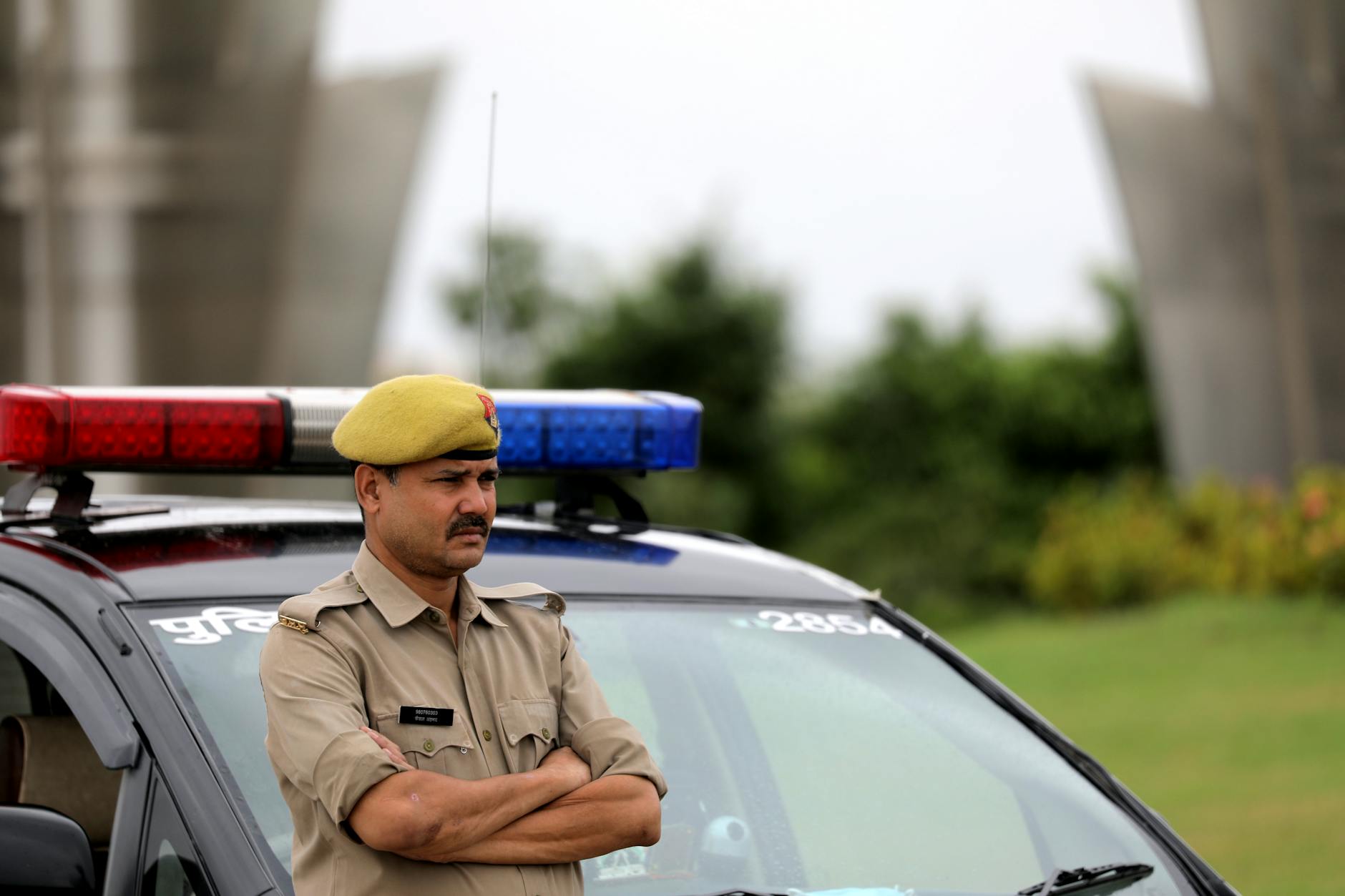
Police departments across the country are increasingly turning to interpreter programs to bridge language gaps and improve communication with diverse communities. These programs enable law enforcement officers to effectively interact with non-English speakers, ensuring that language barriers do not hinder public safety efforts. By utilizing professional interpreters, police departments can provide accurate information, gather crucial evidence, and build trust with limited English proficient individuals.
A study by the U.S. Department of Justice found that 22% of limited English proficient individuals reported difficulty communicating with law enforcement. This statistic underscores the critical need for interpreter services in police departments. Language experts emphasize that accurate communication is vital for de-escalating tense situations and ensuring the rights of all individuals are protected.
Interpreter programs also play a pivotal role in emergency situations. When seconds count, clear communication can mean the difference between life and death. Police departments equipped with interpreter services can swiftly respond to calls involving non-English speakers, ensuring that critical information is conveyed accurately and promptly. This proactive approach not only enhances public safety but also fosters a more inclusive and equitable community.
As police departments continue to expand their interpreter programs, they are setting a new standard for effective communication in law enforcement. By investing in these services, departments demonstrate their commitment to serving all members of the community, regardless of language barriers. This initiative not only improves public safety but also strengthens the bond between law enforcement and the communities they serve.
How interpreter programs operate in police departments
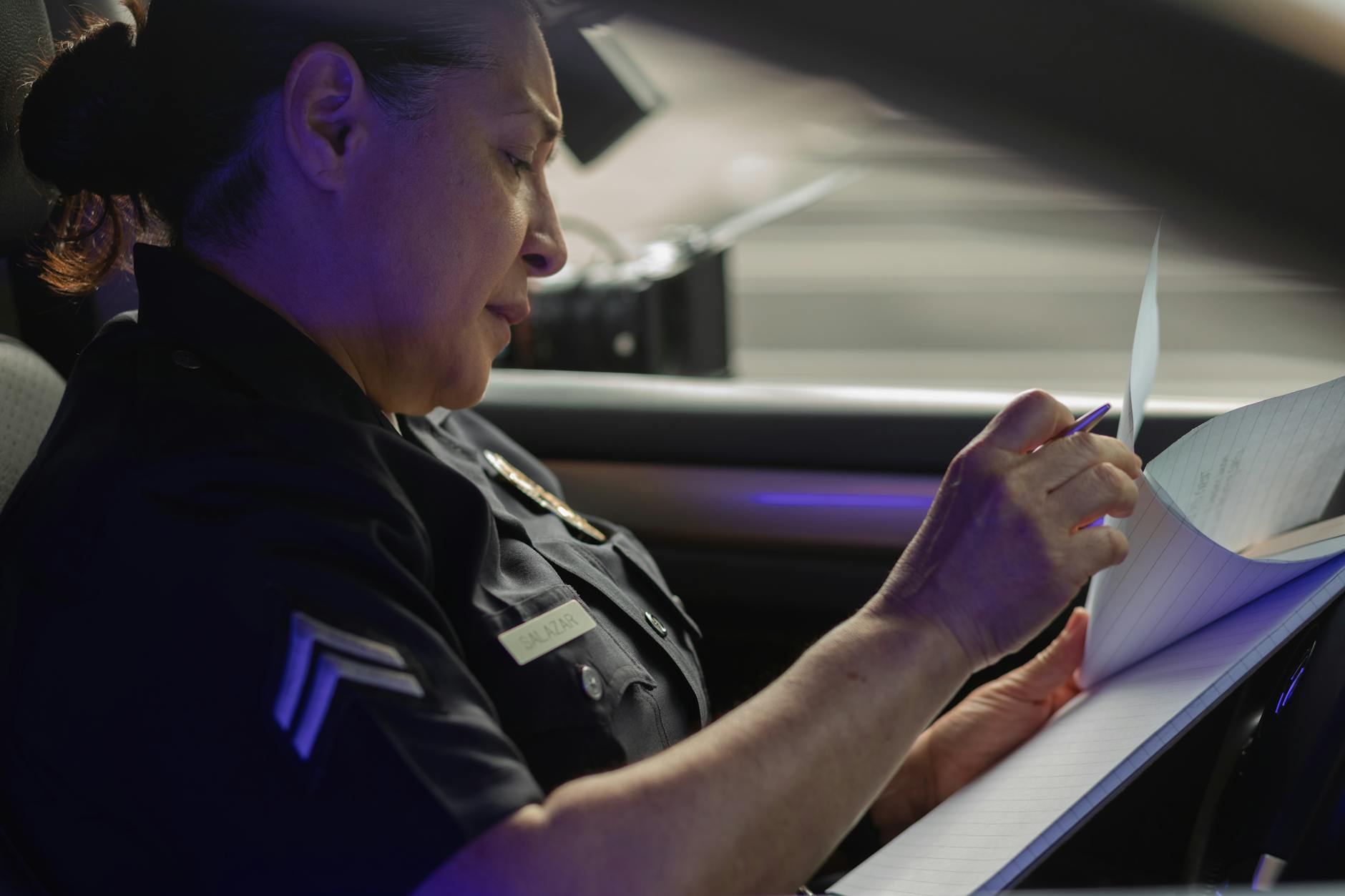
Interpreter programs in police departments typically operate through a combination of in-house staff and external services. Many departments employ bilingual officers or have dedicated interpreter staff to handle routine communications. These professionals often undergo rigorous training to ensure they can accurately convey information between law enforcement and non-English speakers. Their role is crucial in maintaining clear and effective communication during investigations, interviews, and community interactions.
A significant number of departments also rely on telephone or video remote interpreting services. These services provide immediate access to interpreters for various languages, ensuring that language barriers do not hinder police work. According to a recent study by the National Police Foundation, over 60% of police departments in the U.S. use some form of remote interpreting service. This approach allows for quick response times and access to a wide range of languages that may not be available locally.
Training is a key component of successful interpreter programs. Police departments often collaborate with language experts and cultural competency trainers to educate officers on best practices for working with interpreters. This training helps officers understand the nuances of language and culture, ensuring that communications are accurate and respectful. Effective interpreter programs not only improve communication but also build trust between law enforcement and diverse communities.
Ensuring accurate communication during critical moments

Police departments across the country are prioritizing accurate communication during critical moments by expanding interpreter programs. These initiatives ensure that language barriers do not hinder effective law enforcement. Officers now have access to trained interpreters who can facilitate clear and precise communication with non-English speakers. This is crucial during emergencies, investigations, and community interactions.
Studies show that miscommunication can lead to severe consequences, including wrongful arrests or escalated conflicts. A report by the National Association for Black and Latino Interpreters highlights that accurate interpretation reduces misunderstandings by up to 70%. Police departments are investing in interpreter training to bridge these gaps. This training includes not just language skills but also cultural competency, ensuring officers understand the nuances of communication in diverse communities.
Experts emphasize the importance of having interpreters on standby during high-stakes situations. For instance, during hostage negotiations or emergency medical responses, every word matters. Police departments are collaborating with community organizations to recruit and train interpreters who are familiar with local dialects and slang. This proactive approach ensures that communication remains clear and effective, even in the most challenging circumstances.
Some departments have implemented technology to support their interpreter programs. Mobile apps and video conferencing tools allow officers to connect with interpreters instantly. These tools are particularly useful in rural areas where language diversity is growing. By leveraging technology, police departments can ensure that accurate communication is always within reach, regardless of location or language barrier.
Training officers to work effectively with interpreters

Police departments across the country are recognizing the critical role interpreters play in effective community policing. To harness this resource, many agencies have implemented comprehensive training programs for officers. These programs focus on building cultural competency and teaching officers how to work seamlessly with interpreters. The goal is to create a bridge between law enforcement and diverse communities.
Training typically covers the basics of interpreter etiquette, such as maintaining eye contact with the non-English speaker and avoiding jargon. Officers learn to speak in short, simple sentences to facilitate accurate interpretation. Role-playing exercises help officers practice these skills in realistic scenarios. According to a study by the National Institute of Justice, officers who receive this training report feeling more confident and better equipped to serve diverse populations.
Some departments go a step further by incorporating language access into their core training academies. This ensures that new recruits understand the importance of interpreters from day one. Experts agree that this proactive approach fosters a culture of inclusivity within police departments. It also helps to build trust with communities that have historically faced language barriers.
Ongoing training is equally vital. Many departments offer refresher courses and workshops to keep officers up-to-date with best practices. This continuous learning approach helps maintain high standards of communication. Ultimately, well-trained officers and skilled interpreters form a powerful partnership that enhances public safety and community relations.
Expanding services to meet diverse community needs

Police departments across the country are broadening their interpreter services to better serve diverse communities. This expansion reflects a growing recognition that effective communication is crucial for building trust and ensuring public safety. Departments are now hiring interpreters who speak less common languages, such as Somali, Hmong, and indigenous languages, to bridge communication gaps. This proactive approach aims to foster inclusivity and accessibility in law enforcement.
A recent study by a leading criminal justice research institute found that 65% of law enforcement agencies reported improved community relations after implementing comprehensive interpreter programs. These programs not only assist non-English speakers during emergencies but also facilitate everyday interactions, such as reporting crimes or seeking assistance. By providing language support, police departments can ensure that all community members receive equal treatment and protection.
Some departments are also partnering with local community organizations to identify language needs and recruit interpreters. These collaborations help police departments stay informed about the linguistic diversity within their jurisdictions. For instance, a police department in a city with a large refugee population might collaborate with resettlement agencies to hire interpreters who understand the cultural nuances of the communities they serve. This tailored approach enhances the effectiveness of interpreter services and strengthens community-police relations.
In addition to hiring interpreters, some police departments are investing in technology to support language access. Mobile apps and video remote interpreting services allow officers to connect with interpreters in real-time, even in the field. These technological solutions provide immediate support, ensuring that language barriers do not hinder critical communications. By embracing both human and technological resources, police departments can create a more inclusive and responsive law enforcement system.
The expansion of interpreter programs in police departments marks a significant step toward bridging communication gaps and fostering trust within diverse communities. By investing in these programs, law enforcement agencies can ensure more accurate information exchange, reduce misunderstandings, and ultimately enhance public safety. Police departments should prioritize recruiting and training interpreters who are not only fluent in multiple languages but also culturally competent to navigate sensitive situations. As these programs continue to evolve, they hold the potential to redefine community policing, making it more inclusive and effective for all residents.
Need this answered for your specific case?
Get a flat-fee consultation with a verified U.S. immigration attorney. Engagement letter on every paid consult.
Related guides
This guide provides general legal information and does not create an attorney–client relationship. Information accurate as of July 2026. Always verify current USCIS guidance before acting.