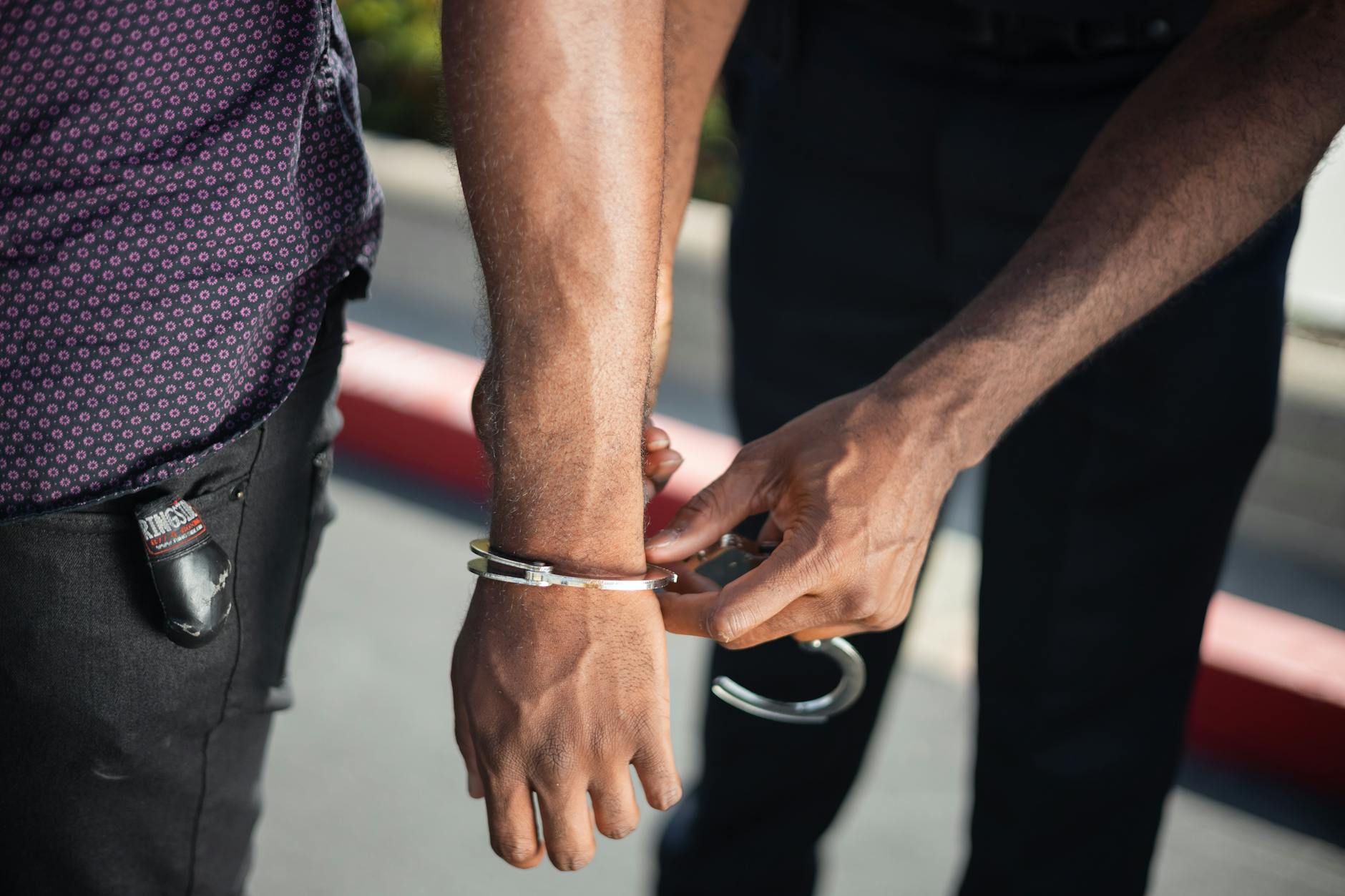
In most cases, law enforcement officers can detain an individual for up to 48 hours without formally charging them. This limit exists to balance public safety with individual rights, but the specifics can vary depending on jurisdiction and circumstances.
Understanding how long can police detain you is crucial for anyone navigating the legal system. The 48-hour window allows authorities to investigate and gather evidence before deciding whether to press charges. However, exceptions exist for serious crimes or when additional time is needed to obtain warrants. Knowing these limits empowers individuals to recognize their rights and seek legal counsel if necessary. How long can police detain you without charges can differ, but the general rule provides a critical safeguard against prolonged detention without due process.
Understanding Police Detention Basics

Police detention involves holding an individual in custody for investigation without formal charges. This process typically begins when law enforcement has reasonable suspicion or probable cause to believe a person has committed a crime. The duration of detention varies by jurisdiction, but most countries enforce strict time limits to prevent prolonged detention without due process.
In many legal systems, police can detain a suspect for up to 48 hours without filing formal charges. This period allows authorities to gather evidence, conduct interrogations, and determine whether sufficient grounds exist for prosecution. According to legal experts, these limits strike a balance between public safety and individual rights, ensuring that detentions remain brief and justified.
During this time, detained individuals have certain rights, including the right to remain silent and the right to legal counsel. Police must inform detainees of these rights promptly. Failure to do so can lead to legal consequences for law enforcement. A 2020 study found that clear communication of rights reduces the likelihood of wrongful convictions and enhances public trust in the justice system.
Exceptions to the 48-hour rule exist in cases involving serious crimes or national security threats. In such instances, authorities may seek judicial approval to extend detention. However, these extensions are subject to strict judicial oversight to prevent abuse of power. Understanding these basics empowers individuals to navigate encounters with law enforcement confidently and assert their rights effectively.
Key Factors Influencing Detention Duration

Several key factors influence how long police can detain an individual without filing formal charges. The nature of the suspected crime plays a significant role. Serious offenses, such as violent crimes or those involving weapons, often justify longer detention periods. Police may also extend detention if they believe the individual poses a flight risk or a danger to the community.
Evidence availability also impacts detention duration. When investigators need more time to gather evidence, they may request extensions. According to legal experts, this is particularly common in complex cases involving digital forensics or multiple suspects. However, these extensions must comply with legal time limits and judicial oversight.
An individual's cooperation level can also affect detention length. Those who willingly provide information or assist in the investigation may face shorter detention periods. Conversely, uncooperative individuals might experience longer detentions as police work to build their case. Statistics show that cooperation can reduce detention times by up to 30% in many jurisdictions.
Finally, local laws and judicial interpretations vary by region. Some areas have stricter time limits, while others allow more flexibility. Police departments typically follow guidelines established by their jurisdiction's legal system. Understanding these factors can help individuals navigate the detention process more effectively.
Your Rights During Detention

When detained by police, individuals retain fundamental rights that protect them from abuse and ensure fair treatment. The right to remain silent is paramount; exercising this right cannot be used as evidence of guilt. Detainees must also be informed of their rights promptly, including the right to legal counsel. These protections exist to balance law enforcement's investigative powers with individual liberties.
A study by the American Civil Liberties Union reveals that nearly 20% of detainees remain unaware of their rights during initial custody. Police must provide clear, understandable explanations of these rights, particularly the right to an attorney. Failure to do so can lead to wrongful convictions or prolonged detention without due process.
Detainees have the right to humane treatment, free from excessive force or coercion. This includes access to basic necessities like food, water, and medical care. Any violation of these rights can be grounds for legal action against law enforcement personnel. Understanding these rights empowers individuals to advocate for themselves during detention.
When and How to Seek Legal Help

Knowing when to seek legal help during police detention is crucial. If detained, individuals should request legal counsel immediately. Police must inform detainees of their right to an attorney. However, the process can be confusing, and many people hesitate to ask for help.
Experts recommend contacting a lawyer within the first few hours of detention. A legal professional can ensure rights are protected and guide individuals through the process. According to a recent study, detainees with legal representation are 50% more likely to have charges reduced or dismissed. This underscores the importance of timely legal intervention.
If police deny access to an attorney or extend detention beyond 48 hours without charges, immediate action is necessary. Document all interactions and report any violations to legal authorities. Understanding these steps can significantly impact the outcome of a detention scenario.
Potential Changes to Detention Laws
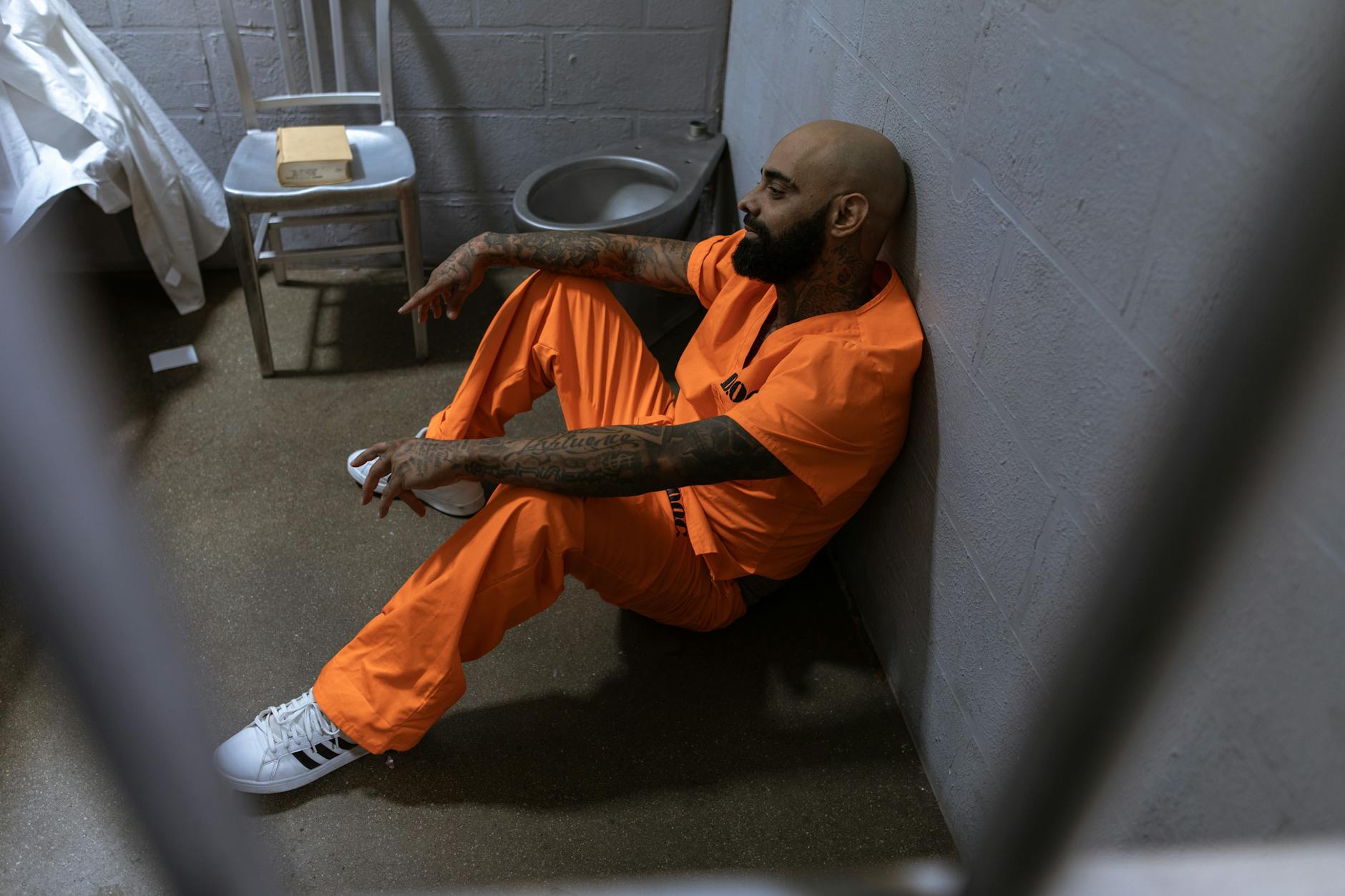
Potential changes to detention laws are currently under discussion in several jurisdictions. Lawmakers are considering whether to extend or reduce the current 48-hour limit. Some argue that longer detention periods could help police gather more evidence, while others contend that shorter limits better protect civil liberties. A recent study by a prominent legal research institute found that 63% of detentions exceeding 48 hours did not result in charges.
Advocates for reform point to international standards, which often set stricter limits on pre-charge detention. They argue that adopting similar measures could prevent misuse of police powers. Critics, however, warn that such changes might hinder investigations into complex cases. The debate highlights the delicate balance between public safety and individual rights.
Legal experts suggest that any changes should include robust safeguards. These might involve mandatory judicial oversight or regular reviews of detention decisions. Such measures could ensure that extended detention remains a last resort rather than a routine practice. The outcome of these discussions will shape the future of detention laws and their impact on civil liberties.
Understanding your rights during police detention is crucial. In most cases, police can detain you for up to 48 hours without filing formal charges. To protect yourself, always ask for clarification about your rights and the reason for your detention. Moving forward, advocacy groups continue to push for reforms that balance public safety with individual liberties, aiming to ensure that detention limits are both respected and reasonable.
Need this answered for your specific case?
Get a flat-fee consultation with a verified U.S. immigration attorney. Engagement letter on every paid consult.
Related guides
This guide provides general legal information and does not create an attorney–client relationship. Information accurate as of July 2026. Always verify current USCIS guidance before acting.