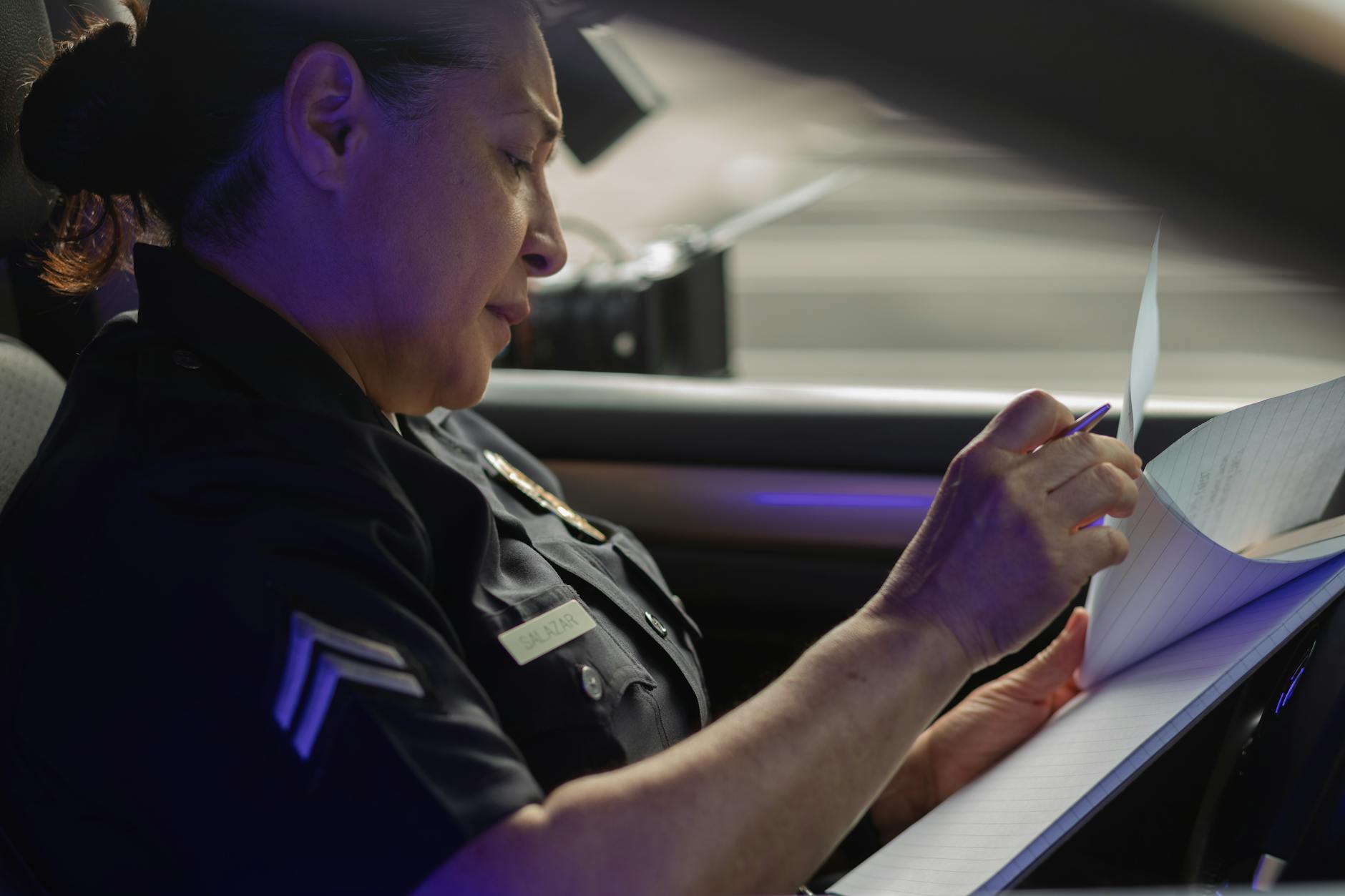
When emergencies strike, police forces across the nation are granted sweeping powers to maintain order and protect citizens. These authorities, often invoked during crises, grant law enforcement extraordinary abilities to ensure public safety. Understanding these powers is crucial for every citizen, as it fosters awareness and cooperation during critical moments.
So, what powers do police have in emergencies? These authorities encompass a range of capabilities designed to swiftly address threats. From imposing curfews to controlling traffic and even suspending certain civil liberties, these powers are a vital tool in the arsenal of law enforcement. What powers do police have in emergencies? They include the authority to seize property, detain individuals, and even restrict assembly. These measures, while extraordinary, are necessary to mitigate risks and restore normalcy. Knowing these powers helps citizens navigate emergencies with clarity and confidence.
Understanding Police Emergency Powers
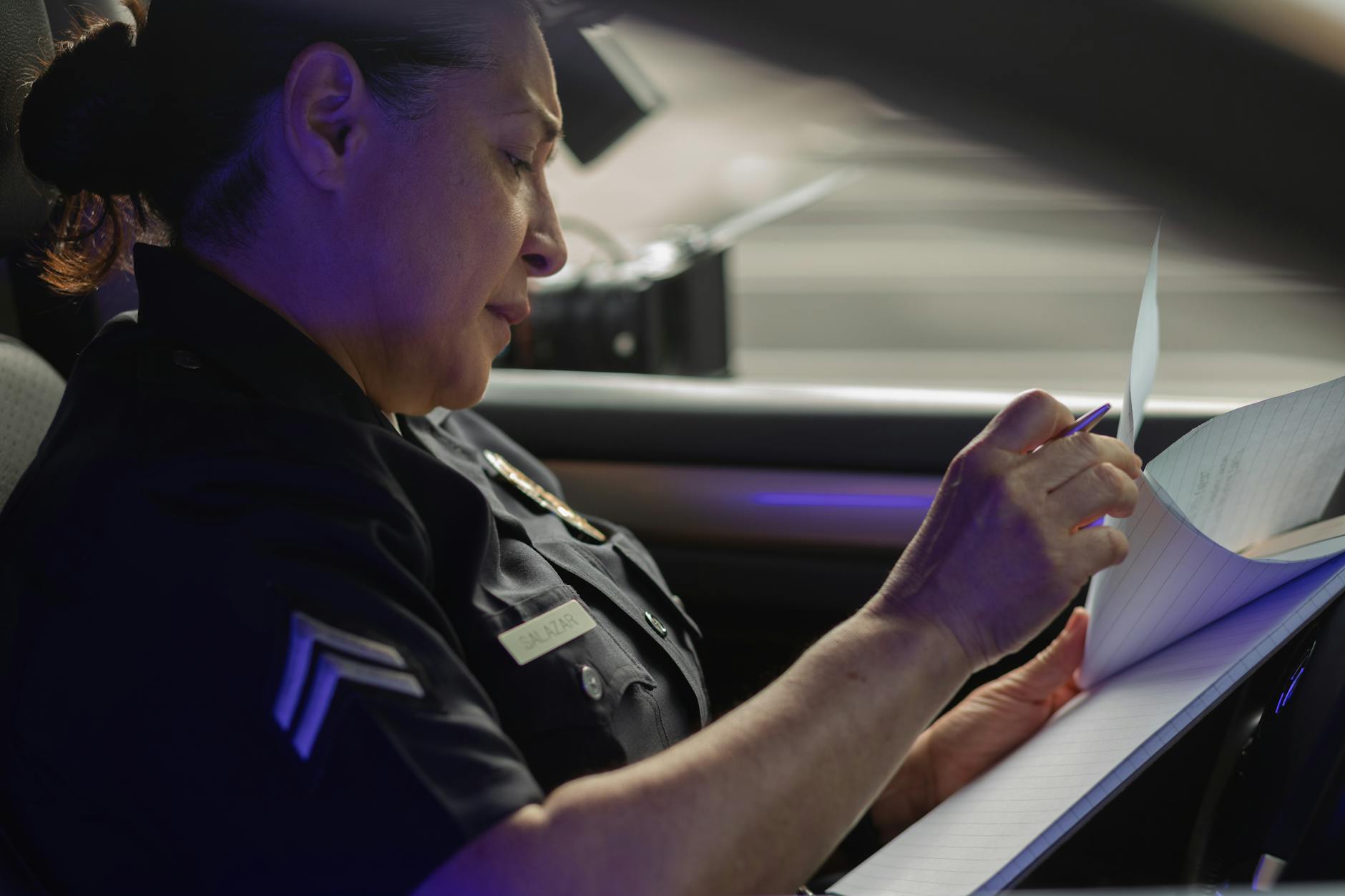
Police emergency powers grant law enforcement officers extraordinary authority during critical situations. These powers enable them to act swiftly and decisively to protect public safety. For instance, officers can detain individuals suspected of criminal activity without immediate arrest, a power known as "stop and detain." This authority helps prevent potential threats while allowing officers to gather more information.
Emergency powers also permit police to enter private property without a warrant under certain circumstances. This is particularly relevant during urgent situations where immediate action is necessary to prevent harm. According to a report by the National Police Foundation, such powers are used sparingly but are crucial in high-stakes scenarios. Officers must balance the need for swift action with respect for individual rights, a delicate but necessary task.
Another key authority is the power to seize evidence or contraband without a warrant. This power is often exercised during active investigations where delay could compromise the case. Police can also impose temporary restrictions on public gatherings or movements to maintain order. These measures are typically time-limited and subject to review to ensure they do not infringe on civil liberties.
Core Authorities Granted in Crises

During emergencies, police forces are granted core authorities to maintain public safety and order. These powers enable law enforcement to act swiftly and decisively. One critical authority is the power to declare and enforce curfews. This measure restricts public movement during specific hours to prevent looting, violence, or other criminal activities. Curfews have proven effective in stabilizing volatile situations, as seen in major cities during civil unrest.
Police also gain the authority to seize property when there is reasonable suspicion of illegal activity. This power helps disrupt criminal operations and gather evidence. According to a report by the National Institute of Justice, property seizures during emergencies have led to significant reductions in organized crime. However, this authority must be exercised with caution to avoid infringing on civil liberties.
Another key authority is the power to detain individuals without immediate charges. This temporary measure allows police to hold suspects for questioning or investigation. The duration of detention varies by jurisdiction but is typically limited to prevent abuse. Experts emphasize the importance of clear guidelines to balance public safety with individual rights.
In emergencies, police can also restrict access to certain areas. This authority helps protect both the public and law enforcement personnel. Roadblocks and checkpoints are common methods used to control entry into affected zones. These measures are crucial during natural disasters or terrorist threats, ensuring that only authorized personnel and emergency responders can access hazardous areas.
Finally, police are granted the authority to use enhanced surveillance techniques. This includes deploying drones, installing additional cameras, and monitoring communications. While these measures raise privacy concerns, they are deemed necessary during crises. A study by the Police Executive Research Forum found that enhanced surveillance significantly improves response times and operational efficiency in emergencies.
How Police Act During Emergencies
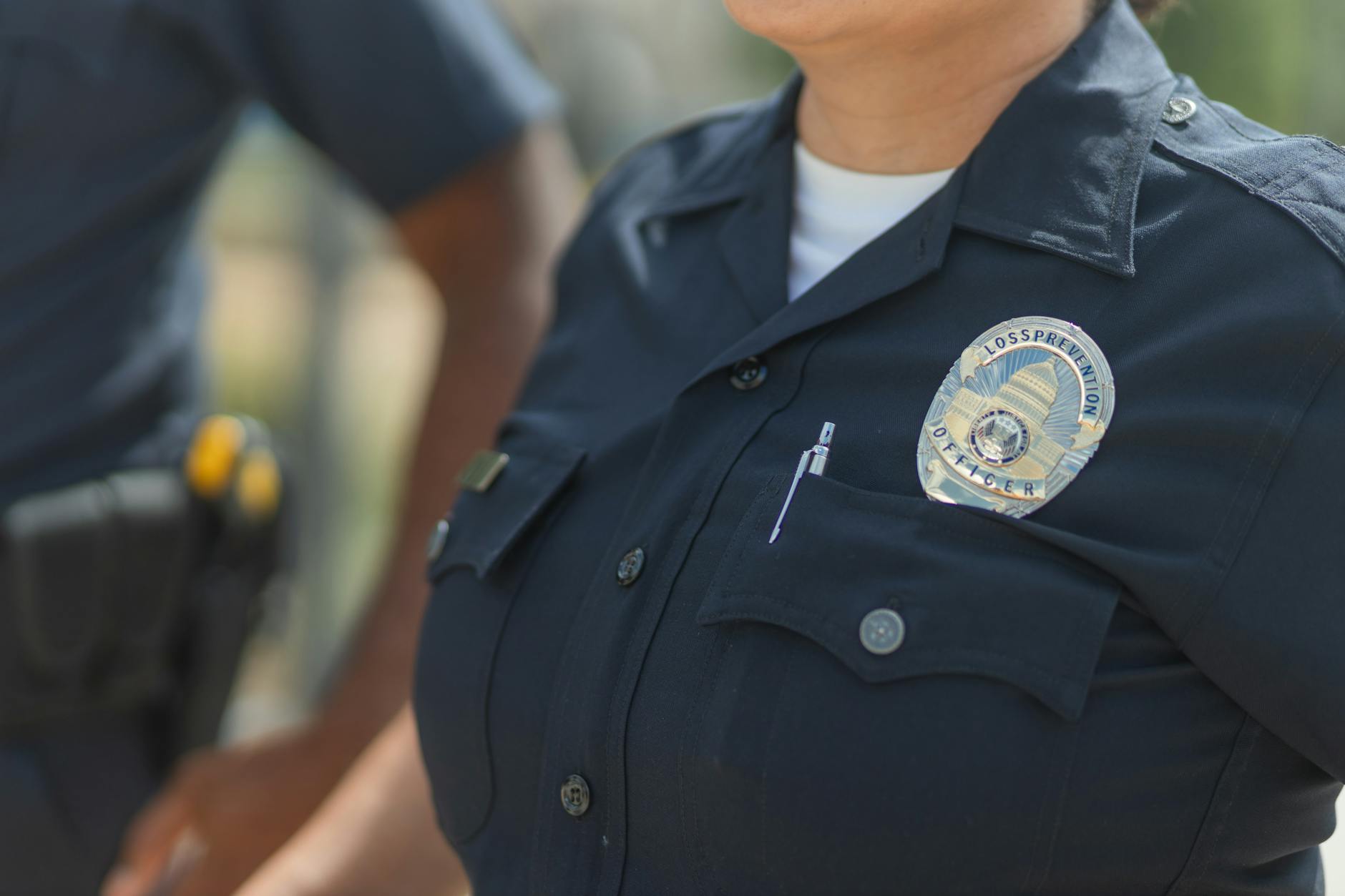
When emergencies strike, police forces activate a range of powers designed to protect public safety and maintain order. Officers can establish exclusion zones, restricting access to affected areas to prevent further harm. They also have the authority to evacuate residents and businesses, ensuring people move to safer locations quickly. These measures are crucial in situations like natural disasters or hazardous material spills, where immediate action can save lives.
Police can also enforce curfews during emergencies, limiting movement during specific hours to reduce risks. This power helps prevent looting and minimizes unnecessary exposure to danger. According to emergency management experts, curfews have proven effective in maintaining order during crises. Officers patrol streets to ensure compliance, using both presence and communication to keep the public informed.
In severe cases, police may suspend certain civil liberties temporarily. This includes the right to assemble or the right to bear arms, depending on the nature of the emergency. Such actions require careful consideration and are typically subject to legal oversight. The goal is always to balance public safety with individual rights, ensuring protections are reinstated as soon as possible.
Throughout emergencies, police coordinate closely with other agencies, including fire departments and medical services. This collaboration ensures a unified response, with resources deployed efficiently. Clear communication between agencies helps address the emergency's unique challenges effectively. The police's role in emergencies is both critical and complex, requiring swift decision-making and adaptability.
Community Impact of Emergency Powers
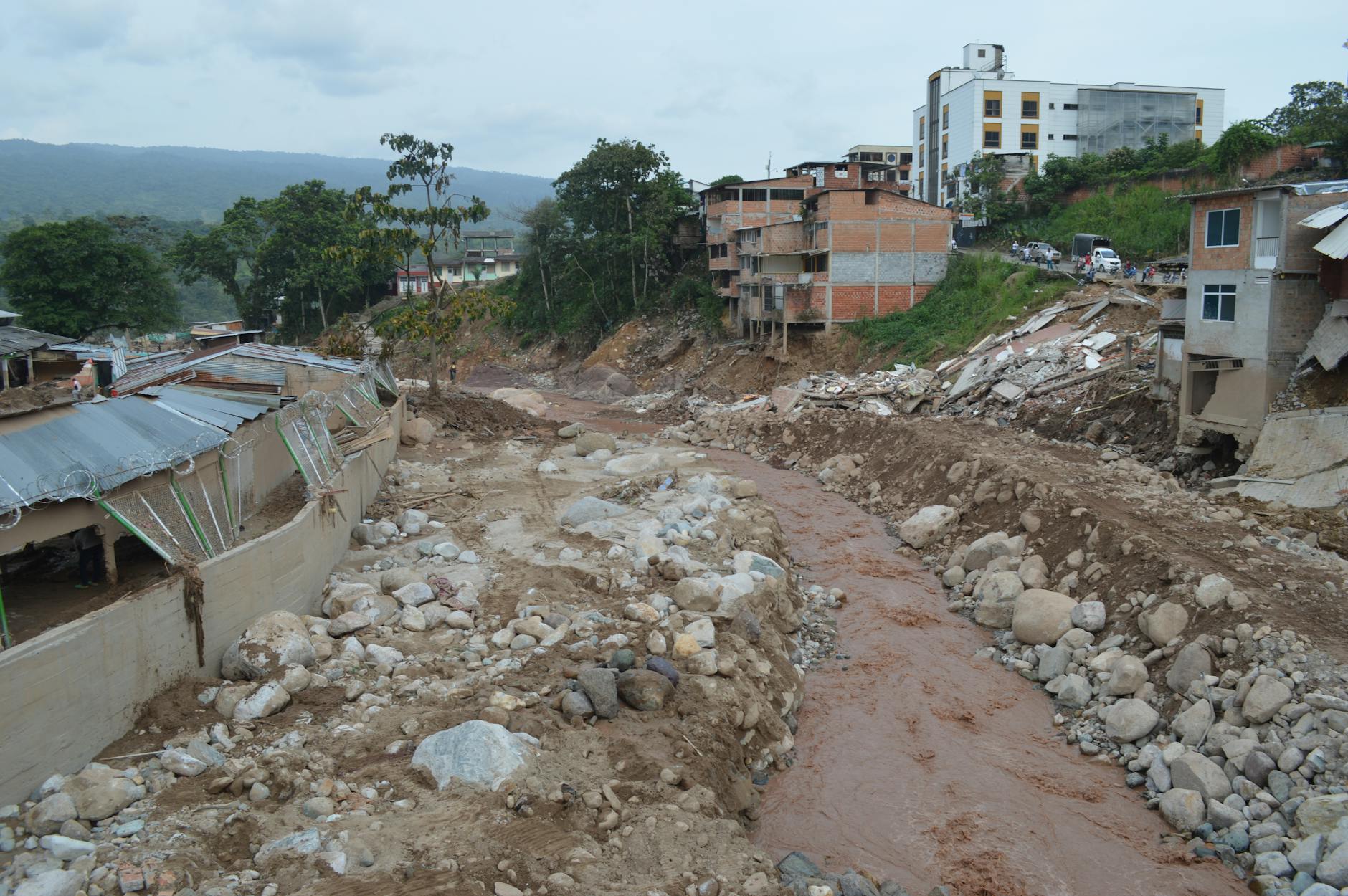
The deployment of emergency powers significantly alters police-community dynamics. During crises, law enforcement agencies gain expanded authorities to maintain order, often leading to increased police presence in neighborhoods. This heightened visibility can foster a sense of security among residents but may also raise concerns about civil liberties. A 2021 study by the National Police Research Platform found that 68% of communities reported feeling safer during states of emergency, while 32% expressed worries about potential overreach.
Emergency powers frequently grant police the ability to impose curfews and restrict public gatherings. While these measures aim to prevent violence and protect public health, they can disrupt daily life and strain community relations. Police must balance enforcement with sensitivity, ensuring that emergency measures do not disproportionately affect vulnerable populations. Effective communication becomes crucial in maintaining public trust during these challenging times.
Community impact extends beyond immediate safety concerns. Emergency powers can strain police resources, diverting personnel and equipment from routine patrols and community engagement initiatives. This redirection may leave neighborhoods feeling neglected, particularly in areas already experiencing high crime rates. Law enforcement agencies must strategize to mitigate these effects, ensuring that emergency responses do not compromise long-term community policing goals.
Evolving Laws for Modern Threats
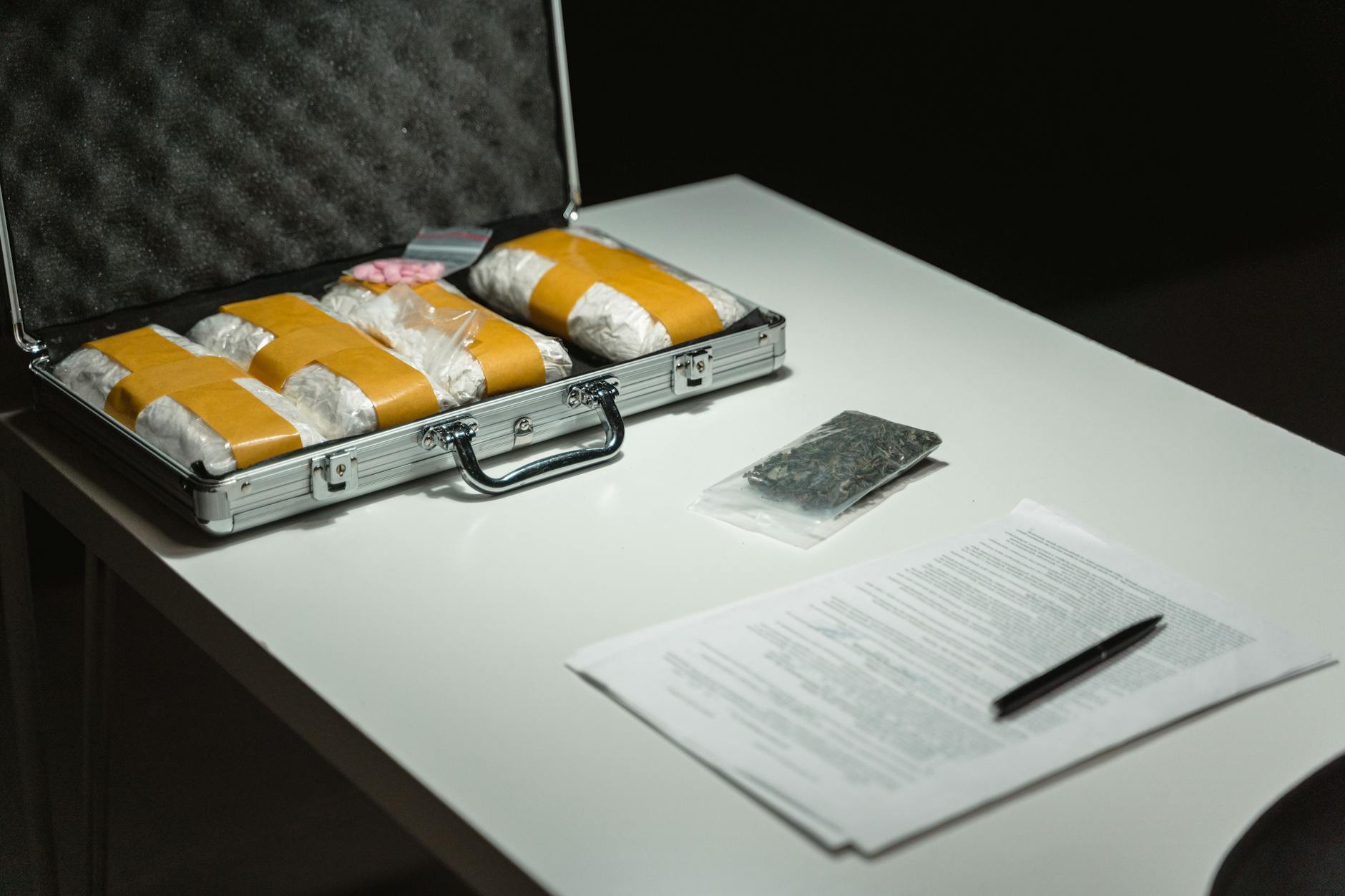
As threats evolve, so do the laws governing emergency police powers. Legislatures worldwide have recognized the need for flexible legal frameworks that empower law enforcement to respond effectively to modern crises. These adaptations often come in response to high-profile incidents, such as terrorist attacks or natural disasters, that expose gaps in existing laws.
One significant evolution is the expansion of preventive detention powers. Police can now detain individuals suspected of planning terrorist acts or other serious crimes, even without immediate evidence. This shift reflects a broader global trend toward prioritizing public safety over individual liberties in extreme circumstances. However, these powers are often subject to strict judicial oversight to prevent abuse.
A 2022 report by the International Association of Chiefs of Police highlighted that 78% of law enforcement agencies have updated their emergency protocols in the past decade. These updates typically include provisions for rapid response, enhanced surveillance, and temporary restrictions on public movement. Such measures aim to balance security needs with constitutional protections.
Another key development is the integration of technology into emergency powers. Police now routinely use drones, facial recognition software, and data analytics to monitor and manage crises. These tools enable faster, more precise interventions but also raise concerns about privacy and civil liberties. As technology advances, so too must the legal safeguards governing its use.
Understanding the seven key authorities granted to police during emergencies is crucial for both law enforcement and the public. These powers, ranging from search and seizure to public assembly restrictions, are designed to maintain order and safety in critical situations. To navigate emergencies effectively, citizens should familiarize themselves with these provisions and know their rights. Moving forward, ongoing dialogue between communities and law enforcement will be essential to ensure these powers are used responsibly and transparently.
Need this answered for your specific case?
Get a flat-fee consultation with a verified U.S. immigration attorney. Engagement letter on every paid consult.
Related guides
This guide provides general legal information and does not create an attorney–client relationship. Information accurate as of July 2026. Always verify current USCIS guidance before acting.