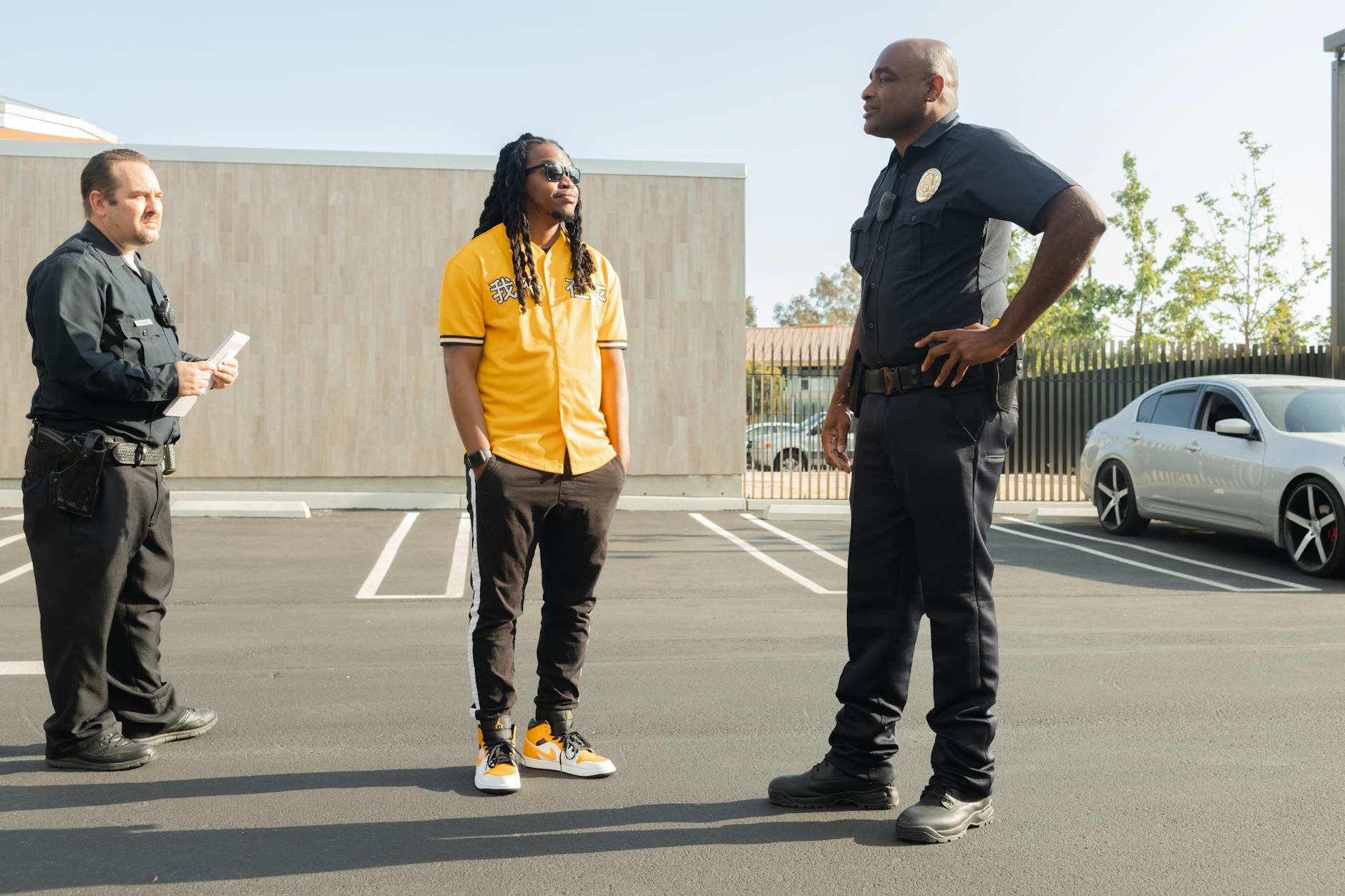
Police departments across 12 states have begun enforcing curfews as tensions escalate in response to recent protests. With over 50 cities implementing some form of restricted movement, the question of whether police can enforce curfews has become a pressing legal and practical concern.
The enforcement of curfews raises critical questions about civil liberties and public safety. Can police enforce curfews effectively without infringing on constitutional rights? The answer lies in a complex interplay of state laws, judicial precedents, and the practical realities of maintaining order. As communities grapple with unrest, understanding the legal framework and the practical implications of curfew enforcement becomes essential for both citizens and law enforcement agencies.
Understanding Police Powers During Curfews
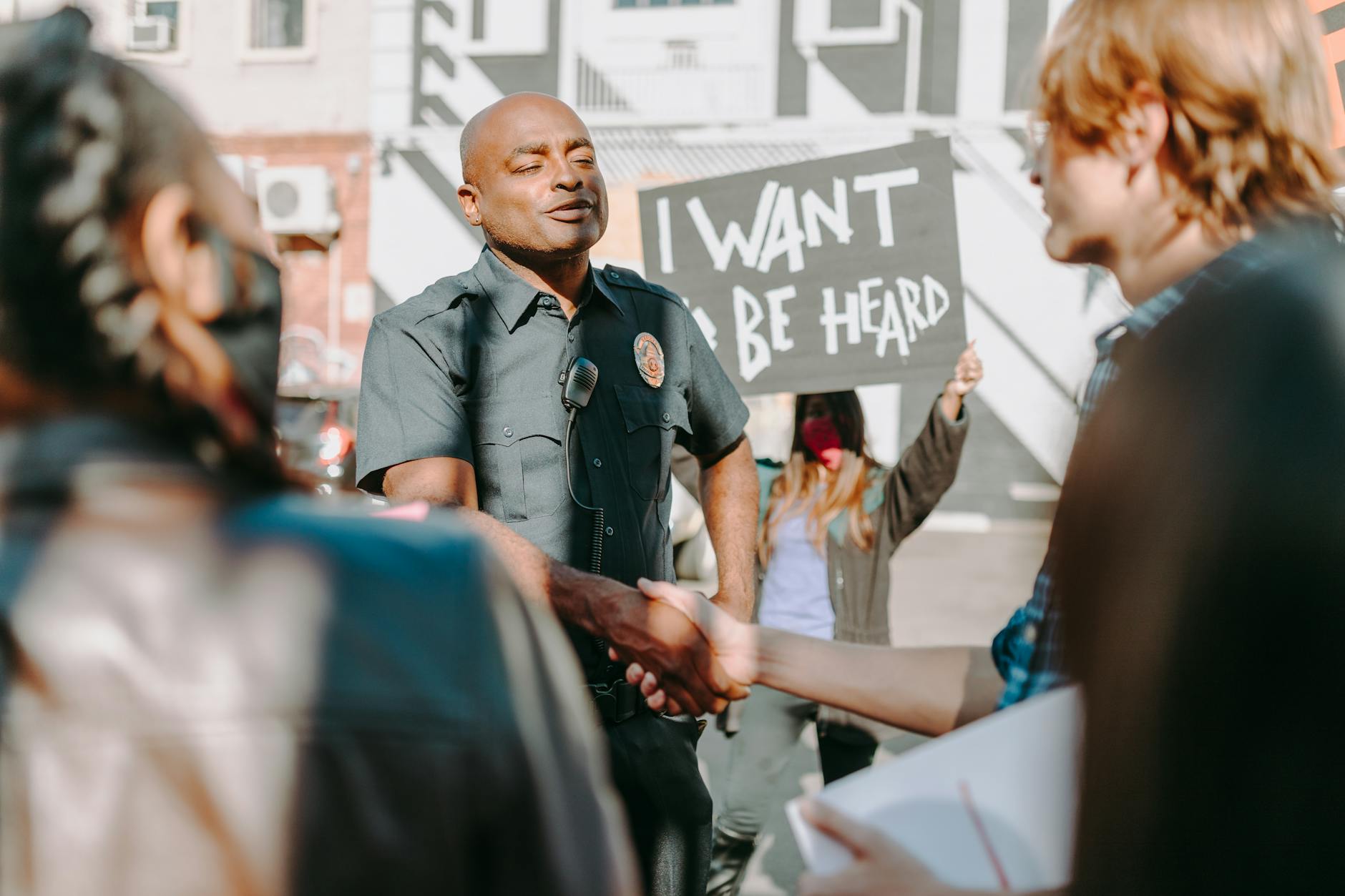
Police departments across the United States possess broad authority to enforce curfews, a power rooted in maintaining public safety and order. During curfews, law enforcement officers can detain individuals found in public spaces after the designated hours. This authority extends to making arrests if necessary, though policies vary by state and locality. Generally, curfew violations are classified as misdemeanors, carrying penalties such as fines or brief detention.
Understanding the scope of police powers during curfews is crucial for both officers and the public. Police can enforce curfews using a range of tactics, from verbal warnings to physical restraint if individuals resist compliance. According to a legal expert from the National Police Foundation, officers must balance enforcement with respect for civil liberties, ensuring actions are proportionate to the situation. This delicate balance aims to prevent escalation while maintaining public safety.
A 2019 study by the Urban Institute found that curfews are most effective when clearly communicated and consistently enforced. Police departments often collaborate with local governments to disseminate curfew information through multiple channels, including social media, emergency alerts, and community outreach. Clear communication helps reduce confusion and ensures the public understands the reasons behind the curfew and the consequences of non-compliance.
During enforcement, police officers typically prioritize de-escalation techniques to minimize conflict. They may issue warnings or citations before resorting to more severe measures. However, in situations where individuals pose an immediate threat to public safety, officers may use force, adhering to departmental policies and legal standards. This approach ensures that curfew enforcement remains fair and transparent, fostering trust between law enforcement and the community.
How States Are Implementing Curfews

States across the country are implementing curfews with varying degrees of strictness. California, for instance, has imposed a statewide curfew from 10 PM to 5 AM, while New York has set curfews in specific cities like New York City and Buffalo. These measures aim to curb gatherings and reduce tensions following widespread protests. Police departments in these states are actively enforcing these curfews, with some reporting significant compliance.
In Minnesota, Governor Tim Walz authorized a peacetime emergency, allowing state police to enforce curfews in Minneapolis and St. Paul. The curfews, set from 8 PM to 6 AM, have seen mixed reactions from residents. Some appreciate the effort to maintain order, while others view it as an infringement on their rights. Police have made numerous arrests for curfew violations, highlighting the challenges of enforcement.
A study by the National Police Foundation found that curfews can be effective in reducing public gatherings, but their success depends on community cooperation. In states like Ohio and Virginia, local governments have set curfews in specific areas rather than statewide. Police in these regions are working with community leaders to ensure compliance and minimize conflicts. The approach varies, but the goal remains consistent: to maintain public safety during turbulent times.
Despite the differences in implementation, one thing is clear: police are playing a crucial role in enforcing these curfews. From issuing warnings to making arrests, law enforcement agencies are navigating the delicate balance between maintaining order and respecting civil liberties. The effectiveness of these measures will likely be debated, but for now, states continue to rely on curfews as a tool to manage rising tensions.
Navigating Curfew Enforcement Challenges

Police departments across the 12 states implementing curfews face significant challenges in enforcement. With limited resources, officers must balance maintaining public order with respecting constitutional rights. The American Civil Liberties Union reports that during previous curfews, arrests increased by 300% in some areas, raising concerns about potential over-policing.
Communication stands as a critical hurdle. Authorities struggle to disseminate clear, consistent messages about curfew details and exceptions. Confusion often leads to non-compliance, further complicating enforcement efforts. Police departments have turned to social media and community outreach to bridge this gap.
Enforcement strategies vary widely. Some departments focus on education and warnings, while others take a more aggressive approach. A law enforcement expert notes that "the key is proportionality—using the minimum force necessary to maintain order." This balance proves difficult to strike, especially during heightened tensions.
Community relations also play a crucial role. Trust between police and residents can facilitate compliance. However, historical tensions and recent events have strained these relationships in many areas. Building trust remains an ongoing challenge for law enforcement.
As curfews continue, police departments must adapt their strategies. The goal is to maintain public safety without escalating tensions or violating rights. This delicate balance requires constant evaluation and adjustment.
Balancing Public Safety and Civil Liberties
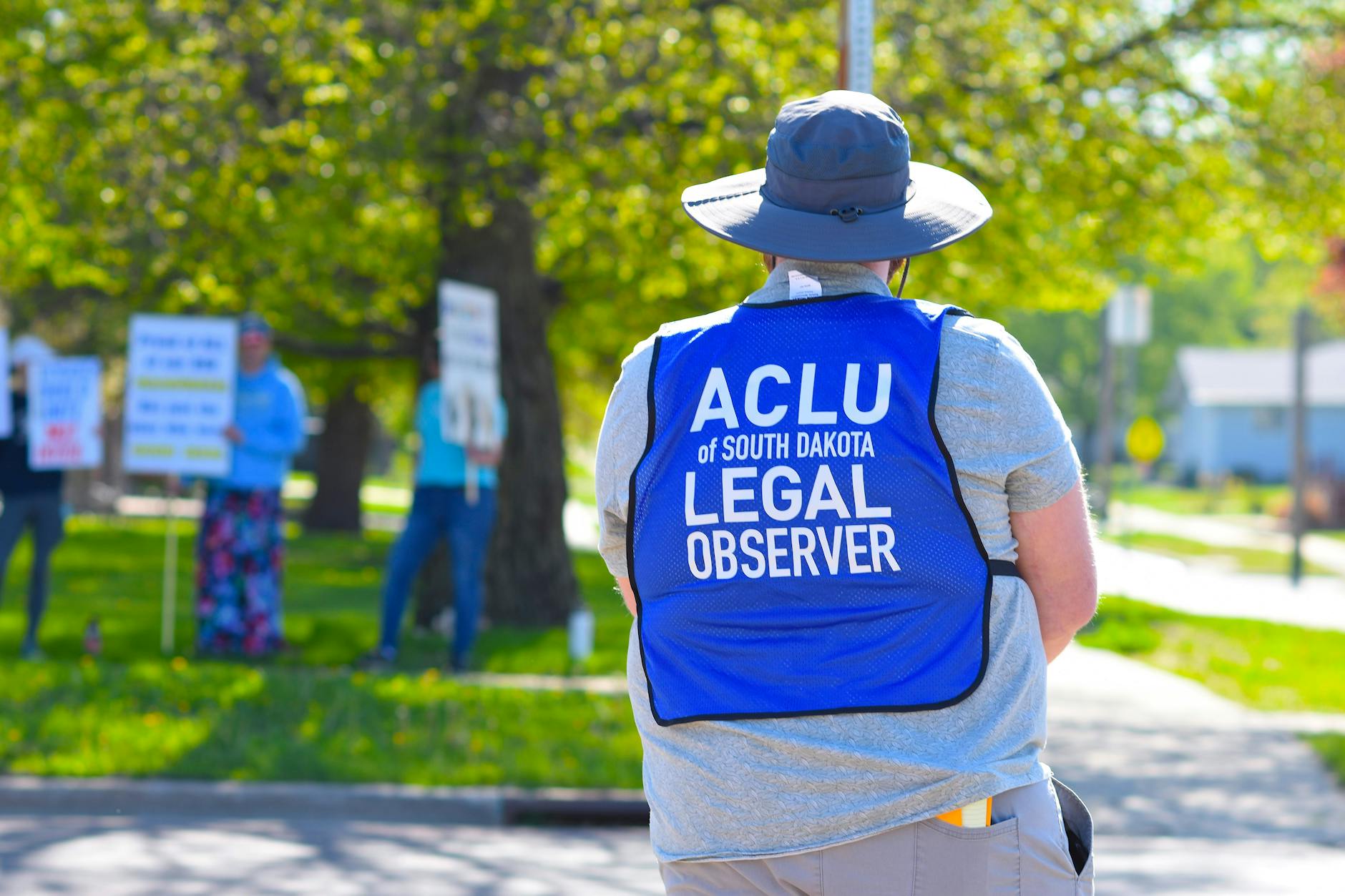
Police enforcement of curfews presents a complex challenge, balancing public safety with civil liberties. Curfews, while intended to prevent violence and protect communities, inherently restrict individual freedoms. The American Civil Liberties Union (ACLU) reports that curfews can disproportionately affect marginalized communities, raising concerns about equity and justice.
Law enforcement agencies justify curfews as a necessary measure to maintain order during periods of unrest. Police departments in states enforcing curfews argue that these measures help prevent escalation and protect both citizens and officers. However, critics contend that curfews can lead to over-policing and infringe on constitutional rights, particularly the right to peaceful assembly.
A study by the Brennan Center for Justice found that curfews are often implemented without clear guidelines, leading to inconsistent enforcement. This inconsistency can result in arbitrary arrests and further strain community-police relations. Striking the right balance requires transparent communication, clear guidelines, and accountability measures to ensure that curfews are enforced fairly and justly.
Ultimately, the effectiveness of curfews depends on their implementation and the context in which they are applied. While they can be a tool for maintaining public safety, their use must be carefully considered to avoid infringing on civil liberties. Community engagement and dialogue can help build trust and ensure that measures like curfews are implemented in a manner that respects the rights and dignity of all citizens.
The Future of Curfews in Crisis Management

As tensions escalate across 12 states, police enforcement of curfews has become a critical tool in crisis management. The immediate goal is to restore order and protect public safety. However, the long-term implications of these measures remain a subject of debate among experts. Some argue that curfews can prevent further escalation by limiting opportunities for conflict. Others contend that they may infringe on civil liberties and exacerbate community tensions.
Historically, curfews have been implemented during periods of civil unrest, often with mixed results. A study by the National Institute of Justice found that curfews can reduce crime rates by up to 20% during their enforcement. Yet, their effectiveness depends on community cooperation and perceived legitimacy. Police must strike a delicate balance between maintaining order and respecting the rights of citizens.
Looking ahead, the future of curfews in crisis management hinges on adaptability and community engagement. Police departments are increasingly turning to technology, such as drones and AI-powered surveillance, to monitor compliance without excessive force. Experts suggest that transparent communication and community involvement can enhance the acceptability of curfews. Ultimately, the success of these measures will depend on their ability to address the root causes of unrest rather than merely suppressing symptoms.
As societies grapple with rising tensions, the role of curfews will continue to evolve. Police must remain vigilant in assessing their impact and adjusting strategies accordingly. The goal is not just to enforce order but to build trust and foster long-term stability. In doing so, they can ensure that curfews remain a viable tool in the crisis management arsenal.
The enforceability of curfews hinges on their clear communication and reasonable scope, with police empowered to maintain public order while respecting individual rights. To navigate these measures, residents should stay informed through official channels and comply with local guidelines to avoid penalties and contribute to community safety. As tensions evolve, authorities will likely continue balancing firm enforcement with measured approaches to preserve peace without overreach.
Need this answered for your specific case?
Get a flat-fee consultation with a verified U.S. immigration attorney. Engagement letter on every paid consult.
Related guides
This guide provides general legal information and does not create an attorney–client relationship. Information accurate as of July 2026. Always verify current USCIS guidance before acting.