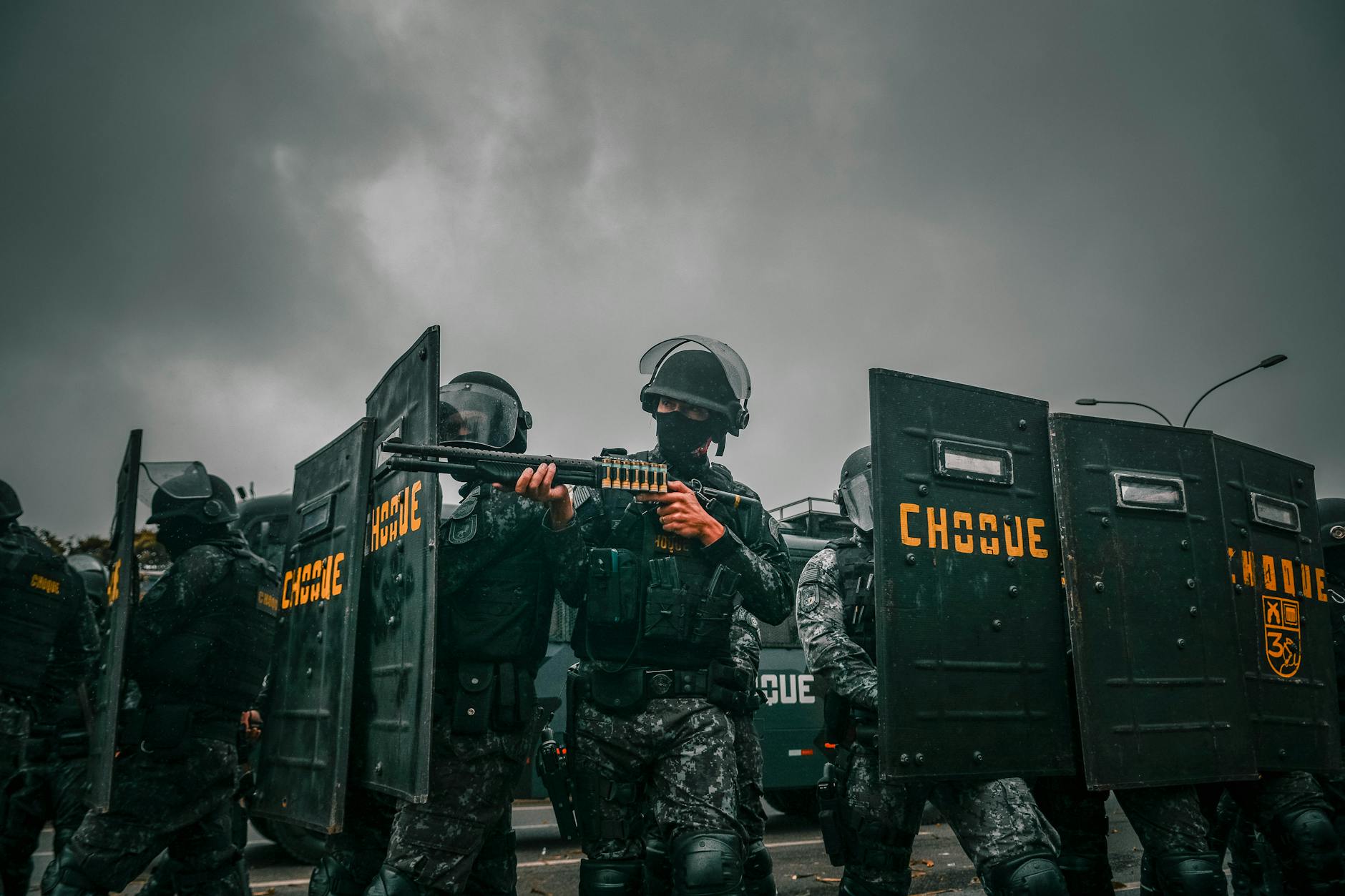
Every year, police officers in the United States use lethal force thousands of times. These incidents often spark intense debate and scrutiny, highlighting the critical need for clear, consistent guidelines on when police can use lethal force.
Understanding these legal standards is crucial for both law enforcement professionals and the communities they serve. When can police use lethal force? This question lies at the heart of public safety and civil rights discussions. The answer hinges on five key legal standards that balance the need for officer safety with the protection of individual rights. These guidelines shape police training, policy, and accountability, making them essential for maintaining trust and transparency in law enforcement.
Understanding the Legal Framework

The legal framework governing police use of lethal force is rooted in the principle of proportionality. Officers may only resort to lethal force when facing an immediate threat of death or serious bodily harm. This standard is derived from international human rights law and domestic legal systems, which emphasize the preservation of life as the primary objective. The threshold for justifying lethal force is intentionally high, reflecting society’s commitment to protecting individual rights.
Case law and legal precedents provide further clarity on when lethal force is permissible. Courts have consistently ruled that officers must exhaust all reasonable alternatives before using deadly force. This includes de-escalation techniques, non-lethal weapons, and tactical retreat. The Supreme Court has reinforced this stance, stating that the use of force must be objectively reasonable under the circumstances. This legal standard ensures that officers act within the bounds of the law while maintaining public safety.
A study by the National Institute of Justice found that only 12% of police encounters involve the use of force, with lethal force being a rare occurrence. This statistic underscores the importance of strict legal guidelines in regulating police conduct. Legal experts emphasize that clear, consistent standards help prevent unnecessary violence and build public trust. By adhering to these principles, law enforcement agencies can balance their duty to protect with the rights of individuals.
Imminent Threat and Proportional Response

Police officers face complex decisions when confronted with imminent threats. Lethal force is permitted only when an officer reasonably believes it’s necessary to prevent death or serious bodily harm to themselves or others. This standard, known as the “objective reasonableness” test, was established in the landmark 1989 Supreme Court case Graham v. Connor. Officers must assess the totality of circumstances, including the severity of the threat, the officer’s safety, and the suspect’s actions.
Proportionality is key. The use of lethal force must match the threat level. For instance, an officer may use lethal force against an armed suspect posing an immediate danger but not against a fleeing suspect who doesn’t pose a threat. According to a 2020 study by the National Police Foundation, 75% of police shootings involve suspects armed with weapons. However, the presence of a weapon alone doesn’t always justify lethal force.
De-escalation techniques should be attempted when feasible. Officers are trained to use verbal commands, non-lethal force, and other tactics to defuse situations. The use of lethal force is a last resort. A police use-of-force expert emphasizes that officers must continuously assess the situation and adjust their response accordingly. This dynamic approach ensures that the response remains proportional to the threat.
Case Studies: Applying the Standards

In a high-speed pursuit scenario, officers must balance public safety with the immediate threat posed by the suspect. The U.S. Supreme Court’s ruling in Scott v. United States established that officers may use deadly force when they have probable cause to believe a suspect poses a significant threat of death or serious physical injury to others. For instance, if a suspect is fleeing in a stolen vehicle and endangers pedestrians, officers may use lethal force to stop the vehicle, provided they have exhausted all reasonable alternatives.
Domestic violence calls often escalate quickly, requiring officers to assess threats in real-time. A study by the Police Executive Research Forum found that 16% of officer-involved shootings occur during domestic disturbance calls. Officers must consider the immediate threat to themselves or others, as well as the suspect’s intent and means to cause harm. For example, if an armed suspect refuses to drop a weapon and advances toward an officer or victim, lethal force may be justified.
Active shooter situations present unique challenges, demanding swift and decisive action. The FBI’s active shooter report highlights that these incidents often end within minutes, leaving little time for negotiation. Officers must neutralize the threat to prevent further loss of life. In such cases, the use of lethal force is often justified to stop an ongoing attack and protect potential victims.
Mental health crises can escalate unpredictably, requiring officers to de-escalate or use force when necessary. The Treatment Advocacy Center reports that individuals with untreated mental illness are 16 times more likely to be killed during police encounters. Officers must assess the individual’s behavior, access to weapons, and potential threat to themselves or others. For example, if an armed individual with a history of violence threatens officers or bystanders, lethal force may be justified to prevent harm.
Training and Accountability Measures

Police departments across the country implement rigorous training programs to ensure officers understand and apply lethal force guidelines correctly. These programs typically include scenario-based training, legal briefings, and psychological evaluations. Officers must demonstrate proficiency in de-escalation techniques and alternative force options before they can use lethal force. Regular retraining ensures officers stay updated on evolving legal standards and best practices.
Accountability measures play a crucial role in maintaining public trust. Independent oversight bodies, such as civilian review boards, investigate incidents involving lethal force. According to a recent study by the Police Executive Research Forum, departments with robust accountability systems see a 30% reduction in use-of-force incidents. Transparency in investigations and disciplinary actions fosters accountability and reinforces the importance of adherence to legal standards.
Body-worn cameras have become a standard tool for documenting police interactions. These devices provide objective evidence in use-of-force incidents, helping to clarify the sequence of events. Officers are trained to activate their cameras during all encounters, ensuring a comprehensive record. The data from these recordings aids in internal reviews and legal proceedings, promoting fairness and accountability.
Evolving Policies in Modern Policing
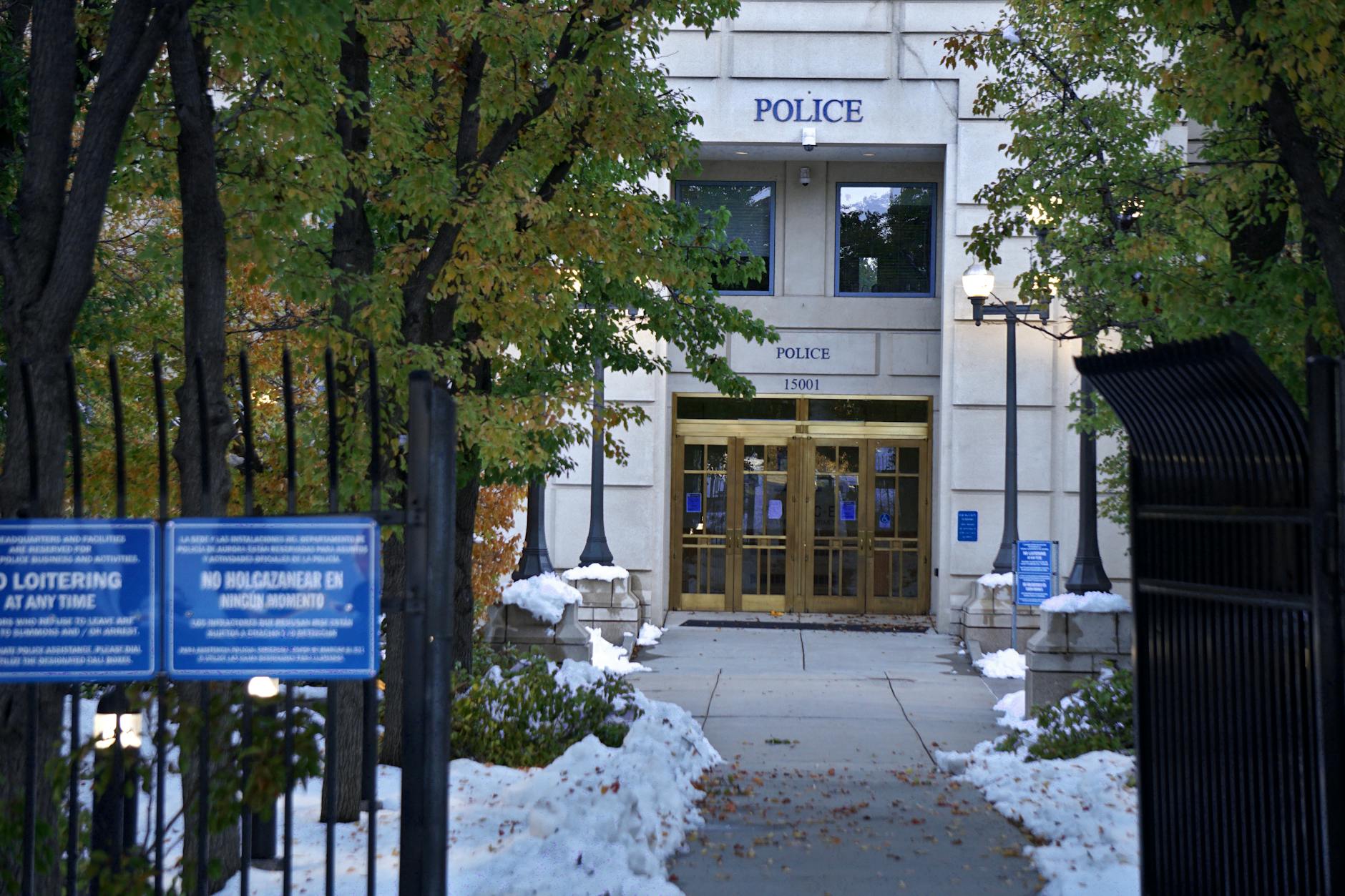
Policing policies have evolved significantly over the past decade, reflecting a broader societal shift towards accountability and transparency. The use of lethal force, once viewed as a routine aspect of law enforcement, now faces stricter scrutiny. Departments across the country are adopting guidelines that emphasize de-escalation and proportional response. This shift is driven by both public demand and legal precedents that hold officers to higher standards.
A key development in modern policing is the adoption of the “21-foot rule” as a guideline, not a mandate. This concept, introduced by a prominent law enforcement trainer, suggests that an armed suspect within this distance poses an immediate threat. However, many agencies now interpret this rule flexibly, considering factors like the suspect’s behavior and available alternatives. The goal is to balance officer safety with the sanctity of life.
Legal standards also play a crucial role in shaping these policies. Courts consistently rule that officers must use the minimal force necessary to neutralize a threat. This principle is reinforced by the Supreme Court’s ruling in Tennessee v. Garner, which prohibits the use of deadly force against unarmed, non-threatening individuals. As a result, training programs now emphasize scenario-based learning to help officers make split-second decisions that align with these legal standards.
Data from the Washington Post reveals that police killings have declined by 20% over the past five years. This decline coincides with the implementation of stricter use-of-force policies and increased accountability measures. The trend underscores the effectiveness of evolving guidelines in reducing unnecessary lethal encounters. However, challenges remain in ensuring consistent application across diverse jurisdictions.
The use of lethal force by police is a grave responsibility, governed by clear legal standards that prioritize the preservation of life. Officers must act with restraint, employing force only when necessary and proportional to the threat. To ensure accountability, law enforcement agencies should regularly review and update their use-of-force policies, providing comprehensive training to officers. Moving forward, continued public dialogue and policy reforms will be crucial in striking the right balance between public safety and individual rights.