
Every year, police departments across the United States respond to approximately 2 million domestic dispute calls, making it one of the most frequent types of incidents officers encounter. These situations, often volatile and emotionally charged, require a delicate balance of law enforcement, de-escalation, and social work. The police role in domestic disputes is complex, demanding a multifaceted approach that prioritizes safety, justice, and support.
Understanding the police role in domestic disputes is crucial for communities, as these incidents can have profound and lasting impacts on individuals and families. Officers are often the first responders to these sensitive situations, tasked with assessing the scene, ensuring the safety of all parties, and determining whether legal action is necessary. Their role extends beyond enforcement, as they frequently connect victims with social services and support networks. This dual responsibility underscores the importance of specialized training and community partnerships in effectively addressing domestic disputes.
Understanding Police Involvement in Domestic Disputes

When police respond to domestic disputes, their primary role is to ensure the safety of all parties involved. Officers are trained to assess situations quickly, de-escalate tensions, and prevent violence. They must determine if any laws have been broken and take appropriate action. This often involves separating involved parties, gathering information, and documenting the incident.
Police also play a crucial role in connecting victims with resources. They can provide information about shelters, counseling services, and legal aid. In many jurisdictions, officers are mandated to make an arrest if they have probable cause to believe a domestic violence crime has occurred. This is part of efforts to hold abusers accountable and protect victims.
A study by the National Domestic Violence Hotline found that police intervention can significantly reduce the risk of future violence. However, the effectiveness of police response varies. Factors like officer training, community relations, and available resources all play a role. Experts emphasize the need for ongoing training and community collaboration to improve outcomes.
In some cases, police may issue protective orders or refer cases to specialized domestic violence units. These units often have detectives trained to handle the complexities of domestic abuse cases. Their work can lead to prosecutions and convictions, providing justice for victims. However, the system is not perfect, and challenges remain in ensuring consistent, effective responses to domestic disputes.
Key Responsibilities of Officers on Scene

When police officers respond to domestic disputes, their primary responsibility is to ensure the immediate safety of all individuals involved. They assess the situation, separate parties if necessary, and de-escalate tensions to prevent further conflict. Officers also document the incident thoroughly, gathering statements from all parties and any witnesses present. This information is crucial for determining the cause of the dispute and identifying any potential legal violations.
Officers must also evaluate whether there is a need for medical attention. In cases involving injuries, they coordinate with emergency medical services to ensure that victims receive prompt treatment. Additionally, officers check for signs of domestic violence, which affects approximately 1 in 4 women and 1 in 7 men in the United States, according to the National Coalition Against Domestic Violence. Recognizing these signs is critical for providing appropriate support and protection.
Another key responsibility is determining whether any laws have been broken. Officers decide if arrests are necessary, particularly in cases involving assault, threats, or violation of protection orders. They also provide information about resources such as shelters, counseling services, and legal aid to those affected by the dispute. This support helps victims navigate the aftermath and seek long-term solutions.
How Police De-escalate Tense Situations

Police officers receive extensive training in de-escalation techniques to safely manage domestic disputes. They are taught to approach situations with calm, neutral language, and active listening skills to diffuse tension. Officers often create physical space between parties to prevent further conflict, demonstrating control without resorting to force. This approach aims to reduce the risk of violence and protect all individuals involved.
De-escalation strategies include verbal cues, non-threatening body language, and offering solutions to underlying issues. Police may also involve other agencies, such as social services, to address the root causes of the dispute. According to a study by the Police Executive Research Forum, effective de-escalation can significantly reduce the likelihood of arrests or injuries during domestic incidents.
In some cases, officers may need to make quick decisions to ensure safety. They are trained to recognize signs of imminent danger and act accordingly, balancing the need for intervention with the principles of de-escalation. The goal remains to resolve the situation peacefully, prioritizing the well-being of everyone present.
Community policing initiatives further enhance officers' ability to de-escalate tensions. Building trust with residents allows police to better understand the dynamics of domestic disputes and tailor their responses accordingly. This proactive approach helps prevent future conflicts and fosters safer neighborhoods.
Training and Protocols for Domestic Calls

Police officers responding to domestic disputes undergo rigorous training to handle these delicate situations. Their primary role is to de-escalate tensions and ensure the safety of all parties involved. Officers are trained to assess the situation quickly, identify potential threats, and intervene appropriately. This training often includes scenarios involving verbal de-escalation, crisis intervention, and understanding the dynamics of domestic violence.
Protocols for domestic calls typically begin with a thorough assessment of the scene. Officers must determine if there is an immediate threat, assess the safety of the individuals involved, and decide whether an arrest is necessary. According to the National Domestic Violence Hotline, officers are trained to look for signs of physical injury, fear, or control issues that may indicate a history of abuse. This assessment guides their actions and ensures they follow legal and procedural guidelines.
One critical aspect of police training is understanding the legal framework surrounding domestic disputes. Officers must know when to make an arrest, how to gather evidence, and how to provide resources to victims. They are often the first point of contact for victims seeking help, making their role crucial in connecting individuals with support services. This holistic approach ensures that victims receive the assistance they need while holding perpetrators accountable.
The Future of Police Response to Domestic Disputes
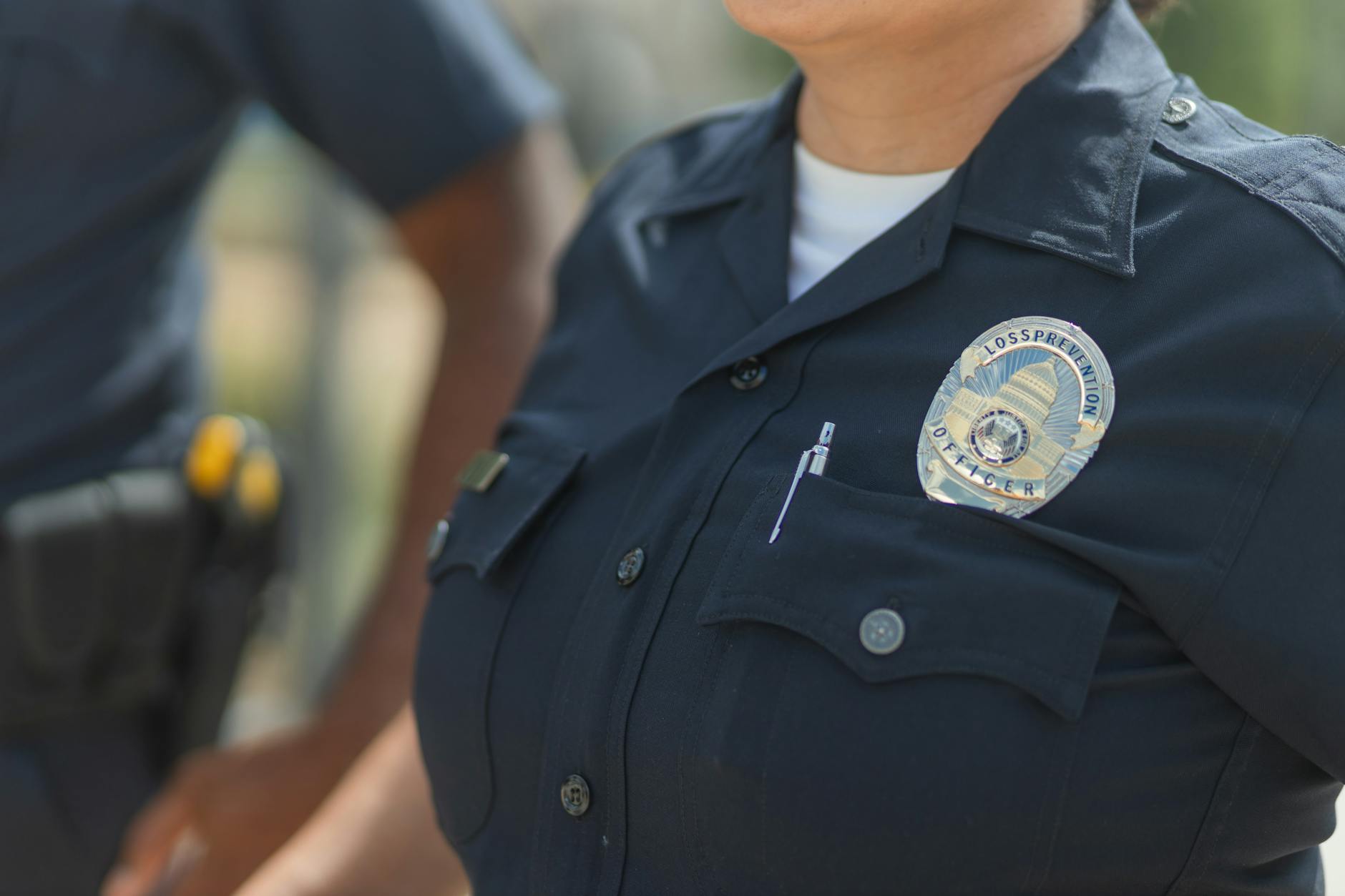
Police departments across the nation are reevaluating their approach to domestic disputes. Traditional methods, often focused on arrest and prosecution, are giving way to more nuanced strategies. The goal is to balance immediate safety with long-term conflict resolution. This shift reflects a growing recognition that domestic disputes require more than just law enforcement intervention.
A significant change involves increased collaboration with social services. Police officers now frequently connect victims with counselors, shelters, and legal aid. This holistic approach aims to address the root causes of domestic disputes, rather than merely reacting to incidents. Studies show that such interventions can reduce recidivism rates by up to 30%.
Technology is also playing a pivotal role in modernizing police response. Body-worn cameras and digital reporting systems enhance transparency and accountability. These tools help officers document incidents accurately, providing crucial evidence for legal proceedings. Additionally, predictive policing software identifies high-risk situations before they escalate, allowing for proactive intervention.
Training programs are being updated to equip officers with de-escalation techniques and cultural competency skills. Police academies now include modules on trauma-informed care and conflict mediation. Experts emphasize that these skills are essential for effectively managing domestic disputes. The focus is on creating safer communities through both enforcement and prevention.
The police play a critical role in domestic disputes, acting as both protectors and mediators to ensure the safety and well-being of all parties involved. Their primary responsibility is to de-escalate volatile situations, prevent violence, and enforce laws that protect victims. To improve responses, law enforcement agencies should invest in specialized training for officers, focusing on de-escalation techniques and trauma-informed approaches. Moving forward, communities must continue to advocate for policies that prioritize prevention and support services, ultimately reducing the need for police intervention in domestic disputes.
Need this answered for your specific case?
Get a flat-fee consultation with a verified U.S. immigration attorney. Engagement letter on every paid consult.
Related guides
This guide provides general legal information and does not create an attorney–client relationship. Information accurate as of July 2026. Always verify current USCIS guidance before acting.