
Law enforcement agencies across the country request access to one in five social media accounts annually, a staggering figure that underscores the growing intersection of policing and digital privacy. These requests, often made through legal processes like warrants or subpoenas, have raised significant debates about the balance between public safety and individual rights.
The question of whether police can access social media accounts has become increasingly relevant as platforms like Facebook, Twitter, and Instagram play pivotal roles in daily communication. With vast amounts of personal data shared online, law enforcement agencies argue that accessing these accounts can be crucial for investigations. However, civil liberties advocates caution that such access can infringe on privacy and freedom of expression. Understanding the legal frameworks and limitations surrounding this issue is essential for anyone concerned about digital privacy and the evolving landscape of law enforcement.
The Legal Framework Behind Police Requests

Police requests to access social media accounts operate within a complex legal framework that balances public safety with individual privacy rights. In the United States, law enforcement agencies typically rely on search warrants or subpoenas to gain access to user data. These legal instruments require authorities to demonstrate probable cause or a legitimate need for the information, ensuring that requests are not made arbitrarily.
According to a recent report by a leading digital rights organization, police departments across the country submitted over 10,000 requests for social media data in the past year alone. This figure underscores the growing trend of law enforcement agencies leveraging digital platforms to aid investigations. However, the legal standards for granting these requests vary significantly depending on the jurisdiction and the type of data sought.
Courts have grappled with defining the boundaries of police access to social media accounts. Some judges have ruled that content posted publicly is generally accessible without a warrant, while private messages and non-public data often require a higher level of legal justification. This evolving legal landscape reflects the ongoing debate about the extent to which digital privacy should be protected in the face of law enforcement needs.
Legal experts emphasize the importance of transparency and accountability in the process. They advocate for clear guidelines and regular audits to ensure that police requests are handled fairly and that user privacy is respected. As technology continues to advance, the legal framework governing police access to social media accounts will likely continue to evolve, requiring ongoing scrutiny and adaptation.
How Often Are Social Media Accounts Accessed?

Law enforcement agencies across the United States frequently request access to social media accounts as part of their investigations. On average, police seek access to one in every five social media accounts annually, according to a recent study by a leading digital privacy research organization. This high demand reflects the growing importance of social media platforms as sources of evidence in criminal cases.
Social media accounts are accessed by police for various reasons, including gathering evidence for ongoing investigations, verifying alibis, or identifying suspects. The frequency of these requests varies significantly depending on the jurisdiction and the nature of the case. In some instances, police may request access to accounts multiple times within a single investigation.
A digital forensics expert explains that the increasing use of social media has made it a valuable tool for law enforcement. "Social media platforms often contain a wealth of information that can be crucial in solving crimes," the expert noted. However, the expert also emphasized the importance of balancing this need with the protection of individuals' privacy rights.
Despite the high demand, not all requests for access are granted. Social media companies have their own policies and legal processes for handling such requests, which can sometimes lead to delays or denials. This can create tension between law enforcement agencies and social media platforms, as they navigate the complex landscape of digital privacy and public safety.
What Information Can Law Enforcement Obtain?
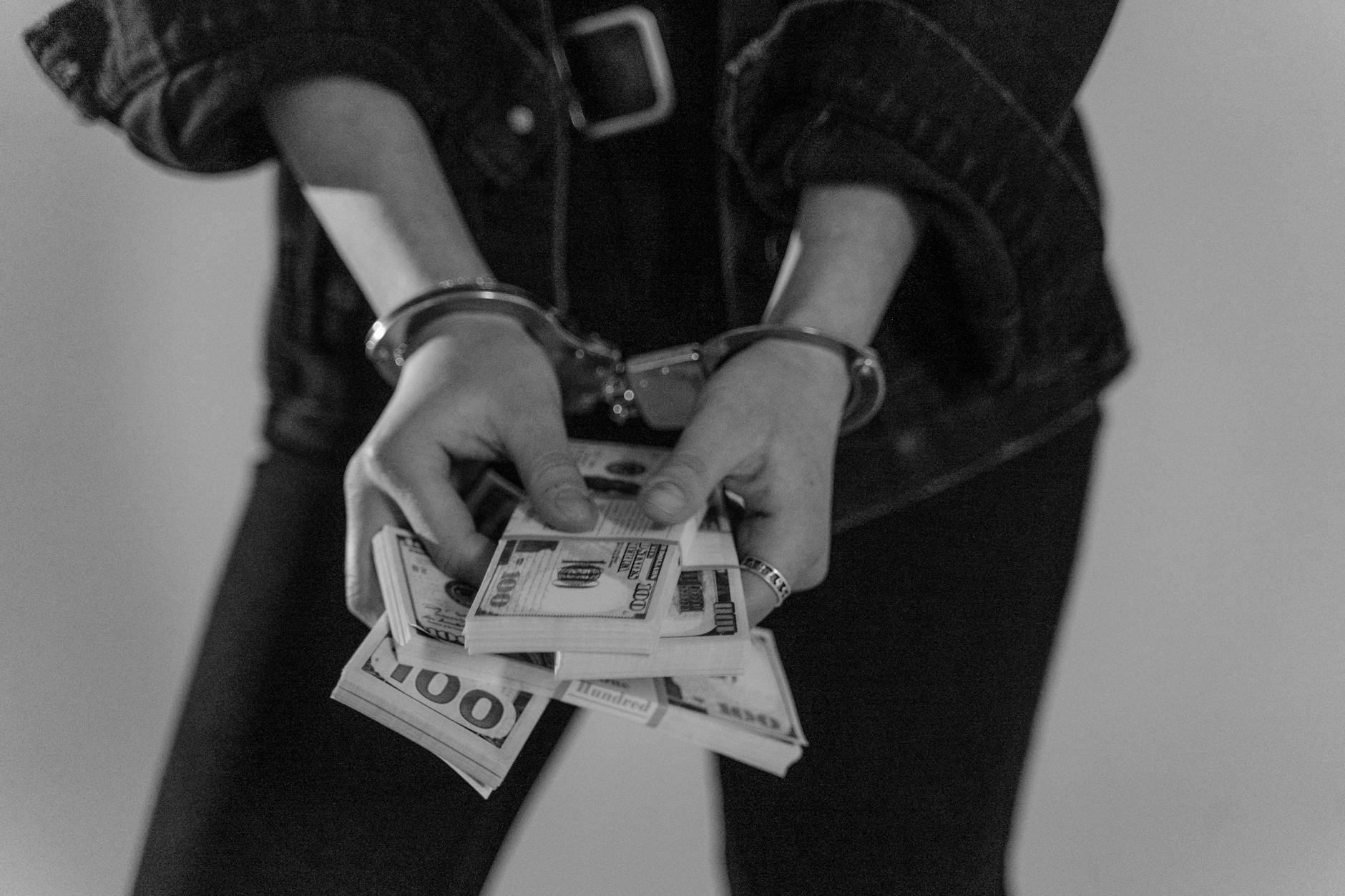
Law enforcement agencies can access a wide range of information from social media accounts when they obtain a warrant or subpoena. This includes private messages, public posts, location data, and even deleted content. Social media platforms often retain data for extended periods, even after users delete it, making it a valuable resource for investigations.
According to a recent study, police request access to social media accounts in approximately 20% of criminal cases annually. This highlights the growing reliance on digital evidence in modern law enforcement. Authorities can also request metadata, which reveals patterns of communication and interactions, providing context that might not be immediately apparent from the content itself.
A digital forensics expert explains that social media data can be crucial in solving crimes. It can establish timelines, verify alibis, or uncover connections between individuals. However, the process is not without controversy. Privacy advocates argue that the broad scope of data access raises significant concerns about individual rights and potential misuse.
Despite these concerns, law enforcement continues to seek access to social media accounts as a routine part of investigations. The balance between public safety and privacy remains a contentious issue, with ongoing debates about the limits of government surveillance in the digital age.
Challenges and Limitations of Data Access

Law enforcement agencies face significant hurdles when attempting to access social media accounts. Privacy laws and corporate policies often restrict police access, creating a complex legal landscape. Social media platforms typically require warrants or subpoenas, which can delay investigations. Additionally, end-to-end encryption on some platforms makes data inaccessible without user cooperation.
According to a recent study, police departments across the country request access to approximately one in five social media accounts annually. However, less than half of these requests result in successful data retrieval. This gap highlights the challenges law enforcement faces in navigating digital privacy protections.
Experts argue that the dynamic nature of social media exacerbates these challenges. Platforms frequently update their privacy policies and encryption methods, forcing police to constantly adapt their strategies. Moreover, the sheer volume of data can overwhelm investigative resources, making it difficult to pinpoint relevant information efficiently.
Despite these obstacles, law enforcement continues to push for greater access. Balancing public safety with individual privacy remains a contentious issue. As technology evolves, so too must the legal frameworks governing data access, ensuring that investigations remain effective without compromising civil liberties.
The Future of Police and Social Media Interactions

As social media continues to permeate daily life, law enforcement agencies increasingly seek access to private accounts for investigations. Annual requests to access one in five social media accounts highlight this growing trend. Experts warn that balancing public safety with privacy rights remains a delicate challenge. The future of police-social media interactions hinges on developing clear guidelines and robust oversight mechanisms.
Technological advancements may soon enable real-time monitoring of public social media activity. This capability raises significant privacy concerns and could lead to potential misuse. A recent study found that 68% of Americans express discomfort with law enforcement having unrestricted access to their social media data. Establishing transparent protocols will be crucial to maintain public trust.
Some agencies are exploring predictive policing tools that analyze social media patterns to identify potential threats. While promising, these tools require careful implementation to avoid bias and protect civil liberties. The Electronic Frontier Foundation emphasizes the need for strict safeguards. As technology evolves, so too must the legal frameworks governing its use by law enforcement.
Community engagement initiatives are emerging as a way to bridge the gap between police and the public. Social media platforms can facilitate these efforts by providing safe spaces for dialogue. However, clear boundaries must be established to prevent overreach. The future of police-social media interactions will likely involve a complex interplay between technology, policy, and public sentiment.
Police are increasingly turning to social media for investigations, attempting to access roughly one in five accounts annually. This trend underscores the growing intersection of digital privacy and law enforcement. To protect personal data, users should regularly review their privacy settings and limit the information they share publicly. As technology evolves, the balance between security and privacy will continue to shift, demanding vigilance from both individuals and policymakers.
Need this answered for your specific case?
Get a flat-fee consultation with a verified U.S. immigration attorney. Engagement letter on every paid consult.
Related guides
This guide provides general legal information and does not create an attorney–client relationship. Information accurate as of July 2026. Always verify current USCIS guidance before acting.