
Every year, millions of Americans experience police stop-and-frisk encounters. These interactions, often brief but sometimes contentious, raise critical questions about personal liberties and public safety. At the heart of these encounters lies a fundamental query: Can police stop you without reason?
Understanding the rules surrounding police stops is crucial for every citizen. Can police stop you without reason? The answer is nuanced and depends on various factors, including the circumstances and jurisdiction. Generally, police need reasonable suspicion to stop an individual, but exceptions exist. Knowing these rules empowers individuals to recognize their rights and understand the boundaries of law enforcement's authority.
Understanding Your Rights During Police Encounters

Police officers cannot stop individuals without reasonable suspicion of criminal activity. This legal standard, known as "reasonable suspicion," requires officers to have specific, articulable facts that would lead a reasonable person to believe criminal activity is occurring. A vague hunch or mere presence in a high-crime area does not meet this threshold.
According to the American Civil Liberties Union, police stops based on race or ethnicity violate constitutional rights. Data from various studies show that minorities are disproportionately targeted for stop-and-frisk encounters. However, officers must have an objective basis for suspicion, not just a subjective feeling.
If an officer stops someone without reasonable suspicion, any evidence obtained during that stop may be inadmissible in court. Individuals have the right to challenge the legality of the stop. It's crucial to remember that police officers must respect these constitutional protections, and violations can have serious consequences for the integrity of the criminal justice system.
Understanding these rights empowers individuals to recognize when a stop may be unlawful. While police have a duty to maintain public safety, they must do so within the bounds of the law. Knowing the rules helps ensure that everyone's rights are protected during police encounters.
When Can Police Stop You Without Suspicion?

Police officers generally need reasonable suspicion to stop and frisk individuals. However, there are specific circumstances where they can stop someone without any suspicion. One such situation is during a Terry stop, named after the 1968 Supreme Court case Terry v. Ohio. This allows officers to briefly detain someone if they have a reasonable belief that criminal activity is occurring or about to occur.
Checkpoints, such as those for sobriety or border control, also permit police to stop individuals without suspicion. These stops must be systematic and non-discriminatory. According to the American Civil Liberties Union, sobriety checkpoints are legal as long as they follow specific guidelines to prevent arbitrary stops.
Additionally, officers can stop someone to issue a warning or provide assistance. For instance, if an officer sees a driver stranded on the side of the road, they can approach the vehicle to offer help. These stops are generally brief and non-intrusive.
It's crucial to understand that even in these situations, police must adhere to constitutional guidelines. Any stop that escalates to a search or seizure requires proper justification. The Fourth Amendment protects individuals from unreasonable searches and seizures, ensuring that law enforcement officers act within legal boundaries.
What to Do If You're Stopped and Frisked

If police stop and frisk you, remain calm and comply with their instructions. Keep your hands visible and avoid sudden movements. You have the right to ask if you're being detained, but avoid arguing or resisting. Police need reasonable suspicion to stop you, which is more than just a hunch. According to the American Civil Liberties Union, police stops without proper justification are unlawful.
You have the right to remain silent. Clearly state, "I wish to remain silent." This protects you from self-incrimination. You don't have to answer questions about where you're going, where you've been, or what you're doing. However, provide your name if asked in some jurisdictions. Police can pat down your outer clothing if they suspect you're armed and dangerous. This is known as a "stop and frisk."
If police find a weapon or contraband, they may arrest you. If they don't find anything, they should let you go. Remember, police can't detain you indefinitely. If you feel your rights have been violated, document everything and contact a legal professional. Understanding your rights empowers you during these encounters.
Recent Changes to Stop-and-Frisk Policies

Recent years have seen significant shifts in stop-and-frisk policies across the United States. These changes stem from legal challenges, public outcry, and evolving law enforcement strategies. In 2013, a federal court ruled that the New York Police Department's stop-and-frisk practices violated constitutional rights, leading to substantial reforms. Similar cases have emerged in other cities, prompting police departments to reevaluate their approaches.
One major change involves the requirement for reasonable suspicion. Police can no longer stop individuals based solely on vague or subjective criteria. Officers must now articulate specific, objective reasons for stopping someone. This shift aims to reduce arbitrary stops and build community trust. According to a recent study, these adjustments have led to a 90% decrease in stop-and-frisk incidents in some jurisdictions.
Another critical development is the implementation of body-worn cameras. These devices provide accountability and transparency during stops. Police departments have also introduced bias training programs to address implicit biases that may influence stop-and-frisk decisions. Experts emphasize that these measures are crucial for fostering fair and effective policing.
Despite these changes, challenges remain. Some critics argue that the reforms have not gone far enough, while others express concerns about public safety. The debate continues as law enforcement agencies strive to balance constitutional rights with effective crime prevention. The evolving landscape of stop-and-frisk policies reflects a broader conversation about policing in America.
Advocating for Fair and Transparent Policing
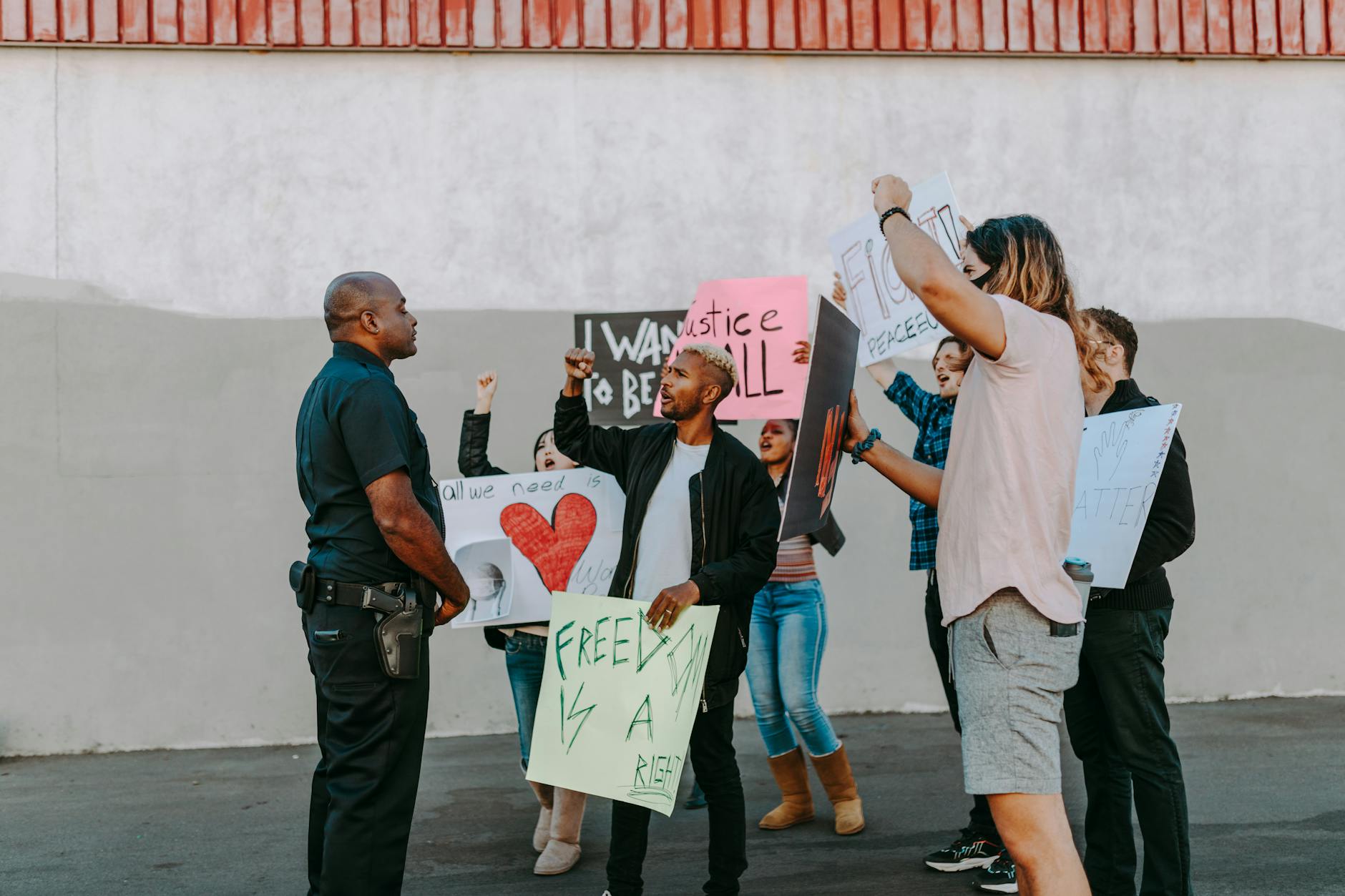
Civil rights advocates emphasize that police stops should never be arbitrary. The American Civil Liberties Union (ACLU) reports that in 2019, New York City police conducted over 10,000 stop-and-frisk encounters, with 85% of those stopped being Black or Latino. This disparity fuels concerns about racial profiling and the need for transparent policing practices.
Police departments must establish clear guidelines for when officers can initiate a stop. A leading criminal justice professor highlights that reasonable suspicion, not mere hunches, should justify these interactions. This standard helps protect individuals' constitutional rights while allowing law enforcement to perform their duties effectively.
Community engagement plays a crucial role in advocating for fair policing. When police build trust with residents, they create an environment where stops feel justified and respectful. This collaboration can lead to more effective crime prevention strategies that benefit everyone.
Transparency in policing practices is equally vital. Departments should regularly publish data on stop-and-frisk encounters, including demographics and outcomes. This accountability helps ensure that stops are conducted fairly and align with constitutional standards.
Understanding your rights during a police stop-and-frisk encounter is crucial for both your safety and the protection of your civil liberties. Remember, police cannot stop you without reasonable suspicion of criminal activity, and any frisk must be justified by a belief that you're armed and dangerous. If you find yourself in such a situation, remain calm, keep your hands visible, and clearly state that you do not consent to a search unless they have a warrant. As communities continue to advocate for police reform, staying informed and assertive about your rights can contribute to more accountable and respectful policing practices.
Need this answered for your specific case?
Get a flat-fee consultation with a verified U.S. immigration attorney. Engagement letter on every paid consult.
Related guides
This guide provides general legal information and does not create an attorney–client relationship. Information accurate as of July 2026. Always verify current USCIS guidance before acting.