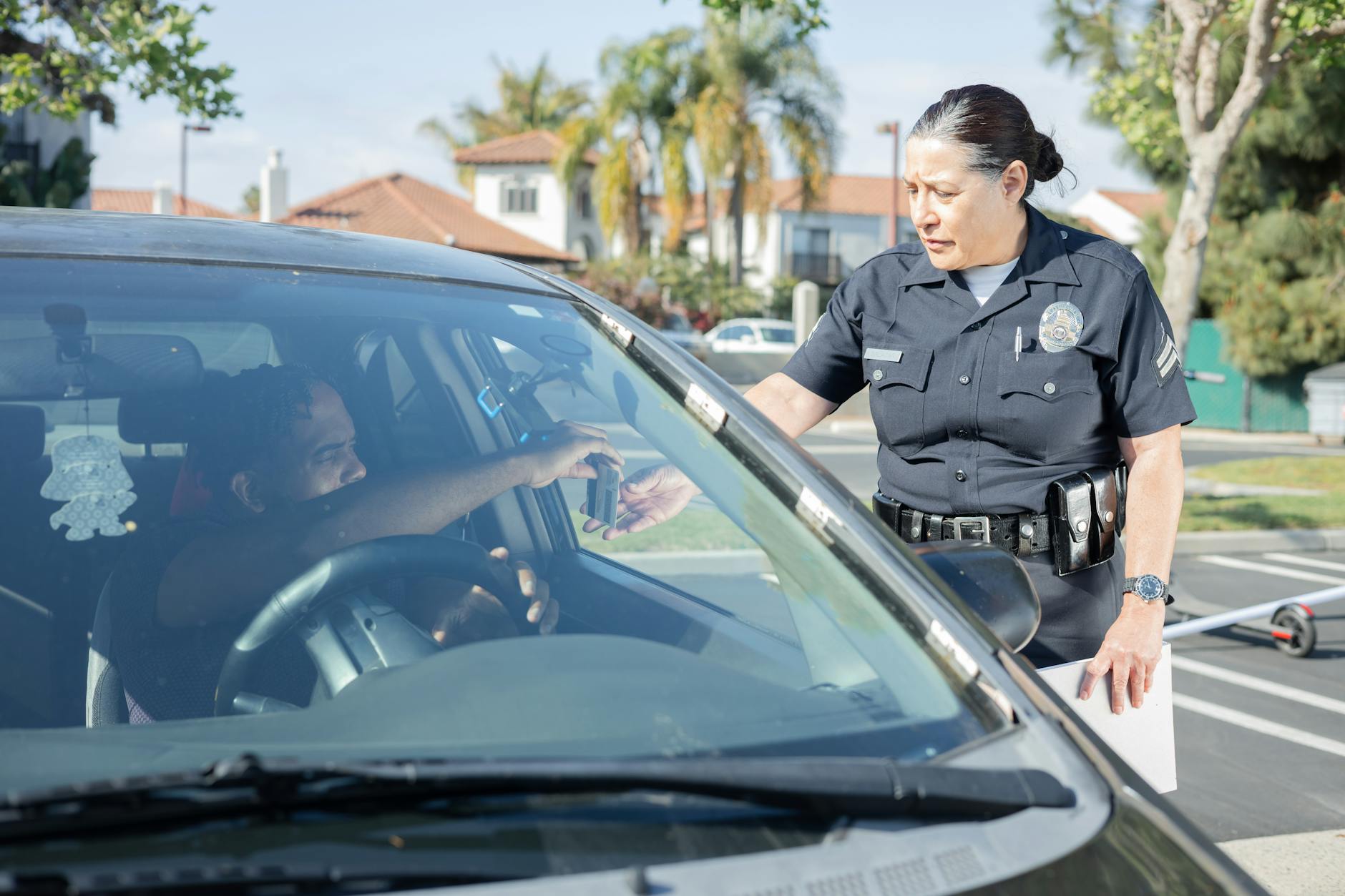
Disorderly conduct charges account for nearly 15% of all arrests in the United States, making it one of the most common reasons for police intervention. This broad charge often serves as a catch-all for various public disturbances, giving law enforcement significant discretion in its application. The flexibility of disorderly conduct laws can lead to inconsistent enforcement, raising concerns about fairness and accountability.
Understanding what is disorderly conduct police use is crucial for citizens to navigate public spaces safely and know their rights. Disorderly conduct police use refers to the application of laws prohibiting disruptive behavior in public. These laws aim to maintain public order but can sometimes be used to stifle legitimate expressions of dissent. By examining key scenarios where these charges are applied, individuals can better comprehend the nuances of police discretion and the potential impact on their rights.
Understanding Disorderly Conduct Laws
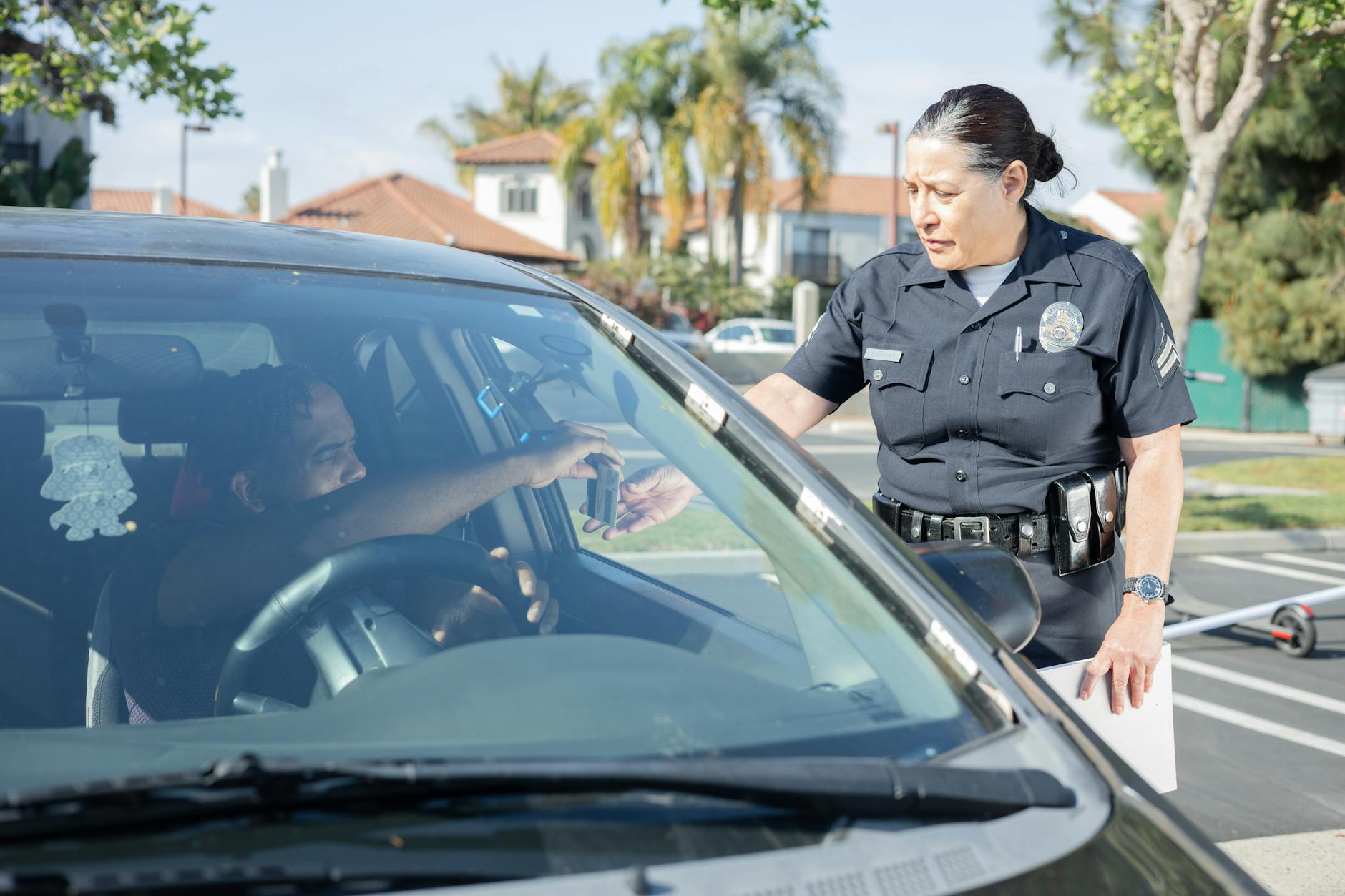
Disorderly conduct laws vary by jurisdiction, but they generally aim to maintain public order and safety. These laws typically prohibit behavior that disrupts the peace, offends public decency, or creates a hazardous environment. Examples include fighting, public intoxication, or using offensive language in public spaces. Police often use disorderly conduct charges as a tool to manage situations where more specific charges might not apply.
According to the National Conference of State Legislatures, all 50 states have some form of disorderly conduct law. These laws often give police broad discretion in determining what constitutes disorderly conduct. This discretion can sometimes lead to inconsistent enforcement, with similar behaviors treated differently based on location or officer judgment.
Experts argue that disorderly conduct laws serve a crucial purpose in maintaining public order. However, critics point out that their broad nature can sometimes lead to misuse. Police departments often provide training to officers on how to apply these laws fairly and consistently. This training aims to balance public safety with individual rights.
Understanding these laws helps citizens navigate interactions with law enforcement. Knowing what behaviors might lead to disorderly conduct charges can prevent unnecessary conflicts. It also empowers individuals to assert their rights when facing such charges.
Common Situations Leading to Charges

Disorderly conduct charges often arise from situations where individuals disrupt public order or peace. Public intoxication stands as a common scenario, where individuals may exhibit aggressive or disruptive behavior due to alcohol or drug influence. Police frequently cite disorderly conduct in these cases, even when no violent actions occur. According to the National Highway Traffic Safety Administration, alcohol-related incidents account for a significant portion of disorderly conduct charges annually.
Arguments or fights in public spaces can quickly escalate into disorderly conduct charges. Whether between strangers or acquaintances, these altercations often involve loud, offensive language or physical confrontations. Police intervene to restore order, leading to charges against one or more parties involved. Legal experts emphasize that even verbal altercations can result in disorderly conduct charges if they disturb public peace.
Public gatherings, such as protests or concerts, sometimes turn chaotic. Participants may engage in behavior that law enforcement deems disruptive or dangerous. Charges can stem from actions like blocking traffic, refusing to disperse, or engaging in destructive behavior. These situations highlight the broad scope of disorderly conduct laws, which aim to maintain public safety and order during large events.
Disruptions in public transportation settings also frequently result in disorderly conduct charges. Incidents range from verbal harassment of other passengers to refusing to comply with transit rules. Law enforcement officers have wide discretion in these environments, often citing disorderly conduct to manage unruly behavior efficiently. This scenario underscores the importance of adhering to public norms and regulations while using shared transportation services.
How Police Apply Disorderly Conduct Charges
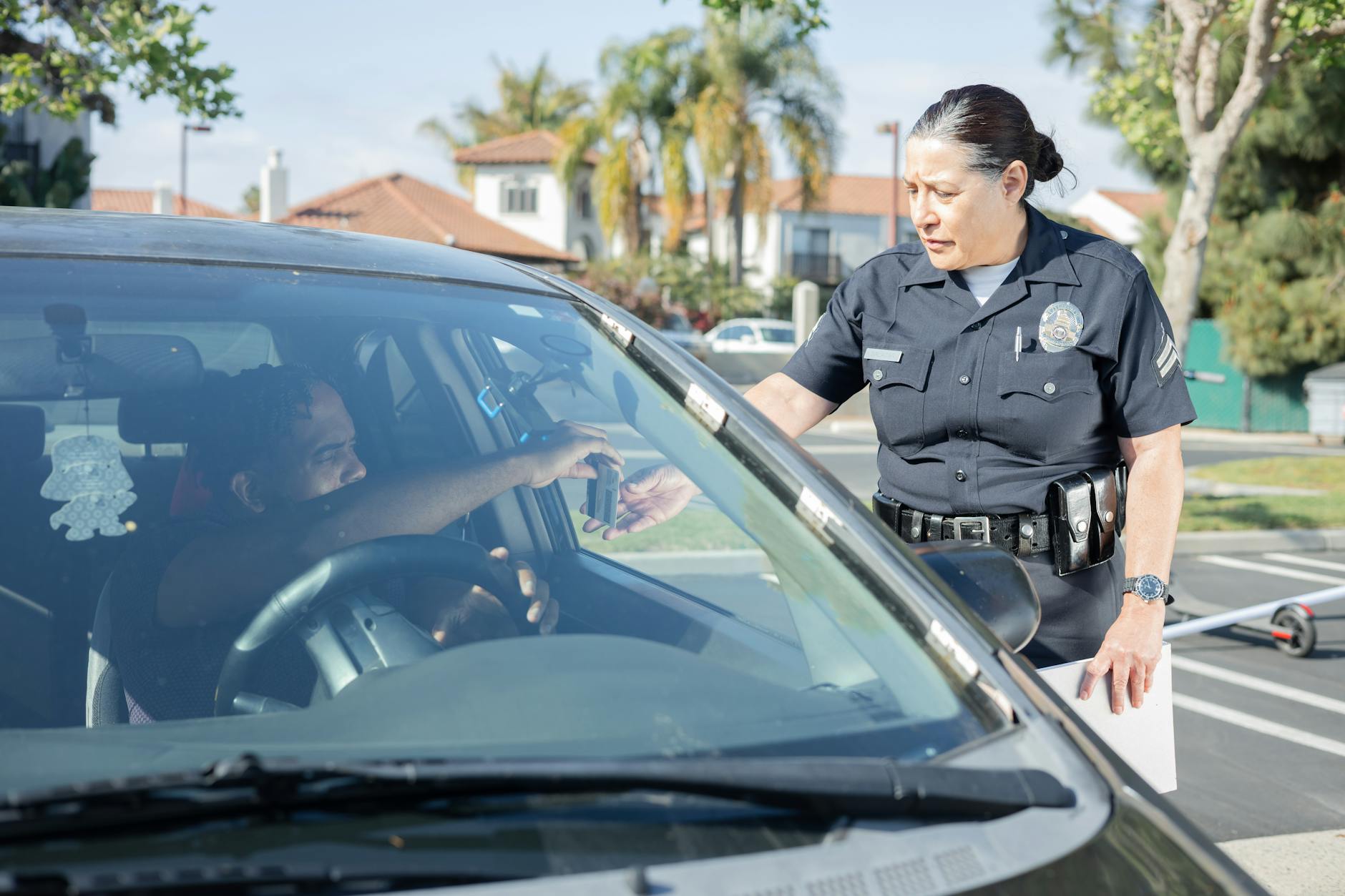
Police officers apply disorderly conduct charges when individuals disrupt public order or peace. This broad charge often serves as a tool to manage situations where more specific laws don't neatly apply. According to the American Civil Liberties Union, disorderly conduct laws are frequently used to criminalize homelessness and poverty, with over 40% of arrests in some cities involving these charges.
In scenarios involving public intoxication, officers may charge individuals with disorderly conduct if they pose a threat to themselves or others. This typically occurs when someone is visibly drunk and causing a disturbance, such as shouting, fighting, or refusing to leave a public area. The charge helps law enforcement maintain public safety without necessarily requiring a more severe charge like public intoxication or assault.
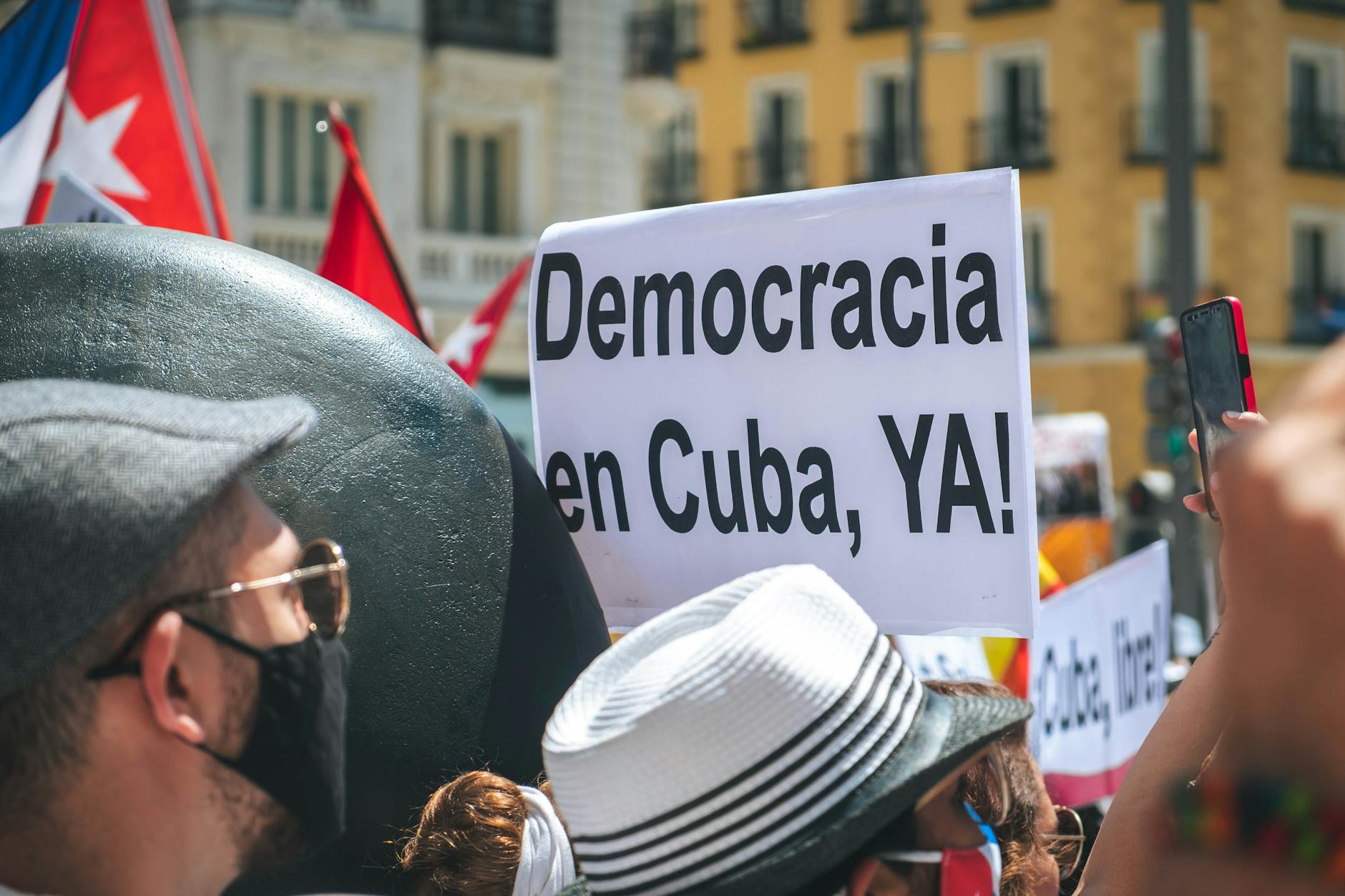
During protests or demonstrations, police often use disorderly conduct charges to control crowds. Officers may target individuals who refuse to disperse, block traffic, or engage in aggressive behavior. This tactic allows law enforcement to quickly address potential unrest and prevent situations from escalating. However, critics argue that this practice can infringe on constitutional rights to free speech and assembly.
In domestic disputes, police apply disorderly conduct charges to de-escalate volatile situations. When officers arrive at a scene, they may charge one or both parties if they are creating a disturbance, such as loud arguments or physical altercations. This charge provides a legal means to remove individuals from the situation and restore order. Studies show that such interventions can help prevent further violence and provide a cooling-off period for involved parties.
Controversies and Criticisms

Disorderly conduct charges have sparked significant controversy, particularly regarding their subjective nature. Critics argue that these charges often serve as a catch-all for police to address behaviors they deem disruptive, without clear legal definitions. A 2018 study by the National Police Foundation found that disorderly conduct charges accounted for nearly 15% of all arrests in certain jurisdictions, raising concerns about potential overuse.
Civil rights advocates point to incidents where disorderly conduct charges appear disproportionately applied to marginalized groups. Protests, for instance, frequently see participants charged with disorderly conduct, even when demonstrations remain peaceful. This pattern has led to accusations of police targeting activists and suppressing free speech.
Law enforcement agencies defend the use of disorderly conduct charges, asserting they are necessary to maintain public order. However, critics contend that vague laws enable abuse of power. The American Civil Liberties Union (ACLU) has highlighted cases where individuals faced charges for seemingly innocuous actions, such as filming police officers or engaging in public debates.
Legal experts emphasize the need for clearer guidelines to prevent arbitrary enforcement. Without precise definitions, disorderly conduct charges risk becoming tools for police discretion rather than instruments of justice. The debate continues as communities and lawmakers grapple with balancing public safety and individual rights.
Potential Reforms and Changes
Potential reforms to police use of disorderly conduct charges focus on reducing discretion and increasing accountability. Some advocates push for clearer definitions of disorderly conduct, arguing that vague language allows for arbitrary enforcement. A 2019 study by the National Police Foundation found that 68% of officers surveyed believed their departments needed better guidelines for such charges. This could help prevent misuse while still allowing officers to maintain public order.
Another proposed change involves implementing body-worn cameras. These devices provide objective documentation of interactions, making it harder for officers to file false charges. Police departments that have adopted this technology report a 15% reduction in complaints related to disorderly conduct, according to a 2020 report by the International Association of Chiefs of Police. The footage can also serve as evidence in court, protecting both officers and civilians.
Some communities are exploring alternative response models. Instead of automatically involving law enforcement, trained mediators or social workers could handle certain situations. This approach has shown promise in reducing arrests for minor offenses. A pilot program in Denver saw a 25% decrease in disorderly conduct charges after implementing this strategy. However, critics argue that such reforms may not be feasible in all areas due to budget constraints.
Finally, there are calls for better training on de-escalation techniques. Many experts argue that police should receive more instruction on how to defuse tense situations without resorting to charges. The Police Executive Research Forum recommends at least 40 hours of crisis intervention training for all officers. This could help prevent unnecessary confrontations and build trust between law enforcement and the public.
Disorderly conduct charges serve as a versatile tool for police to maintain public order, addressing a range of disruptive behaviors from public intoxication to aggressive panhandling. Understanding these key scenarios helps citizens navigate potential legal pitfalls and recognize when law enforcement actions may cross into overreach. Moving forward, ongoing dialogue between communities and law enforcement can help refine these practices, ensuring they strike a balance between maintaining public safety and protecting individual rights.
Need this answered for your specific case?
Get a flat-fee consultation with a verified U.S. immigration attorney. Engagement letter on every paid consult.
Related guides
This guide provides general legal information and does not create an attorney–client relationship. Information accurate as of July 2026. Always verify current USCIS guidance before acting.