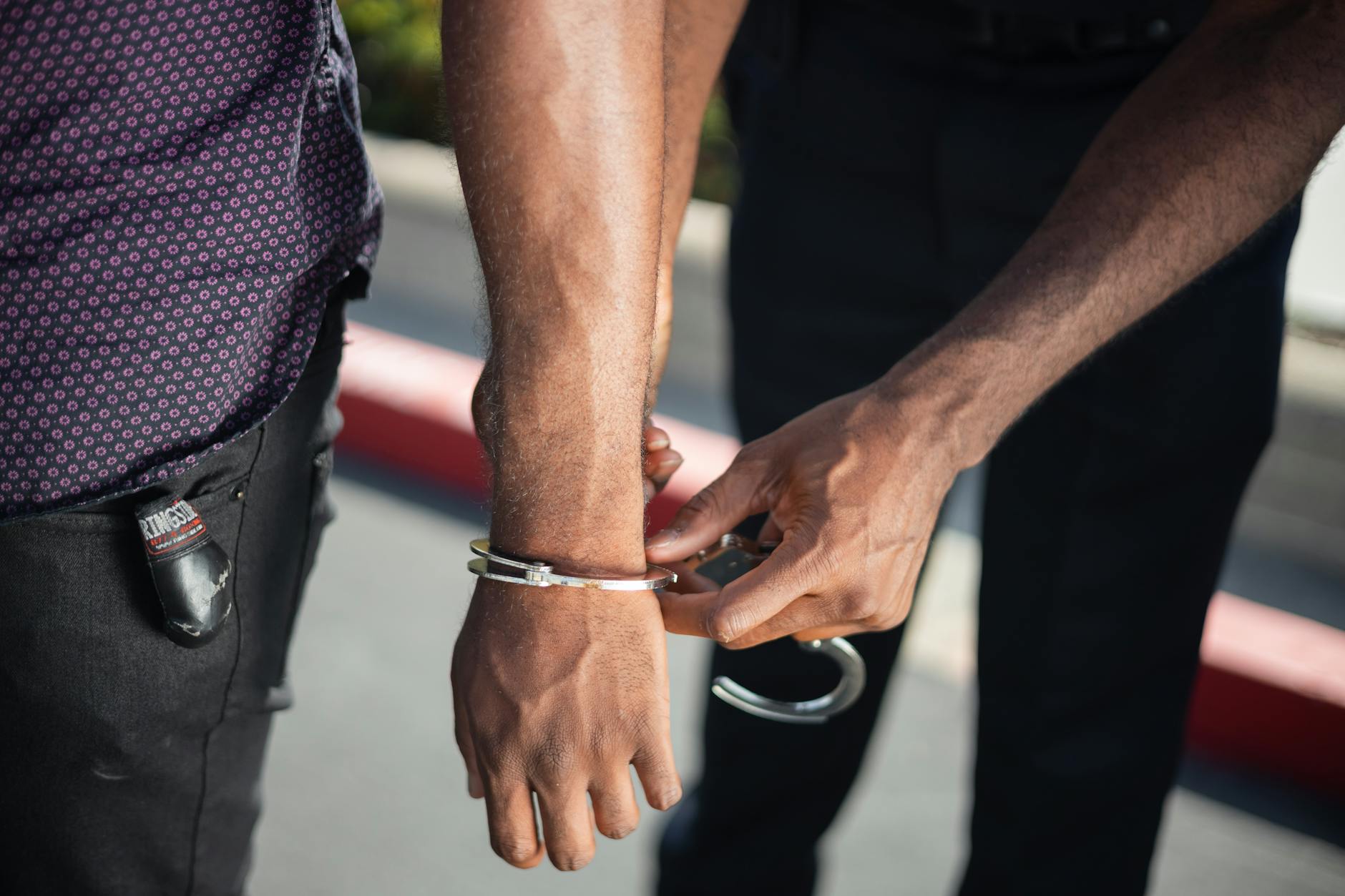
Police departments across the country are rapidly adopting facial recognition technology, with over 11,000 agencies currently using it to aid in investigations. This powerful tool, once the stuff of science fiction, now scans crowds, identifies suspects, and even predicts criminal behavior, raising serious concerns about the balance between police authority and civil liberties.
As law enforcement agencies increasingly rely on this technology, the tension between police authority and civil liberties grows more pronounced. Facial recognition offers undeniable benefits for crime prevention and investigation, but it also raises critical questions about privacy, consent, and the potential for misuse. Citizens must stay informed about these developments, as the technology's implications extend far beyond individual cases, touching on fundamental rights and the very nature of public safety in a democratic society.
Growing Use of Facial Recognition by Police

The use of facial recognition technology by police departments has surged in recent years, raising significant concerns about civil liberties. According to a recent report, over 11,000 law enforcement agencies across the country now employ some form of facial recognition software. This rapid adoption has sparked debates about the balance between public safety and individual privacy.
Police departments argue that facial recognition enhances their ability to identify suspects quickly and accurately. The technology has been used in various high-profile cases, including the identification of individuals in crowds during protests and the tracking of missing persons. However, critics point out that the technology is not infallible and can lead to false identifications, which can have serious consequences for innocent individuals.
Civil liberties advocates emphasize that the widespread use of facial recognition by police raises serious privacy concerns. The technology allows for mass surveillance, potentially capturing and storing images of people who are not suspected of any crime. This raises questions about the extent to which law enforcement should be able to monitor the public without explicit consent or oversight.
A leading expert on surveillance and privacy law notes that the lack of clear regulations and guidelines exacerbates these concerns. Without proper safeguards, the use of facial recognition by police could lead to abuses of power and infringements on civil liberties. The debate continues as lawmakers and the public grapple with the implications of this powerful technology.
How Technology Challenges Privacy Rights
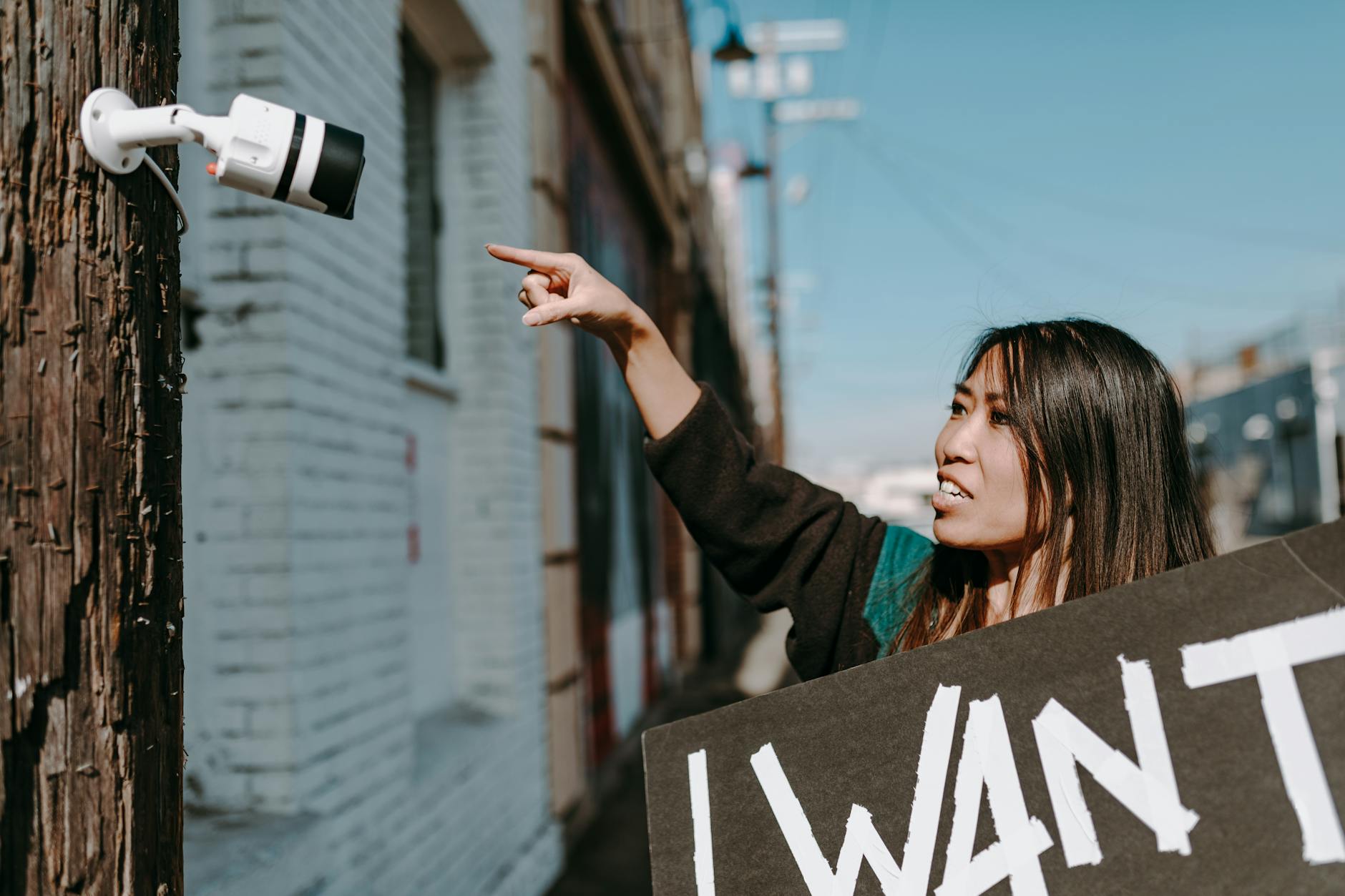
The rapid advancement of facial recognition technology has placed police authorities at the forefront of a contentious debate. Law enforcement agencies argue that this tool enhances their ability to prevent and solve crimes. Yet, critics contend that its deployment undermines fundamental civil liberties, particularly the right to privacy. The tension between public safety and individual rights has never been more pronounced.
According to a recent study by a prominent civil liberties organization, the use of facial recognition by police has increased by 200% over the past five years. This surge raises significant concerns about the potential for misuse and the erosion of public trust. The technology's ability to identify individuals in real-time and match them against vast databases of mugshots and other images has drawn particular scrutiny.
Expert opinions on the matter are divided. Some argue that facial recognition can be a valuable tool when used responsibly and transparently. Others warn of the dangers of a surveillance state, where every citizen's movements and activities are monitored and recorded without consent. The lack of clear regulations and oversight exacerbates these concerns, leaving the balance between police authority and civil liberties precariously tilted.
As the technology continues to evolve, so too must the legal and ethical frameworks that govern its use. Without robust safeguards in place, the potential for abuse remains high. The debate over facial recognition is not just about technology; it's about the kind of society we want to live in and the values we hold dear.
Real-World Cases of Misidentification

Facial recognition technology has increasingly become a tool in law enforcement's arsenal, but its use has led to several high-profile misidentifications. In Detroit, Robert Williams spent 30 hours in jail after being wrongly identified by facial recognition software. The system matched his driver's license photo to security footage of a shoplifter, despite the two looking nothing alike. Williams' case highlights the technology's potential for error and the severe consequences for innocent individuals.
A similar incident occurred in New Orleans, where a man was wrongfully arrested for a burglary he did not commit. The facial recognition system used by police matched his photo to grainy surveillance footage. The man was later exonerated, but the case underscored the need for better quality control in facial recognition technology. A study by the National Institute of Standards and Technology found that false positives are more likely when the quality of the image is poor.
In London, a man was wrongly identified as a rioter during the 2011 UK riots. The facial recognition system used by police matched his photo to a blurry image of a rioter. The man was later cleared, but the incident sparked a debate about the use of facial recognition technology in public spaces. The UK's Information Commissioner's Office has since called for stricter regulations on the use of facial recognition technology by law enforcement.
These cases illustrate the potential for facial recognition technology to infringe on civil liberties. As the technology becomes more widespread, it is crucial that law enforcement agencies implement strict guidelines to prevent misidentifications and protect individual rights. The use of facial recognition technology must be balanced with the need to uphold civil liberties and ensure due process.
Balancing Security and Individual Freedoms
The use of facial recognition technology by police forces has sparked intense debate about the delicate balance between public safety and individual freedoms. While law enforcement agencies argue that the technology enhances their ability to prevent and solve crimes, civil liberties advocates express concerns about potential misuse and infringement on privacy rights. This tension highlights the need for careful consideration of how and when facial recognition should be deployed.
A recent study by a prominent civil rights organization revealed that nearly 60% of Americans are uncomfortable with police using facial recognition technology without clear regulations. The study underscores the public's growing unease about the potential for abuse, particularly in cases where the technology might disproportionately target marginalized communities. Such concerns are not unfounded, as historical data shows that minority groups are often subject to higher levels of surveillance.
Experts suggest that the key to resolving this dilemma lies in establishing transparent guidelines and oversight mechanisms. Police departments should be required to obtain warrants for facial recognition searches, similar to the standards applied to other forms of surveillance. Additionally, independent bodies should regularly audit the use of this technology to ensure compliance with legal and ethical standards. By implementing these measures, law enforcement can maintain public trust while effectively utilizing facial recognition technology.
Ultimately, the debate over facial recognition technology is not just about the tools themselves but about the values and principles that underpin a just society. Striking the right balance between security and individual freedoms requires ongoing dialogue, rigorous oversight, and a commitment to protecting the rights of all citizens. Only through such efforts can society ensure that technological advancements serve the public good without compromising fundamental liberties.
Potential Legislative Responses to Surveillance
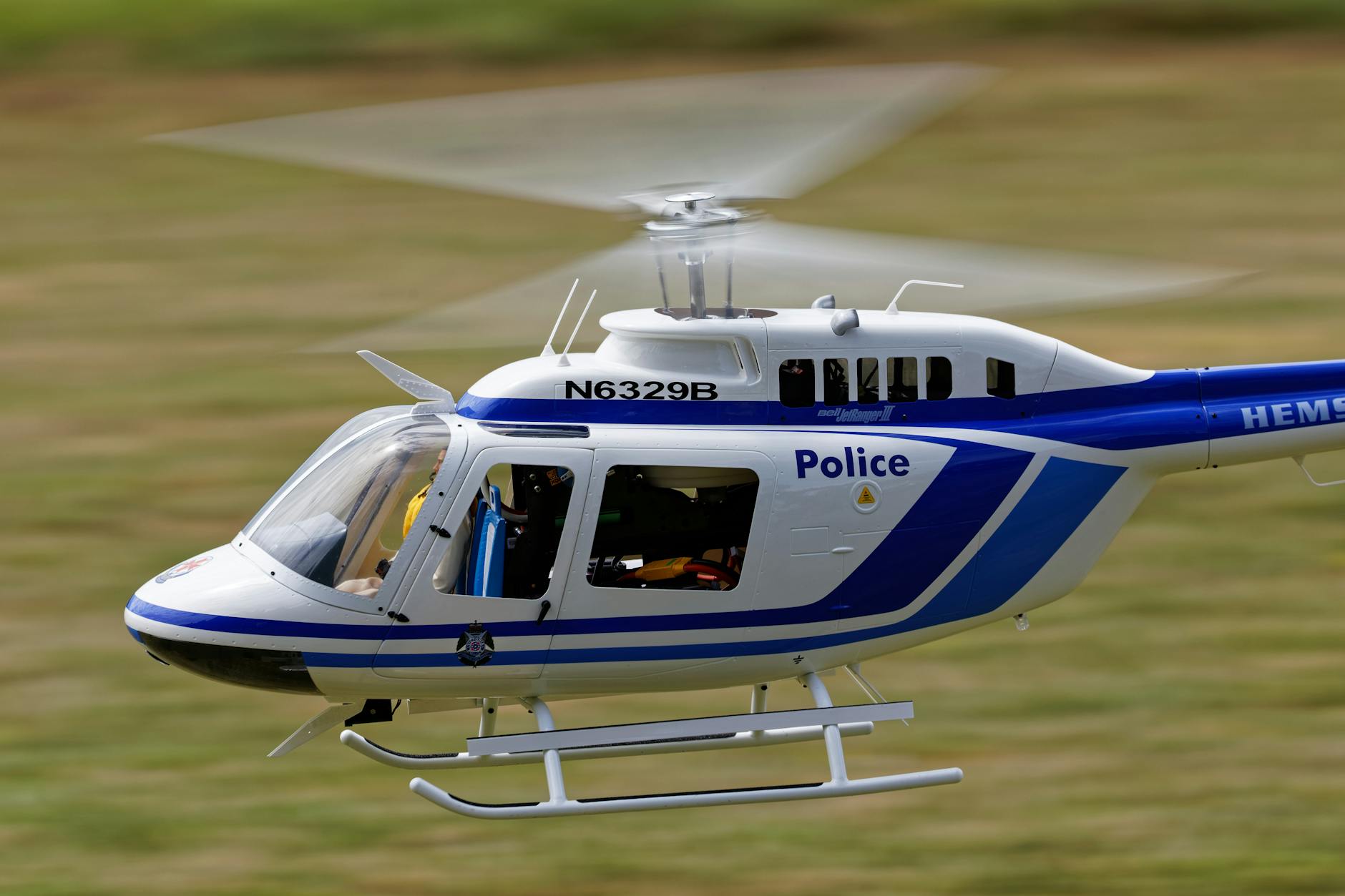
Lawmakers across the country are grappling with how to respond to the growing use of facial recognition technology by police departments. Some states have already taken action, with Massachusetts and California implementing temporary bans on police use of the technology. These measures aim to provide breathing room for further study and public debate, as concerns about civil liberties continue to mount.
A recent survey by the Center for Data Innovation found that 63% of Americans support regulations on police use of facial recognition. This public sentiment has put pressure on legislators to act, with some proposing comprehensive legislation to balance police authority with individual rights. Proposed bills often include provisions for transparency, such as requiring police departments to disclose when and how they use facial recognition technology.
Other legislative responses focus on limiting the use of facial recognition to specific circumstances, such as investigating serious crimes or locating missing persons. These targeted approaches aim to address concerns about widespread surveillance while still allowing law enforcement to benefit from the technology's capabilities. However, critics argue that such limitations may be difficult to enforce and could lead to inconsistent application across jurisdictions.
As the debate continues, some experts suggest that a federal approach may be necessary to ensure consistent standards nationwide. The lack of uniform regulations currently allows for significant variation in how police departments use and regulate facial recognition technology. A federal law could provide clear guidelines and help protect civil liberties while still allowing law enforcement to use the technology effectively.
The debate over police use of facial recognition technology underscores a critical tension between public safety and civil liberties, revealing the urgent need for clear guidelines to balance these competing priorities. To move forward, lawmakers must establish transparent policies that limit the technology's use, ensure accountability, and protect individual privacy rights. As technology continues to evolve, so too must our legal frameworks, ensuring they reflect the values and principles of a society that cherishes both security and freedom.
Need this answered for your specific case?
Get a flat-fee consultation with a verified U.S. immigration attorney. Engagement letter on every paid consult.
Related guides
This guide provides general legal information and does not create an attorney–client relationship. Information accurate as of July 2026. Always verify current USCIS guidance before acting.