
Every year, law enforcement officers make millions of arrests in the United States, and in a significant number of those cases, force is used to effect the apprehension. The use of force by police is a complex and often controversial subject, with clear legal guidelines governing when and how officers can employ it.
Understanding these guidelines is crucial for both law enforcement professionals and the public. The question of can police use force during arrest is not merely academic; it has real-world implications for public safety and individual rights. The answer lies in a balance between granting police the authority they need to perform their duties effectively and protecting citizens from excessive or unnecessary force. This balance is achieved through a combination of federal law, state statutes, and case law that collectively define the parameters of police use of force.
Understanding Lawful Use of Force
The lawful use of force by police during arrests is a critical aspect of law enforcement, governed by a framework of legal principles and guidelines. At its core, the use of force must be necessary, proportionate, and reasonable. Police officers are permitted to use force to effect an arrest, prevent escape, or overcome resistance. However, the force applied must be the minimum necessary to achieve these objectives.
A landmark U.S. Supreme Court case, Graham v. Connor, established that the reasonableness of force is evaluated based on the totality of the circumstances. Officers must consider factors such as the severity of the crime, whether the suspect poses an immediate threat, and whether the suspect is actively resisting arrest. According to a study by the Police Executive Research Forum, proper training and adherence to these principles can significantly reduce incidents of excessive force.
Excessive force occurs when an officer uses more force than is objectively reasonable under the circumstances. This can lead to serious legal consequences, including civil lawsuits and criminal charges. Police departments implement use-of-force policies and training programs to ensure officers understand and apply these legal standards. Regular review and updates to these policies help maintain public trust and accountability.
When Force is Justified During Arrests
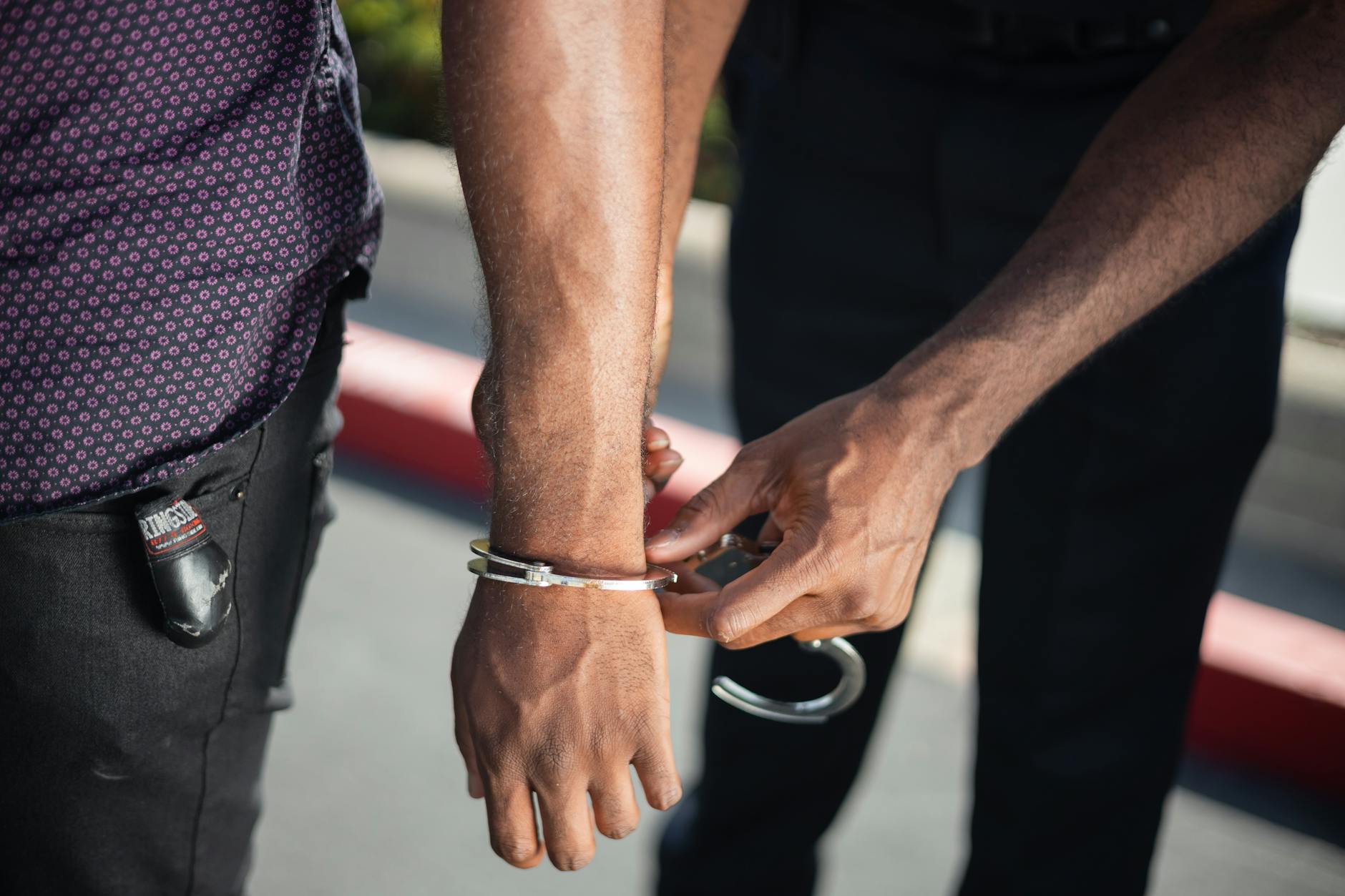
Police officers are authorized to use force during arrests when necessary to effect an arrest, prevent escape, or protect themselves or others from harm. This authority, however, is not unlimited. The use of force must be reasonable and proportional to the circumstances. Courts have established a four-part test to determine the reasonableness of force: the severity of the crime, whether the suspect poses an immediate threat, whether the suspect is actively resisting arrest or attempting to flee, and the risk that the suspect may cause serious physical injury to the officer or others.
According to the Bureau of Justice Statistics, about 1.3% of all arrests involve the use of force by police officers. This statistic underscores the importance of clear guidelines and rigorous training to ensure that force is used judiciously and appropriately. Experts emphasize that police officers must be trained to de-escalate situations whenever possible and to use the minimum amount of force necessary to achieve their objectives.
The use of deadly force is the most extreme measure and is only justified when an officer has a reasonable belief that it is necessary to prevent imminent death or serious bodily injury. This high standard reflects the gravity of taking a life and the profound impact it has on individuals, families, and communities. Officers must be able to articulate the specific circumstances that led them to believe that deadly force was the only option available to them.
Documentation and accountability are critical components of police use of force. Officers must thoroughly document the circumstances surrounding the use of force, including the actions of the suspect and the officer's response. This documentation is essential for internal reviews, legal proceedings, and maintaining public trust. Transparency and accountability help ensure that the use of force is justified and that officers are held to the highest standards of professionalism and ethics.
Types of Force and Legal Boundaries

Police use of force during arrests is categorized into several types, each with distinct legal boundaries. Deadly force, the most severe, is reserved for situations where an officer or another individual faces imminent threat of death or serious bodily harm. Less lethal force includes techniques like baton strikes, pepper spray, and tasers, which aim to subdue suspects without causing permanent injury. Verbal commands and physical restraint represent the lowest level of force, typically employed first in most arrest scenarios.
A critical aspect of force application is its proportionality. Officers must use only the amount of force necessary to effect an arrest or protect themselves or others. This principle is echoed in the landmark Supreme Court case Graham v. Connor, which established that the "objective reasonableness" of force depends on the facts and circumstances of each situation. Failure to adhere to this standard can result in civil liability for officers and departments.
Legal boundaries also dictate when force is permissible. Generally, police may use force to prevent escape, protect themselves or others, or maintain order. However, force cannot be used as punishment or retaliation. According to a study by the National Police Foundation, proper training and clear policies on use of force can significantly reduce incidents of excessive force. Officers must balance their duty to enforce the law with respect for individual rights and safety.
Documentation and accountability play crucial roles in regulating police use of force. Officers are typically required to report any use of force, and these incidents are often reviewed by internal affairs or oversight bodies. Body-worn cameras and other technologies have become valuable tools in providing objective evidence of force application. Transparency in these processes helps maintain public trust and ensures adherence to legal standards.
Training and Accountability for Officers

Police officers undergo rigorous training to ensure they can use force appropriately during arrests. This training covers legal guidelines, de-escalation techniques, and the use of various force options. Officers learn to assess situations quickly and respond with the minimum necessary force. Regular refresher courses keep skills sharp and knowledge up-to-date. According to the Police Executive Research Forum, effective training reduces the likelihood of excessive force incidents by up to 30%.
Accountability mechanisms play a crucial role in maintaining public trust. Internal affairs divisions investigate allegations of misconduct. Independent review boards provide additional oversight. Officers found to have used excessive force face disciplinary actions, up to and including termination. Transparent processes ensure that justice is served and that officers adhere to legal standards.
Body-worn cameras have become a standard tool for accountability. These devices record interactions between officers and the public. Footage provides objective evidence in cases of disputed force. The presence of cameras has been shown to deter misconduct and promote professional behavior. Many departments now require officers to activate cameras during all arrests.
Community engagement programs build trust and improve communication. Officers participate in neighborhood meetings and outreach events. These initiatives help bridge the gap between law enforcement and the public. When communities understand police procedures, they are more likely to support officers' actions. Mutual respect fosters cooperation and reduces tensions during arrests.
Evolving Policies and Public Expectations
Police use of force policies has evolved significantly over the years, shaped by societal changes and high-profile incidents. The public's expectations have shifted, demanding greater transparency and accountability. Police departments now face increased scrutiny, with many adopting body-worn cameras and implementing stricter use-of-force guidelines. These changes reflect a broader cultural shift towards balancing public safety with individual rights.
A 2021 study by the National Institute of Justice found that 85% of Americans support police wearing body cameras. This statistic underscores the public's desire for accountability and evidence-based policing. As a result, many law enforcement agencies have revised their use-of-force policies to align with these expectations.
Legal experts emphasize the importance of continuous training and policy updates. According to a senior policy analyst, "Regularly reviewing and revising use-of-force policies ensures they remain effective and aligned with current legal standards." This proactive approach helps maintain public trust and ensures officers are equipped to handle diverse situations appropriately.
Public expectations also extend to the de-escalation techniques and mental health crisis response. Many departments now integrate specialized training to handle these scenarios. This shift highlights the growing recognition of the complex nature of policing and the need for nuanced approaches to use-of-force situations.
The law unequivocally permits police officers to use force during arrests when necessary to overcome resistance, prevent escape, or protect themselves or others from harm. However, this authority is not unlimited and must always be proportionate to the situation. To ensure both public safety and individual rights, officers should receive ongoing training in de-escalation techniques and the appropriate use of force. Moving forward, increased transparency and accountability measures will be crucial in maintaining public trust and ensuring that police use of force aligns with legal and ethical standards.
Need this answered for your specific case?
Get a flat-fee consultation with a verified U.S. immigration attorney. Engagement letter on every paid consult.
Related guides
This guide provides general legal information and does not create an attorney–client relationship. Information accurate as of July 2026. Always verify current USCIS guidance before acting.