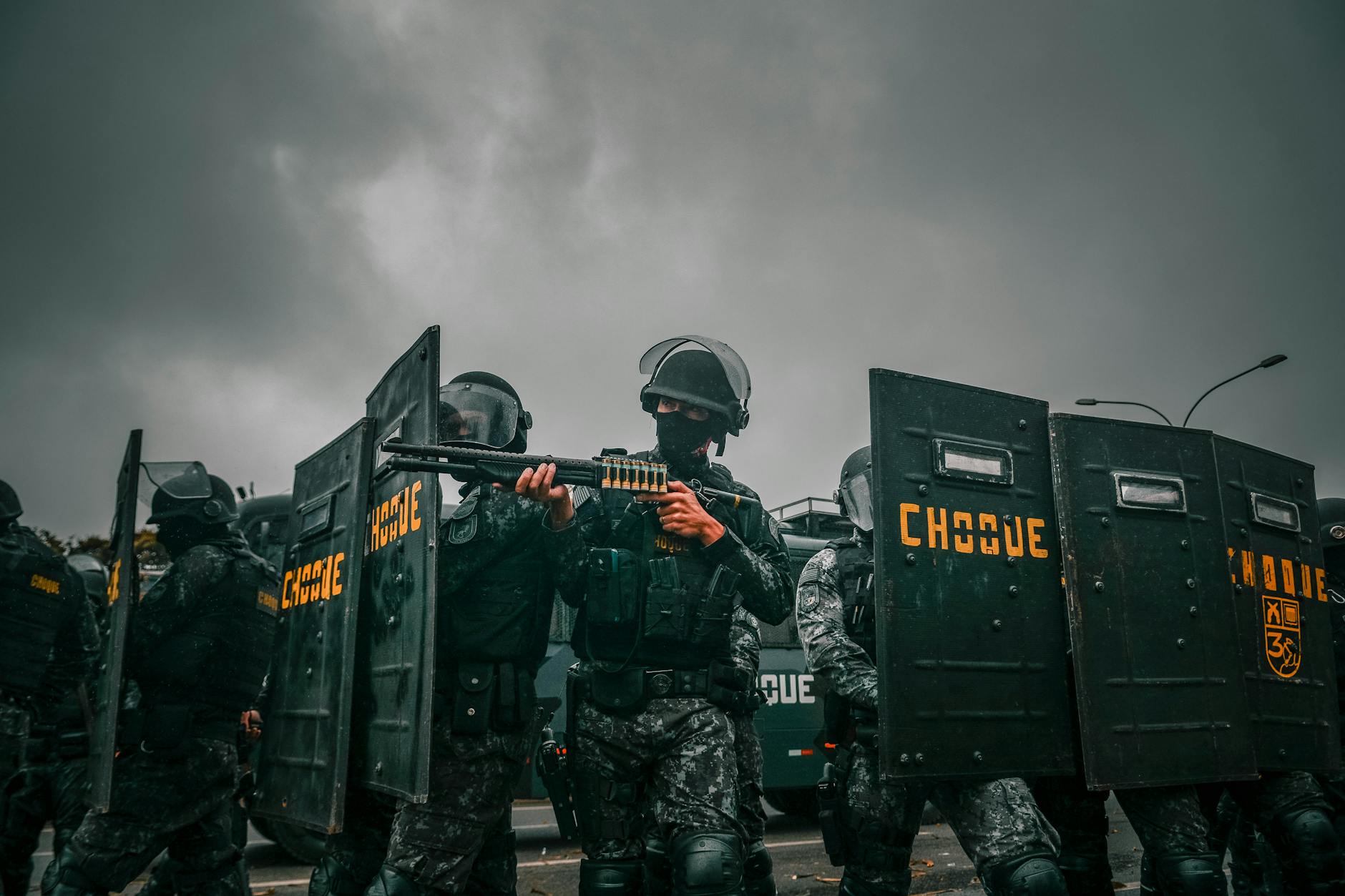
Nearly one in four fatal police encounters in the U.S. involves a person experiencing a mental health crisis. This alarming statistic has sparked intense debate about law enforcement's role in these situations and whether police should use force in mental health crises.
The issue of Can Police Use Force in Mental Crisis has become a critical point of discussion among law enforcement agencies, mental health professionals, and communities. With mental health crises on the rise, understanding the appropriate police response is more relevant than ever. The question of Can Police Use Force in Mental Crisis touches on complex issues of public safety, human rights, and the urgent need for better mental health crisis intervention strategies.
Rising concerns over police tactics
Across the nation, communities are increasingly questioning the use of force by police during mental health crises. The concern stems from a growing body of evidence suggesting that traditional law enforcement tactics often escalate rather than de-escalate these situations. A recent study by a leading criminal justice research organization found that individuals experiencing mental health crises are 16 times more likely to be killed during police encounters than those not experiencing such crises.
Critics argue that police officers, while well-intentioned, are often ill-equipped to handle mental health emergencies. The training they receive typically focuses on law enforcement techniques rather than crisis intervention. This gap in training can lead to tragic outcomes, as officers may resort to force when de-escalation tactics would be more appropriate. The result is a cycle of violence that leaves families devastated and communities demanding change.
Advocates for reform are pushing for a shift in how mental health crises are handled. They propose that police departments should partner with mental health professionals to respond to these calls. This approach, known as co-responder models, has shown promise in reducing the use of force and improving outcomes for individuals in crisis. The goal is to ensure that those in need of mental health support receive the care they deserve, rather than being met with force.
When force becomes necessary

The use of force in mental health crises remains a contentious issue, with law enforcement agencies grappling to balance public safety and individual rights. Police officers often find themselves in complex situations where individuals experiencing mental health crises may pose a threat to themselves or others. In such scenarios, the use of force may become necessary to prevent harm or ensure compliance with the law.
According to a study by the Treatment Advocacy Center, individuals with untreated mental illness are 16 times more likely to be killed during a police encounter. This stark statistic underscores the critical need for proper training and de-escalation techniques. Experts emphasize that police officers should be equipped with the skills to recognize and respond appropriately to mental health crises, reducing the likelihood of force becoming necessary.
When force is deemed necessary, it should be proportionate to the threat and used as a last resort. Police departments are increasingly adopting crisis intervention teams (CIT) to handle mental health-related calls. These specialized units undergo extensive training to manage such situations effectively, often resulting in better outcomes for all parties involved. The goal is to ensure that force is used judiciously and only when absolutely necessary.
Community engagement and education also play a vital role in minimizing the need for force. Building trust between law enforcement and the community can lead to better communication and cooperation during mental health crises. By fostering a collaborative approach, police departments can create a safer environment for everyone, including those experiencing mental health challenges.
Training and alternatives in action

Across the country, law enforcement agencies are implementing specialized training programs to better equip officers for mental health crisis situations. These initiatives often include de-escalation techniques, crisis intervention training, and partnerships with mental health professionals. For instance, the Memphis model, a widely adopted program, pairs officers with mental health professionals during crisis responses. This collaborative approach has shown promise in reducing the need for force and improving outcomes for individuals in crisis.
A growing number of communities are exploring alternatives to traditional police responses for mental health emergencies. Mobile crisis teams, composed of mental health professionals and trained responders, are being deployed to handle these situations. These teams provide immediate support and connect individuals with appropriate long-term care. According to a recent study, communities utilizing mobile crisis teams have seen a significant reduction in arrests and hospitalizations related to mental health crises.
Critics argue that while training and alternatives are steps in the right direction, systemic changes are necessary for meaningful progress. They emphasize the need for increased funding for mental health services and community-based support systems. Experts suggest that a comprehensive approach, combining training, alternatives, and systemic reforms, is essential for effectively addressing police use of force in mental health crises.
Despite the challenges, there is a growing recognition of the importance of addressing mental health crises with a trauma-informed and compassionate approach. Law enforcement agencies, mental health professionals, and community organizations are collaborating to develop innovative solutions. This collective effort aims to create a safer and more supportive environment for individuals experiencing mental health crises.
Community responses and advocacy

Communities across the country are demanding change in how law enforcement handles mental health crises. Advocacy groups report a growing number of incidents where police use of force has escalated situations involving individuals experiencing mental health emergencies. A recent study by a leading criminal justice research organization found that police encounters with mentally ill individuals often result in unnecessary force, with nearly 25% of such incidents involving physical restraint or injury.
Families of victims have formed support networks to push for better training and alternative response strategies. These groups emphasize the need for mental health professionals to accompany or replace police in crisis situations. Their efforts have gained traction, with some cities implementing co-responder programs that pair officers with mental health specialists.
Legal experts argue that current policies often fail to protect vulnerable individuals. They point to outdated laws and insufficient accountability measures as major obstacles to reform. The push for change has also highlighted disparities in how different communities experience police interactions during mental health crises, with marginalized groups often bearing the brunt of excessive force.
Public awareness campaigns have played a crucial role in shifting the narrative. By sharing personal stories and advocating for policy changes, these initiatives are helping to redefine the role of police in mental health emergencies. The movement has sparked conversations about systemic issues and the urgent need for comprehensive reform.
Shaping future mental health interventions

As police departments face increasing scrutiny over use of force in mental health crises, experts emphasize the need for alternative intervention strategies. Research shows that individuals with mental illness are 16 times more likely to be killed during a police encounter. This stark statistic underscores the urgency of developing more effective, less lethal approaches to crisis response.
One promising model is the Crisis Intervention Team (CIT) program, which trains officers in de-escalation techniques and mental health awareness. These specialized units have demonstrated success in reducing arrests and injuries during mental health crises. However, implementation varies widely across jurisdictions, with some departments struggling to allocate sufficient resources.
A growing number of communities are exploring co-responder models, where mental health professionals accompany police on crisis calls. This collaborative approach aims to provide immediate clinical support while reducing the need for physical intervention. Early results suggest these programs can improve outcomes for individuals experiencing mental health emergencies.
Looking ahead, some advocates push for a complete overhaul of crisis response systems. They envision a future where mental health professionals, rather than armed officers, take the lead in these situations. While this shift would require significant policy changes and funding, proponents argue it could save lives and reduce trauma for vulnerable individuals.
The debate surrounding police use of force in mental health crises underscores a critical need for systemic change, emphasizing that law enforcement officers often lack the specialized training to handle these complex situations effectively. Communities and policymakers must prioritize the implementation of crisis intervention teams and mental health professionals to respond to these emergencies, ensuring safer outcomes for all parties involved. As society continues to evolve, the integration of mental health expertise into crisis response systems will be pivotal in fostering a more compassionate and effective approach to mental health emergencies.
Need this answered for your specific case?
Get a flat-fee consultation with a verified U.S. immigration attorney. Engagement letter on every paid consult.
Related guides
This guide provides general legal information and does not create an attorney–client relationship. Information accurate as of July 2026. Always verify current USCIS guidance before acting.