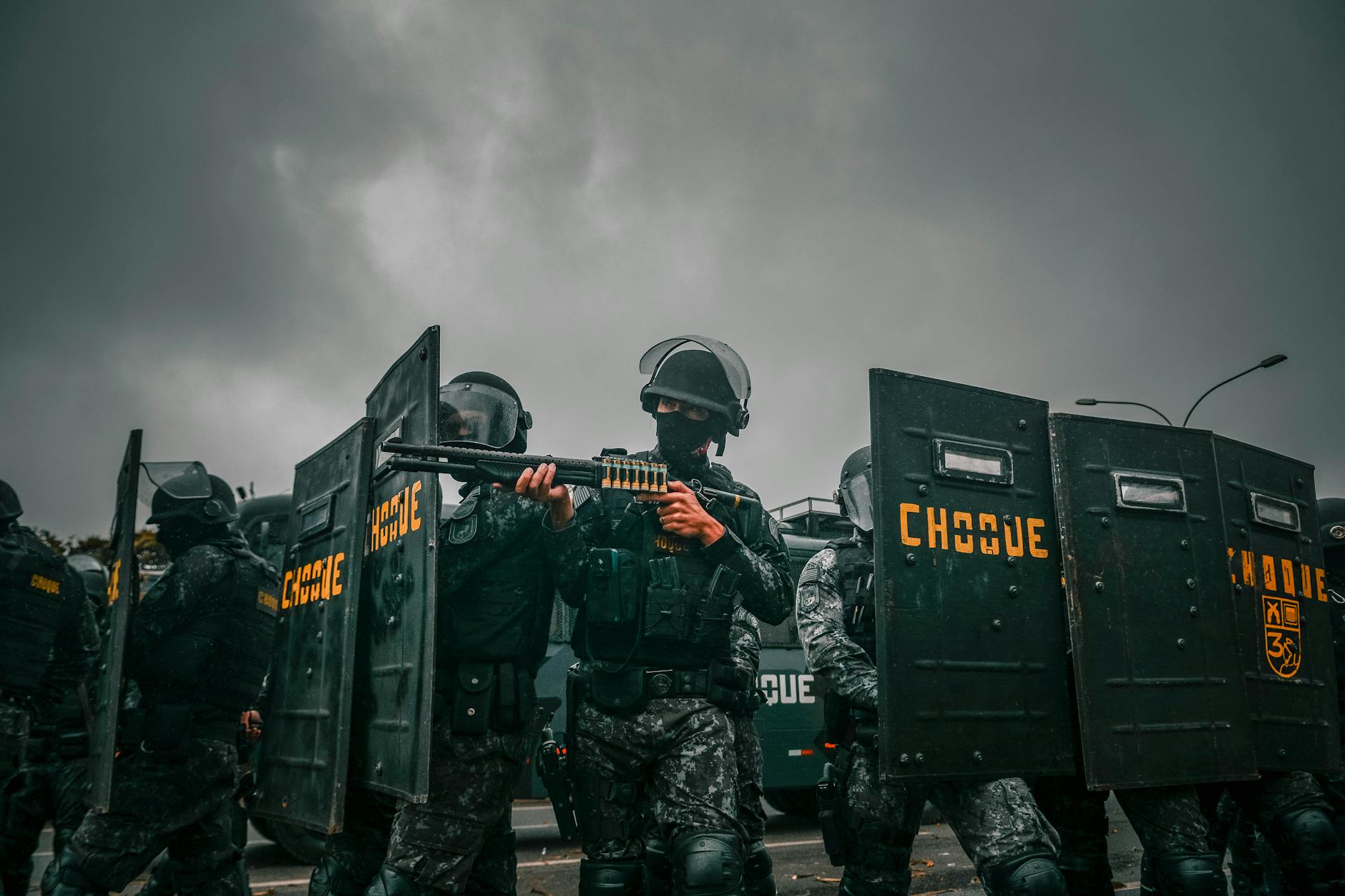
Every 6 hours, a police officer in the United States kills someone. This stark reality underscores the critical need to examine police use of force, particularly when it becomes excessive. Excessive force by police occurs when an officer uses more physical force than is necessary to control a situation, make an arrest, or protect themselves or others from harm. This fine line between appropriate force and excessive force has become a pressing issue in communities across the country.
Understanding what is excessive force by police is crucial for citizens and law enforcement alike. It affects public trust, officer safety, and the overall effectiveness of policing. Excessive force by police can manifest in various forms, from unnecessary violence during arrests to the use of weapons in non-threatening situations. As communities grapple with these issues, a clear understanding of what constitutes excessive force becomes essential for fostering accountability and improving police-community relations.
Understanding Use of Force Policies

Excessive force by police occurs when an officer uses more physical power than necessary to control a situation. This can include unnecessary strikes, prolonged restraint, or deployment of weapons like Tasers or firearms when less forceful methods would suffice. The line between reasonable and excessive force often blurs in high-stress situations, but clear policies and training can help officers make better judgments.
According to a study by the National Institute of Justice, nearly 90% of police officers report having witnessed at least one instance of excessive force by a colleague. This statistic underscores the prevalence of the issue within law enforcement agencies. Experts argue that cultural and systemic factors within police departments contribute to this problem, making it a complex issue to address.
Determining what constitutes excessive force depends on several factors. These include the severity of the threat, the suspect's actions, and the officer's training and experience. Courts often rely on the "objective reasonableness" standard, evaluating whether an officer's actions were reasonable given the circumstances. However, this standard can be subjective and varies by jurisdiction.
Clear policies and accountability measures are crucial in preventing excessive force. Many departments have implemented body-worn cameras and de-escalation training to reduce incidents. Additionally, independent oversight bodies can investigate complaints and hold officers accountable for misconduct. These steps aim to build public trust and ensure that police use force judiciously and appropriately.
Recognizing Excessive Force Indicators

Excessive force by police manifests in various forms, often leaving lasting physical and psychological impacts. Officers may use weapons or restraints disproportionate to the threat level, such as deploying Tasers against unarmed individuals or employing chokeholds in non-life-threatening situations. Verbal abuse, racial slurs, and unnecessary aggression also constitute excessive force, eroding public trust and community relations.
Research indicates that excessive force incidents disproportionately affect minority communities. A study by the National Academy of Sciences found that Black Americans are 2.5 times more likely to be killed by police than their white counterparts. This stark disparity underscores the urgency of addressing systemic biases and implementing stricter use-of-force policies.
Recognizing excessive force requires understanding the context and proportionality of an officer's actions. For instance, using a firearm against an individual armed with a knife may be justified, but deploying lethal force against someone holding a toy weapon is not. Officers must assess each situation carefully, considering the immediate threat and available de-escalation techniques.
Body-worn cameras and independent oversight play crucial roles in identifying excessive force. These tools provide objective evidence, helping to hold officers accountable and promote transparency. Communities and law enforcement agencies must collaborate to establish clear guidelines and consequences for excessive force, ensuring public safety and trust.
Case Studies: When Force Crosses the Line

Excessive force by police officers is not just a legal concept—it's a tragic reality that has played out in communities across the country. One stark example is the case of George Floyd, whose 2020 death under the knee of a Minneapolis officer sparked global outrage. The officer's actions, captured on video, were widely condemned as a clear case of excessive force, leading to criminal charges and a conviction. This case underscores the devastating consequences when law enforcement officers cross the line.
In another incident, the 2014 fatal shooting of Michael Brown in Ferguson, Missouri, ignited nationwide protests. The circumstances surrounding Brown's death remain hotly debated, but the event highlighted the complex dynamics of police use of force. A Department of Justice report later found systemic issues within the Ferguson Police Department, including a pattern of excessive force and racial bias. This case illustrates how excessive force can erode public trust and spark community unrest.
Expert analysis from a leading criminologist emphasizes that excessive force often stems from a combination of factors, including inadequate training, lack of accountability, and systemic biases. The criminologist points to data showing that Black Americans are disproportionately affected by police violence, with studies indicating they are three times more likely to be killed by police than white Americans. These statistics underscore the urgent need for reform and better oversight.
In 2018, the case of Stephon Clark in Sacramento, California, drew national attention. Clark, an unarmed Black man, was shot and killed by police officers who mistook his cellphone for a weapon. The officers' actions were later deemed justified by local prosecutors, but the decision sparked outrage and protests. This case exemplifies the challenges in defining and prosecuting excessive force, as well as the emotional toll it takes on communities.
These cases are just a few examples of when police use of force crosses the line. They serve as stark reminders of the need for transparency, accountability, and meaningful reform in law enforcement. The consequences of excessive force ripple far beyond the individual incidents, affecting entire communities and the broader trust in the justice system.
Community Impact and Accountability

The impact of excessive police force extends far beyond the immediate incident, rippling through communities and eroding public trust. When law enforcement officers cross the line from necessary force to excessive force, the consequences can be devastating. Families are torn apart, communities become polarized, and the very fabric of societal cohesion frays. The effects are not just emotional; they are economic too. Studies show that communities experiencing police brutality often see a decline in property values and business investments, as residents and entrepreneurs alike seek safer environments.
Accountability for excessive force is a complex issue. While there are mechanisms in place to address misconduct, they are often underutilized or ineffective. According to a report by the National Institute of Justice, only a small fraction of complaints against police officers result in disciplinary action. This lack of accountability can perpetuate a cycle of abuse, as officers who believe they will not face consequences for their actions are more likely to repeat them. The result is a system that fails to protect the public and undermines the integrity of law enforcement as a whole.
Community engagement is crucial in addressing the issue of excessive force. Building trust between law enforcement and the communities they serve can help prevent incidents of abuse. Programs that promote transparency, such as body-worn cameras and independent oversight boards, can also play a significant role. When communities feel heard and see that their concerns are being addressed, they are more likely to cooperate with law enforcement, leading to safer and more just outcomes for all.
Expert opinions highlight the need for comprehensive reform. Many advocates argue that changing police culture is essential. This includes rethinking training programs to emphasize de-escalation techniques and community policing strategies. By fostering a culture of respect and accountability, law enforcement agencies can work towards rebuilding trust and ensuring that the use of force is always justified and proportionate.
Moving Toward Reform and Prevention

Law enforcement agencies across the country are increasingly recognizing the need for reform and prevention strategies to address excessive use of force. Many departments have implemented de-escalation training programs, aiming to equip officers with techniques to defuse tense situations before they escalate. These programs emphasize verbal communication, active listening, and non-confrontational approaches. According to a recent study by the Police Executive Research Forum, departments that have adopted these training programs have seen a significant reduction in use-of-force incidents.
Body-worn cameras have emerged as a crucial tool in promoting accountability and transparency. These devices record interactions between officers and the public, providing an objective account of events. The presence of cameras has been shown to deter misconduct and encourage officers to adhere to departmental policies. A study by the National Institute of Justice found that agencies using body-worn cameras reported a 50% decrease in complaints against officers.
Community policing initiatives are another key component of reform efforts. These programs focus on building trust and fostering positive relationships between law enforcement and the communities they serve. Officers are encouraged to engage with residents, address local concerns, and collaborate on problem-solving strategies. Experts argue that this proactive approach can help prevent conflicts and reduce the likelihood of excessive force incidents.
Policy changes are also playing a vital role in curbing excessive force. Many departments have revised their use-of-force policies to align with best practices and constitutional standards. Clear guidelines on when and how force can be used help officers make informed decisions in high-pressure situations. Additionally, regular reviews and updates of these policies ensure they remain relevant and effective in addressing emerging challenges.
Excessive police force is not just about physical harm; it's about the erosion of public trust and the violation of fundamental rights. The line is crossed when force is used disproportionately, unnecessarily, or with malicious intent. To navigate this complex issue, communities must advocate for comprehensive training programs that emphasize de-escalation techniques and cultural sensitivity. Additionally, independent oversight bodies should be established to investigate and hold officers accountable for misconduct. Moving forward, the conversation around police use of force must shift from reactive measures to proactive strategies that prioritize prevention and accountability.
Need this answered for your specific case?
Get a flat-fee consultation with a verified U.S. immigration attorney. Engagement letter on every paid consult.
Related guides
This guide provides general legal information and does not create an attorney–client relationship. Information accurate as of July 2026. Always verify current USCIS guidance before acting.