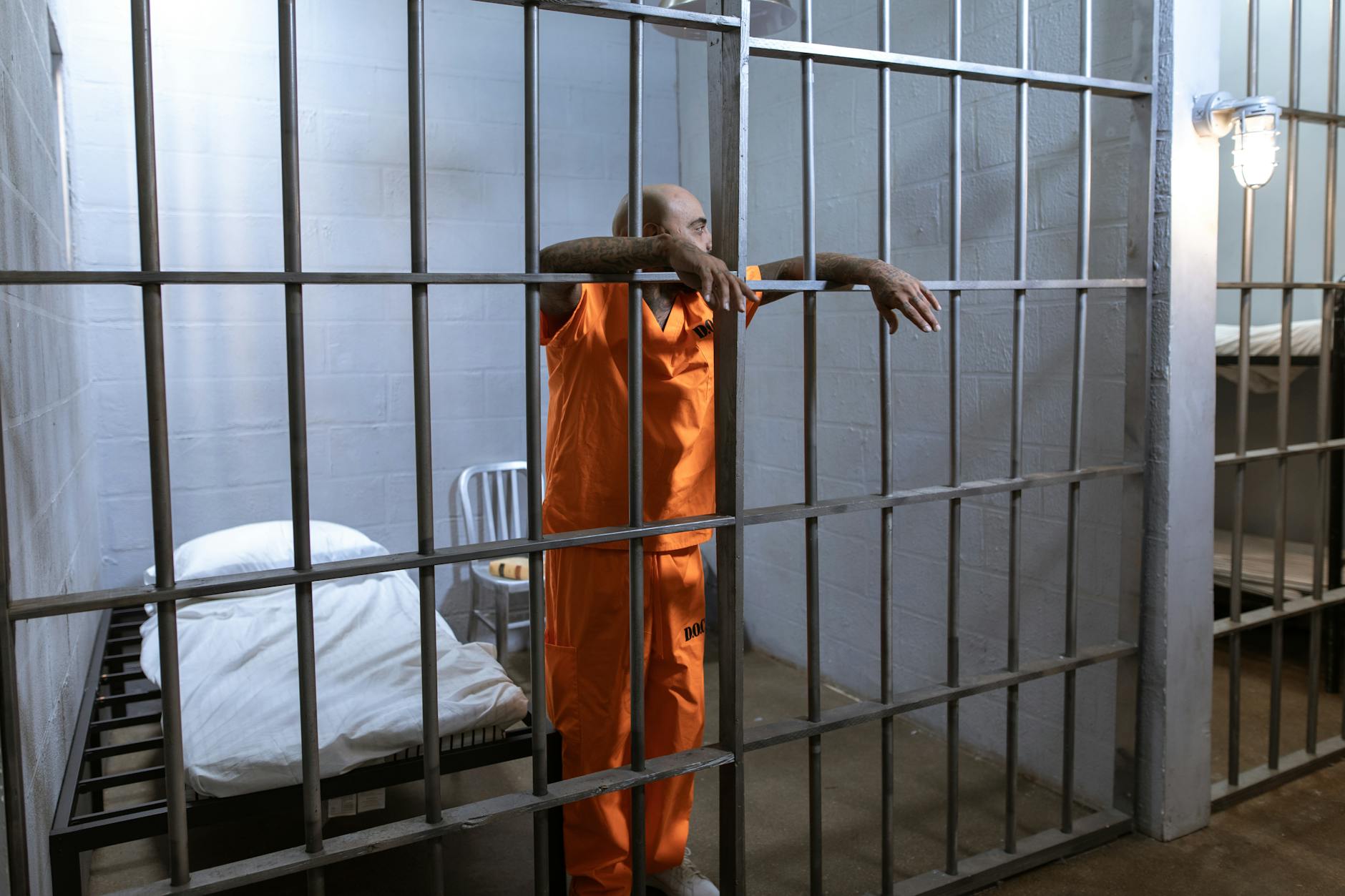
The United States correctional system is a multibillion-dollar industry, generating an estimated $80 billion annually. This staggering figure is a testament to the vast scope of the prison economy, a complex network of industries that cater to the needs of incarcerated individuals and correctional facilities.
The prison economy is a critical aspect of the US justice system, with far-reaching implications for policymakers, businesses, and communities. What is prison economy? Simply put, it refers to the vast array of goods and services provided to correctional facilities, including food, clothing, and medical care. The prison economy explained involves the intricate relationships between government agencies, private companies, and non-profit organizations that work together to meet the needs of a growing inmate population. As the US prison population continues to grow, so too does the economic impact of the prison economy, making it an essential topic for anyone interested in the intersection of justice and commerce.
Prison Labor Forces Behind Bars to Earn a Living Wage
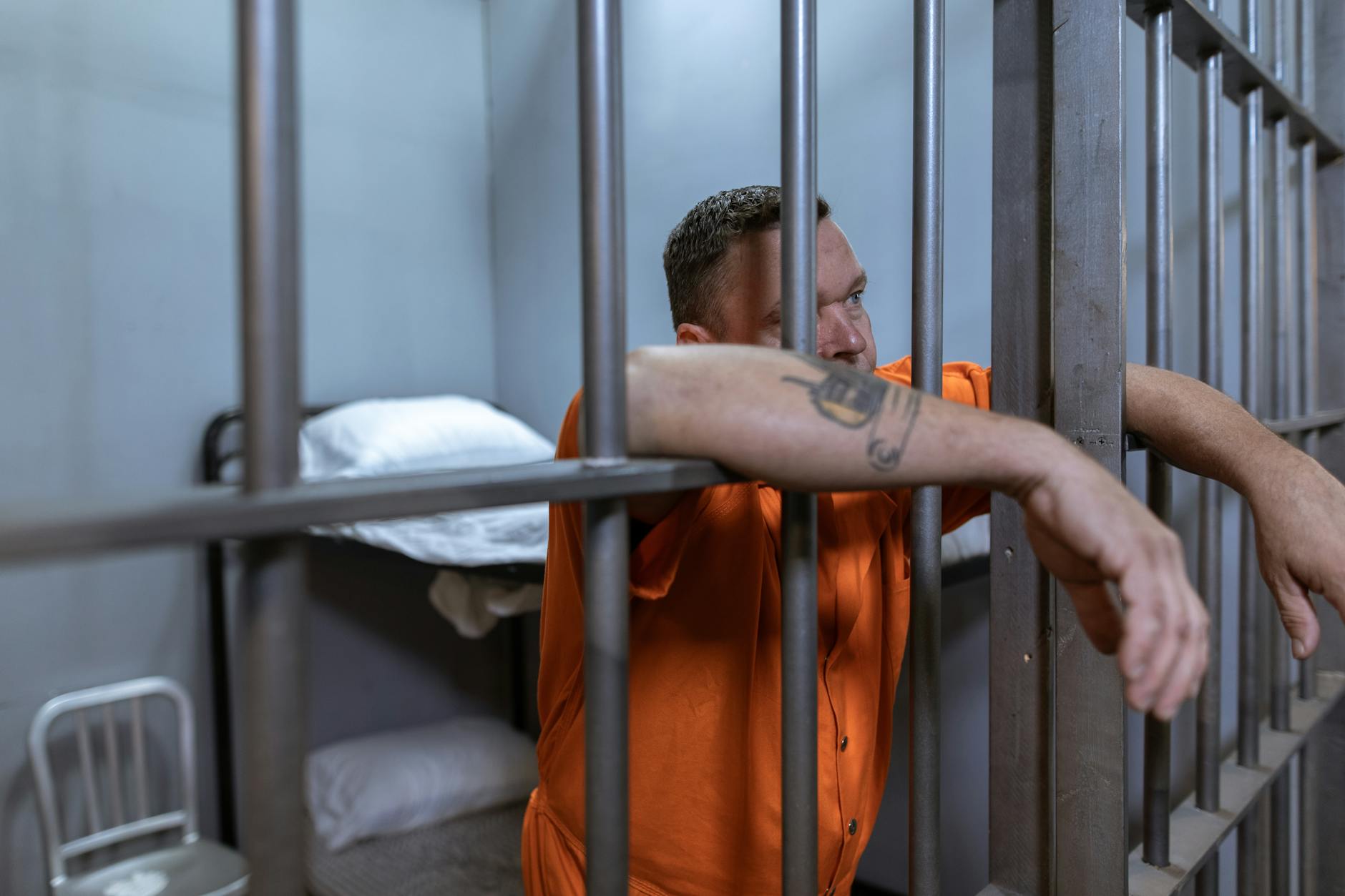
The prison economy is a multifaceted system that generates significant revenue in the United States. Each year, an estimated $80 billion is produced through various industries, including manufacturing, agriculture, and services.
Prison labor is a vital component of this economy, with millions of inmates working behind bars to earn a living wage. The Federal Bureau of Prisons operates a network of industries that employ inmates in various jobs, such as food service, maintenance, and production. A study by the Bureau of Justice Statistics found that in 2020, over 40% of federal inmates participated in work programs.
The income earned by inmates through these programs can range from $0.12 to $1.15 per hour, depending on the institution and the job. While this may seem minimal, it can add up to a significant amount over the course of a year.
Private Companies Profit from Prisoners' Forced Labor

The prison economy is a multibillion-dollar industry that operates in the shadows of the US criminal justice system. It generates an estimated $80 billion annually in revenue.
Prisoners are often forced to work in private companies that profit from their labor. This can include manufacturing, agriculture, and service industries. For example, some prisoners work in call centers, answering customer inquiries and performing sales tasks. According to a study, nearly 2% of inmates in the US work in private cell phone manufacturing facilities.
A significant portion of the prison economy is comprised of private companies that contract with state and local governments to provide services such as food, clothing, and healthcare to inmates. These companies often prioritize profits over inmate welfare, leading to substandard living conditions and inadequate care.
Inmates Produce Goods and Services at a Fraction of the Cost

Prison inmates in the United States are producing goods and services at a fraction of the cost compared to traditional industries, contributing significantly to the country's economy.
The prison economy is a growing sector, with estimates suggesting that inmates produce goods and services valued at approximately $10 billion annually. This revenue is generated from a wide range of activities, including manufacturing, farming, and construction. Inmates are often employed in work programs, which help them develop skills and prepare for re-entry into society.
The low production costs in prisons are a result of several factors, including access to cheap labor and subsidies from the government. Additionally, the prison economy is often characterized by a lack of regulatory oversight, which allows for greater flexibility and efficiency in operations. According to a report by the Bureau of Justice Statistics, the average hourly wage for prison workers is around $0.93, significantly lower than the federal minimum wage.
The prison economy is not without its challenges, however, and critics argue that the exploitation of inmates for cheap labor undermines fair wages and working conditions in the broader economy.
Prison Economy Drives Growth in a Troubled Industry Sector

The Prison Economy is a vast and complex system that generates an estimated $80 billion annually in the United States. This significant revenue stream is driven by the vast network of private prisons, correctional facilities, and industries that cater to the needs of incarcerated individuals. The Prison Economy encompasses a range of sectors, including food service, healthcare, and manufacturing.
At its core, the Prison Economy is a multi-billion-dollar industry that provides employment opportunities and stimulates economic growth in local communities. According to a report by the National Institute of Justice, the Prison Economy creates jobs for approximately 900,000 people across the United States. This labor force is comprised of both correctional officers and employees working in ancillary industries.
The Prison Economy is not without controversy, however. Critics argue that the industry prioritizes profits over rehabilitation and public safety. They point to the high recidivism rates and the fact that many private prisons are operated by for-profit companies with questionable track records.
Despite these criticisms, the Prison Economy continues to drive growth and investment in the United States. As the industry evolves, it is likely to shape the nation's correctional landscape and influence the way that policymakers approach justice and rehabilitation.
Need this answered for your specific case?
Get a flat-fee consultation with a verified U.S. immigration attorney. Engagement letter on every paid consult.
Related guides
-
Sanctions on Juvenile Offenders Cut Recidivism Rate by 27% in First Year
7 min read · May 13, 2026
-
Federal Court Rules Graduated Sanctions Can Reduce Recidivism by 30% in Prisons
6 min read · May 13, 2026
-
Four-Year Prison Sentence for Man Convicted of 12 Technical Violations of Probation
6 min read · May 11, 2026
This guide provides general legal information and does not create an attorney–client relationship. Information accurate as of July 2026. Always verify current USCIS guidance before acting.