
Prison Mental Health Units Serve Over 1 in 5 Inmates in the United States
More than 100,000 prisoners in the United States are living behind bars with untreated mental health issues, a staggering statistic that highlights the critical need for specialized care within correctional facilities. The prison mental health unit, a vital component of this care, provides a safe and supportive environment for inmates struggling with mental illness, helping to stabilize their conditions and promote rehabilitation. What is a mental health unit in prison? Essentially, it is a designated area within a correctional facility where trained healthcare professionals provide comprehensive mental health services, including therapy, medication management, and crisis intervention.
The prison mental health unit plays a crucial role in ensuring the well-being of inmates, many of whom have complex mental health needs that were overlooked before their incarceration. By providing access to mental health services, correctional facilities can help reduce recidivism rates, improve behavioral outcomes, and ultimately, promote public safety. In fact, the effectiveness of prison mental health units has been widely recognized, with many experts agreeing that targeted interventions can lead to better health outcomes and a reduced likelihood of reoffending.
Mental Health Services in Correctional Facilities: A Growing Need
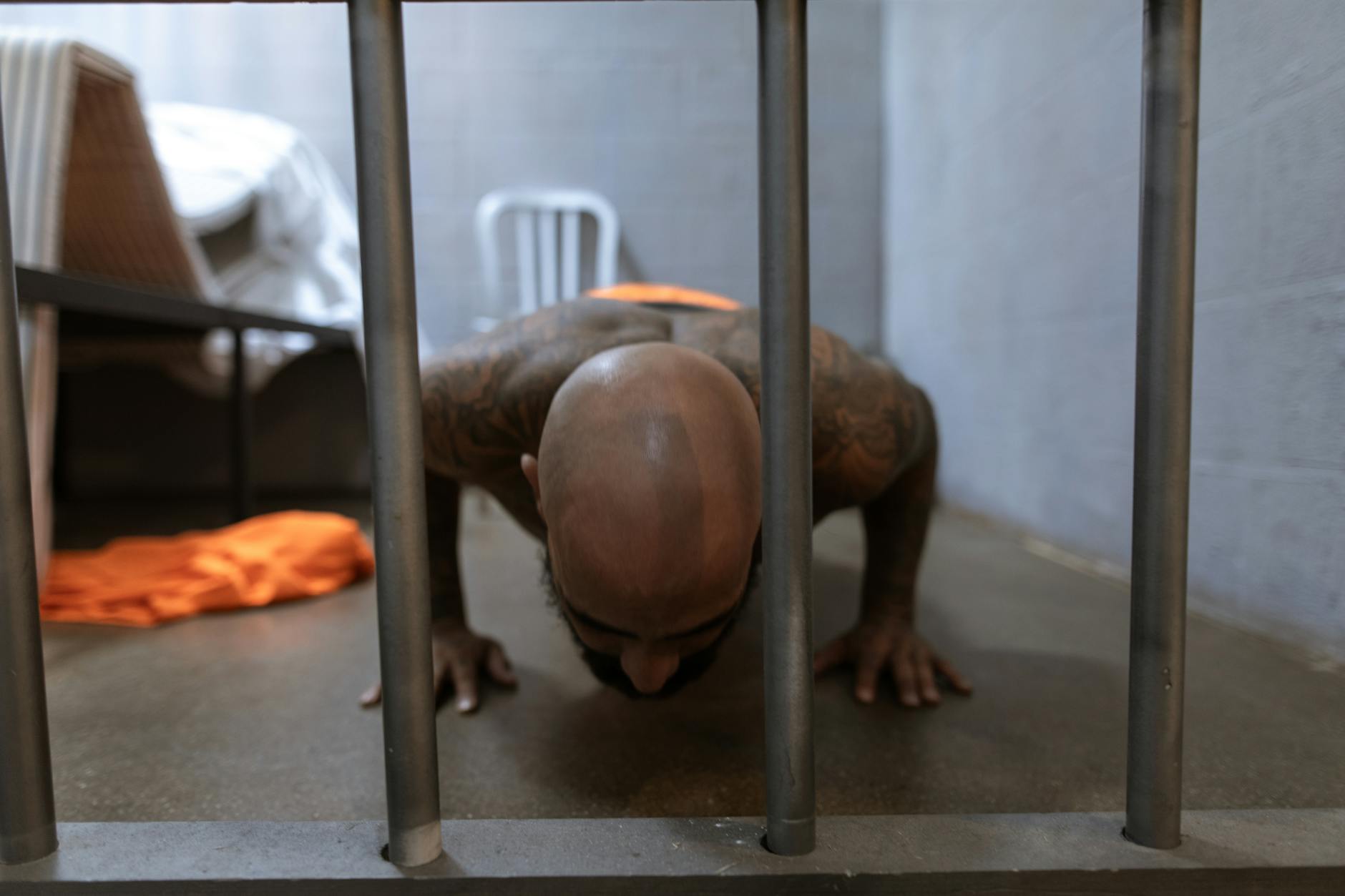
Mental health units in correctional facilities are designed to provide specialized care to inmates with severe mental health needs. These units are typically staffed by trained mental health professionals, including psychiatrists, psychologists, and social workers. They work to stabilize patients' symptoms, address underlying issues, and develop treatment plans tailored to each individual's needs.
In a typical mental health unit, inmates are provided with access to therapy sessions, medication management, and group counseling. They may also participate in educational programs and vocational training to help them develop skills and prepare for release. This holistic approach aims to reduce recidivism rates and improve overall well-being.
According to the Bureau of Justice Statistics, one in five inmates in the United States has a mental health disorder. This staggering statistic highlights the need for effective mental health services within correctional facilities. By providing inmates with timely and compassionate care, mental health units can help individuals address their mental health needs and reintegrate into society upon release.
Mental Illness in Prisons: A Longstanding yet Often Ignored Issue
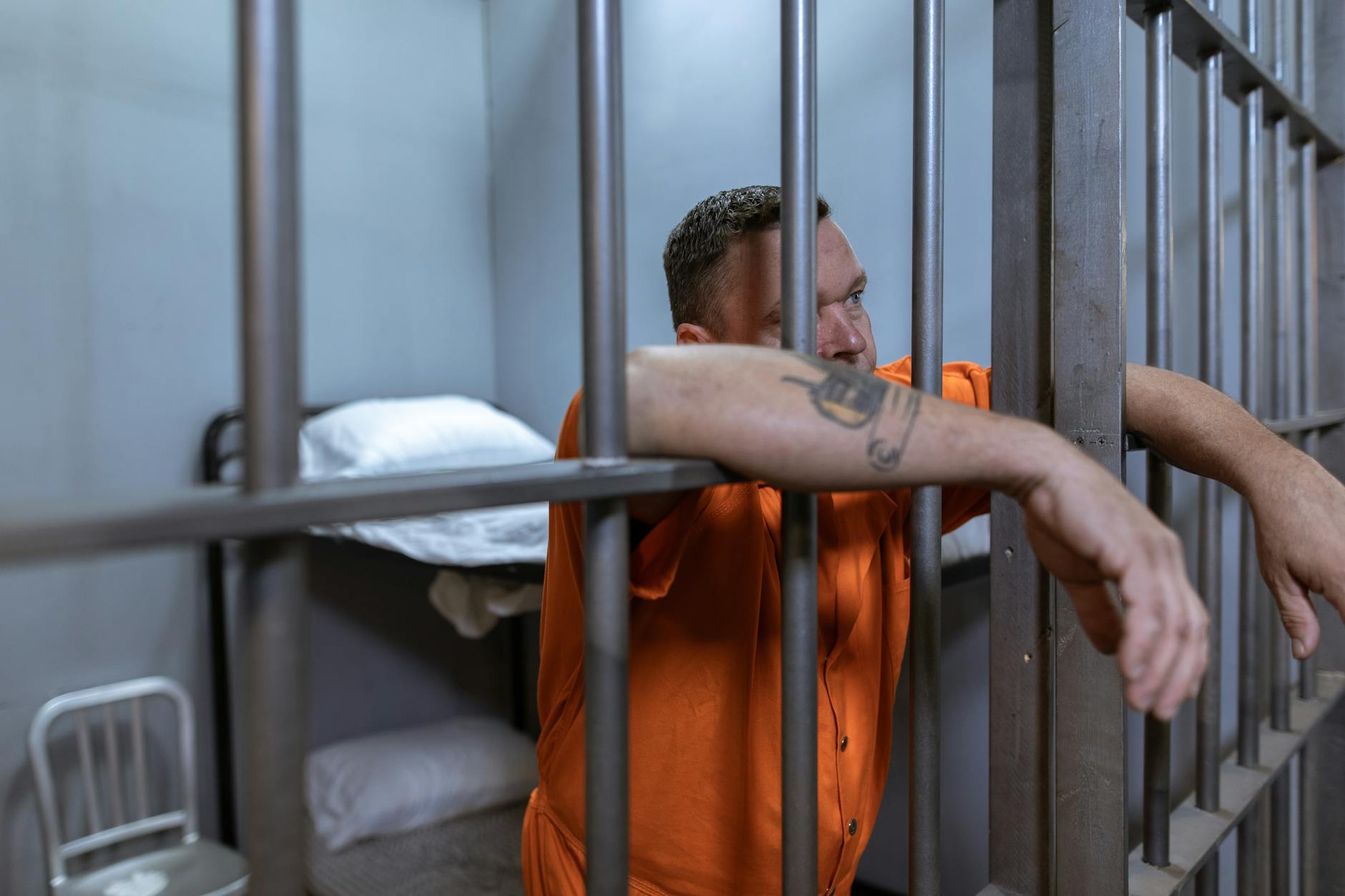
Prison Mental Health Units Serve Over 1 in 5 Inmates in the United States
A mental health unit in prison is a specialized section of a correctional facility that provides psychiatric care and treatment to inmates who have been diagnosed with a mental illness. These units aim to provide a safe and therapeutic environment for individuals struggling with mental health issues, such as depression, anxiety, or psychosis.
The primary goal of a mental health unit is to stabilize the inmate's condition, manage symptoms, and develop a treatment plan that addresses the underlying causes of their mental illness. This may involve medication, individual therapy, group therapy, or a combination of these approaches. According to the National Institute of Mental Health, approximately 1 in 10 prisoners in the United States has a serious mental illness.
Mental health units in prisons often employ a multidisciplinary team of professionals, including psychiatrists, psychologists, social workers, and counselors, who work together to assess and address the mental health needs of inmates. These teams may provide crisis intervention, substance abuse treatment, and vocational training to help inmates develop skills and prepare for release back into the community. With the right support and treatment, many inmates can recover from their mental illness and reintegrate into society successfully.
Prison Mental Health Units: Design and Day-to-Day Operations

Mental health units in prisons are specialized facilities designed to provide inmates with comprehensive care and treatment for mental health conditions. These units typically house inmates who require ongoing therapy, medication, and close supervision due to their mental health needs.
Within these units, patients receive a range of services, including individual and group therapy sessions, medication management, and case management. The goal of these services is to help inmates develop coping skills, manage their symptoms, and ultimately reintegrate into the community upon release.
The staff in mental health units are trained to handle a variety of situations, from crisis intervention to long-term counseling. A key challenge they face is balancing the need for treatment with the need to maintain a safe and secure environment. According to the Bureau of Justice Statistics, over 1 in 5 inmates in the United States suffers from a serious mental health condition. The staff in these units must work closely with other correctional staff, healthcare professionals, and community organizations to ensure that inmates receive the care they need to thrive.
Treating Trauma and Mental Illness Behind Bars: A Daunting Task
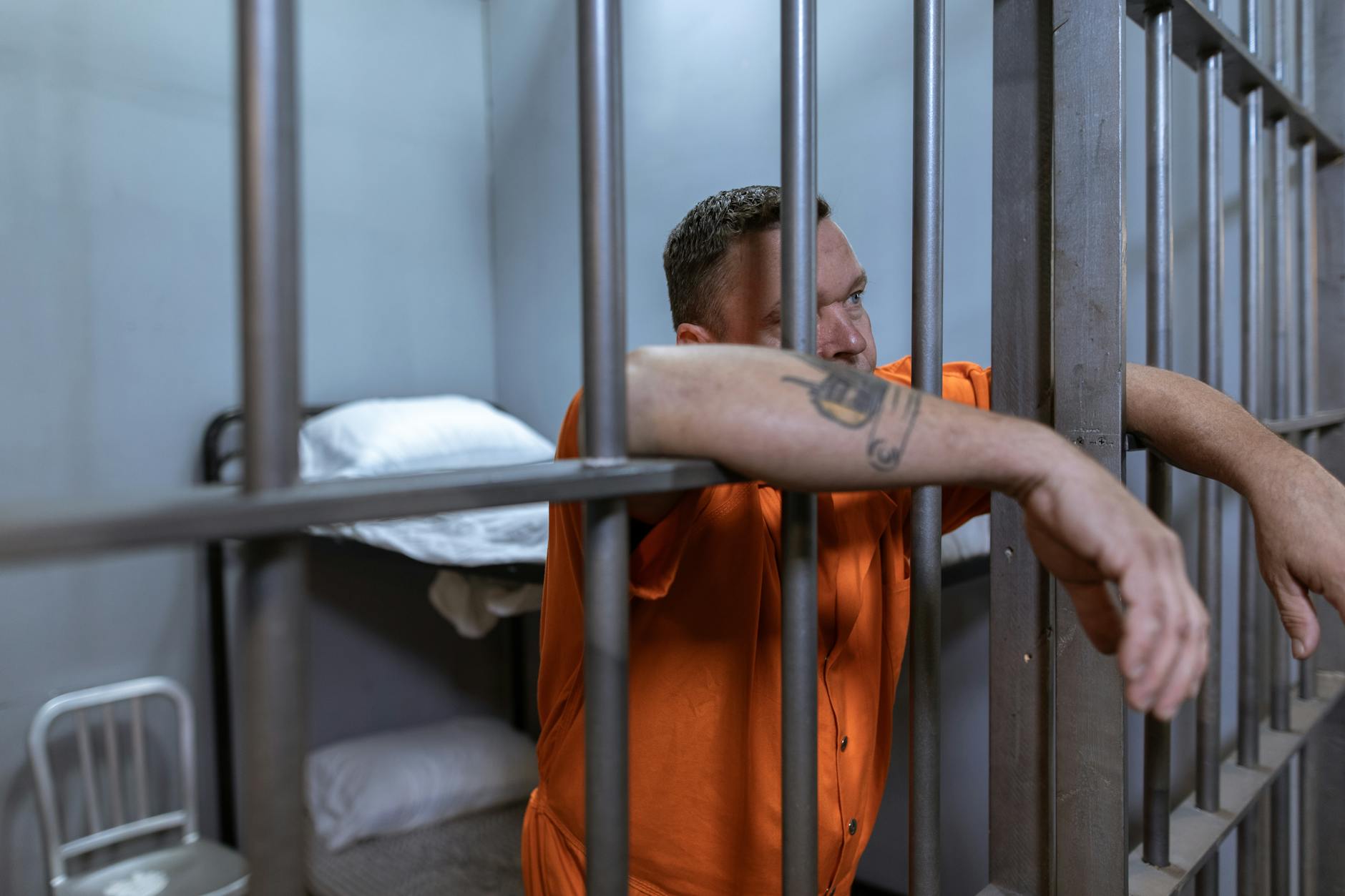
Mental health units in prisons provide specialized care to inmates struggling with trauma, mental illness, and other complex conditions. These units vary in size, staffing, and services offered, but their primary goal is to provide a safe and supportive environment for inmates to receive treatment and rehabilitation.
A typical mental health unit in a prison may have a team of psychologists, psychiatrists, and counselors who work together to develop individualized treatment plans for inmates. These plans may include therapy sessions, medication management, and group counseling. The goal is to equip inmates with the skills and tools they need to manage their mental health and reintegrate into society upon release.
According to the Bureau of Justice Statistics, approximately 20% of state and federal prisoners in the United States require mental health services. The mental health unit plays a critical role in addressing this need and providing inmates with the support they need to thrive in a challenging environment.
The mental health unit is often a separate wing or building within the prison, with its own set of rules and regulations. Inmates assigned to the mental health unit may have more access to amenities such as exercise equipment, educational programs, and vocational training.
Addressing Mental Health Care in Prisons: Challenges and Opportunities
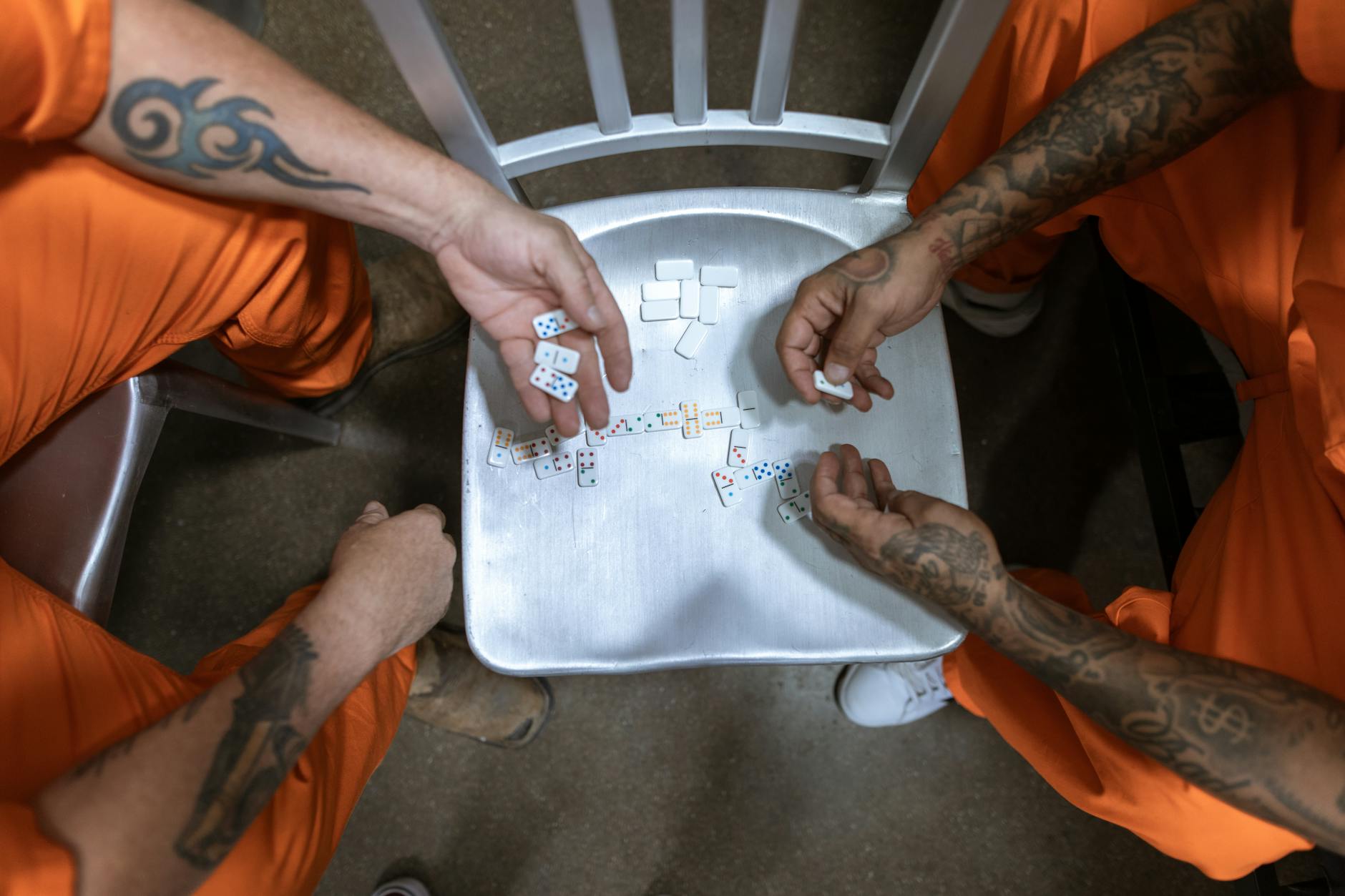
Mental health units in prisons provide specialized care and treatment for inmates with mental health issues, helping them manage their conditions and reintegrate into society upon release. These units are designed to provide a supportive environment where inmates can receive therapy, counseling, and medical attention.
A mental health unit in a prison typically includes a team of professionals, such as psychologists, psychiatrists, and social workers, who work together to develop individualized treatment plans for each inmate. This approach helps to address the unique needs of each person, whether it's managing symptoms of depression, anxiety, or post-traumatic stress disorder (PTSD). According to the Bureau of Justice Statistics, approximately 40% of inmates in state prisons have a serious mental illness.
Mental health units in prisons also provide a range of therapeutic activities, such as group therapy sessions, art therapy, and educational programs, to help inmates cope with their conditions and develop coping skills. These programs can be particularly effective in reducing recidivism rates and supporting successful reentry into society. By providing a safe and supportive environment, mental health units in prisons can help inmates heal and rebuild their lives.
Need this answered for your specific case?
Get a flat-fee consultation with a verified U.S. immigration attorney. Engagement letter on every paid consult.
Related guides
-
Sanctions on Juvenile Offenders Cut Recidivism Rate by 27% in First Year
7 min read · May 13, 2026
-
Federal Court Rules Graduated Sanctions Can Reduce Recidivism by 30% in Prisons
6 min read · May 13, 2026
-
Four-Year Prison Sentence for Man Convicted of 12 Technical Violations of Probation
6 min read · May 11, 2026
This guide provides general legal information and does not create an attorney–client relationship. Information accurate as of July 2026. Always verify current USCIS guidance before acting.