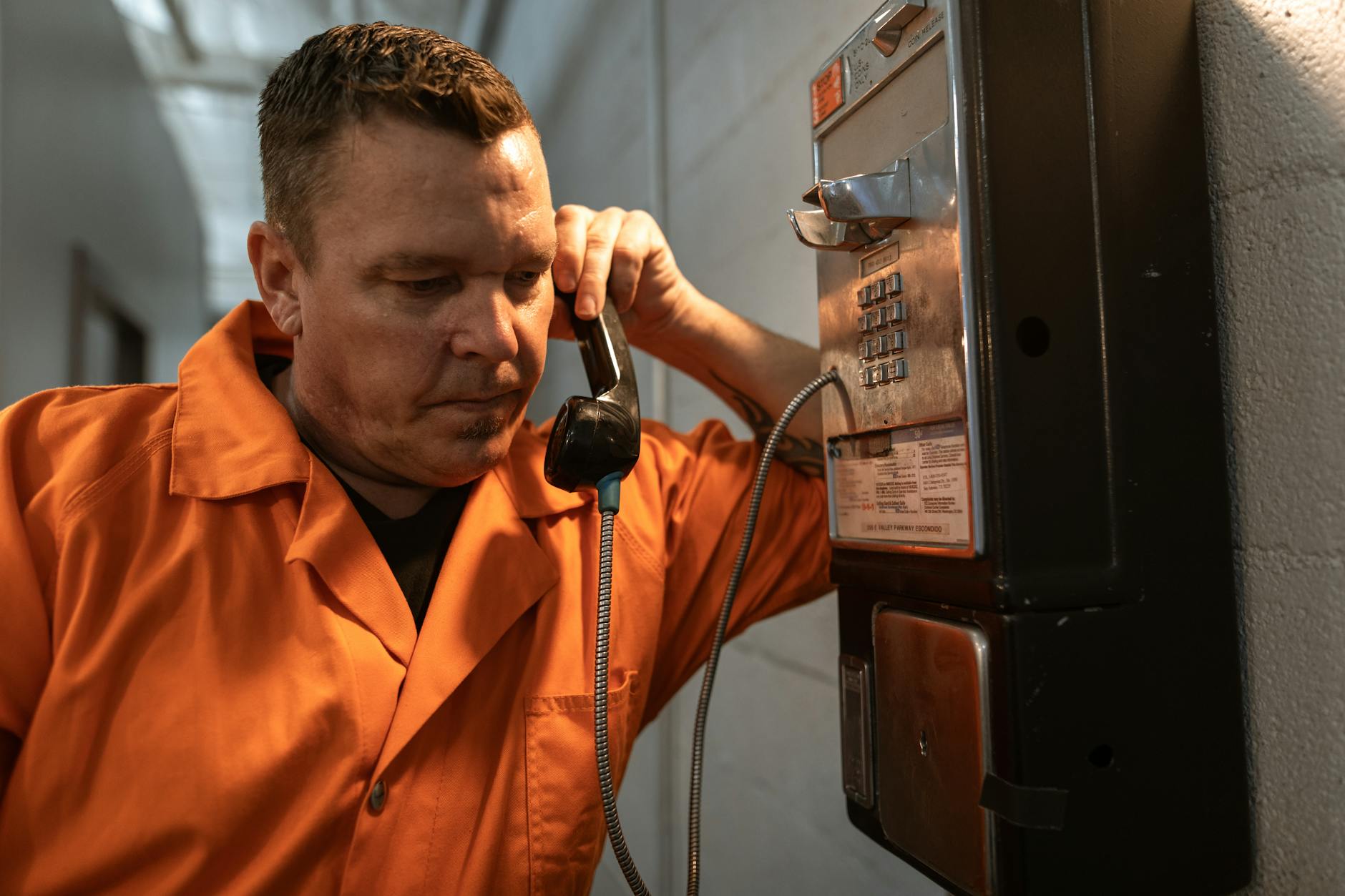
The US prison phone industry rakes in a staggering $1 billion annually, a significant chunk of which comes from the connections between inmates and their loved ones. This lucrative business is built on a system designed to facilitate communication between those behind bars and the outside world.
Prison phone calls are a vital lifeline for many families, allowing them to stay connected with their incarcerated loved ones despite the physical distance. But how do these calls work? The process is relatively straightforward: inmates pay inflated rates for the privilege of making calls, which are then connected through a network of specialized phone lines and servers. The calls are often subject to strict monitoring and recording, with some companies even charging extra for features like voicemail and call forwarding. Understanding how prison phone calls work is essential to grasping the complexities of this multibillion-dollar industry.
Private Companies Control Prison Phone Call Systems
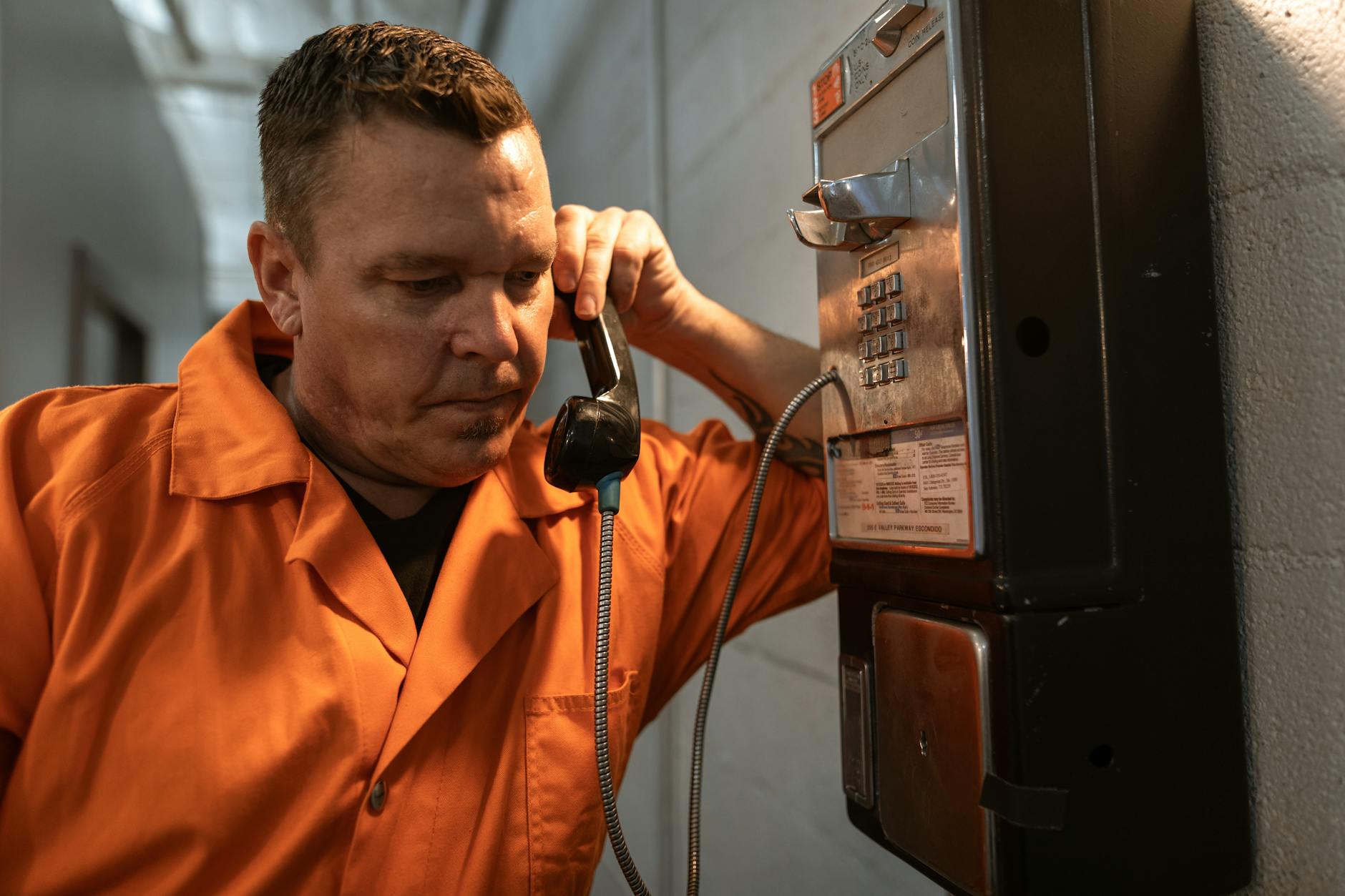
Private companies control prison phone call systems, generating a significant portion of the industry's revenue.
The phone call system in prisons is typically managed by private companies that partner with correctional facilities to provide telephone services to inmates. These companies, such as Securus Technologies and Global Tel*Link, charge inmates exorbitant rates for calls, often far exceeding those of the general public. A single 15-minute call can cost upwards of $17.
The cost of prison calls is driven by the companies' need to recoup their investment in the system, which can be tens of millions of dollars. According to a 2020 report by the Prison Policy Initiative, private prisoners' phone companies generated nearly $1 billion in revenue in 2015, with the majority of that revenue coming from inmate calls.
How Inmate Calls Are Routed Through the Prison System
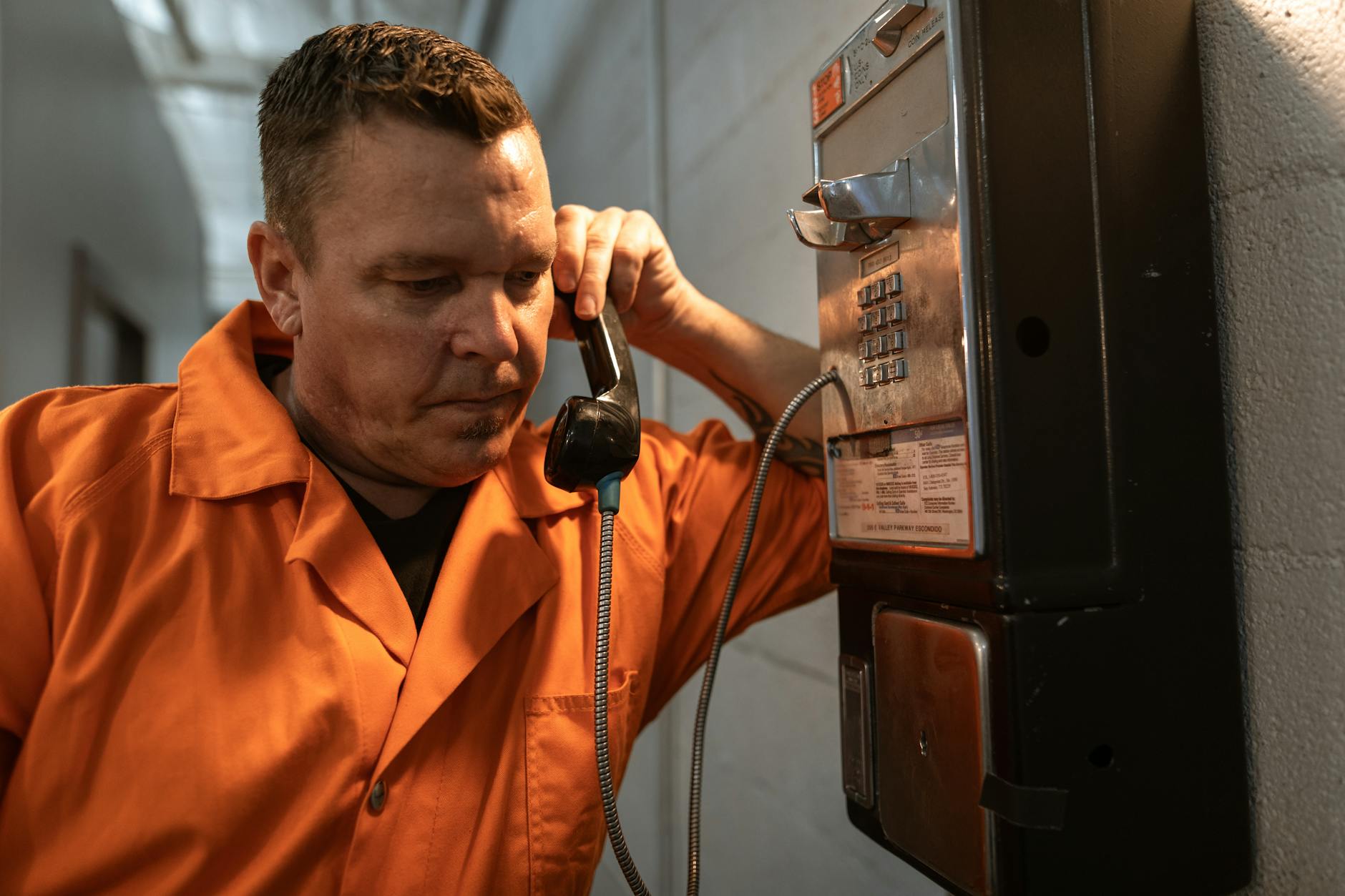
Prison phone calls are a crucial lifeline for inmates, allowing them to stay connected with loved ones outside the prison walls. This system, while essential, generates significant revenue for the companies that operate it. The total annual revenue from prison phone calls is estimated to be around $1 billion.
When an inmate places a call, it is routed through a complex network of providers and switchboards. Each prison has a designated phone provider, which manages the calls and forwards them to the receiving party's phone network. This process typically involves a series of automated systems, ensuring that calls are connected quickly and efficiently.
The average cost of a 15-minute prison phone call can range from $3 to $6, depending on the provider and the location of the prison. According to a study by the National Consumer Law Center, nearly 70% of inmates' phone calls go to prepaid calling cards, which can be purchased by family members or friends.
Calling Cards and Collect Calls: A Costly Option

Prison phone calls are a costly option for inmates and their families. The high cost of these calls is primarily due to the commission-based business model used by the companies that operate the prison phone systems.
Calls to collect, also known as collect calls, allow inmates to call their loved ones and have the receiver pay for the call. These calls are often more expensive than standard phone calls. A single collect call can cost upwards of $15, with some companies charging as much as $24 per call.
According to a 2018 report by the Federal Communications Commission, the prison phone industry generates over $1 billion in revenue each year. This revenue is primarily generated through the commission-based business model, where the companies that operate the prison phone systems charge inmates and their families exorbitant rates for phone calls. The high cost of these calls can be a significant burden on inmates and their families, who may already be struggling financially.
The high cost of prison phone calls has led to calls for reform in the industry. Some states have taken steps to cap the rates that companies can charge for prison phone calls, while others have implemented programs to reduce the costs associated with these calls.
Behind Bars, Every Minute Counts - and So Does the Bill

Prison phone calls have long been a contentious issue, with critics arguing that the high rates charged for these calls exploit vulnerable populations and families of inmates.
According to the Bureau of Justice Statistics, over 25 million phone calls are made from correctional facilities in the United States each year. These calls are not only a vital lifeline for inmates but also a significant source of revenue for the private companies that provide them. The annual revenue generated by prison phone calls is estimated to be around $1 billion.
Prison phone calls are typically handled by private companies that have contracted with correctional facilities to provide phone services. These companies charge inmates and their families exorbitant rates for these calls, with some rates reaching up to $15 per minute. The high cost of these calls can be a significant burden on families who may already be struggling financially.
A typical prison phone call is facilitated through a complex network of equipment and services. Inmates place calls through a payphone or a kiosk, and the call is then routed through a private company's network to a designated recipient. The recipient is then billed for the call, which can add up quickly, especially when considering the high per-minute rates charged by these companies.
A New Era for Prison Phone Calls: Potential for Reform
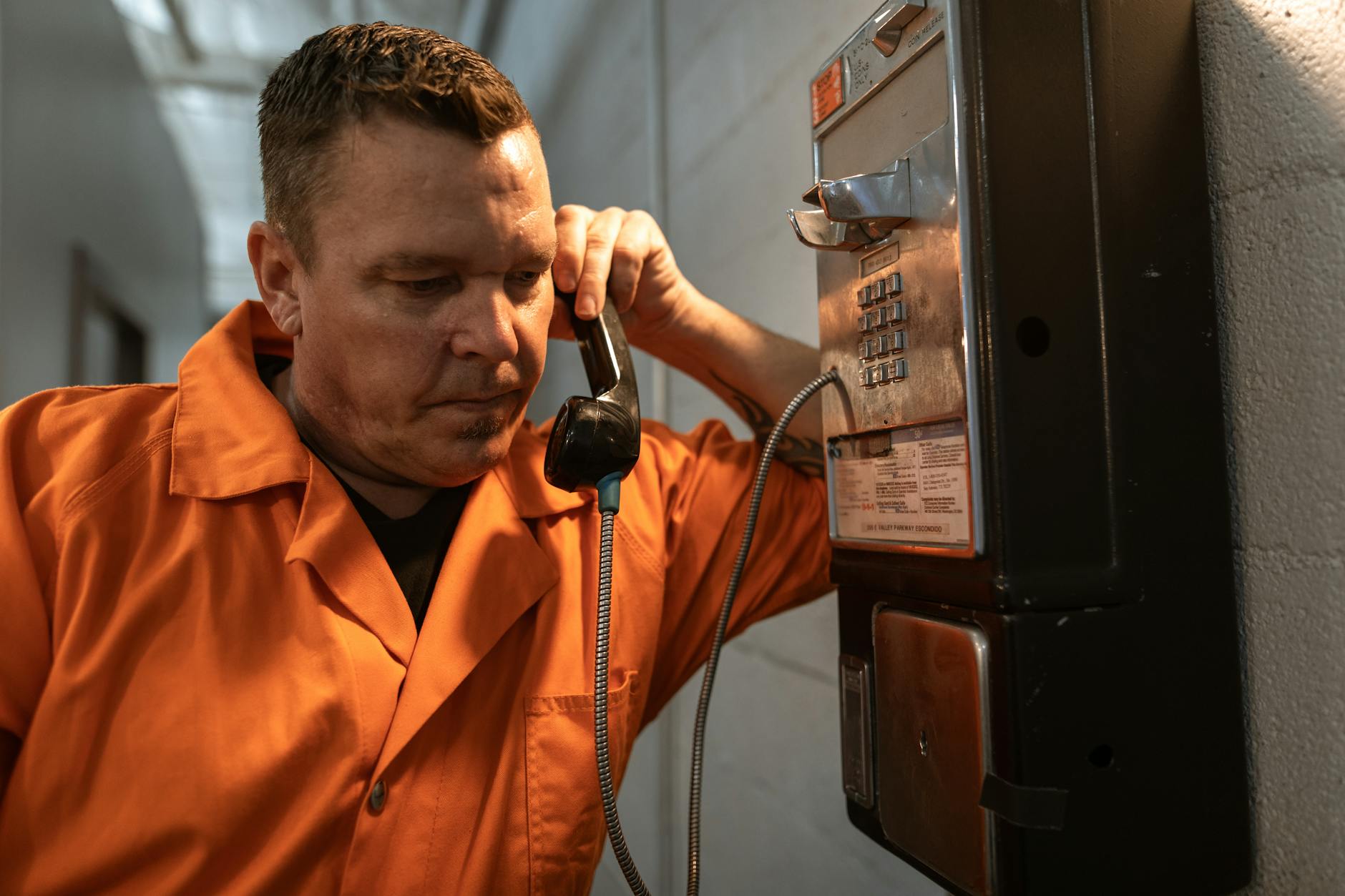
Prison phone calls have become a lucrative industry, generating over $1 billion in annual revenue. The system relies on high rates charged to inmates and their loved ones, often burdening vulnerable families with exorbitant bills.
The way prison phone calls work is complex, involving a middleman service provider that connects the call between the prison and the outside world. These providers, usually private companies, charge the prison for each call, which in turn is passed on to the inmate or their family. According to a report by the Sentencing Project, the average monthly cost of a prison phone call is around $13.
The prisoner pays a flat fee, usually deducted from their commissary account, while the recipient receives a bill for the call. The rates can be staggering, sometimes exceeding $10 per minute. This creates a significant financial burden on families, who often struggle to maintain relationships with loved ones behind bars.
The industry's high profit margins raise questions about the fairness of the system. As experts point out, the cost of a prison phone call is often much higher than a regular phone call. The high rates not only affect families but also limit communication between inmates and their loved ones, potentially exacerbating the negative effects of incarceration.
Need this answered for your specific case?
Get a flat-fee consultation with a verified U.S. immigration attorney. Engagement letter on every paid consult.
Related guides
-
Sanctions on Juvenile Offenders Cut Recidivism Rate by 27% in First Year
7 min read · May 13, 2026
-
Federal Court Rules Graduated Sanctions Can Reduce Recidivism by 30% in Prisons
6 min read · May 13, 2026
-
Four-Year Prison Sentence for Man Convicted of 12 Technical Violations of Probation
6 min read · May 11, 2026
This guide provides general legal information and does not create an attorney–client relationship. Information accurate as of July 2026. Always verify current USCIS guidance before acting.