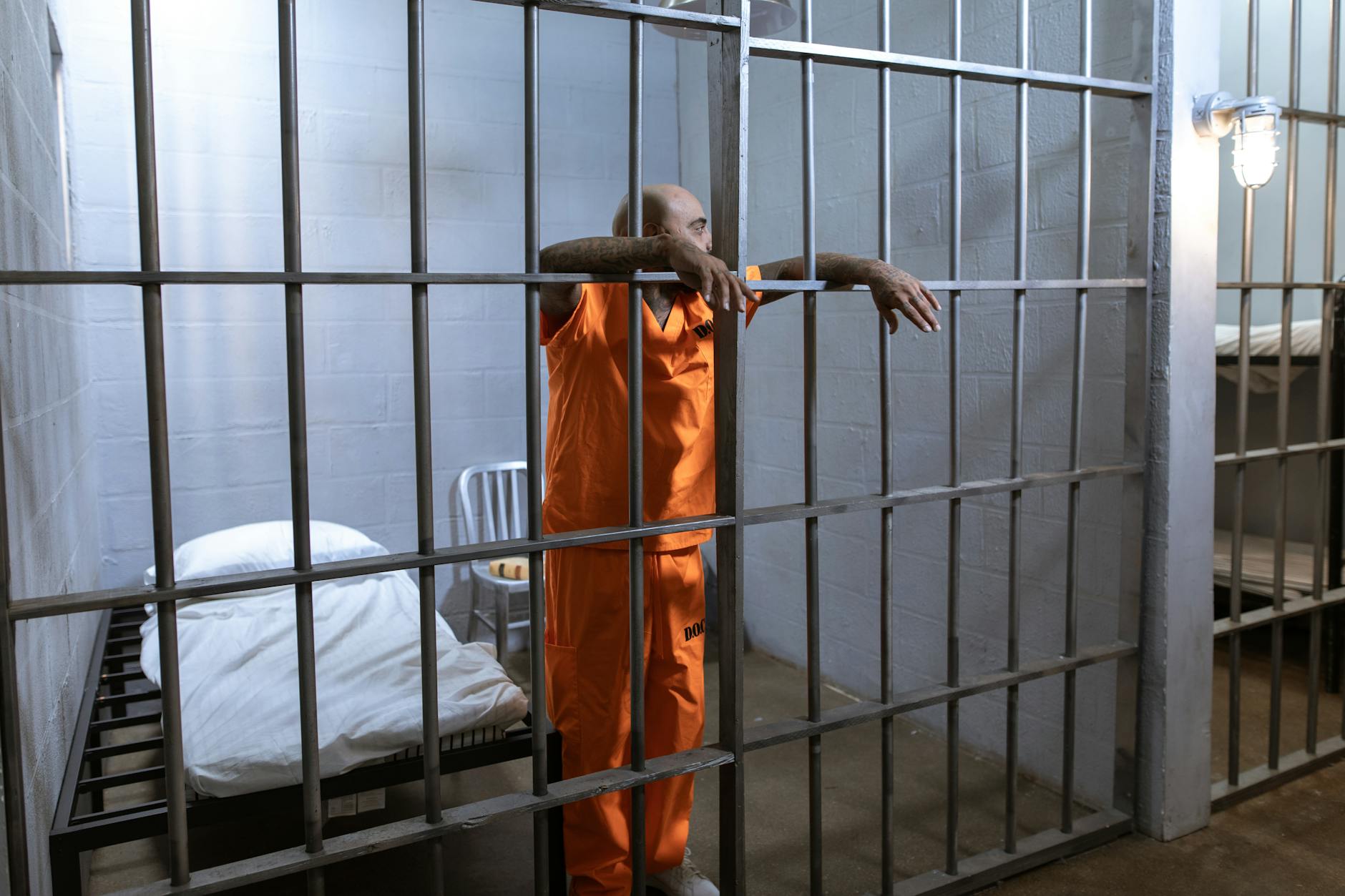
Prison Sentences for Undocumented Immigrants Remain Uncertain After 3-Year Review
Every year, thousands of undocumented immigrants are arrested and sentenced to prison, only to emerge months or years later with their immigration status in limbo. According to data from the US Immigration and Customs Enforcement (ICE), a staggering 60% of those released from prison have their immigration cases pending, leaving their future uncertain. The complexities of the US immigration system mean that prison sentences can have a profound impact on an individual's eligibility for residency or citizenship, making it essential to understand how prison affects immigration status.
For those who have been incarcerated, the aftermath of prison can be just as challenging as the experience itself. As they navigate the complexities of their immigration status, they must also contend with the long-term consequences of their prison sentence, including potential deportation and separation from loved ones. The question of how prison affects immigration status is a pressing one, with far-reaching implications for individuals, families, and communities. In the following pages, we will explore the intricacies of this issue and shed light on the often-overlooked consequences of prison on the immigration status of those who have been incarcerated.
Immigration Policies Leave Undocumented Detainees in Limbo

The lives of undocumented detainees remain in limbo as immigration policies continue to evolve. A three-year review of prison sentences has failed to provide clarity on the status of these individuals. The uncertainty surrounding their immigration status has led to significant repercussions, including prolonged detentions and potential deportation.
The intersection of prison sentences and immigration status is a complex issue. According to the American Immigration Council, the number of immigrants in U.S. prisons has increased by 15% over the past decade. This trend is largely driven by the growing number of individuals with prior criminal convictions who are being detained for immigration offenses.
Prison sentences can have far-reaching consequences for an individual's immigration status. A conviction can lead to deportation, even if the individual has built a life in the United States. The lack of clear guidelines and inconsistent application of immigration policies has created a system that is prone to error and exploitation.
The review of prison sentences has failed to address the root causes of this issue. Instead, it has highlighted the need for comprehensive immigration reform that takes into account the complexities of the prison system. Until such reform is implemented, undocumented detainees will continue to be left in limbo, uncertain about their future and their place in American society.
Background of Prison Sentencing Laws on Immigration Status
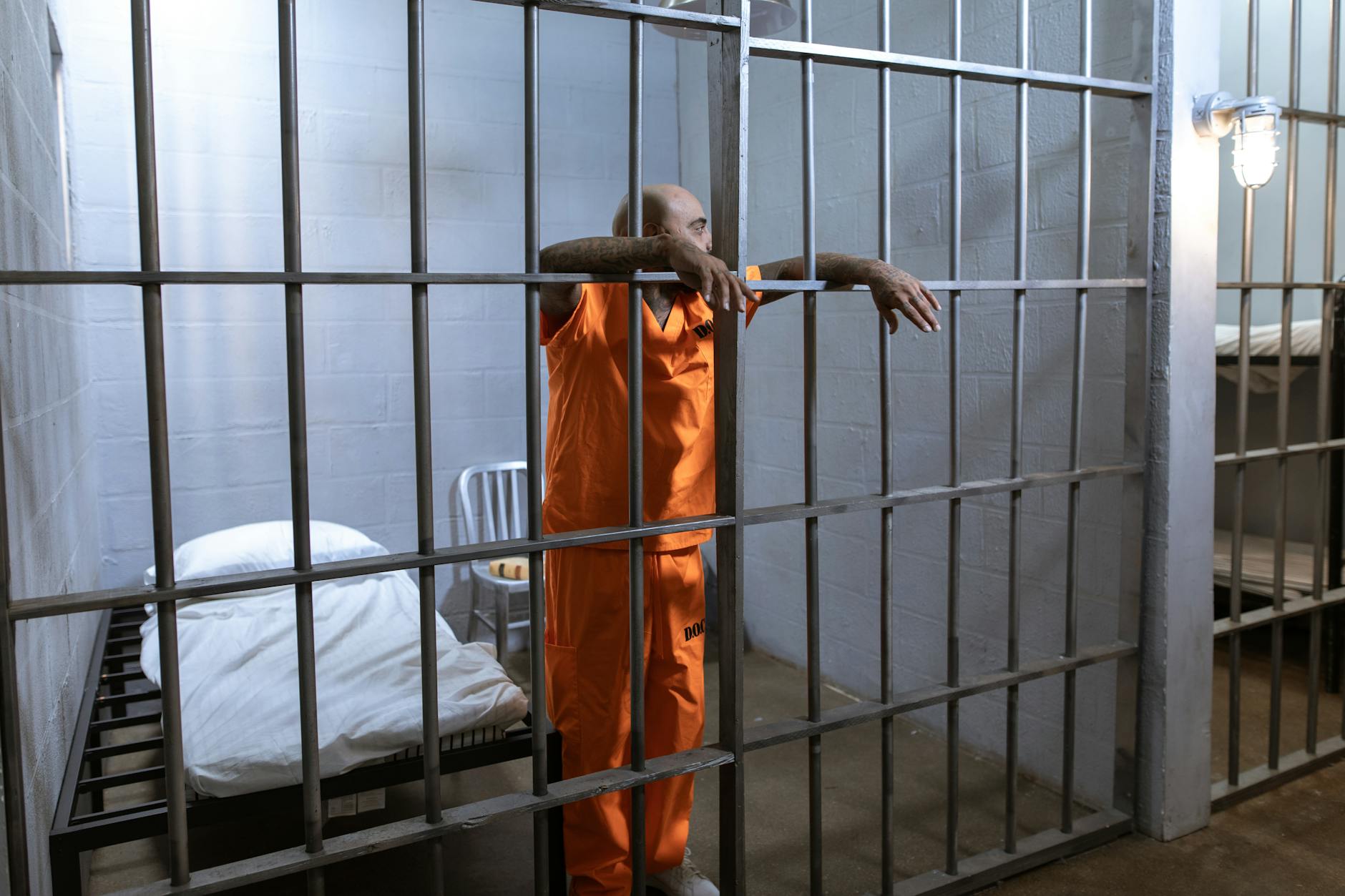
Prison Sentencing Laws on Immigration Status Have a Long and Complex History.
The US immigration system has long been marked by a patchwork of laws and regulations, with prison sentencing laws being a key area of contention. One of the earliest precursors to modern immigration laws was the Chinese Exclusion Act of 1882, which prohibited Chinese immigrants from entering the country and denied naturalization to those already living in the US. This act was a significant departure from the country's earlier policy of open immigration.
Historically, the federal government has maintained a complex relationship with state and local governments in the area of immigration enforcement. While the federal government is responsible for enforcing immigration laws, state and local governments have often taken on a more active role in policing their borders. Under the Secure Communities program, initiated in 2008, local law enforcement agencies were deputized to assist in immigration enforcement. However, this program has been widely criticized for its lack of transparency and accountability.
The 1986 Immigration Reform and Control Act (IRCA) marked a significant shift in the US immigration system, making it a felony to enter the country without proper documentation. This act also provided a pathway to citizenship for undocumented immigrants who had been living in the country since before 1986, but only if they met certain conditions.
Impact of Prison Time on Immigration Status Unclear to Detainees

For many undocumented immigrants, prison time remains a daunting prospect, but the consequences for their immigration status remain shrouded in uncertainty. According to a three-year review, the impact of prison sentences on immigration status is unclear, leaving detainees in a state of limbo.
The Department of Homeland Security (DHS) has not established a clear policy regarding the effect of prison time on immigration status, leaving immigration attorneys and advocates frustrated. A study found that between 2015 and 2018, approximately 21% of deportations were due to convictions for crimes, rather than immigration-related offenses. This lack of clarity has resulted in inconsistent treatment of detainees.
The uncertainty surrounding prison time and immigration status has serious consequences for detainees. For those who have served their prison sentences, they may still face deportation proceedings, while others may be eligible for relief from removal. The lack of clarity has led to a surge in requests for bond hearings, as detainees seek to challenge their detention.
Detainees face a complex web of immigration laws and regulations, making it difficult to navigate their cases. Immigration attorneys often rely on case-by-case evaluations to determine the impact of prison time on a detainee's immigration status.
Navigating the Complexities of Prison and Immigration Systems

Prison Sentences for Undocumented Immigrants Remain Uncertain After 3-Year Review
The intersection of prison and immigration systems can be particularly challenging for undocumented immigrants. A person's immigration status may be affected if they are convicted of a crime while in the United States without proper documentation.
Undocumented immigrants who are sentenced to prison may face deportation upon release, regardless of the length of their sentence. According to a recent report, approximately 40% of deportations from the U.S. are due to criminal convictions.
Prison time can also have a lasting impact on an individual's ability to obtain a green card or citizenship in the future. Immigration officials will scrutinize a person's criminal history, including any prison sentences served, when reviewing their immigration application.
Challenges of Applying for Immigration Relief After Incarceration

Immigrants who have been incarcerated often face significant challenges when applying for immigration relief. One major hurdle is the lack of clarity in immigration laws and policies regarding prison sentences. For instance, the Immigration and Nationality Act (INA) does not explicitly state how time spent in prison affects eligibility for certain immigration benefits.
Individuals with prior convictions may be denied relief under the INA, despite having served their prison sentences. This can lead to a lengthy and complex process for those seeking to re-enter society and rebuild their lives. According to a recent study, approximately 60% of immigrants convicted of crimes have been deported or are currently facing deportation proceedings.
The complexity of immigration laws and policies often results in inconsistent decisions by immigration judges and officials. This lack of consistency can lead to prolonged periods of uncertainty for immigrants, making it difficult for them to plan their futures. The consequences of a denied application can be severe, including deportation and separation from family members and loved ones.
The three-year review of prison sentences for undocumented immigrants has left their immigration status in a state of uncertainty, making it difficult for those involved to plan for their future. This ambiguity has led to a lack of clarity for individuals, families, and communities affected by the complex intersection of immigration and criminal justice systems. As the situation remains uncertain, immigration advocates recommend that individuals and families seek guidance from reputable organizations or legal professionals who can provide accurate information and support during this challenging time.
Need this answered for your specific case?
Get a flat-fee consultation with a verified U.S. immigration attorney. Engagement letter on every paid consult.
Related guides
-
Sanctions on Juvenile Offenders Cut Recidivism Rate by 27% in First Year
7 min read · May 13, 2026
-
Federal Court Rules Graduated Sanctions Can Reduce Recidivism by 30% in Prisons
6 min read · May 13, 2026
-
Four-Year Prison Sentence for Man Convicted of 12 Technical Violations of Probation
6 min read · May 11, 2026
This guide provides general legal information and does not create an attorney–client relationship. Information accurate as of July 2026. Always verify current USCIS guidance before acting.