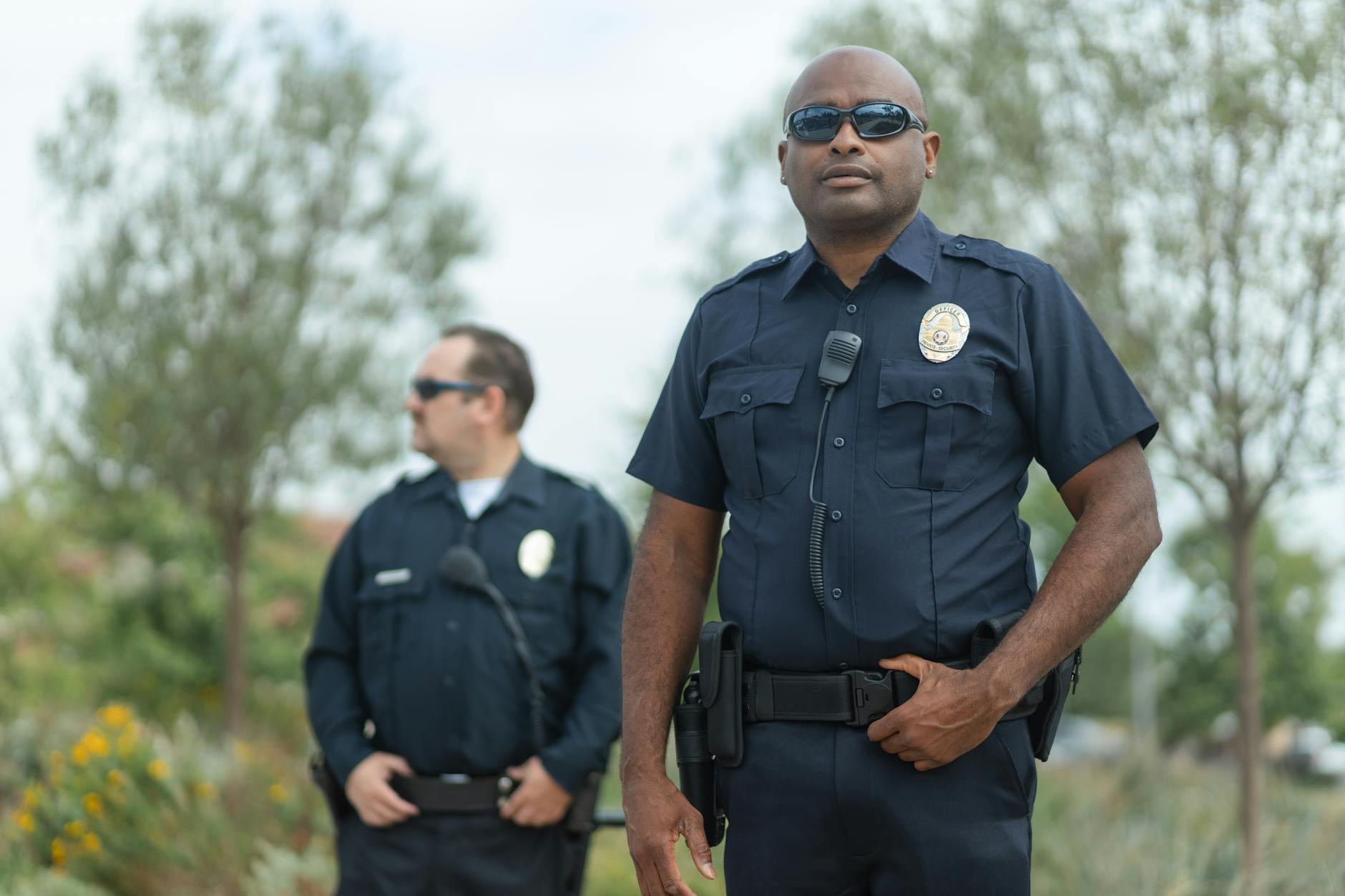
Private security personnel outnumber police officers in the United States by a ratio of nearly 3 to 1. This stark figure underscores the growing presence and influence of private security in American life. Yet, despite their numbers, private security operates within a distinct framework of authority and scope compared to traditional law enforcement.
Understanding what is private security vs police power reveals critical differences in their roles and limitations. Private security focuses on protecting specific properties, assets, or individuals, while police departments maintain public order and enforce criminal laws. Private security guards cannot make arrests for crimes they did not witness, whereas police officers possess broader arrest powers. This distinction shapes how each entity interacts with the public and upholds safety. Recognizing what is private security vs police power helps clarify their complementary yet separate functions in maintaining security and justice.
Understanding the Roles

Private security and police forces serve distinct roles in maintaining public safety. Police officers, as public servants, possess the authority to enforce laws, make arrests, and investigate crimes within their jurisdiction. Their powers stem from constitutional and statutory provisions, enabling them to act in the public interest. This broad authority allows them to respond to emergencies, patrol communities, and uphold the law.
In contrast, private security personnel operate under a different scope of authority. Their powers are typically limited to the property or premises they are contracted to protect. According to a report by the International Association of Professional Security Consultants, private security guards handle roughly 2.5 million incidents annually in the United States alone. However, their ability to detain suspects or use force is usually constrained by the terms of their employment and state laws.
Private security often focuses on prevention and deterrence. Guards monitor surveillance systems, control access to properties, and respond to alarms. Their role is more about safeguarding specific assets or individuals rather than enforcing general laws. This distinction is crucial in understanding their limited scope compared to police officers, who have a broader mandate to serve and protect the public at large.
A security expert emphasizes that while both roles are vital, their authorities differ significantly. Police have the power to investigate crimes, make arrests, and prosecute offenders. Private security, on the other hand, primarily provides a protective service. This difference in authority and scope ensures that each role complements the other in maintaining public safety.
Legal Authority and Jurisdiction

The authority of private security and police differs fundamentally in scope and legal basis. Police officers derive their power from the state, granted through constitutional and statutory laws. They possess the authority to enforce criminal laws, make arrests, and use reasonable force when necessary. This authority is broad and applies across their jurisdiction, allowing officers to act proactively in maintaining public order and safety.
Private security personnel, on the other hand, operate under a different legal framework. Their authority stems from contractual agreements and property laws. Security guards can detain individuals suspected of trespassing or theft, but their power to arrest is typically limited to citizen's arrest provisions. According to a report by the International Association of Professional Security Consultants, private security personnel made approximately 100,000 citizen's arrests annually in the United States.
A security expert emphasizes that private security's primary role is to protect property and assets, not enforce criminal laws. Their jurisdiction is confined to the premises or areas specified in their contract. This limited scope ensures that private security operates within clear legal boundaries, preventing overreach and maintaining a balance with public law enforcement.
Understanding these distinctions is crucial for both professionals and the public. Police have sweeping powers to maintain public safety, while private security focuses on protecting specific interests. This division ensures that both entities can function effectively without encroaching on each other's roles.
Enforcement Powers Compared

Private security personnel and police officers operate under distinct legal frameworks, which significantly influence their enforcement powers. Police officers possess broad authority granted by the state to maintain public order, enforce laws, and investigate crimes. Their powers typically include arrest, use of force, and search and seizure, all backed by constitutional and statutory provisions. This authority extends across jurisdictions, enabling officers to act virtually anywhere within their designated regions.
In contrast, private security officers' powers are more limited and derived from their employers or clients. They primarily focus on protecting property and individuals, with authority typically restricted to the premises they guard. Their ability to detain suspects or use force is usually constrained by state laws and contractual agreements. According to a security industry expert, private security personnel must often defer to police when situations escalate beyond their scope of authority.
One critical difference lies in the use of force. Police officers undergo rigorous training and are authorized to use force, including deadly force, when necessary to protect life or maintain public safety. Private security, however, generally operates under stricter guidelines, with force limited to self-defense or defense of others within legal boundaries. This distinction underscores the broader mandate of law enforcement versus the more focused role of private security.
Another key aspect is the power of arrest. Police officers can make arrests based on probable cause, a legal standard that allows them to detain individuals suspected of committing a crime. Private security officers, on the other hand, typically lack this authority. They can detain individuals only for a brief period, often until police arrive, and must have clear evidence of a crime to justify such actions. This limitation reflects the narrower scope of private security's role in the criminal justice system.
Lastly, the power to investigate crimes differs significantly between the two. Police have the authority to conduct thorough investigations, gather evidence, and make arrests. Private security, while they may observe and report suspicious activities, generally lack the authority to conduct formal investigations. Their role is more about prevention and immediate response rather than long-term criminal investigations. This distinction highlights the complementary yet distinct roles of private security and law enforcement in maintaining public safety.
Private Security in Action
Private security personnel and police officers often operate in overlapping environments, yet their authority and actions differ significantly. Private security guards focus on protecting specific properties, assets, or individuals. Their powers typically stem from the authority granted by their employers or clients, allowing them to detain suspects, make citizen's arrests, and report crimes to law enforcement. However, their jurisdiction is limited to the premises they are hired to protect.
Police officers, on the other hand, possess broader authority. They have the power to enforce laws, make arrests, and maintain public order across entire jurisdictions. This authority is granted by the state and is not confined to specific locations. According to a report by the Bureau of Justice Statistics, there were approximately 800,000 sworn police officers in the United States as of 2019, highlighting the extensive reach of public law enforcement.
Private security personnel often act as the first line of defense in many situations. They monitor surveillance systems, control access to properties, and respond to immediate threats. Their role is largely preventive, aiming to deter criminal activity before it occurs. Security experts emphasize that private security's effectiveness lies in their specialized knowledge of the properties they protect and their ability to respond swiftly to incidents.
In contrast, police officers handle a wider range of duties, including investigating crimes, patrolling communities, and responding to emergencies. Their training equips them to handle diverse situations, from traffic violations to major criminal investigations. The collaboration between private security and police is crucial, with security personnel often providing valuable information and assistance to law enforcement agencies.
Understanding these distinctions is essential for both professionals and the public. While private security and police share the goal of maintaining safety, their roles, authorities, and scopes of operation remain distinct. Recognizing these differences ensures effective cooperation and a clearer understanding of each entity's responsibilities.
The Evolving Security Landscape

The security landscape has evolved significantly, with private security and police forces operating alongside each other, each with distinct roles and authorities. Police officers, as public servants, possess the power to enforce laws, make arrests, and maintain public order. Their authority is broad and backed by the state, allowing them to act in the public's interest. Private security personnel, on the other hand, operate under a different scope. Their primary role is to protect property and individuals, often working under the authority granted by their clients.
Private security personnel typically have the power to detain suspects until police arrive, but their authority to make arrests is generally more limited than that of police officers. According to a report by the Bureau of Justice Statistics, there are approximately 1.1 million full-time private security personnel in the United States, compared to about 800,000 sworn police officers. This significant number of private security personnel highlights their growing role in the security landscape.
An expert in security studies notes that the distinction between private security and police power lies in their jurisdiction and purpose. Police have the authority to investigate crimes, gather evidence, and prosecute offenders. Private security, while capable of preventing crimes and apprehending suspects, lacks the legal authority to conduct investigations or prosecute.
In some cases, private security personnel work closely with police, providing support and assistance. This collaboration can enhance public safety and security. However, the lines between their roles can sometimes blur, leading to potential conflicts or misunderstandings. Clear communication and well-defined roles are essential to ensure effective cooperation between private security and police forces.
The fundamental distinction between private security and police lies in their authority and scope: private security operates within the boundaries of property rights and contractual agreements, while police possess public authority to enforce laws and maintain order. Private security guards cannot make arrests or carry firearms without proper licensing, whereas police officers have broader powers, including the use of force and arrest authority. For property owners and businesses, understanding these differences is crucial when deciding between hiring private security or relying on public law enforcement. As society evolves, the roles and collaboration between private security and police will likely continue to adapt, shaping the future of public and private safety.
Need this answered for your specific case?
Get a flat-fee consultation with a verified U.S. immigration attorney. Engagement letter on every paid consult.
Related guides
This guide provides general legal information and does not create an attorney–client relationship. Information accurate as of July 2026. Always verify current USCIS guidance before acting.