
Qualified immunity shields police officers from accountability in 95% of cases, according to a recent study. This legal doctrine, rooted in centuries-old common law, has become a contentious topic in modern discussions about law enforcement accountability. It allows officers to evade consequences for their actions, even when those actions violate constitutional rights.
Understanding how qualified immunity affects citizens is crucial for anyone concerned about civil rights and police accountability. This legal principle can prevent victims of police misconduct from seeking justice in court. When officers are granted qualified immunity, it often means that even egregious violations of rights go unpunished. This lack of accountability can erode public trust and perpetuate a cycle of abuse. As debates about police reform continue, the role of qualified immunity remains a critical issue for citizens to understand and engage with.
Understanding Qualified Immunity

Qualified immunity stands as a significant legal doctrine shielding government officials, including police officers, from civil lawsuits. This protection arises when officers perform discretionary functions, provided they do not violate "clearly established" statutory or constitutional rights. The doctrine's primary purpose is to balance accountability with the need to encourage effective law enforcement.
A study by the Institute for Justice reveals that qualified immunity grants protection in approximately 95% of cases involving police misconduct. This high rate underscores the doctrine's broad application and its substantial impact on citizens' ability to seek redress for alleged violations. The threshold for "clearly established" rights often proves challenging to meet, leaving many victims without recourse.
Critics argue that qualified immunity creates a chilling effect on accountability. When officers know they are unlikely to face personal liability, it may undermine efforts to curb misconduct. Supporters, however, contend that the doctrine prevents frivolous lawsuits that could hinder effective policing. This tension highlights the complex interplay between protecting officers and safeguarding citizens' rights.
How Courts Apply This Legal Doctrine

When courts evaluate claims against law enforcement officers, qualified immunity often serves as a critical shield. Judges typically assess whether the officer's actions violated a clearly established constitutional right. If the right wasn't clearly defined in prior case law, the officer may be granted immunity. This doctrine has led to the dismissal of numerous cases, leaving citizens without recourse for alleged misconduct.
According to a 2020 study by the Institute for Justice, qualified immunity was granted in 95% of cases involving police misconduct. This statistic underscores the doctrine's significant impact on citizens' ability to seek justice. The high dismissal rate has sparked debates about the balance between protecting officers and upholding citizens' rights.
Courts often rely on precedent to determine whether a right was clearly established. If a similar case hasn't been decided in the same jurisdiction, officers are more likely to receive immunity. This precedent-based approach can create disparities in how qualified immunity is applied across different regions. Legal experts argue that this inconsistency undermines the doctrine's fairness and effectiveness.
In some instances, courts have denied qualified immunity when officers' actions were deemed egregious or clearly unconstitutional. These rulings highlight the doctrine's flexibility and the judiciary's role in interpreting its boundaries. However, the overall trend shows a strong bias toward protecting law enforcement, often at the expense of citizen claims.
Real-World Impact on Citizens' Rights
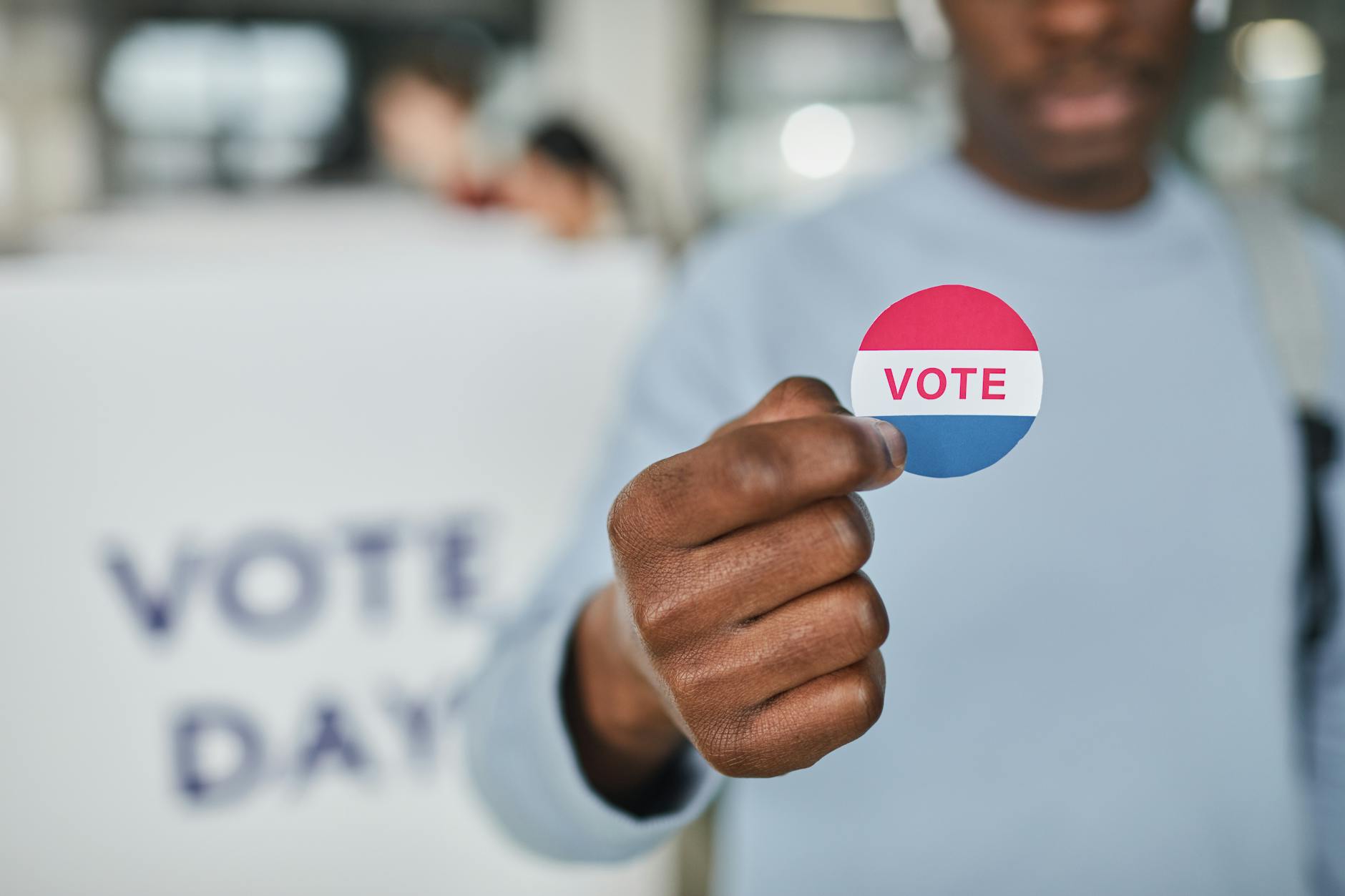
Qualified immunity, a legal doctrine shielding government officials from lawsuits, has profound implications for citizens' rights. When police officers are granted immunity in 95% of cases, it essentially denies victims of misconduct their day in court. This systemic barrier to justice leaves individuals powerless, even when their constitutional rights have been violated.
Civil rights advocates argue that qualified immunity undermines accountability. Without the threat of personal liability, officers may act with impunity, knowing the system protects them. This chilling effect can erode public trust in law enforcement, creating a divide between communities and those sworn to protect them.
A legal scholar from a prominent university highlights the doctrine's disproportionate impact. Marginalized communities, already vulnerable to systemic biases, often bear the brunt. When immunity shields officers from consequences, it perpetuates cycles of injustice, leaving citizens without recourse.
The real-world impact is stark. Families seeking justice for loved ones killed or injured by police often face insurmountable hurdles. Courts routinely dismiss cases based on technicalities, leaving victims and their families without resolution. This reality underscores the urgent need for reform, ensuring citizens' rights are protected and justice is served.
Challenges to Overcoming Immunity Protections

Qualified immunity presents significant hurdles for citizens seeking accountability from law enforcement. The doctrine's complex legal standards often leave victims and their families struggling to navigate the system. Courts frequently grant immunity based on vague interpretations of clearly established law, leaving plaintiffs without recourse.
One major challenge lies in the subjective nature of what constitutes "clearly established" law. A 2020 study by the Institute for Justice found that federal appeals courts denied qualified immunity in only 5% of cases. This high denial rate underscores the difficulty plaintiffs face in meeting the doctrine's stringent requirements.
Legal experts argue that qualified immunity creates an uneven playing field. The doctrine shifts the burden of proof onto victims, who must demonstrate that the rights violation was beyond debate among reasonable officers. This standard often proves impossible to meet, leaving many cases unresolved.
Additionally, the financial and emotional toll of pursuing such cases can be overwhelming. Many plaintiffs lack the resources to sustain lengthy legal battles, effectively denying them access to justice. The system's complexities and high barriers create a chilling effect, discouraging victims from seeking accountability.
Potential Reforms on the Horizon

Across the nation, a growing chorus of voices calls for reform of qualified immunity, the legal doctrine shielding police officers from civil lawsuits. Advocates argue that the current system denies justice to victims of police misconduct. Recent polls show that 69% of Americans support reforming or abolishing qualified immunity entirely.
Legislative efforts are gaining traction. In June 2020, the House of Representatives introduced the Justice in Policing Act, which included provisions to limit qualified immunity. While the bill stalled in the Senate, similar proposals continue to emerge at state levels. Colorado and Connecticut have already passed laws restricting the doctrine's application.
Legal scholars suggest alternative approaches. Some propose replacing qualified immunity with a system that allows lawsuits when officers violate clearly established rights. Others advocate for state-level reforms that maintain accountability while protecting officers from frivolous claims. The debate highlights the complex balance between police protection and citizen rights.
A recent study by a prominent civil rights organization found that qualified immunity dismissals account for 95% of cases involving police misconduct. This statistic underscores the need for meaningful reform. As public awareness grows, pressure mounts on lawmakers to address the issue.
Qualified immunity stands as a formidable barrier between citizens and justice, shielding law enforcement from accountability in the vast majority of cases. Its sweeping protection undermines public trust and leaves victims without recourse. To challenge this system, citizens should document interactions with police, seek legal counsel, and support legislative efforts aimed at reform. The fight for accountability is far from over, and the momentum for change continues to build.
Need this answered for your specific case?
Get a flat-fee consultation with a verified U.S. immigration attorney. Engagement letter on every paid consult.
Related guides
This guide provides general legal information and does not create an attorney–client relationship. Information accurate as of July 2026. Always verify current USCIS guidance before acting.