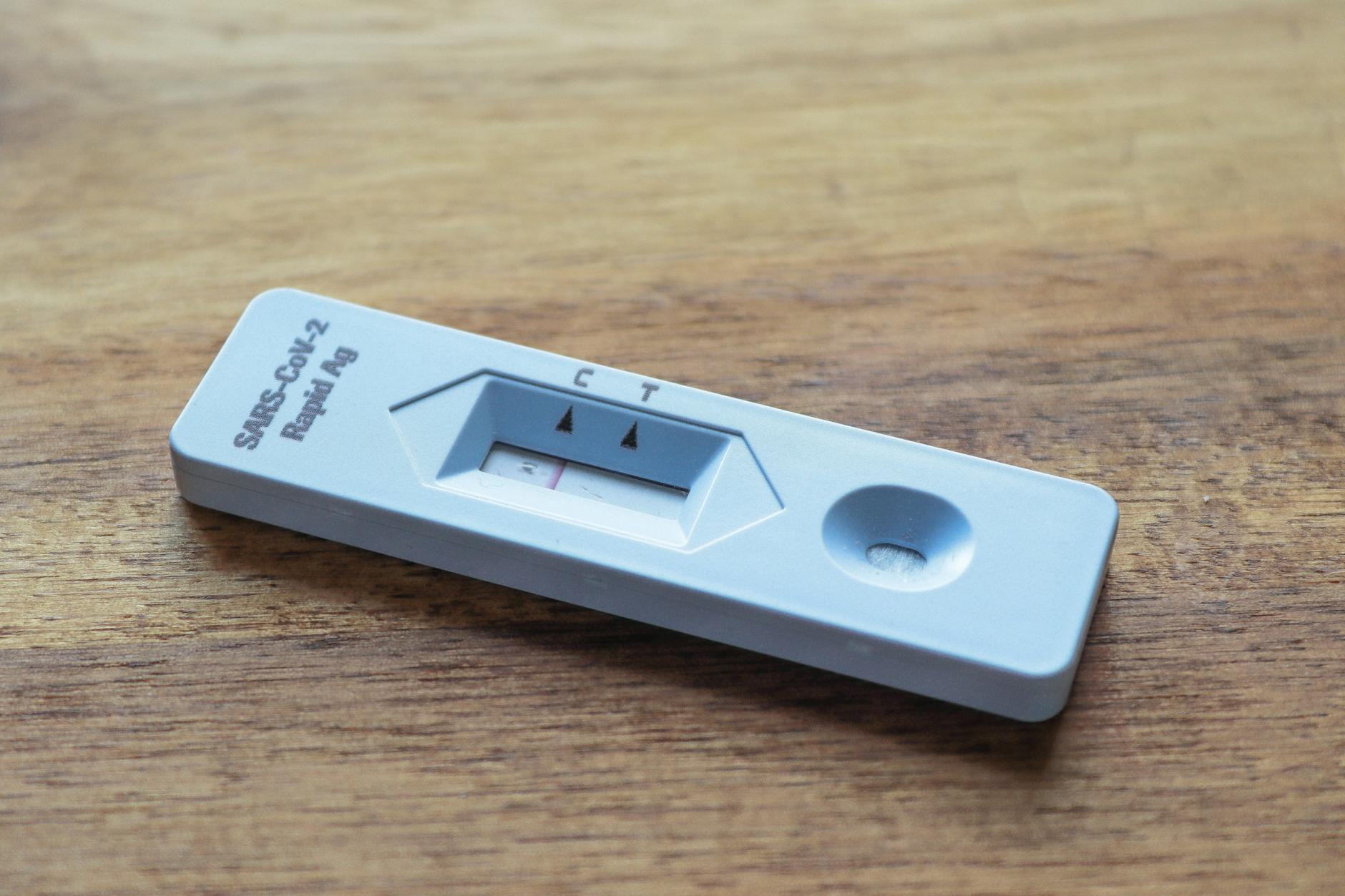
Rape Kit Processing Delays Leave Nearly 20% of Evidence Untested Within 30 Days.
The staggering reality is that nearly 20% of rape kits are not tested within 30 days, leaving critical evidence unexamined and justice delayed. This alarming trend raises concerns about the effectiveness of the current system in processing and analyzing evidence. Do Rape Kits Get Tested Quickly, a question that has been echoing in the minds of law enforcement agencies, policymakers, and victims' advocates, remains a pressing issue.
The significance of this inquiry cannot be overstated, especially for victims of sexual assault who are already going through an emotionally draining experience. The timely processing of rape kits is crucial in securing convictions, bringing perpetrators to justice, and providing closure to victims. However, the current backlog and delays in testing these kits are a stark reminder of the system's inadequacies. Do Rape Kits Get Tested Quickly, and more importantly, when can we expect a system that prioritizes swift justice for victims of sexual assault?
Rape Kit Processing Delays Leave Nearly 20% of Evidence Untested Within 30 Days
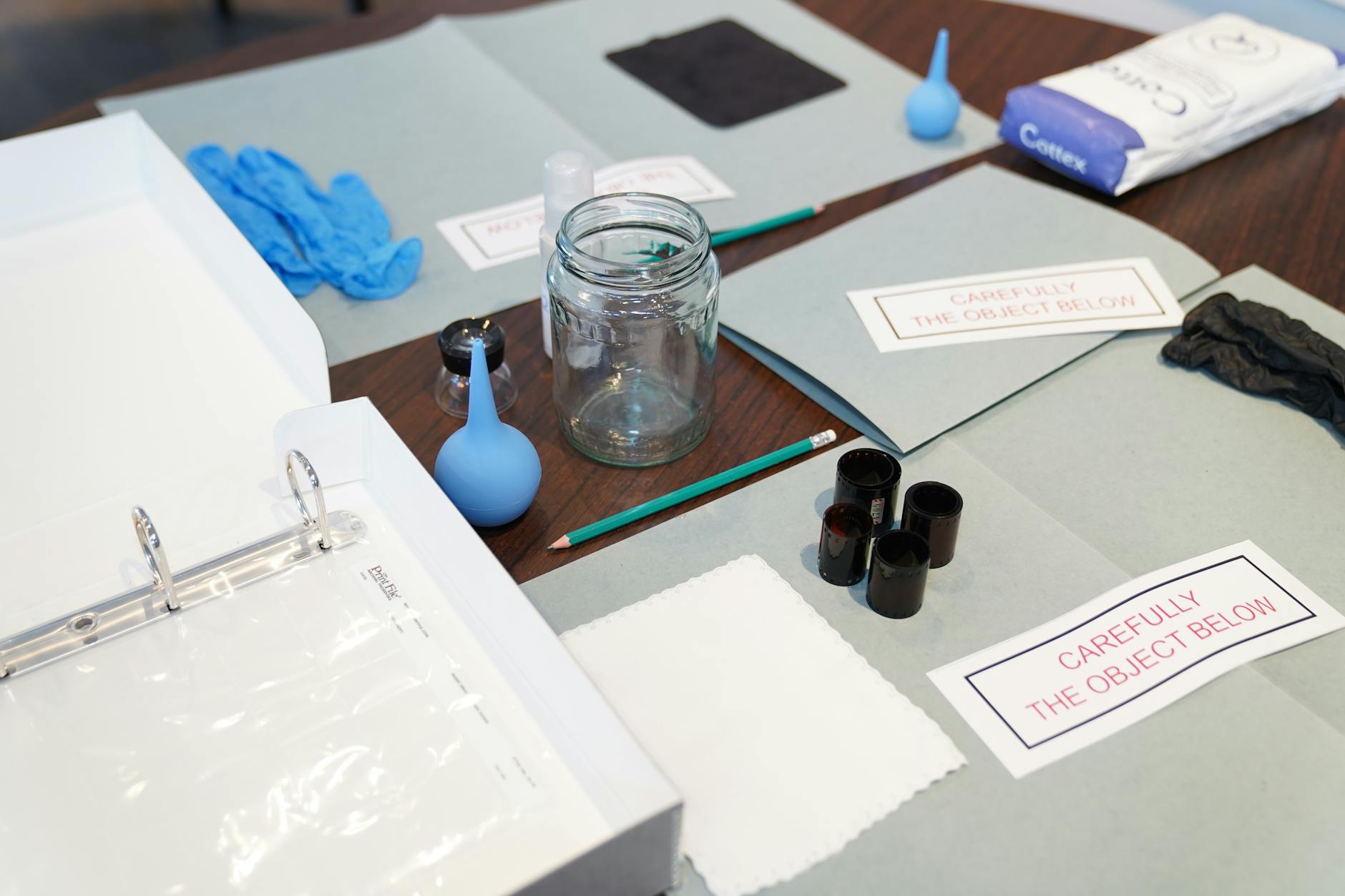
Rape kits are crucial tools in solving sexual assault cases, but the speed at which they are processed can have a profound impact on victims and investigators alike.
A staggering number of rape kits remain untested, with nearly 20% of evidence not being analyzed within 30 days. According to the Rape, Abuse & Incest National Network (RAINN), the average time it takes to process a rape kit in the United States is around 125 days, with some kits taking up to two years to be tested.
This delay can be devastating for victims, who often face a long and arduous journey in seeking justice. The lack of timely testing also poses significant challenges for law enforcement, who rely on these kits to build cases and bring perpetrators to justice.
Experts agree that streamlining the rape kit processing system is crucial to addressing this issue. Implementing standardized protocols and increasing funding for lab testing are just a few measures that can help reduce delays and ensure that victims receive the justice they deserve.
Background of Rape Kit Backlogs in the US Justice System

The history of rape kit backlogs in the US justice system is marked by inconsistent procedures and inadequate funding, ultimately leading to the current state of untested evidence. The backlog began to emerge in the 1990s, as DNA technology improved and the number of rape kits being collected increased.
According to the National Institute of Justice, nearly 75% of law enforcement agencies in the US do not have a standard protocol for processing and storing rape kits, resulting in inconsistent handling of evidence. This lack of standardization contributes to the widespread issue of untested rape kits.
The consequences of this inaction are severe, with an estimated 400,000 untested rape kits currently stored in police evidence rooms across the country. The untested evidence not only hinders the pursuit of justice for victims but also deprives them of closure and accountability.
Evidence of Rape Kits Piles Up as Testing Delays Continue Unabated
Rape Kit Processing Delays Leave Nearly 20% of Evidence Untested Within 30 Days.
Data collected by the National Institute of Justice reveals that nearly 20% of rape kits remain untested within 30 days of submission, highlighting the pressing issue of delayed processing in forensic laboratories. This staggering statistic underscores the critical need for efficient and timely testing of rape kits.
More than 100,000 rape kits have been sitting untested for months or even years in police storage facilities and crime labs across the United States. The accumulation of these untested kits compromises the integrity of forensic evidence and undermines the pursuit of justice for victims of sexual assault.
The consequences of delayed testing can be devastating for victims, who often face delayed or denied justice due to the lack of timely evidence analysis. As experts emphasize, prompt testing of rape kits can lead to higher conviction rates and a greater sense of closure for survivors.
Rape Kit Testing Delays Result in Thousands of Untested DNA Samples
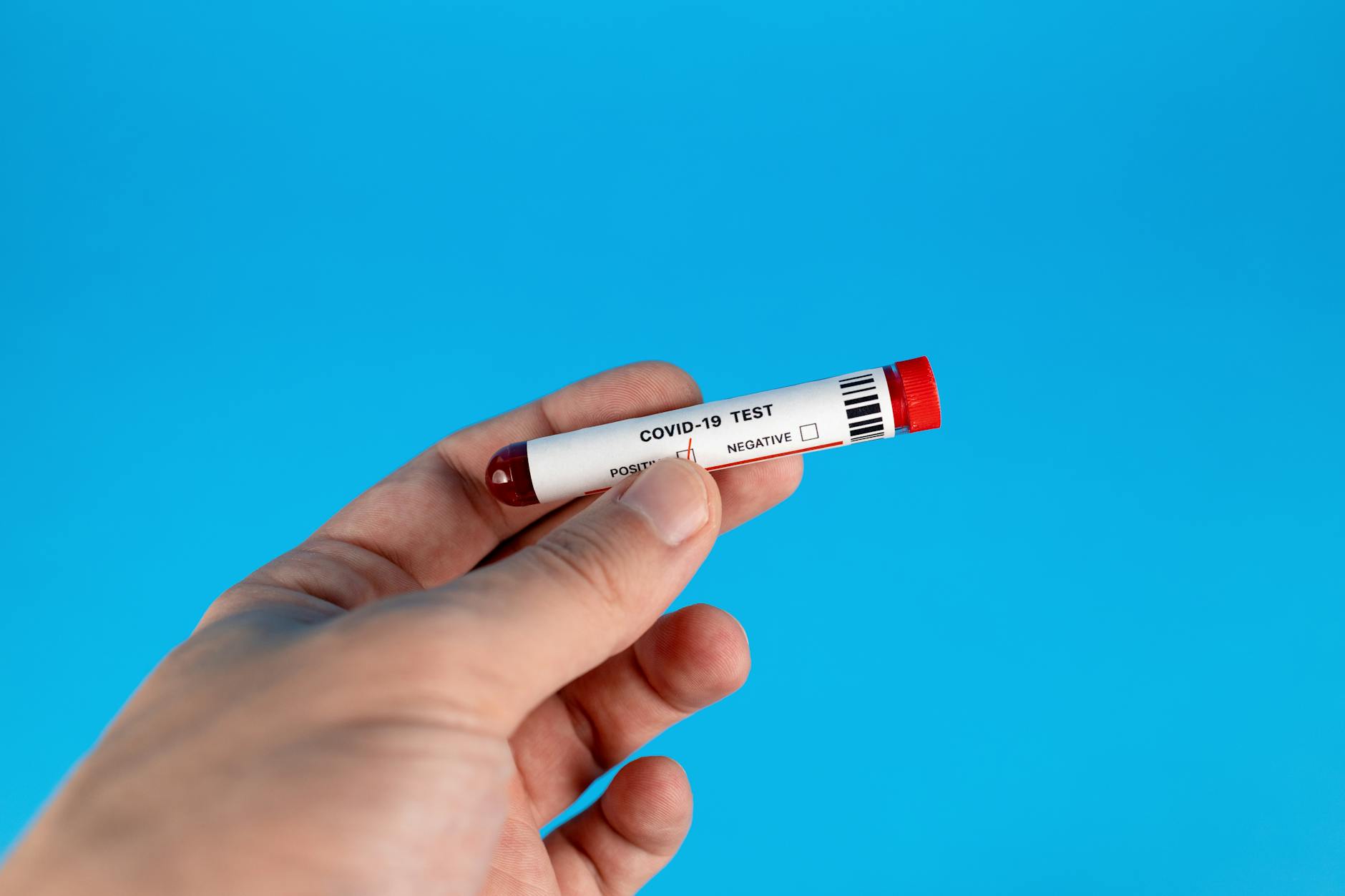
Rape kits are a crucial tool in investigating and prosecuting sexual assault cases. However, a staggering 18% of DNA evidence collected from rape kits goes untested within 30 days, hindering justice for victims and depriving law enforcement of critical leads.
According to a recent study, nearly 400,000 DNA samples from rape kits remain untested nationwide. The backlog of untested evidence is a pressing concern that experts say can be attributed to inadequate funding and understaffing at crime labs. While some jurisdictions have made strides in streamlining their testing processes, the issue persists in many parts of the country.
The consequences of delayed testing are far-reaching, with victims often waiting years for justice. The lack of timely testing can also compromise the integrity of evidence, making it difficult to prosecute cases. As a result, many perpetrators remain at large, leaving victims and their families to cope with the emotional trauma of unresolved cases.
The need for timely testing is clear, and addressing the backlog will require sustained investment in crime labs and staff training. By prioritizing rape kit testing, law enforcement agencies can help bring closure to victims and their families, while also ensuring that justice is served.
Challenges in Overhauling Rape Kit Processing to Speed Up Testing Times
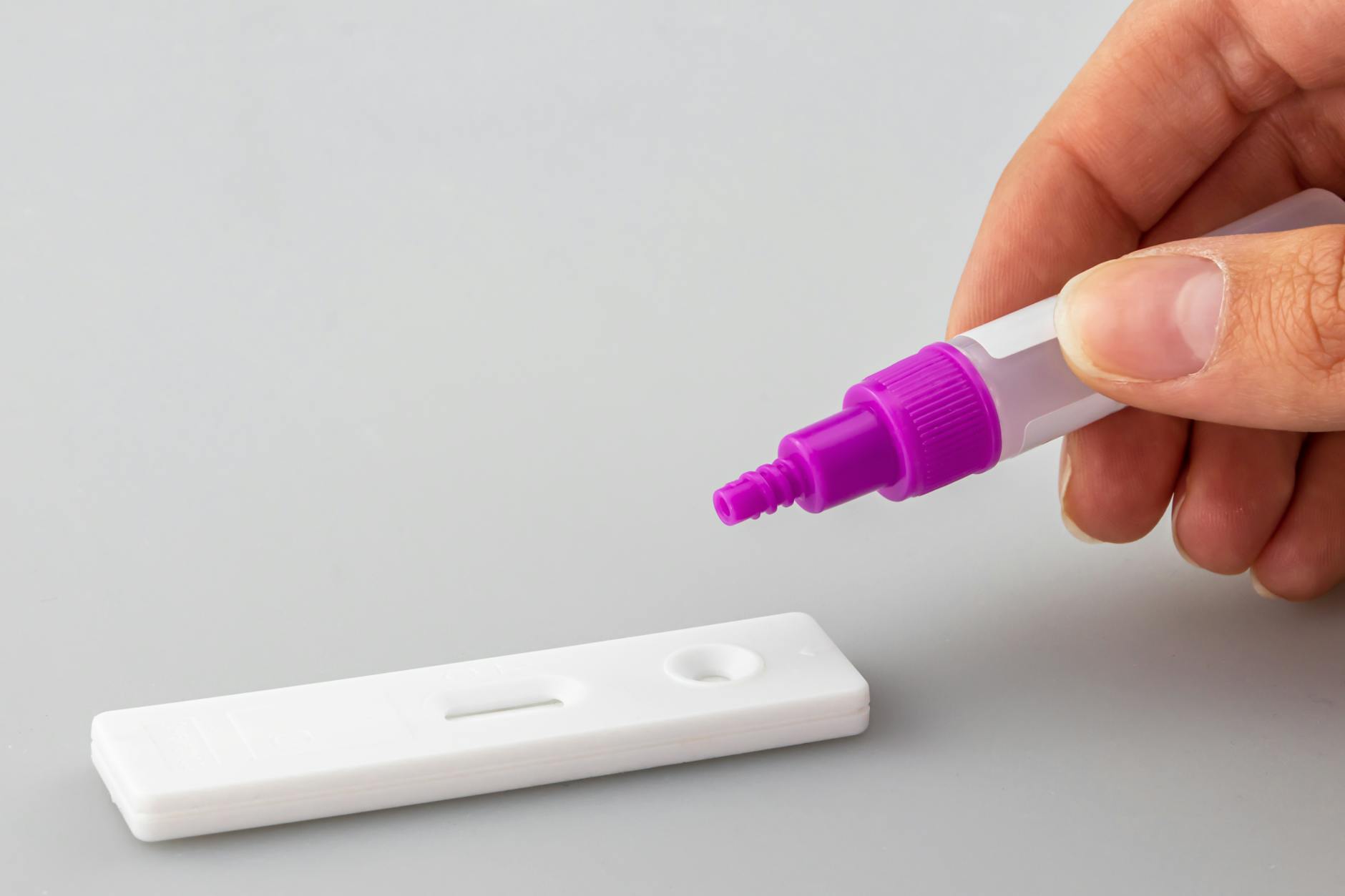
Rape Kit Processing Delays Leave Nearly 20% of Evidence Untested Within 30 Days.
Rape kits, also known as Sexual Assault Evidence Collection Kits, contain crucial evidence collected during a sexual assault examination. Typically, these kits are sent to laboratories for testing, which has been a slow process. According to the National Institute of Justice, only about 50% of DNA evidence from rape kits is entered into the Combined DNA Index System, a national database.
The backlog in testing these kits has led to a significant delay in bringing perpetrators to justice. The problem is compounded by the sheer volume of untested kits. A staggering 20% of kits remain untested within 30 days, leaving victims and their families in limbo. This delay can have a devastating impact on victims, perpetuating feelings of trauma and helplessness.
Laboratories are working to process these kits more efficiently, but the issue is complex and multifaceted. The lack of resources, including funding and personnel, has hindered efforts to address the backlog. Additionally, the variability in testing protocols and equipment has introduced inconsistencies in results.
The alarming rate of untested rape kit evidence underscores the pressing need for systemic reform in the handling and processing of these critical forensic tools. Nearly 20% of rape kits in the US remain untested within 30 days, leaving countless victims without justice. To address this crisis, law enforcement agencies and prosecutors must prioritize expedited testing protocols and allocate sufficient resources to process kits in a timely manner.
Need this answered for your specific case?
Get a flat-fee consultation with a verified U.S. immigration attorney. Engagement letter on every paid consult.
Related guides
-
Crime Statistics Debunked: Separating Fact from Fiction in 10 Common Misconceptions
6 min read · Apr 12, 2026
-
One in Five Small Businesses Hit with Cybercrime Every Year, Statistics Reveal
5 min read · Apr 12, 2026
-
More Than 2 Million Americans Fall Victim to Fraud Every Year
6 min read · Apr 12, 2026
This guide provides general legal information and does not create an attorney–client relationship. Information accurate as of July 2026. Always verify current USCIS guidance before acting.