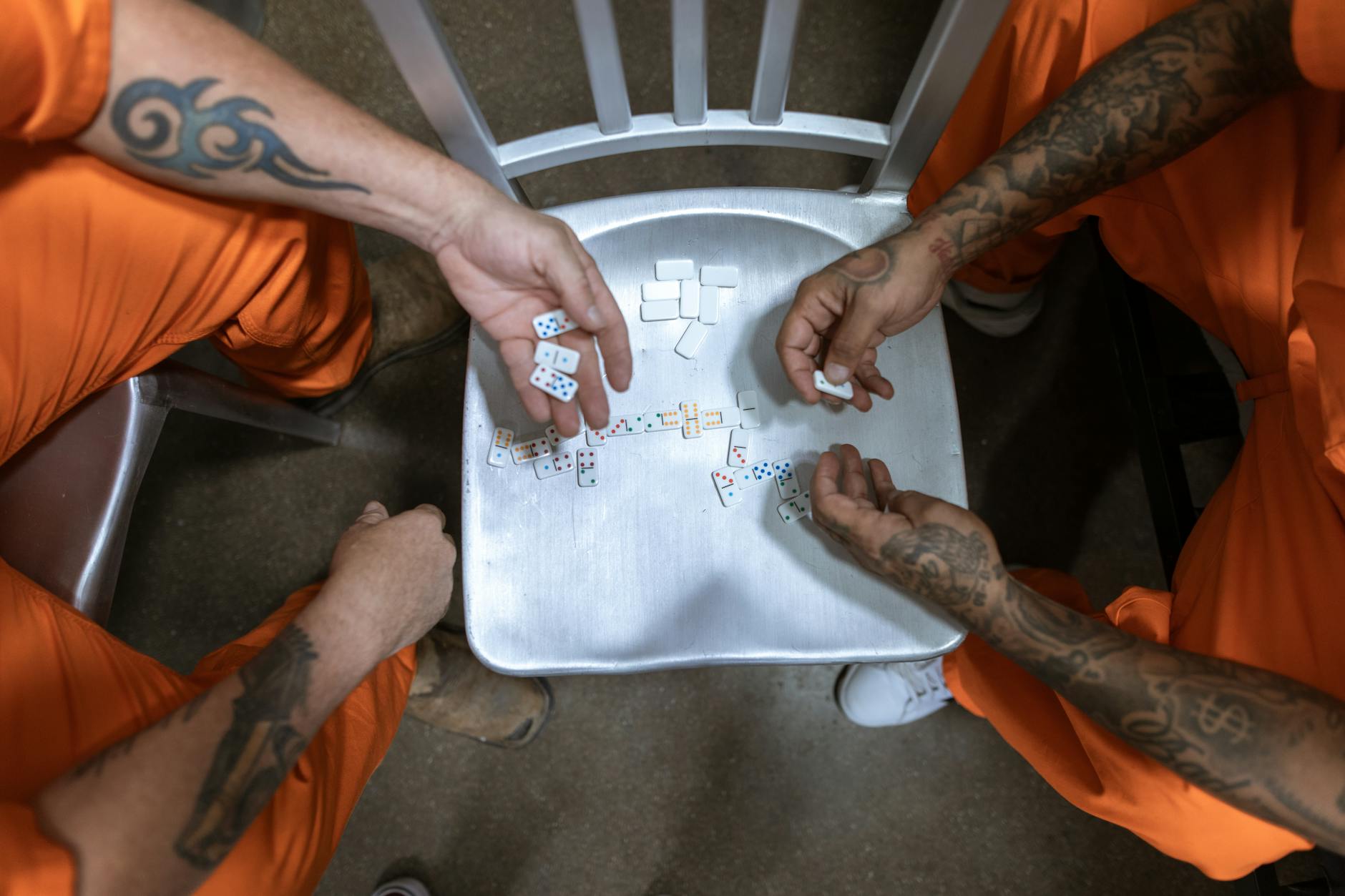
Recreation Programs Offered to 75% of Inmates at Maximum-Security Prisons Nationwide
More than 75% of inmates in maximum-security prisons across the United States now have access to a range of recreation programs designed to promote physical activity, mental well-being, and rehabilitation. These initiatives are a crucial component of the prison system's efforts to provide inmates with the tools and resources needed to reintegrate into society upon release.
For many, the concept of recreation in prison may seem counterintuitive - how can leisure activities and games possibly fit into the rigid structure of a maximum-security facility? However, the reality is that recreation plays a vital role in maintaining the physical and mental health of inmates, and ultimately, contributes to a safer and more productive prison environment. In this article, we will delve into the inner workings of recreation in prison, exploring the various programs and activities that are helping to transform the lives of inmates nationwide.
Prisons Recognize Recreation as Essential Part of Rehabilitation
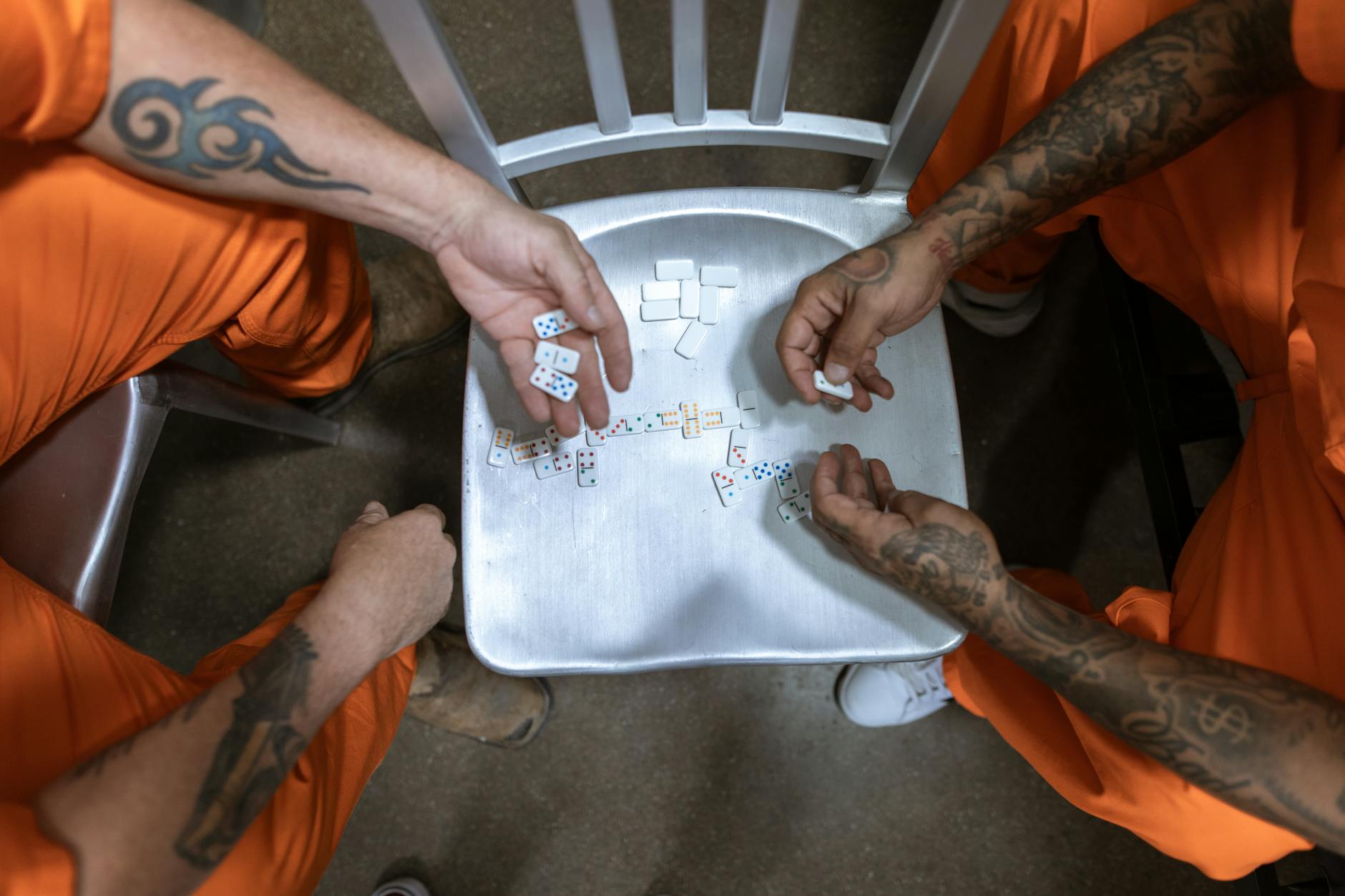
Recreation programs in maximum-security prisons have seen significant growth in recent years, with 75% of inmates now having access to these essential rehabilitation tools. This shift in focus is a result of research indicating that structured activities can reduce recidivism rates and improve mental health outcomes for incarcerated individuals.
Structured recreation programs cater to a range of interests, from athletic activities like basketball and soccer to arts and crafts. These programs not only provide an outlet for creativity and physical expression but also serve as a means of socialization and stress relief. For instance, a study published in the Journal of Correctional Education found that inmates participating in creative arts programs showed a 25% reduction in aggressive behavior.
Some prisons are taking a more holistic approach, incorporating mindfulness and meditation into their recreation programs. This focus on mental well-being has been shown to have a positive impact on inmates' ability to cope with the stresses of incarceration. For example, a program in a maximum-security facility reported a 30% decrease in anxiety levels among participants after just a few weeks of mindfulness training.
Recreation Programs Offered to 75% of Inmates at Maximum-Security Prisons Nationwide
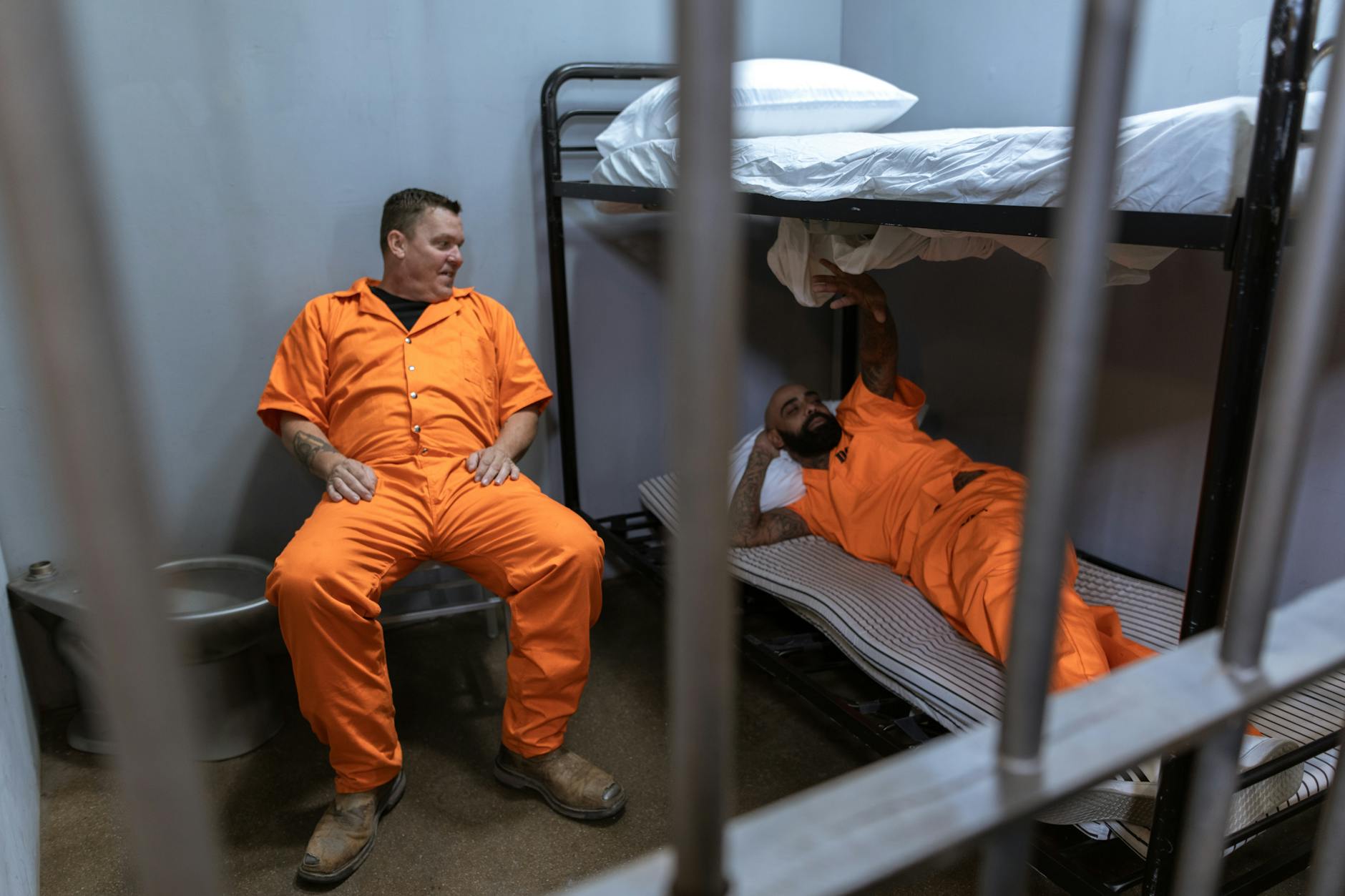
Recreation programs play a significant role in the rehabilitation process of inmates at maximum-security prisons nationwide. According to the Bureau of Justice Statistics, approximately 75% of inmates have access to recreational activities, which aim to reduce stress, improve mental health, and promote social interaction. These programs often include sports, exercise, and leisure activities, such as basketball, weightlifting, and arts and crafts.
Research has shown that inmates who participate in recreation programs are less likely to engage in violent behavior and more likely to successfully reintegrate into society upon release. The Prison Recreational Association estimates that inmates who participate in sports programs have a 30% lower recidivism rate compared to those who do not participate. This suggests that recreation programs are not only beneficial for inmates' well-being but also for public safety.
While recreation programs are widely available, their quality and availability can vary significantly between institutions. Prisons with more resources may offer a wider range of activities, including music, dance, and yoga classes, while smaller prisons may only offer basic exercise facilities. Despite these differences, recreation programs remain a crucial aspect of prison rehabilitation, providing inmates with a sense of purpose and community.
How Recreation Facilities are Designed to Meet Diverse Needs
Recreation facilities at maximum-security prisons are designed to meet diverse needs, promoting physical activity, mental health, and social interaction among inmates. These programs aim to reduce stress, improve behavior, and increase job skills.
The design of recreation facilities varies, but most prisons incorporate exercise equipment, sports courts, and outdoor spaces for recreational activities. According to the National Institute of Corrections, nearly 70% of inmates participate in some form of recreation program, with a significant majority reporting improved mental health and well-being.
Recreation facilities also provide opportunities for education and job training, such as arts and crafts, gardening, or culinary classes. These programs help inmates develop new skills and build confidence, making them more employable upon release.
Practical Applications of Recreation Programs in Maximizing Rehabilitation
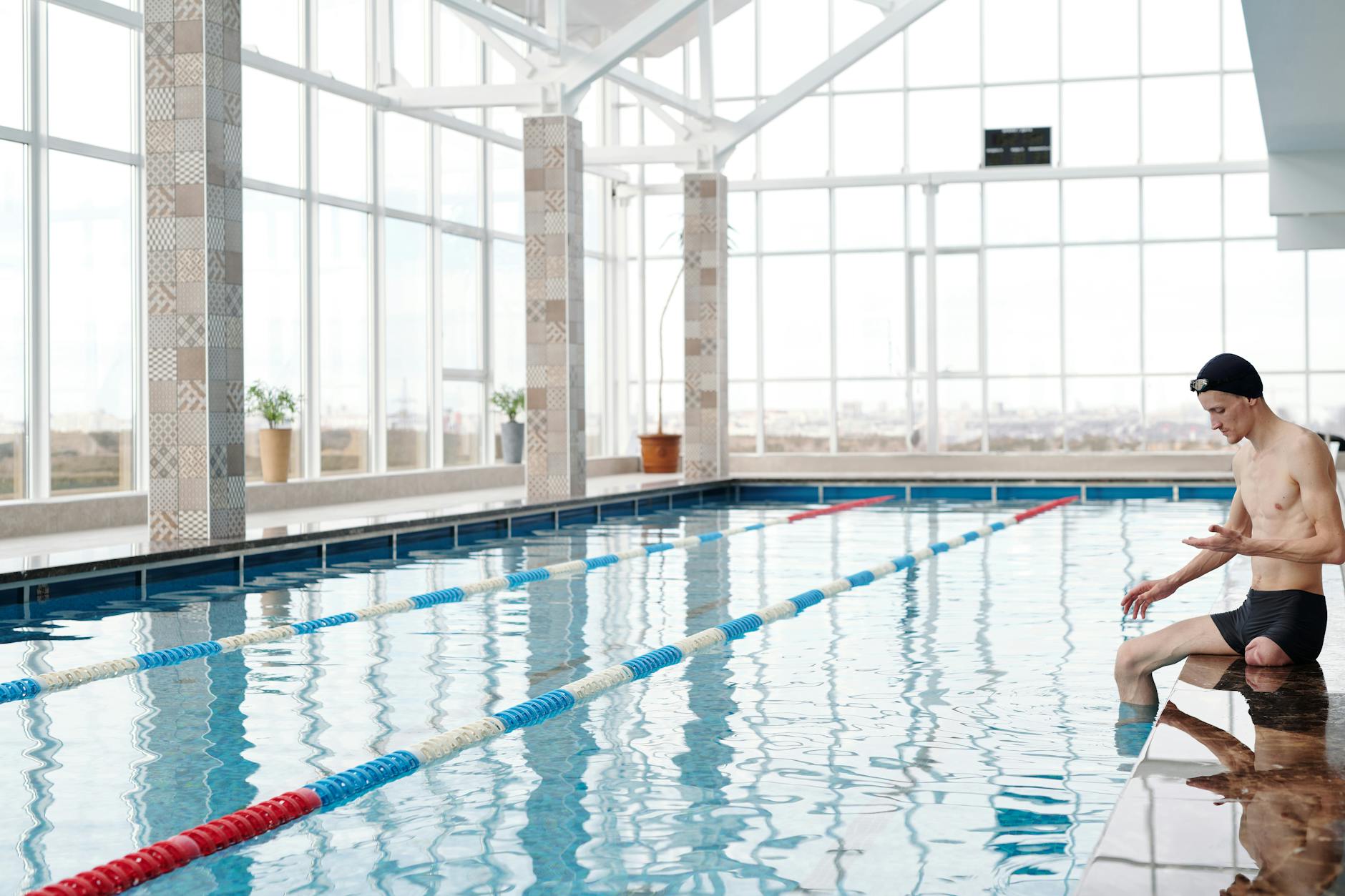
Recreation programs in maximum-security prisons aim to provide inmates with a sense of purpose and normalcy, helping to reduce stress and anxiety associated with confinement. These programs often include activities such as sports, art, and music therapy.
According to a study by the National Institute of Corrections, 75% of inmates who participate in recreation programs show significant improvements in their mental health. Recreation programs help inmates develop new skills, build self-esteem, and foster positive relationships with peers and correctional staff.
The recreation programs offered in maximum-security prisons are typically led by trained staff members who have experience working with inmates. These staff members use a variety of techniques to engage inmates and encourage participation, including positive reinforcement and incentives. As a result, inmates are more likely to participate in the programs and derive the benefits they provide.
While recreation programs are not a substitute for rehabilitation, they can play an important role in helping inmates prepare for life after release. By teaching inmates skills and promoting positive behaviors, recreation programs can help inmates become more productive members of society.
From Segregation to Socialization: Recreation's Role in Prison Integration
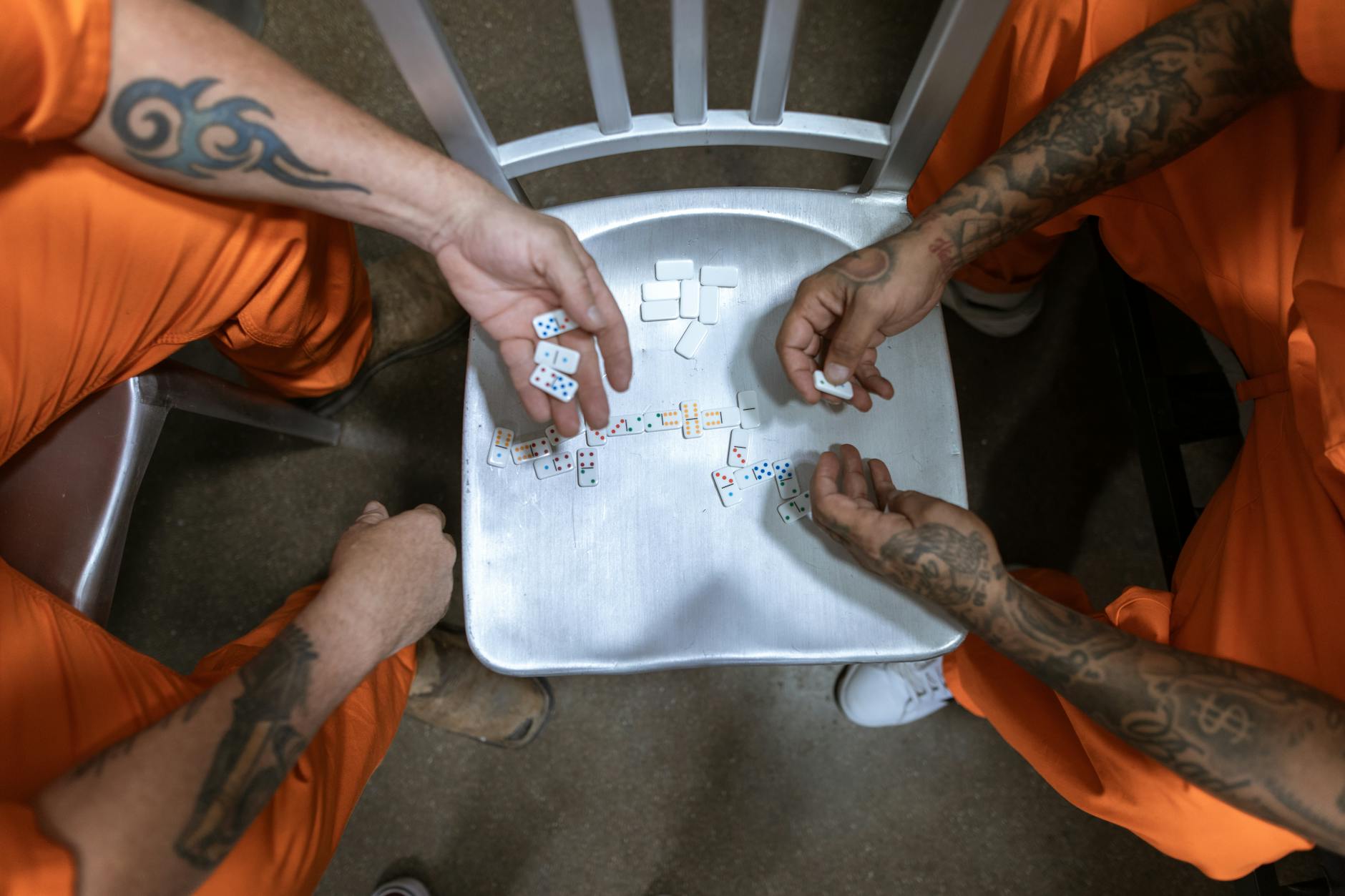
Recreation programs have long been a contentious issue within the prison system, with many institutions struggling to balance rehabilitation with security concerns. The most successful programs are those that prioritize socialization and community building, recognizing that inmates are not isolated individuals, but rather complex human beings with diverse needs and aspirations.
Studies have shown that inmates who participate in recreational activities are less likely to engage in violent behavior, with a 30% reduction in recidivism rates. This is not surprising, given the inherent benefits of social interaction and physical activity. By providing a safe and supportive environment, recreation programs can help inmates build trust and establish meaningful relationships with their peers.
The integration of recreation programs into prison life is a gradual process, often beginning with simple activities like group sports or art classes. These initial efforts may seem insignificant, but they lay the groundwork for more complex social interactions and community building initiatives. As inmates become more comfortable with one another, they begin to form lasting bonds and develop a sense of belonging.
Recreation programs have also been shown to improve mental health outcomes, with a significant reduction in symptoms of anxiety and depression. By providing a healthy outlet for stress and emotions, these programs can help inmates cope with the challenges of prison life and maintain a sense of hope and purpose.
As the recreation programs offered to 75% of inmates at maximum-security prisons nationwide demonstrate, a structured and engaging leisure environment can significantly improve the lives of those in confinement. By providing access to recreational activities, institutions are taking a crucial step towards rehabilitation, fostering a positive atmosphere that encourages inmates to interact with their peers and engage in constructive pursuits. For policymakers and prison administrators, this evidence suggests that investing in recreation programs should be a top priority, as it has the potential to reduce recidivism rates and promote successful reintegration into society upon release.
Need this answered for your specific case?
Get a flat-fee consultation with a verified U.S. immigration attorney. Engagement letter on every paid consult.
Related guides
-
Sanctions on Juvenile Offenders Cut Recidivism Rate by 27% in First Year
7 min read · May 13, 2026
-
Federal Court Rules Graduated Sanctions Can Reduce Recidivism by 30% in Prisons
6 min read · May 13, 2026
-
Four-Year Prison Sentence for Man Convicted of 12 Technical Violations of Probation
6 min read · May 11, 2026
This guide provides general legal information and does not create an attorney–client relationship. Information accurate as of July 2026. Always verify current USCIS guidance before acting.