
Refusing a Breathalyzer test can have severe consequences, including an automatic one-year license suspension in many jurisdictions. This penalty often surpasses the suspension for a first-time DUI conviction, making it a critical decision point during a traffic stop.
Understanding what happens if you refuse Breathalyzer is crucial for all drivers. Many assume declining the test avoids immediate repercussions, but laws in most states impose harsh penalties. Beyond the extended license suspension, drivers may face fines, mandatory alcohol education programs, and even jail time. What happens if you refuse Breathalyzer extends beyond the initial stop, potentially impacting employment, insurance rates, and personal freedom. Awareness of these consequences empowers drivers to make informed decisions during high-pressure situations.
Understanding Implied Consent Laws

Implied consent laws operate under the principle that by obtaining a driver's license, individuals have already agreed to submit to chemical testing if suspected of driving under the influence. These laws exist in all 50 U.S. states, creating a legal obligation for drivers to comply with breathalyzer or blood alcohol content (BAC) tests when lawfully requested by an officer. The specific penalties for refusal vary by state, but consequences are severe across the board.
When a driver refuses a breathalyzer test, law enforcement officers typically document the refusal and proceed with alternative methods of determining intoxication. This may include field sobriety tests or blood tests obtained through a warrant. Despite the refusal, the legal process continues, often resulting in automatic license suspension. According to the National Highway Traffic Safety Administration, drivers who refuse breathalyzer tests face an average license suspension of 12 months, though some states impose even longer penalties.
Legal experts emphasize that implied consent laws are designed to deter drunk driving by removing the option to refuse testing. The laws create a clear legal framework that holds drivers accountable for their actions behind the wheel. However, the specifics of these laws can be complex, and drivers may benefit from consulting with a legal professional to understand their rights and the potential consequences of refusal.
Beyond license suspension, refusing a breathalyzer can lead to additional penalties, including fines, mandatory alcohol education programs, and even jail time in some jurisdictions. The cumulative impact of these penalties underscores the importance of understanding implied consent laws before getting behind the wheel. Drivers should be aware that refusal does not guarantee avoidance of penalties; in many cases, it simply shifts the legal battle to a different arena.
Consequences of Refusing a Breath Test

Refusing a breathalyzer test can have serious consequences beyond the immediate legal implications. In many jurisdictions, a refusal is considered an automatic violation of implied consent laws, which mandate that drivers submit to chemical testing when lawfully requested by an officer. This can lead to an administrative license suspension, separate from any criminal penalties that may arise from a DUI conviction.
According to the National Highway Traffic Safety Administration, drivers who refuse breath tests face an average license suspension of 12 months. This period can vary by state, with some imposing longer suspensions or additional penalties, such as fines or mandatory alcohol education programs. The suspension applies even if the driver is ultimately found not guilty of driving under the influence in criminal court.
Beyond the suspension, refusing a breath test can complicate a driver's legal situation. Prosecutors may use the refusal as evidence of consciousness of guilt, potentially influencing the outcome of the case. Legal experts generally advise drivers to comply with breathalyzer requests to avoid these additional complications and to focus on defending against the underlying DUI charge.
Insurance companies may also take note of a breath test refusal. A driver's premiums could increase, or coverage could be denied altogether, as insurers view refusals as high-risk behavior. This financial impact adds another layer of consequence to the decision to refuse a breathalyzer test.
Immediate Penalties and Legal Process
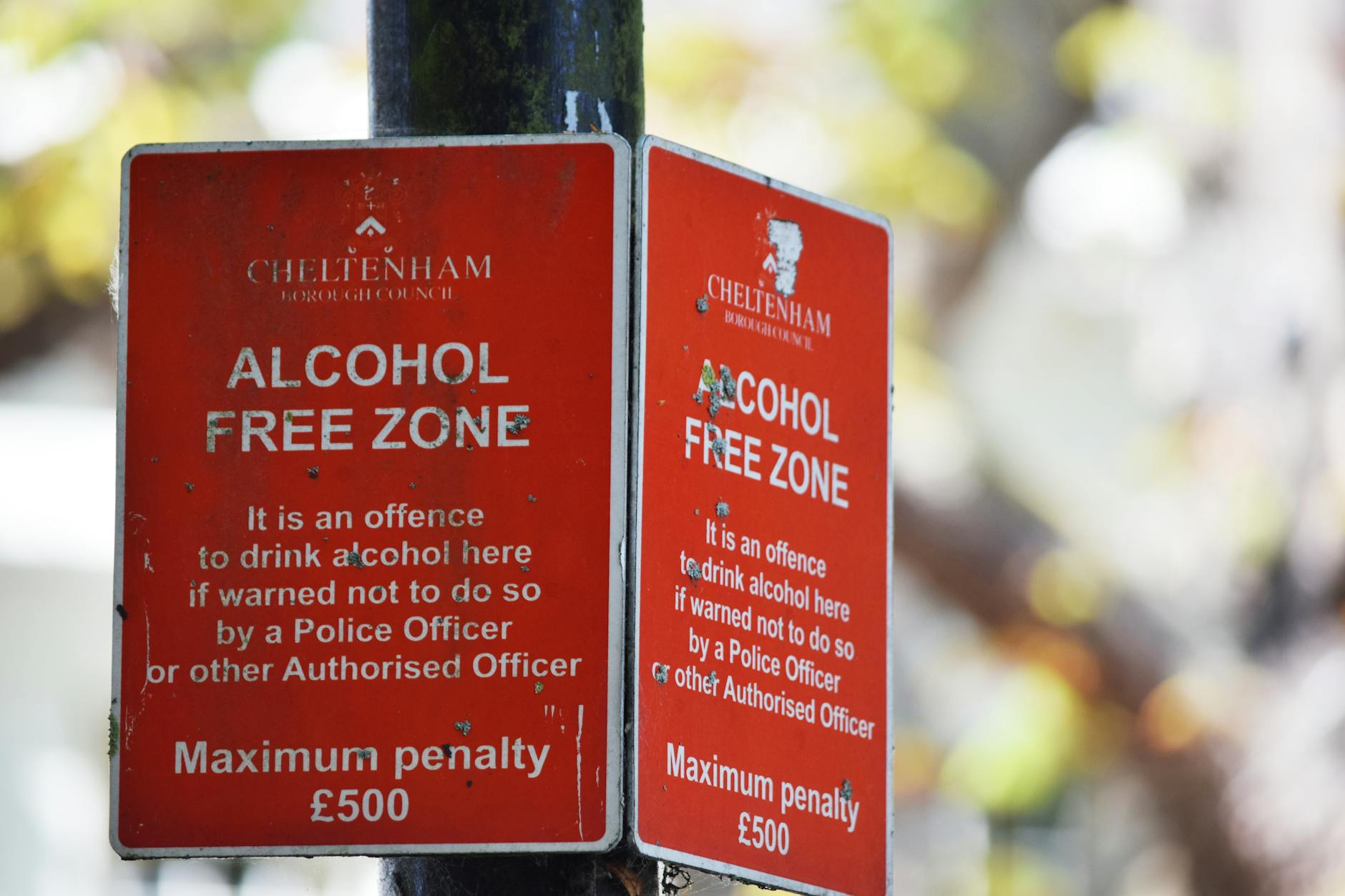
Refusing a breathalyzer test doesn't just mean avoiding an immediate DUI charge. It triggers a swift legal process with immediate penalties. The officer will likely confiscate the driver's license on the spot, issuing a temporary paper license. This temporary license lasts only 30 days before a longer suspension takes effect.
Within 10 days of the refusal, the driver must request an administrative hearing to contest the suspension. This hearing determines whether the refusal was valid or if the driver can retain limited driving privileges. According to the National Highway Traffic Safety Administration, drivers who refuse breath tests face suspension in all 50 states.
If the driver loses the hearing or fails to request one, the suspension period begins. For a first offense, this typically means a 12-month suspension. Repeat offenders face even harsher penalties. A legal expert notes that these suspensions are often longer and harder to contest than those resulting from a DUI conviction.
Beyond the suspension, refusing a breathalyzer can complicate any subsequent DUI case. Prosecutors may argue that the refusal implies guilt. This can make it more difficult to negotiate plea deals or achieve favorable outcomes in court. The consequences extend beyond the initial traffic stop, making refusal a risky choice.
Long-Term Impact on Driving Privileges

Refusing a breathalyzer test doesn't just lead to immediate consequences. It can also have long-term effects on driving privileges. In many jurisdictions, a refusal is considered an automatic violation, often resulting in a license suspension that can last up to a year. This suspension can significantly disrupt daily life, making commuting to work or running errands much more difficult.
According to the National Highway Traffic Safety Administration, drivers who refuse breathalyzer tests are often subject to stricter penalties than those who comply. These penalties can include longer suspension periods, mandatory attendance in alcohol education programs, and even installation of ignition interlock devices. These devices require the driver to pass a breathalyzer test before the vehicle will start, adding an extra layer of inconvenience and expense.
The long-term impact on driving privileges can extend beyond the initial suspension period. A refusal can result in a permanent mark on a driver's record, potentially affecting insurance rates and future employment opportunities. For professionals who rely on driving, such as truck drivers or rideshare drivers, this can be particularly devastating. It's crucial for drivers to understand the gravity of refusing a breathalyzer test and the lasting consequences it can have on their driving privileges.
Navigating Future DUI Testing Scenarios

Refusing a breathalyzer test doesn't just lead to immediate consequences. It also sets the stage for more complex DUI testing scenarios in the future. Law enforcement agencies are increasingly adopting advanced technologies like blood testing and oral fluid analysis to counter refusal rates. These methods can be more invasive and time-consuming, but they're becoming standard in many jurisdictions.
According to a recent study by a leading traffic safety organization, states with stricter implied consent laws see a 20% reduction in breathalyzer refusals. This trend suggests that drivers are becoming more aware of the long-term implications of refusal, including extended license suspensions and mandatory ignition interlock devices.
In some cases, refusing a breathalyzer can trigger a warrant for a blood draw. This process involves a judge's approval and can lead to additional legal complications. Drivers should understand that refusal doesn't mean escaping testing altogether; it often means facing more stringent and invasive procedures later on.
Legal experts emphasize the importance of understanding state-specific laws. Some states impose harsher penalties for refusal than for a first-time DUI conviction. Drivers should stay informed about local regulations to make better decisions in the moment.
Refusing a Breathalyzer test can significantly extend a license suspension and lead to other serious consequences. Drivers should understand that consenting to the test is often the lesser of two evils, even if they've been drinking. To avoid such situations, it's wise to always have a designated driver or use ride-sharing services when alcohol is involved. As law enforcement continues to crack down on drunk driving, staying informed and making responsible choices can help drivers avoid these pitfalls and keep the roads safer for everyone.
Need this answered for your specific case?
Get a flat-fee consultation with a verified U.S. immigration attorney. Engagement letter on every paid consult.
Related guides
This guide provides general legal information and does not create an attorney–client relationship. Information accurate as of July 2026. Always verify current USCIS guidance before acting.