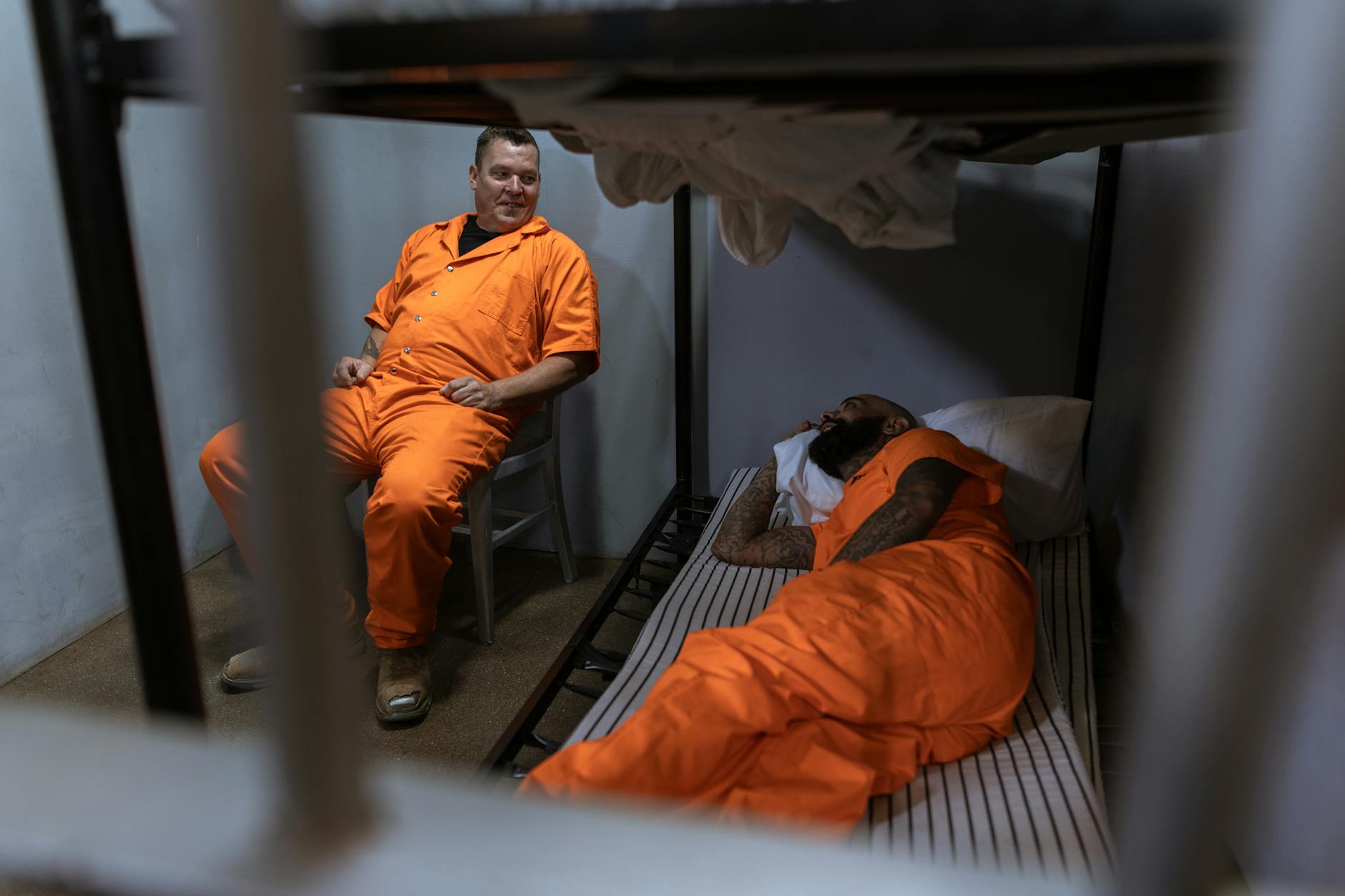
The United States is facing a daunting crisis: its prison population has reached a critical mass, with an alarming 150% of its capacity met. The numbers are staggering: over 2.3 million inmates are currently incarcerated, straining the nation's correctional facilities to the breaking point. This dire situation has sparked widespread concern among lawmakers, advocates, and citizens alike, highlighting the need to address the root causes of prison overcrowding.
Prison overcrowding is a complex issue that affects not only the lives of those behind bars but also the broader community. What is prison overcrowding, exactly? At its core, it refers to the phenomenon of correctional facilities operating beyond their designed capacity, often resulting in unsanitary conditions, inadequate resources, and a heightened risk of violence. As the nation struggles to cope with the consequences of mass incarceration, understanding the drivers of prison overcrowding is essential to finding a solution. By examining the factors contributing to this crisis, policymakers and stakeholders can work towards creating a more just and humane correctional system.
Prison Overcrowding: A Growing Crisis in the US
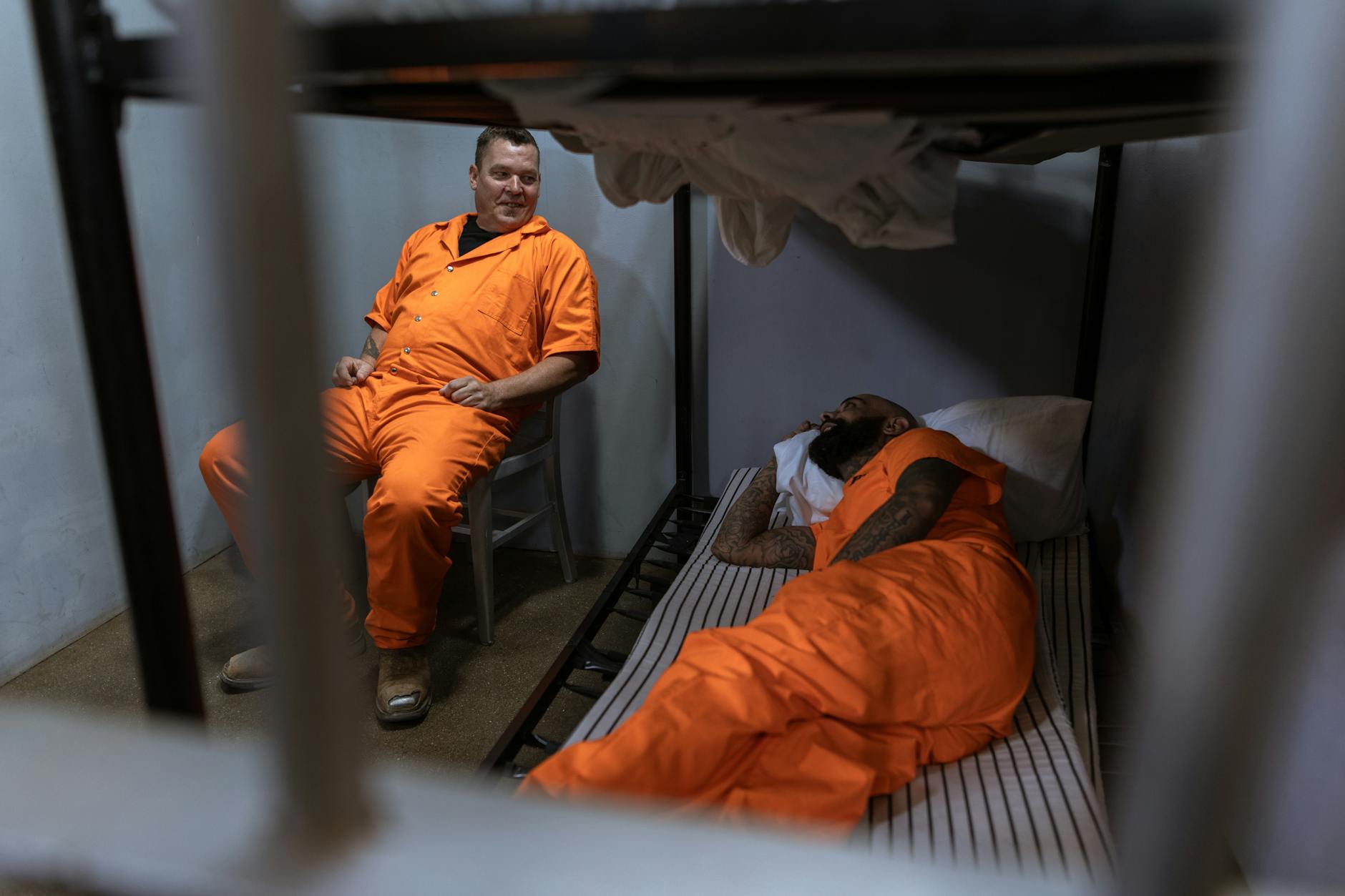
Prison overcrowding is a complex issue that arises when the number of inmates in a correctional facility exceeds its intended capacity. The consequence is a lack of adequate resources and living space for prisoners, which can lead to increased violence, poorer health outcomes, and reduced rehabilitation opportunities.
At its core, prison overcrowding is a symptom of a larger problem: the US has one of the highest incarceration rates in the world. As of 2020, the country's prison population has grown by over 500% since the 1970s, with approximately 2.3 million people incarcerated. This surge in population has pushed many facilities to operate at or above 150% of their designed capacity, putting significant strain on resources.
The American Correctional Association estimates that each additional prisoner requires an additional $1,500 to $2,000 in annual operational costs. With budgets already stretched thin, overcrowding exacerbates the financial burden on facilities, further compromising the quality of care and services provided to inmates.
Causes of Overcrowding: A Complex Web of Factors

Prison overcrowding is a multifaceted issue, resulting from a complex interplay of factors. One major contributor is the rising crime rate, which has led to an increase in the number of inmates requiring incarceration. According to the Bureau of Justice Statistics, the crime rate in the United States has been steadily increasing over the past decade, resulting in a significant surge in prison population.
The lack of rehabilitation programs and inadequate support services for ex-offenders also play a significant role in perpetuating overcrowding. When inmates are released without the necessary tools to reintegrate into society, they are more likely to reoffend, leading to a cycle of recidivism that contributes to overcrowding. In many cases, prisons lack the resources and facilities to provide adequate rehabilitation programs, exacerbating the problem.
The over-reliance on imprisonment as a means of punishment is another significant factor contributing to overcrowding. The United States has one of the highest incarceration rates in the world, with over 2.3 million inmates currently incarcerated. This trend has led to a significant strain on prison resources, resulting in overcrowding and a range of associated problems, including poor living conditions and inadequate access to healthcare.
Consequences of Overcrowding: Strained Resources and Services

Prison overcrowding is a pressing issue that affects not only the inmates but also the entire correctional system. Overcrowding occurs when the number of prisoners exceeds the designed capacity of a facility, leading to a strain on resources and services.
The consequences of overcrowding are far-reaching and have severe impacts on the prison population. For instance, prisoners are often forced to share cells with multiple inmates, compromising their safety and privacy. This can lead to increased tensions and conflicts among prisoners, which can escalate into violence.
According to a report by the Bureau of Justice Statistics, in 2020, 55% of state and federal prisons in the United States were operating at or above 110% of their design capacity. This means that nearly half of all prisons were severely overcrowded. The report also found that overcrowding was more common in state prisons, where 63% of facilities were at or above capacity.
The strain on resources and services is a critical concern in overcrowded prisons. With too many prisoners competing for limited resources, basic necessities such as food, water, and sanitation become scarce. This can lead to a range of health problems, including the spread of diseases and a higher risk of mortality.
Practical Solutions to Addressing Prison Overcrowding

The crisis of prison overcrowding has reached a boiling point across the United States, with the national prison population exceeding 150% of its maximum capacity. This staggering figure has far-reaching consequences, straining the resources of correctional facilities and perpetuating a cycle of recidivism.
Prison overcrowding occurs when the number of inmates exceeds the designed capacity of a correctional facility. This can be caused by a variety of factors, including increased incarceration rates, inadequate sentencing reforms, and insufficient community-based programs to address underlying issues such as substance abuse and mental health.
According to the Bureau of Justice Statistics, the US prison population has grown by over 500% since the 1970s, with nearly 2.3 million individuals currently incarcerated. This trend has significant fiscal and social implications, with the average annual cost of incarceration exceeding $80 billion.
Reforms and Innovations for a Safer, More Humane System
The harsh realities of prison overcrowding are nothing new. In the United States, the correctional system is facing a crisis of unprecedented proportions. With a prison population that has grown by over 500% since the 1970s, the nation's prisons are operating at a staggering 150% capacity nationwide.
The consequences of this overcrowding are far-reaching and devastating. Prisoners are often forced to live in cramped, unsanitary conditions, with inadequate access to medical care, education, and rehabilitation programs. This can lead to increased violence, mental health problems, and recidivism rates. According to a report by the National Institute of Justice, approximately 70% of prisoners in the United States are serving time for non-violent offenses, highlighting the need for a more humane and effective approach to justice.
Prison overcrowding is not just a moral issue; it is also a fiscal one. The high cost of incarceration takes a significant toll on taxpayers, diverting resources away from vital public services and economic development initiatives. As the nation grapples with the complexities of mass incarceration, policymakers and reformers are seeking innovative solutions to address this crisis.
Rising prison population has finally hit critical mass, with overcrowding now exceeding 150% capacity nationwide. This alarming state of affairs has severe consequences, compromising the health, safety, and rehabilitation of inmates, as well as the well-being of corrections staff and surrounding communities. To mitigate this crisis, policymakers must prioritize evidence-based solutions such as alternative sentencing programs, increased use of parole, and investments in rehabilitation services to reduce recidivism rates and alleviate pressure on the system. As the nation grapples with this complex issue, sustained efforts are needed to address the root causes of mass incarceration and create a more just and humane corrections system.
Need this answered for your specific case?
Get a flat-fee consultation with a verified U.S. immigration attorney. Engagement letter on every paid consult.
Related guides
-
Sanctions on Juvenile Offenders Cut Recidivism Rate by 27% in First Year
7 min read · May 13, 2026
-
Federal Court Rules Graduated Sanctions Can Reduce Recidivism by 30% in Prisons
6 min read · May 13, 2026
-
Four-Year Prison Sentence for Man Convicted of 12 Technical Violations of Probation
6 min read · May 11, 2026
This guide provides general legal information and does not create an attorney–client relationship. Information accurate as of July 2026. Always verify current USCIS guidance before acting.