Every year, thousands of school lockers across the United States are searched by law enforcement, often without students present. The legality of these searches hinges on a complex interplay of constitutional rights and school policies, leaving many parents and students wondering about their boundaries.
Understanding whether police can search school lockers is crucial for students, parents, and educators alike. The answer lies in the Fourth Amendment, which protects against unreasonable searches and seizures. However, schools maintain a special interest in maintaining safety and order, creating a nuanced landscape. Can police search school lockers? The answer depends on several factors, including the locker's location, the reason for the search, and whether the student has a reasonable expectation of privacy. Schools often set their own policies, which can further complicate the matter. Knowing these rules helps students understand their rights and ensures schools strike the right balance between safety and privacy.
Understanding Student Privacy Rights
Student privacy rights form the foundation of any discussion about school locker searches. Under the Fourth Amendment, students retain certain protections against unreasonable searches and seizures. However, these rights aren't absolute, especially in a school environment where safety often takes precedence.
Courts have established that school officials can conduct searches when they have reasonable suspicion of wrongdoing. This standard is lower than the probable cause required for police searches outside of school. A 2017 report from the American Civil Liberties Union found that 70% of schools conduct locker searches at least once a year, often without clear policies in place.
When police get involved, the rules change. Law enforcement typically needs a warrant or consent to search a student's locker. Exceptions exist for exigent circumstances, like an immediate threat to safety. Education law experts emphasize that schools must balance safety concerns with respect for student privacy.
Parents and students should familiarize themselves with their school's search policies. Many districts have established protocols that outline when and how searches can occur. Understanding these rights and policies helps ensure that any search conducted is legal and justified.
When Can Lockers Be Searched?
School lockers, while often perceived as private spaces, exist within the broader school environment. This distinction is crucial when determining when police can legally search them. Generally, police can search lockers when they have reasonable suspicion of illegal activity or when there's a legitimate safety concern. This aligns with the broader legal principle that searches must be reasonable and justified.
According to a study by the American Civil Liberties Union, approximately 80% of schools in the U.S. have policies allowing for locker searches. However, these policies must comply with constitutional standards. Police cannot conduct random or arbitrary searches. They must have a valid reason, such as a report of drug possession or threats of violence. This requirement ensures that students' rights are protected while maintaining a safe school environment.
In some cases, schools may conduct searches without police involvement. School administrators can search lockers if they have reasonable grounds to believe a student is violating school rules or policies. However, if the search uncovers evidence of a crime, police may then become involved. The key factor in all scenarios is the reasonableness and justification of the search. Courts often evaluate whether the search was necessary and proportional to the suspected violation.
Parental consent is not always required for police to search a school locker. This can be a contentious issue, as parents may feel their rights are being overlooked. However, the legal framework prioritizes the safety and well-being of all students. Police and school officials must balance the need for security with the rights of individual students. This delicate balance ensures that searches are conducted fairly and lawfully.
Procedures for Legal Searches
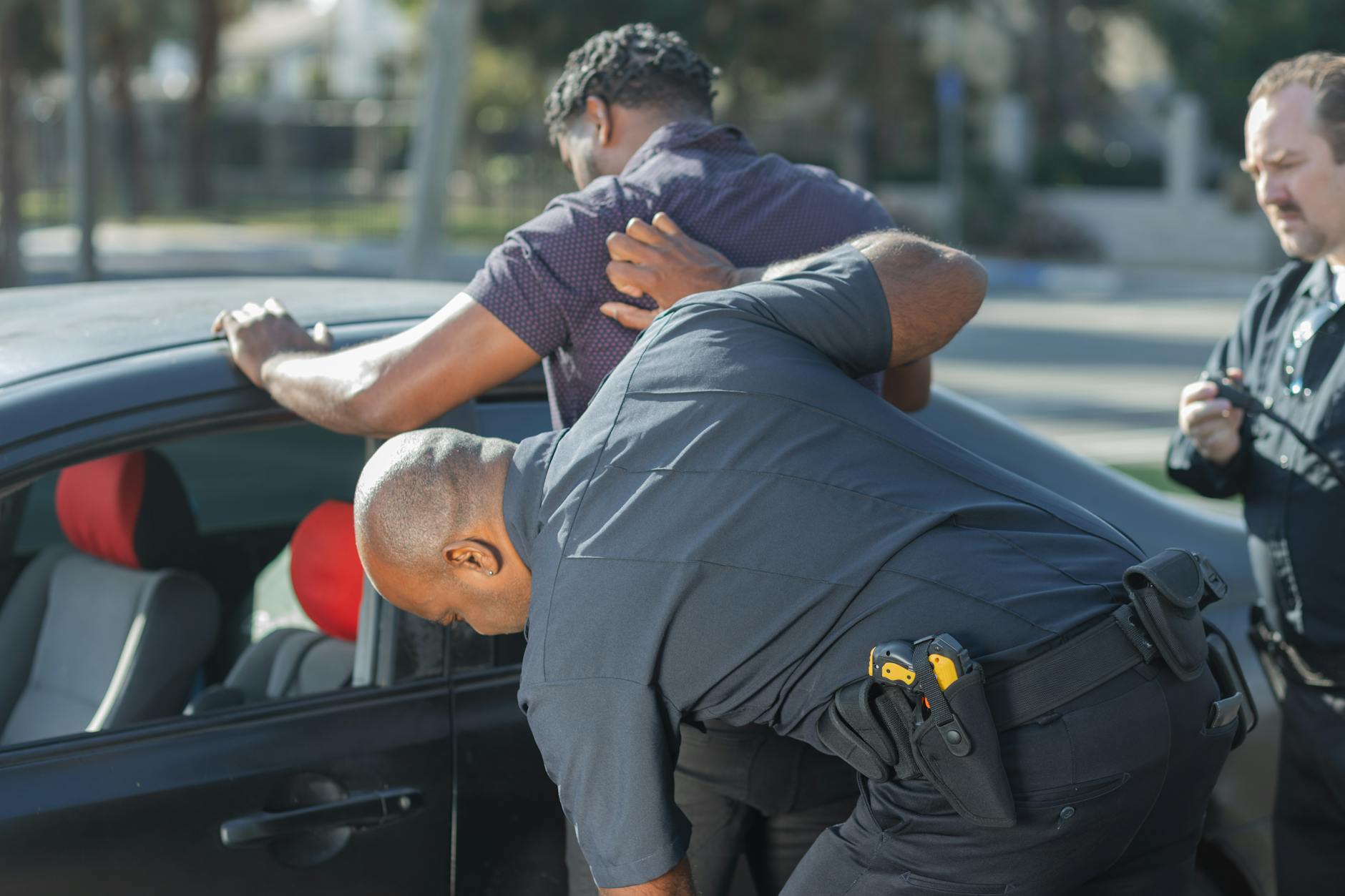
Police can search school lockers under specific circumstances, following established legal procedures. Generally, law enforcement officers need a search warrant to conduct searches, but exceptions exist in school environments. Courts have ruled that school officials can search lockers without warrants if they have reasonable suspicion of illegal activity. This authority stems from the lower expectation of privacy students have in school property compared to their personal belongings at home.
When police become involved, they typically need probable cause to search a locker. Probable cause means officers must have concrete evidence or credible information suggesting illegal activity. For instance, if a student is suspected of possessing drugs, and there's evidence linking those drugs to their locker, police may have grounds for a search. According to a legal expert from the American Civil Liberties Union, "School searches must balance the need for safety with students' constitutional rights."
During a search, police must follow strict protocols to ensure the search is lawful. They should have clear justification for the search, conduct it in a reasonable manner, and limit the scope to the suspected area. Unauthorized or excessive searches can lead to legal challenges and the suppression of evidence in court. Students found with illegal items during a lawful search may face disciplinary action and criminal charges.
Parents and students should be aware of their rights and the procedures involved in school locker searches. Understanding these procedures can help ensure that searches are conducted fairly and legally. If a search is conducted improperly, it may be challenged in court, potentially leading to the exclusion of evidence. Knowledge of these processes empowers students and parents to advocate for their rights within the school system.
Student Rights During Searches

Students possess certain rights when it comes to school locker searches, even when police are involved. The Fourth Amendment protects individuals from unreasonable searches and seizures, and this extends to students in public schools. However, the level of protection varies based on the circumstances and the student's age. Courts have generally ruled that students have a lower expectation of privacy in school lockers compared to their homes, but searches must still be reasonable and justified.
A 2015 study by the American Civil Liberties Union found that nearly 20% of students reported having their belongings searched without clear justification. This highlights the importance of understanding student rights. Police typically need reasonable suspicion to conduct a search, which means they must have specific facts indicating a student is involved in illegal activity. Random or arbitrary searches are generally not permitted.
If a search occurs, students have the right to ask why it is happening and to what extent their belongings will be examined. They should also be treated respectfully throughout the process. Schools and law enforcement agencies often have policies in place to ensure searches are conducted fairly and transparently. Students who believe their rights have been violated can seek legal counsel or report the incident to school authorities.
Future of School Search Policies
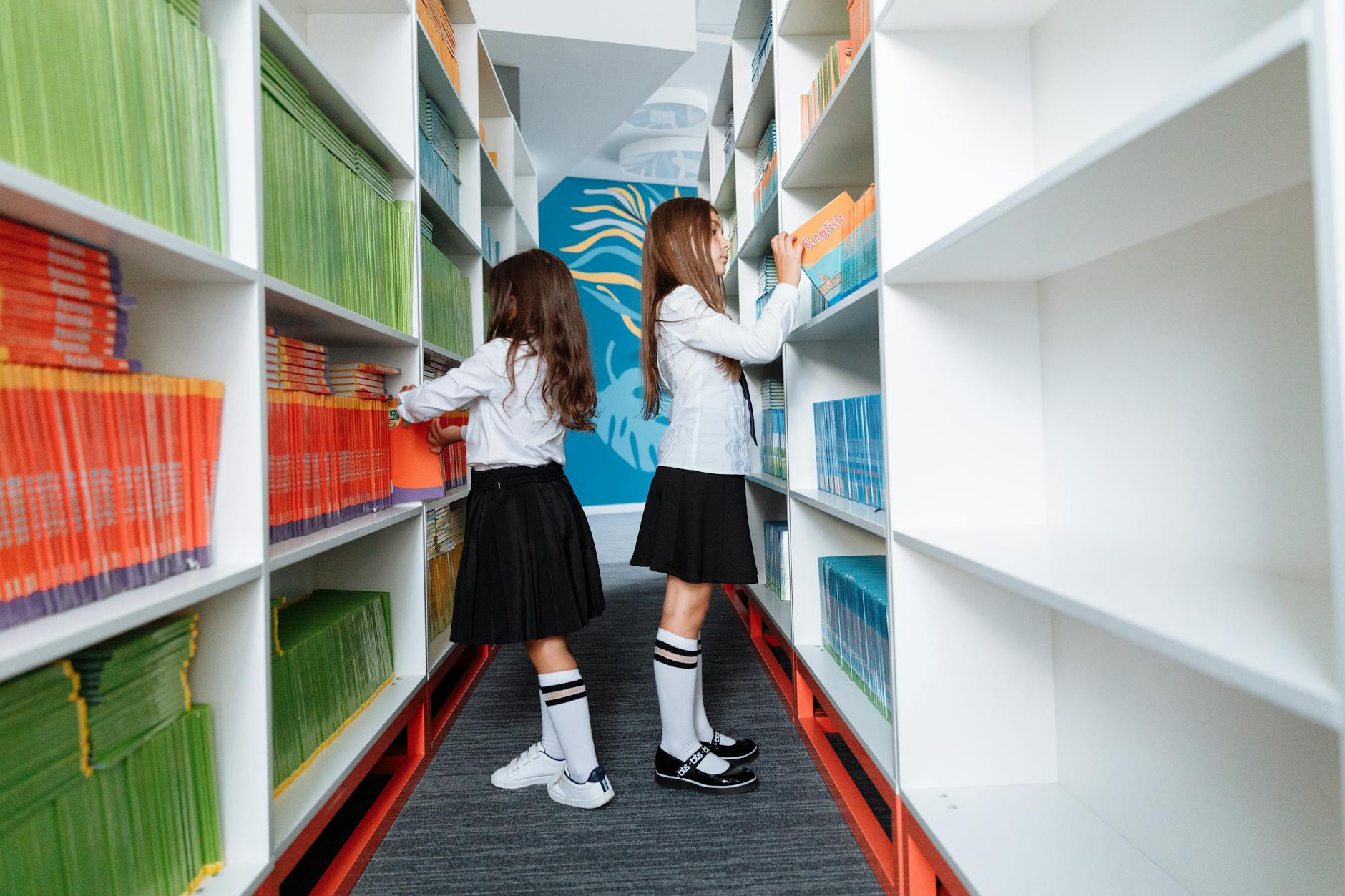
As school security measures evolve, so too do the policies governing locker searches. Legal experts anticipate a growing emphasis on transparency and accountability in these procedures. Schools may increasingly adopt clear, written policies outlining when and how searches will be conducted, ensuring both students and authorities understand their rights and limitations.
Technology is also poised to play a larger role. Some institutions are exploring the use of surveillance systems and electronic monitoring to deter misconduct, potentially reducing the need for invasive searches. A 2023 study found that schools implementing such technologies reported a 25% decrease in incidents requiring locker searches.
Advocates for student rights are pushing for more stringent oversight. They argue that search policies should align with broader societal shifts toward privacy and civil liberties. This movement could lead to stricter judicial scrutiny of school search practices, ensuring they remain proportional and justified.
Ultimately, the future of school locker search policies will likely balance security needs with students' rights. As legal frameworks adapt, schools must navigate these changes carefully to maintain trust and safety within their communities.
The legality of police searches in school lockers hinges on reasonable suspicion and adherence to established procedures. Students' rights must be balanced with the need for school safety, and clear policies can help maintain that equilibrium. Parents and students should familiarize themselves with their school's search policies and local laws to understand their rights and the boundaries of school and police authority. As educational institutions continue to navigate the complex landscape of student rights and safety, open dialogue and clear communication will be key to fostering trust and ensuring fair practices.
Need this answered for your specific case?
Get a flat-fee consultation with a verified U.S. immigration attorney. Engagement letter on every paid consult.
Related guides
This guide provides general legal information and does not create an attorney–client relationship. Information accurate as of July 2026. Always verify current USCIS guidance before acting.