
Nearly 40% of U.S. schools have School Resource Officers (SROs) patrolling hallways, a presence that has sparked intense debate about the role of law enforcement in education. These officers, often armed and in uniform, represent a tangible form of police power in schools, a concept that has evolved significantly over the past few decades.
The term "police power in schools" refers to the authority and influence that law enforcement officers wield within educational institutions. This power manifests in various ways, from maintaining order and responding to emergencies to enforcing laws and, in some cases, engaging in disciplinary actions. The presence of SROs raises critical questions about the balance between safety and the school environment's nurturing, educational focus. Understanding what is police power in schools is essential for parents, educators, and policymakers as they navigate the complexities of creating safe and effective learning environments.
Understanding School Resource Officers

School Resource Officers (SROs) are sworn law enforcement officers stationed in schools to collaborate with educators, maintain a safe learning environment, and build positive relationships with students. Their presence represents an extension of police power into educational settings, a concept that has evolved over the past few decades. The International Association of Chiefs of Police reports that SROs are present in approximately 40% of U.S. schools, reflecting a significant commitment to school safety.
Police power in schools is not merely about enforcement. It encompasses a triad of roles: law enforcement, education, and mentorship. Officers serve as a visible deterrent to potential threats, respond to emergencies, and uphold the law. Simultaneously, they engage with students, teaching them about legal consequences and promoting positive decision-making. This multifaceted approach aims to foster a secure and supportive school atmosphere.
Critics argue that the presence of police in schools can criminalize student behavior that might otherwise be handled through disciplinary measures. Proponents, however, highlight the officers' role in preventing school violence and providing immediate response to crises. The effectiveness of SROs hinges on their ability to balance enforcement with community engagement, a delicate act that requires specialized training and ongoing support.
As the debate continues, it's clear that the role of SROs is complex and multifaceted. Their presence in schools represents a unique intersection of law enforcement and education, one that requires careful consideration and continuous evaluation to ensure the safety and well-being of students and staff alike.
The Role of Police in Educational Settings

School Resource Officers (SROs) serve as a critical bridge between law enforcement and educational institutions. Their primary role involves maintaining a safe learning environment, but their responsibilities extend far beyond traditional policing. SROs often engage in mentoring, conflict resolution, and community building, fostering positive relationships with students and staff alike. This multifaceted approach aims to prevent issues before they escalate, making schools safer for everyone.
According to a recent study, schools with SROs report a 22% reduction in violent incidents compared to those without such personnel. This statistic underscores the tangible impact of having law enforcement present in educational settings. However, the effectiveness of SROs hinges on their ability to balance enforcement with support, ensuring they are seen as allies rather than adversaries.
Experts emphasize that the role of police in schools should be proactive, not reactive. By focusing on prevention and education, SROs can address potential problems before they manifest. This approach not only enhances safety but also helps students develop a healthier understanding of law enforcement. Ultimately, the presence of SROs can contribute to a more secure and supportive educational environment.
Yet, the integration of police into schools is not without controversy. Critics argue that the presence of SROs can sometimes lead to over-policing, particularly in marginalized communities. Balancing the need for safety with the importance of fostering a positive school climate remains a challenge. Schools must carefully consider how to deploy SROs in ways that benefit all students without creating unintended consequences.
Balancing Safety and Student Rights
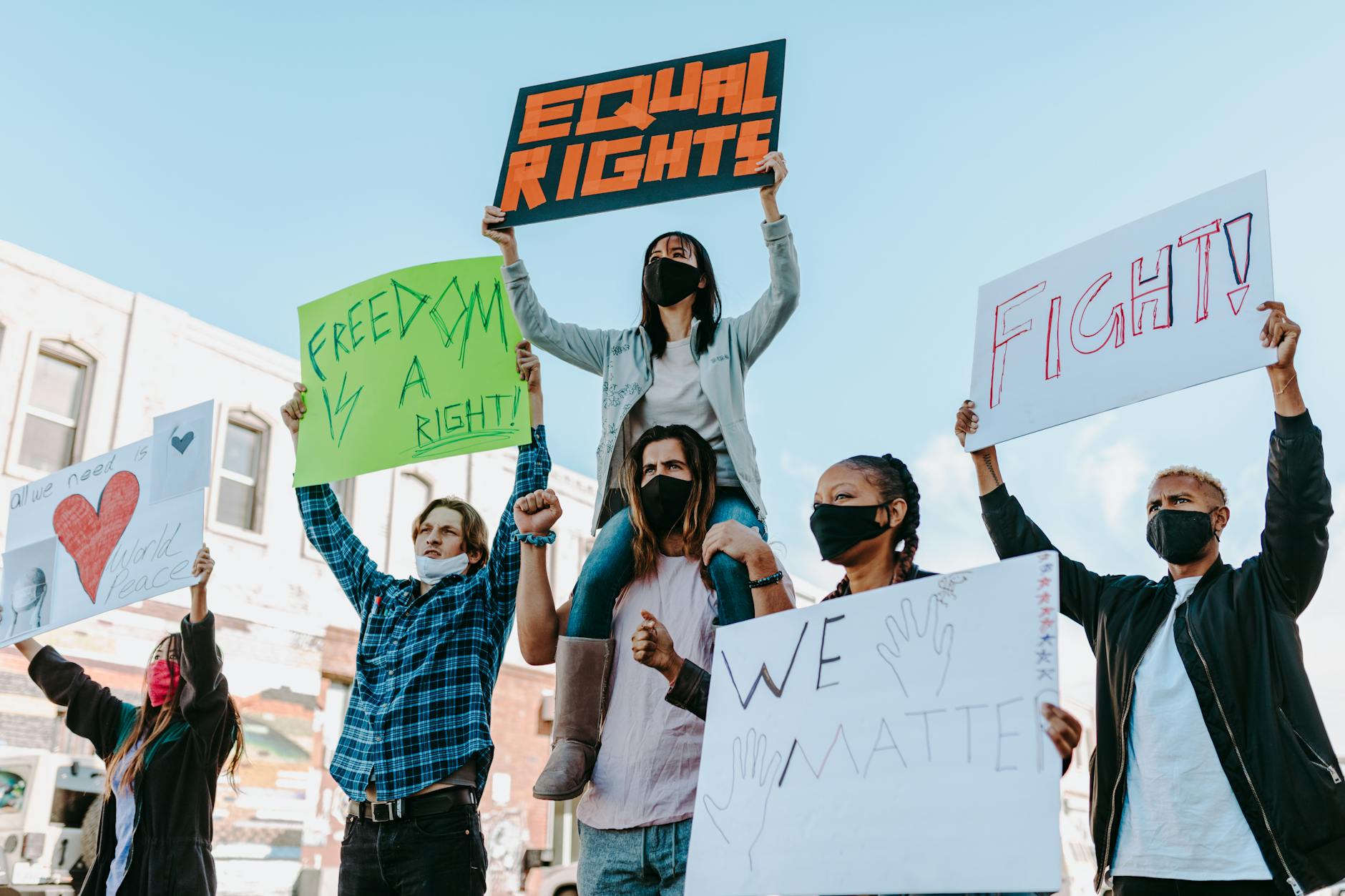
School Resource Officers (SROs) wield significant authority within educational settings, a power that raises complex questions about balancing safety and student rights. These officers, often armed and in uniform, possess the same legal powers as any other police officer. Their presence can deter crime and provide immediate response to emergencies, but it also introduces law enforcement dynamics into environments primarily focused on education and development.
Critics argue that police power in schools can lead to over-policing, particularly in communities of color. A study by the U.S. Department of Education found that Black students are three times more likely to be referred to law enforcement than their white peers. This disparity has fueled debates about whether SROs contribute to a school-to-prison pipeline, where students face criminal charges for behaviors that might otherwise be handled through disciplinary actions.
Proponents of SROs emphasize their role in building positive relationships with students and providing mentorship. They point to successful programs where officers receive specialized training in de-escalation and youth engagement. However, the effectiveness of these programs varies widely, and experts stress the need for clear guidelines to ensure that police power is exercised judiciously and in alignment with educational goals.
As schools continue to grapple with safety concerns, the debate over police power in education persists. Striking the right balance requires ongoing dialogue, policy review, and a commitment to protecting both the physical safety and the civil rights of all students.
Effective Implementation of School Policing
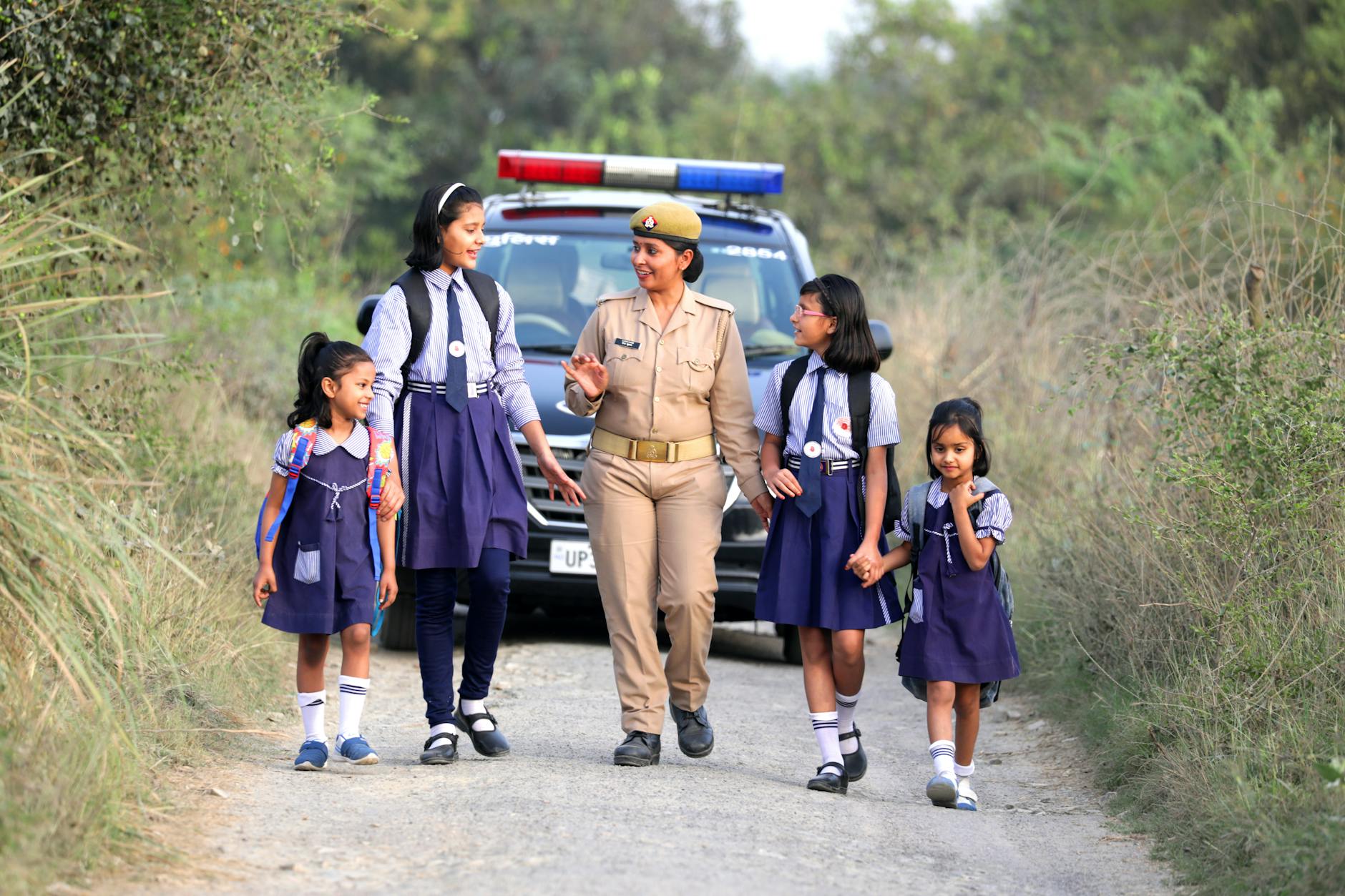
Effective implementation of school policing hinges on clear roles and responsibilities. School Resource Officers (SROs) serve as law enforcement officers, mentors, and educators. They bridge the gap between schools and communities, fostering trust and safety. Their presence aims to prevent crime, intervene in emergencies, and provide guidance to students. However, their effectiveness depends on proper training and community engagement.
A study by the National Association of School Resource Officers found that schools with well-trained SROs experience fewer disciplinary incidents. These officers undergo specialized training to handle youth-specific issues. They learn de-escalation techniques and cultural competency. This preparation enables them to manage conflicts without resorting to punitive measures.
Community involvement plays a crucial role in successful school policing. SROs build relationships with students, parents, and educators. They participate in school events and collaborate with local organizations. This proactive approach helps address underlying issues before they escalate. Ultimately, effective school policing requires a balanced approach that prioritizes safety and student well-being.
Critics argue that police presence can criminalize student behavior. However, proponents highlight the benefits of having trained officers on campus. The key lies in striking a balance between enforcement and support. Schools must ensure that SROs are integrated into the educational environment. This integration fosters a positive and secure learning atmosphere.
The Future of Law Enforcement in Schools

Police power in schools, often exercised through School Resource Officers (SROs), represents a significant shift in educational safety strategies. These officers, typically sworn law enforcement personnel, possess the authority to enforce laws, make arrests, and maintain order within school premises. Their presence aims to deter crime, respond to emergencies, and build positive relationships with students. However, the extent of their power and the appropriateness of their role remain subjects of ongoing debate.
According to a recent study by a prominent educational policy institute, schools with SROs report a 22% reduction in violent incidents. Proponents argue that this demonstrates the effectiveness of police presence in maintaining a safe learning environment. Critics, however, contend that the authority vested in SROs can sometimes lead to over-policing and the criminalization of minor infractions, particularly among students of color.
Balancing the need for safety with the potential for overreach presents a complex challenge. Some school districts have implemented strict guidelines to limit SROs' involvement in routine disciplinary matters. Others have opted to replace armed officers with unarmed security personnel or mental health professionals. The evolving landscape of school safety continues to shape the role and power of law enforcement in educational settings.
The presence of School Resource Officers in 40% of U.S. schools underscores the significant role police power plays in educational environments. This trend reflects a broader national conversation about safety, discipline, and the balance between security and students' rights. To foster productive dialogue, schools should establish clear policies and guidelines for police involvement, ensuring transparency and accountability. Moving forward, the evolving landscape of school safety will likely continue to shape the role of law enforcement in education, demanding ongoing evaluation and adaptation.
Need this answered for your specific case?
Get a flat-fee consultation with a verified U.S. immigration attorney. Engagement letter on every paid consult.
Related guides
This guide provides general legal information and does not create an attorney–client relationship. Information accurate as of July 2026. Always verify current USCIS guidance before acting.