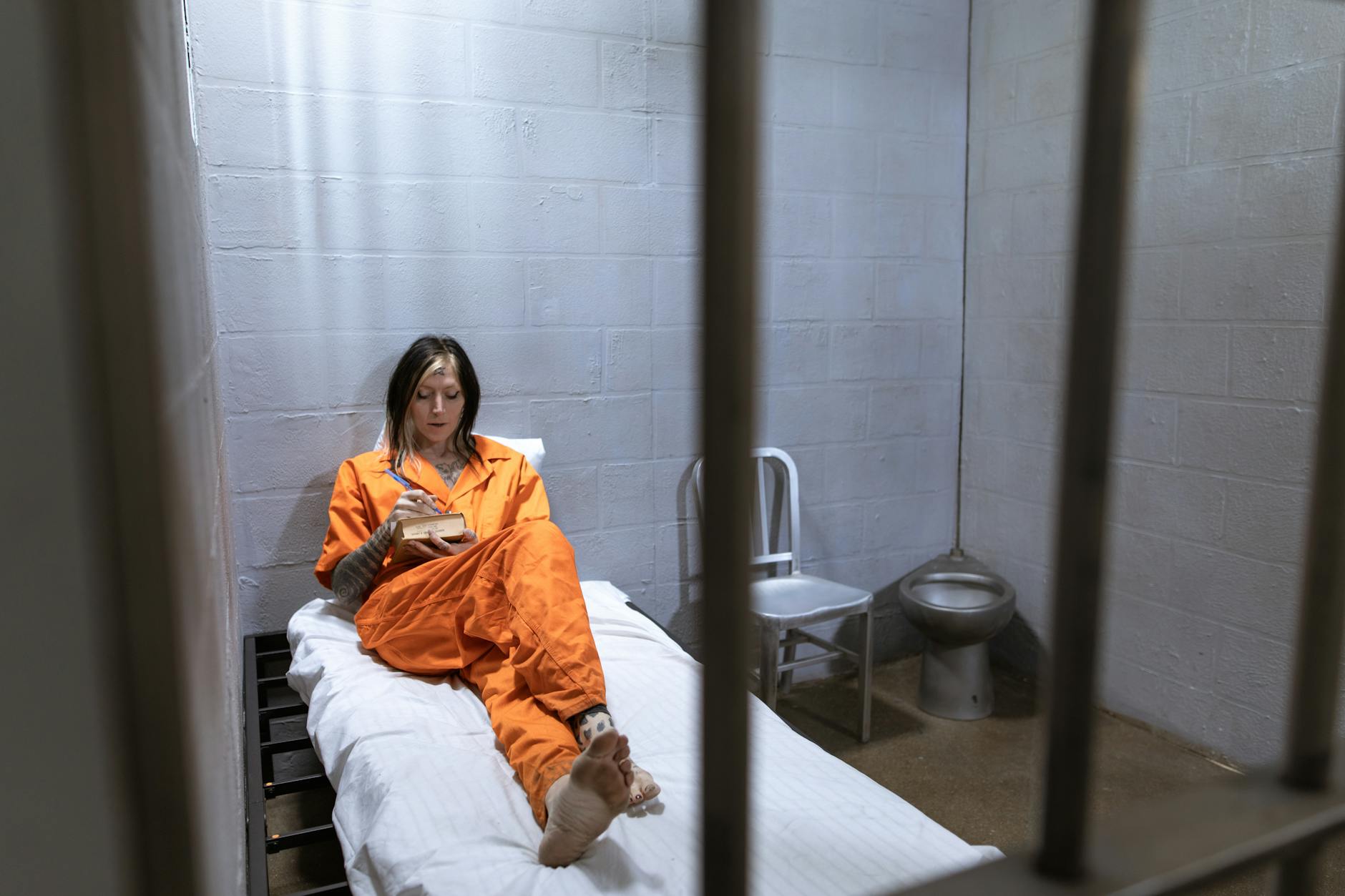
Over 80,000 U.S. prisoners are subjected to solitary confinement each year, a harsh reality that raises concerns about human rights and the effectiveness of this punitive measure.
Solitary confinement, also known as isolation or lockdown, involves holding an inmate in a cell for 22 or more hours a day, often with limited contact with the outside world. This practice has been shrouded in controversy, with some viewing it as a necessary tool for maintaining order in prisons, while others see it as a form of psychological torture. The question of whether solitary confinement is a common myth or fact has sparked intense debate among policymakers, advocates, and researchers. Is Solitary Confinement Common Myth or Fact, a question that has far-reaching implications for the lives of those behind bars and the society that imprisons them.
Prison Cells of Isolation: A Common Practice in the US
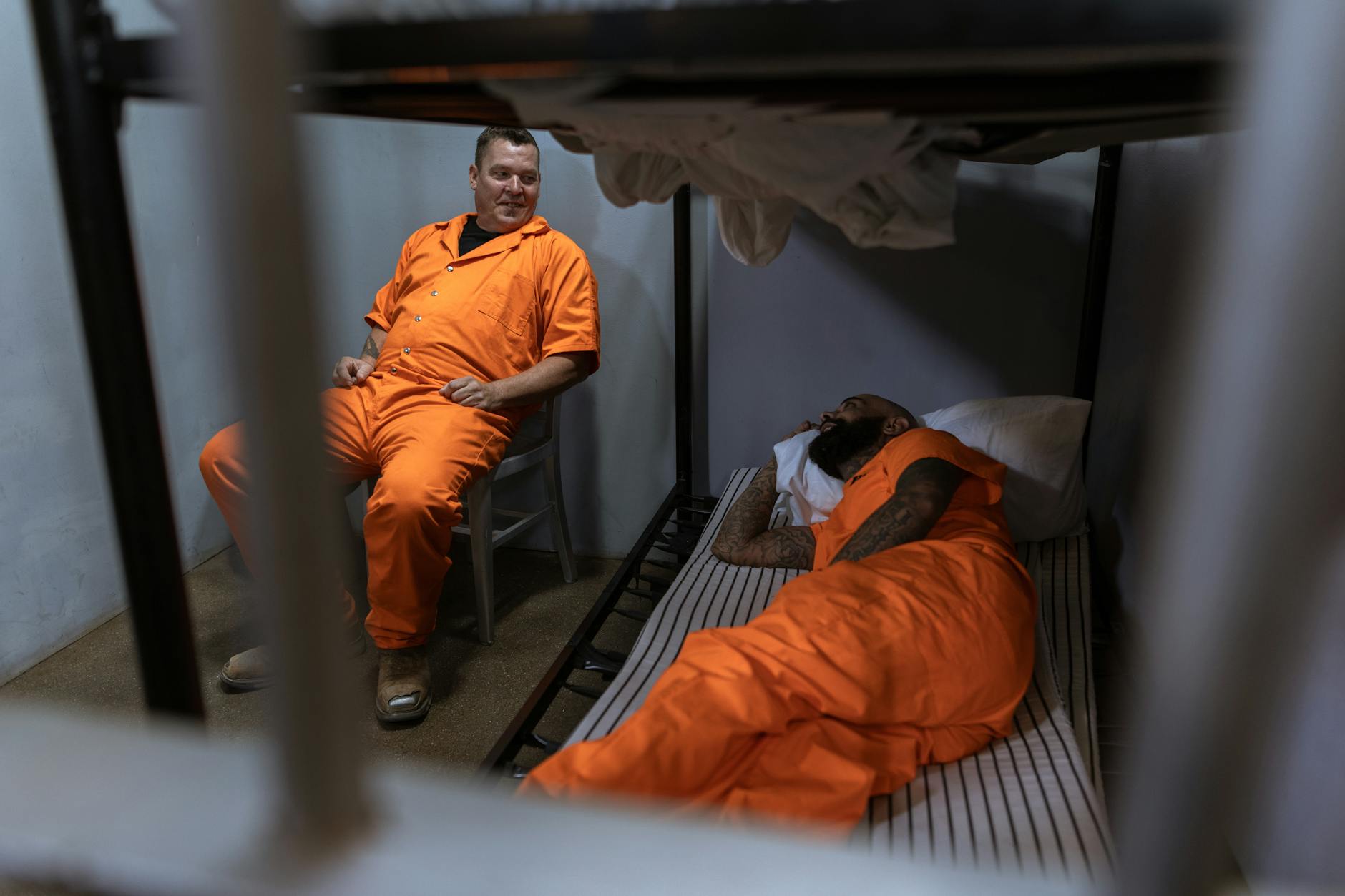
Solitary Confinement Affects Over 80,000 U.S. Prisoners Each Year
The United States has a long history of using solitary confinement as a form of punishment in its prisons. However, the practice has been widely criticized for its harsh conditions and potential for causing long-term psychological damage to inmates. Many experts argue that solitary confinement can exacerbate mental health issues, such as depression and anxiety, and can even drive individuals to madness.
Studies have shown that prolonged solitary confinement can have a profound impact on an individual's mental health. A study by the National Institute of Mental Health found that prisoners who spent more than 15 days in solitary confinement were more likely to experience serious mental health issues, including psychotic episodes and suicidal thoughts. The use of solitary confinement as a means of punishment is a common practice in the US, with over 80,000 prisoners subjected to this form of isolation each year.
While some may argue that solitary confinement is a necessary tool for maintaining order in prisons, the evidence suggests that it is a highly ineffective and inhumane practice. Many experts have called for the abolition of solitary confinement, citing its devastating impact on prisoners' mental health and its failure to rehabilitate offenders.
A History of Isolation: Solitary Confinement's Long Past
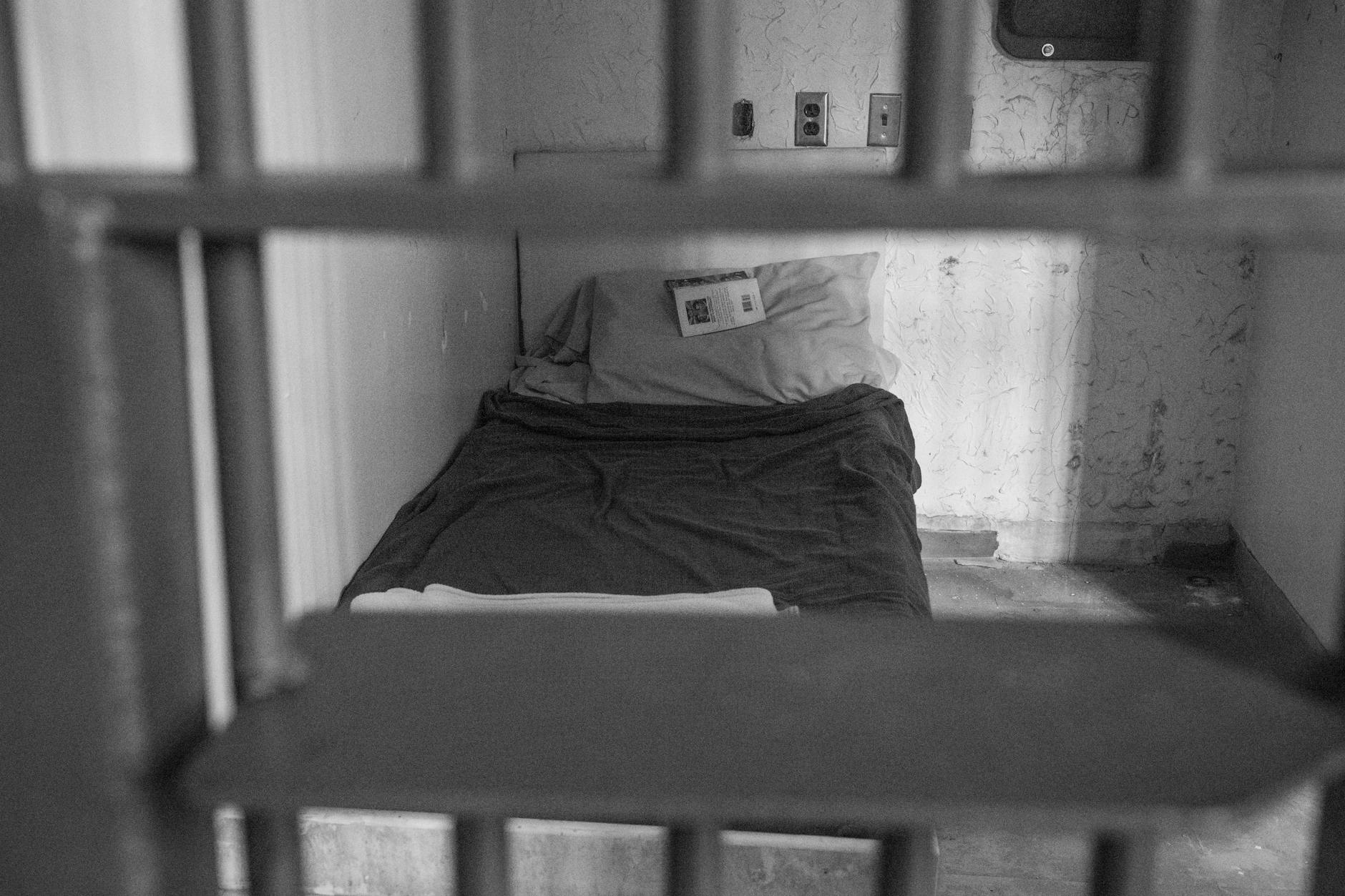
The practice of solitary confinement has a long and complex history that spans centuries. Solitary confinement has been used in various forms since the 17th century, with the first recorded instance in 1630 in Newgate Prison in England.
During the 18th and 19th centuries, solitary confinement was used as a form of punishment and rehabilitation in prisons across Europe and North America. A notable example of this is the development of the "penitentiary" system in the United States, where prisoners were isolated in individual cells for extended periods to encourage reflection and reform.
According to a 2020 report by Amnesty International, over 20% of prisoners in the United States are subjected to solitary confinement at some point during their incarceration.
Inside the Cells: Conditions and Consequences for Inmates
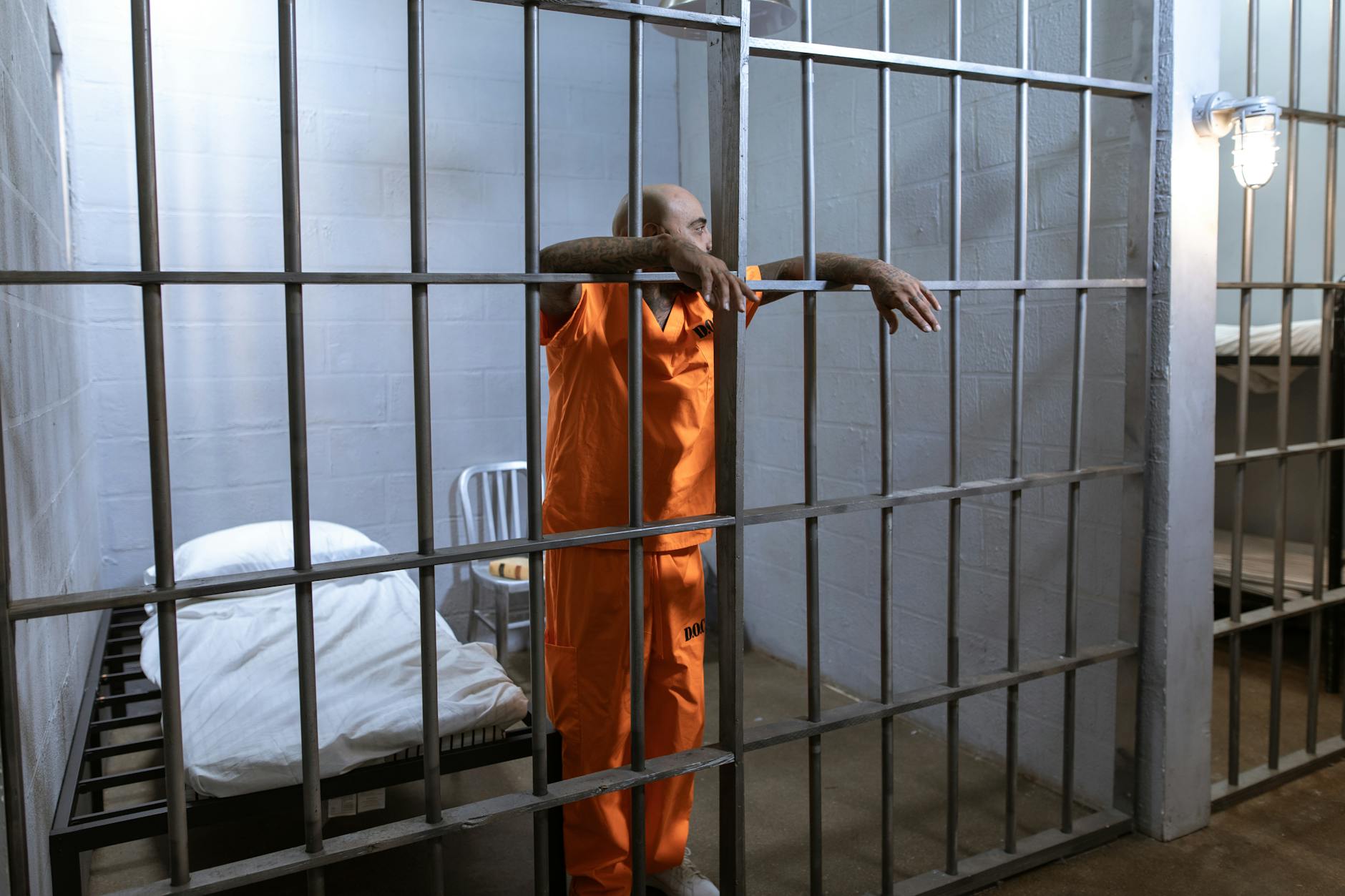
Solitary confinement, often referred to as isolation or the "hole," is a common practice in U.S. prisons. The exact definition can vary, but it generally involves confining an inmate in a small, usually single-cell, area with minimal human interaction.
Research suggests that approximately 80,000 inmates are subjected to solitary confinement annually, a number that highlights the widespread use of this practice. The reasons for solitary confinement are often rooted in security concerns, with inmates placed in isolation for disciplinary infractions or to protect them from harm.
Studies have shown that prolonged isolation can have severe psychological effects on inmates, including increased anxiety, depression, and suicidal thoughts. According to a study by the National Institute of Mental Health, prolonged isolation can also lead to a state of "learned helplessness," in which inmates may become despondent and disconnected from their surroundings.
Breaking the Cycle: Efforts to Reform Solitary Confinement
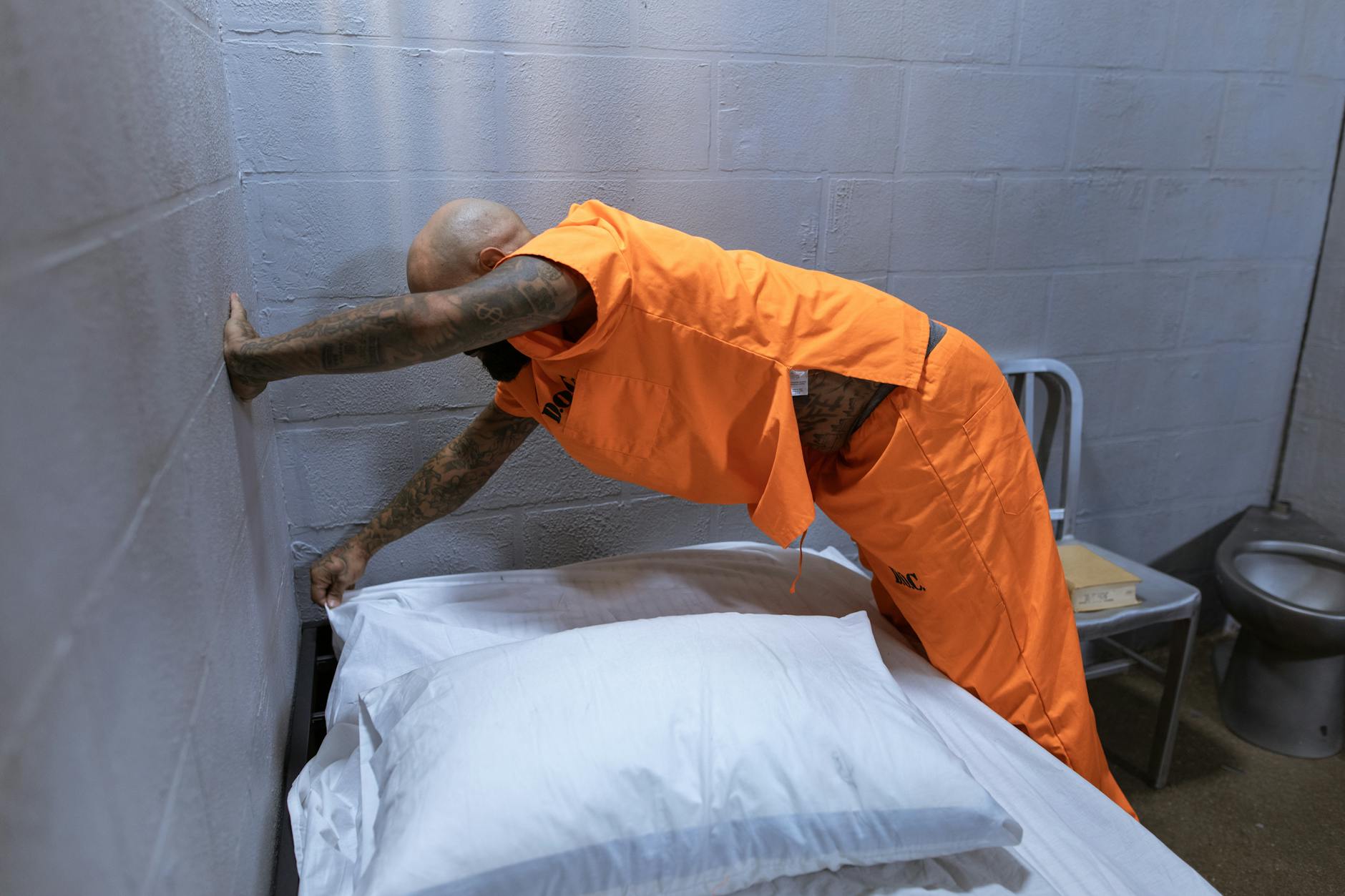
Solitary confinement is often shrouded in myth, with many believing it's an extreme measure reserved for only the most violent or hardened inmates. However, the reality is starkly different: over 80,000 U.S. prisoners are subjected to solitary confinement each year.
The widespread use of solitary confinement has sparked a national debate, with advocates arguing that it constitutes cruel and unusual punishment, violating the Eighth Amendment of the U.S. Constitution. Critics argue that it does little to rehabilitate prisoners, instead exacerbating mental health issues and increasing recidivism rates.
According to the National Institute of Mental Health, approximately 60% of prisoners in solitary confinement exhibit symptoms of psychosis, a 44% increase compared to those in general population. This alarming statistic underscores the urgent need for reform, with experts citing the psychological and emotional toll of prolonged isolation on prisoners.
A Path Forward: Alternatives to Isolation in Prisons Today
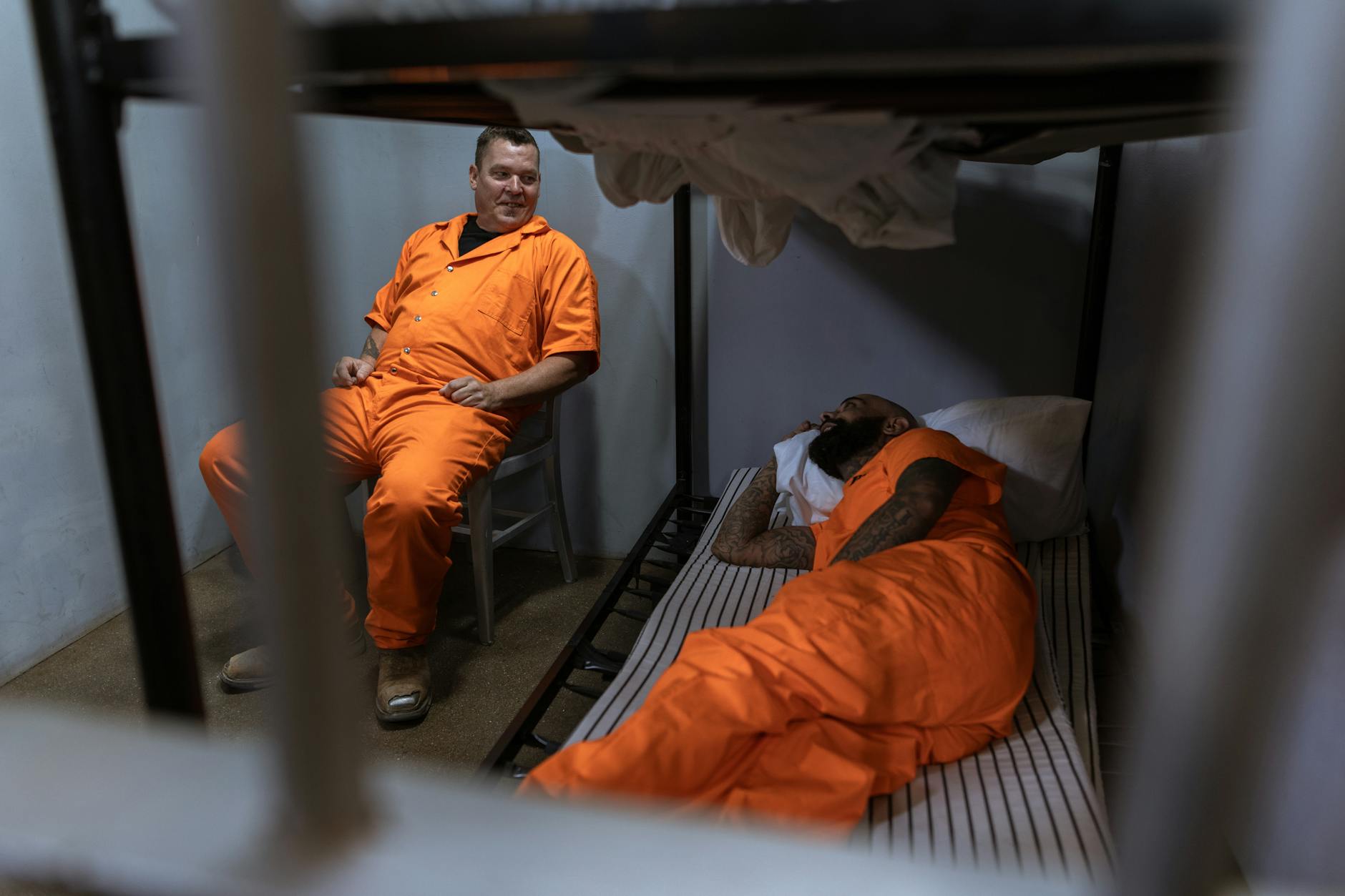
Solitary confinement has long been a topic of debate in the United States prison system. According to the most recent data, over 80,000 prisoners are subjected to solitary confinement each year.
The prevalence of solitary confinement is often misunderstood, with many believing it's a rare occurrence. However, this couldn't be further from the truth. In reality, solitary confinement has become a commonplace practice in many U.S. prisons. A staggering 75% of these confinement units are found in facilities that have more than 1,000 prisoners, highlighting the systemic issue at hand.
The effects of solitary confinement are well-documented, with many experts citing its devastating impact on prisoners' mental health. A study by the American Psychological Association found that solitary confinement can lead to increased anxiety, depression, and even suicidal thoughts. This has severe consequences, not only for the prisoners but also for their families and communities upon release.
Solitary confinement is a stark reality for over 80,000 U.S. prisoners each year, with its devastating effects on mental and emotional well-being being well-documented. This widespread practice contradicts the common myth that it is a rare and isolated occurrence, emphasizing the need for a more nuanced understanding of its impact on individuals and society.
To address this issue, prison systems should prioritize evidence-based alternatives to solitary confinement, such as therapeutic communities and rehabilitation programs that focus on reintegration and reentry into society. By doing so, they can reduce the harm caused by isolation and provide a more humane and rehabilitative environment for inmates. As the U.S. prison system continues to grapple with the complexities of solitary confinement, there is a growing momentum towards reform, driven by a shared recognition of the need for more compassionate and effective approaches to incarceration.
Need this answered for your specific case?
Get a flat-fee consultation with a verified U.S. immigration attorney. Engagement letter on every paid consult.
Related guides
-
Crime Statistics Debunked: Separating Fact from Fiction in 10 Common Misconceptions
6 min read · Apr 12, 2026
-
One in Five Small Businesses Hit with Cybercrime Every Year, Statistics Reveal
5 min read · Apr 12, 2026
-
More Than 2 Million Americans Fall Victim to Fraud Every Year
6 min read · Apr 12, 2026
This guide provides general legal information and does not create an attorney–client relationship. Information accurate as of July 2026. Always verify current USCIS guidance before acting.