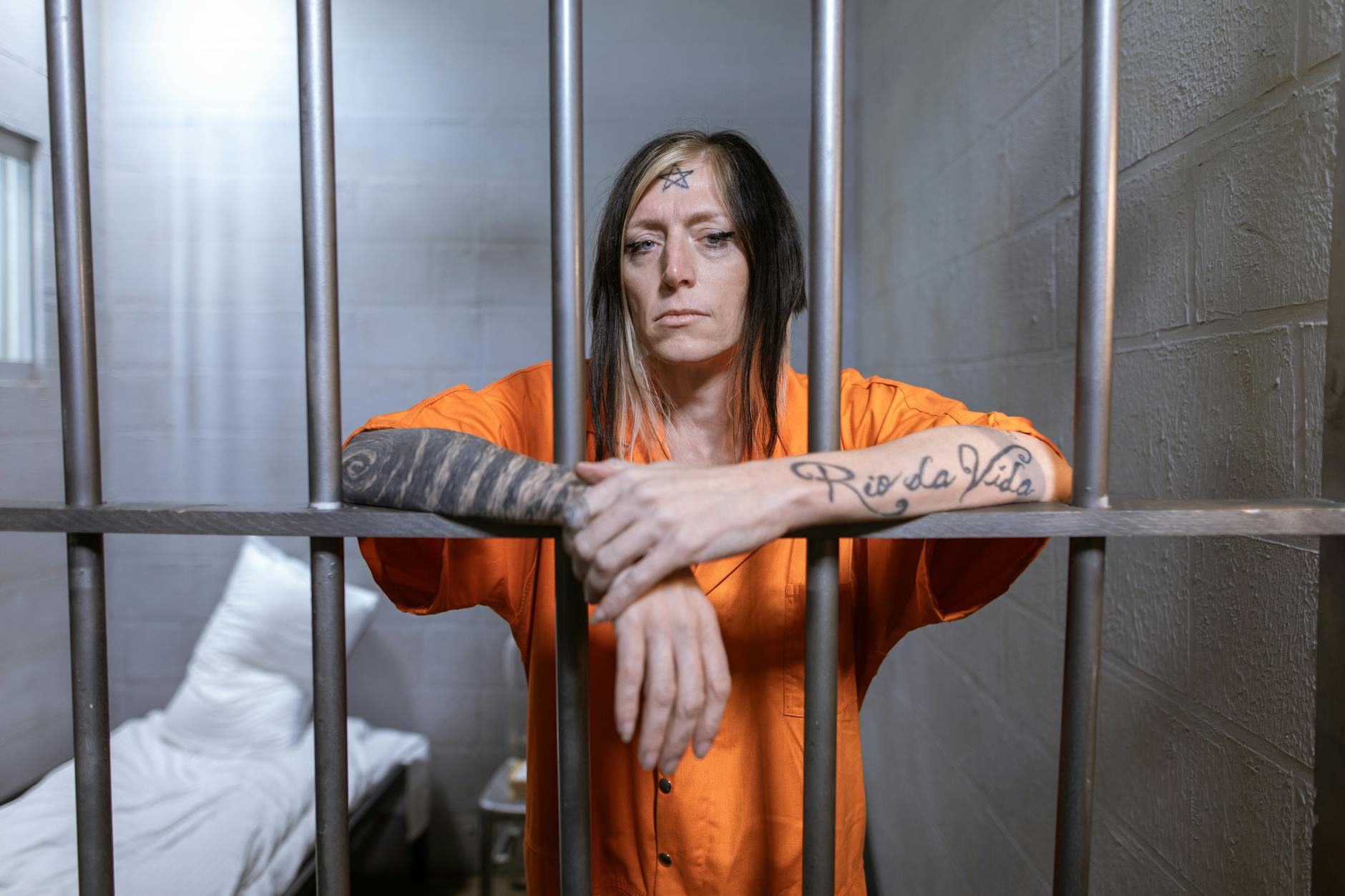
The United States has one of the highest recidivism rates in the world, with a staggering 75% of inmates released on probation reoffending within three years. This alarming statistic raises significant concerns about the effectiveness of the country's sentencing policies, particularly the balance between punishment and rehabilitation. Research has shown that a rehabilitation-focused approach can lead to lower recidivism rates and reduced crime rates in the long term.
As the debate surrounding punishment versus rehabilitation in sentencing continues to intensify, policymakers and lawmakers are under increasing pressure to reassess their strategies. The traditional view of punishment as a deterrent to crime has been challenged by evidence suggesting that rehabilitation programs can have a more lasting impact on offenders, ultimately reducing the likelihood of reoffending. By striking a better balance between punishment and rehabilitation, the goal of creating a safer and more just society can be achieved.
Probation System Under Fire for High Recidivism Rates
The probation system has been under intense scrutiny in recent years due to its inability to effectively reduce recidivism rates. A significant study has revealed that a staggering 75% of inmates released on probation reoffend within three years. This alarming statistic raises serious questions about the effectiveness of the current sentencing approach, which prioritizes punishment over rehabilitation.
Research suggests that a significant portion of individuals who reoffend do so within the first year of release, highlighting the need for more comprehensive support systems during the transition from incarceration to freedom. A study published in the Journal of Offender Rehabilitation found that participants who received intensive supervision and counseling services had a significantly lower recidivism rate compared to those who received standard probation services.
While some advocate for harsher sentencing laws, others argue that rehabilitation programs and community-based interventions are a more effective way to reduce crime rates. A report by the National Institute of Justice found that every dollar invested in evidence-based programs yields a return of up to four dollars in crime prevention costs. As lawmakers and policymakers grapple with this complex issue, it is clear that a more nuanced approach to sentencing is necessary to address the root causes of recidivism.
Rehabilitation or Punishment: Which Approach Dominates Sentencing
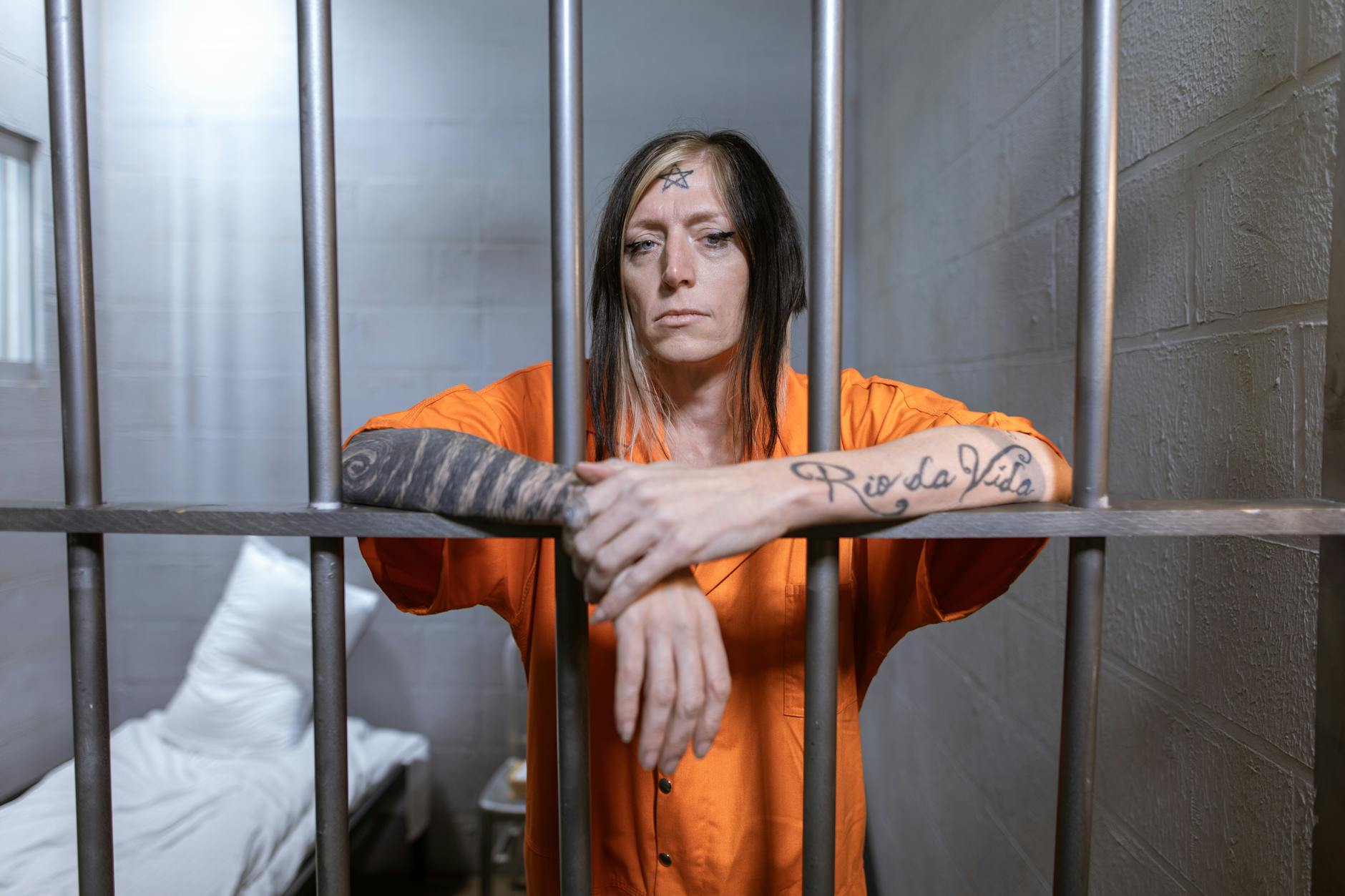
The debate over punishment versus rehabilitation in sentencing has been a longstanding one, with proponents of each approach arguing for its merits. Critics of rehabilitation programs point to high recidivism rates, citing the recent study that found 75% of inmates released on probation reoffend within 3 years.
Many experts believe that the current system prioritizes punishment over rehabilitation. According to the National Institute of Justice, 2.3 million adults are incarcerated in the United States, with nearly 600,000 released back into society each year. The majority of these individuals are not provided with adequate support or resources to help them reintegrate into their communities.
Rehabilitation programs, on the other hand, focus on addressing the underlying causes of an individual's behavior, such as substance abuse or mental health issues. Studies have shown that these programs can lead to significant reductions in recidivism rates, but they are often underfunded and understaffed.
While punishment may serve as a deterrent for some individuals, it does little to address the root causes of crime and can actually increase the likelihood of reoffending. By prioritizing rehabilitation, policymakers can work towards creating a more just and equitable society, where individuals are given the support and resources they need to succeed.
Behind Bars: The Overlooked Consequences of Incarceration

Behind bars, the overlooked consequences of incarceration often go unexamined. The harsh realities of prison life can be a breeding ground for recidivism, as inmates are released back into society without the necessary tools to reintegrate.
Studies have shown that nearly three-quarters of inmates released on probation will reoffend within three years. This staggering statistic highlights the need for a more rehabilitative approach to sentencing. The American Correctional Association estimates that only 25% of inmates receive any form of counseling or job training while incarcerated.
The consequences of this neglect can be devastating. Without access to education, job skills, or counseling, former inmates are often left to fend for themselves, increasing the likelihood of reoffending. The cycle of crime and punishment continues, as the system fails to address the root causes of criminal behavior.
In many cases, rehabilitation programs are underfunded or non-existent, leaving inmates to languish in a system that prioritizes punishment over reform. The human cost of this approach is incalculable, as families and communities are torn apart by the devastating effects of recidivism.
Reoffending Rates Highlight Need for Alternative Sentencing Methods
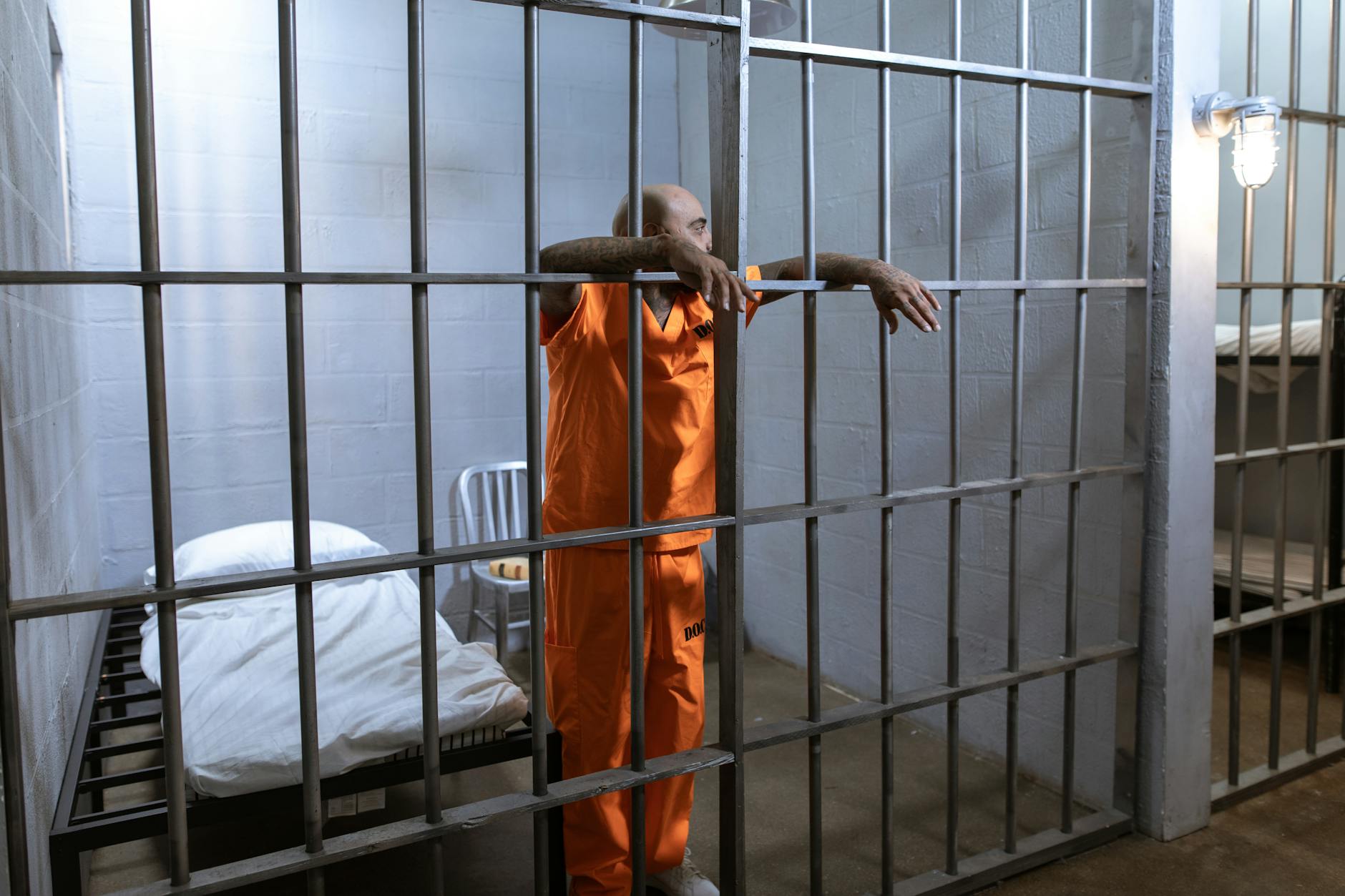
The alarming reoffending rates of individuals released on probation underscore the pressing need for alternative sentencing methods. According to the study, a staggering 75% of inmates reoffend within three years of their release, highlighting the limitations of the current penal system.
Studies suggest that approximately 67% of individuals convicted of non-violent crimes are rearrested within two years. This stark reality has sparked debate among experts, with many calling for a shift towards rehabilitation-focused sentencing.
Reoffending rates are often linked to a lack of job skills and education, as well as inadequate access to mental health services. By providing inmates with opportunities for vocational training, counseling, and education, the likelihood of reoffending can be significantly reduced.
From Incarceration to Reintegration: A Path Forward for Ex-Offenders

Rehabilitation programs are often cited as a key factor in reducing recidivism rates among ex-offenders. However, the lack of access to these programs remains a significant obstacle to successful reintegration.
The majority of inmates released on probation lack the necessary skills and support to reintegrate into society effectively. Many struggle to find employment, housing, and access to basic necessities like healthcare and education. This can lead to a cycle of poverty and crime, making it difficult for ex-offenders to break free from their past mistakes.
According to a study by the National Institute of Justice, 75% of inmates released on probation reoffend within three years. This staggering statistic highlights the need for effective rehabilitation programs that address the root causes of recidivism.
Experts recommend that sentencing courts prioritize rehabilitation over punishment. By providing ex-offenders with access to education, job training, and counseling, courts can help reduce recidivism rates and improve public safety. The long-term benefits of rehabilitation far outweigh the costs of punishment, and it is time for our justice system to recognize this.
The stark reality revealed by this study underscores the need for a fundamental shift in our approach to sentencing, one that prioritizes rehabilitation over punishment. A staggering 75% recidivism rate within three years of release on probation is a clear indication that our current system is failing to equip inmates with the tools they need to lead productive lives outside of prison. To address this issue, courts should adopt evidence-based programs that focus on job training, counseling, and education, rather than merely meting out harsh sentences. As we move forward, policymakers and law enforcement must work together to implement data-driven reforms that prioritize rehabilitation and give offenders a genuine chance to turn their lives around and become contributing members of society.
Need this answered for your specific case?
Get a flat-fee consultation with a verified U.S. immigration attorney. Engagement letter on every paid consult.
Related guides
-
Sanctions on Juvenile Offenders Cut Recidivism Rate by 27% in First Year
7 min read · May 13, 2026
-
Federal Court Rules Graduated Sanctions Can Reduce Recidivism by 30% in Prisons
6 min read · May 13, 2026
-
Four-Year Prison Sentence for Man Convicted of 12 Technical Violations of Probation
6 min read · May 11, 2026
This guide provides general legal information and does not create an attorney–client relationship. Information accurate as of July 2026. Always verify current USCIS guidance before acting.