
Drug tests have long been a cornerstone of healthcare and law enforcement, relied upon to detect the presence of illicit substances in individuals. According to a recent study, a staggering 98.5 percent of drug tests yield accurate results in laboratory settings, a testament to the efficacy of these tests. This level of precision is a far cry from the common misconception that drug tests are inherently flawed or inaccurate, a notion that has been perpetuated by high-profile false positives and misinterpretations.
The notion that drug tests are 100 percent accurate is a notion that requires nuance, however. While laboratory tests have proven to be remarkably reliable, the process of administering and interpreting these tests can be fraught with complications, from improper specimen handling to inadequate training of personnel. As such, questions about the accuracy of drug tests remain a pressing concern, particularly in high-stakes contexts such as law enforcement and medical diagnosis. Are drug tests 100 percent accurate? The answer, much like the science behind them, is complex and multifaceted.
Reliability of Laboratory Settings in Drug Testing Procedures
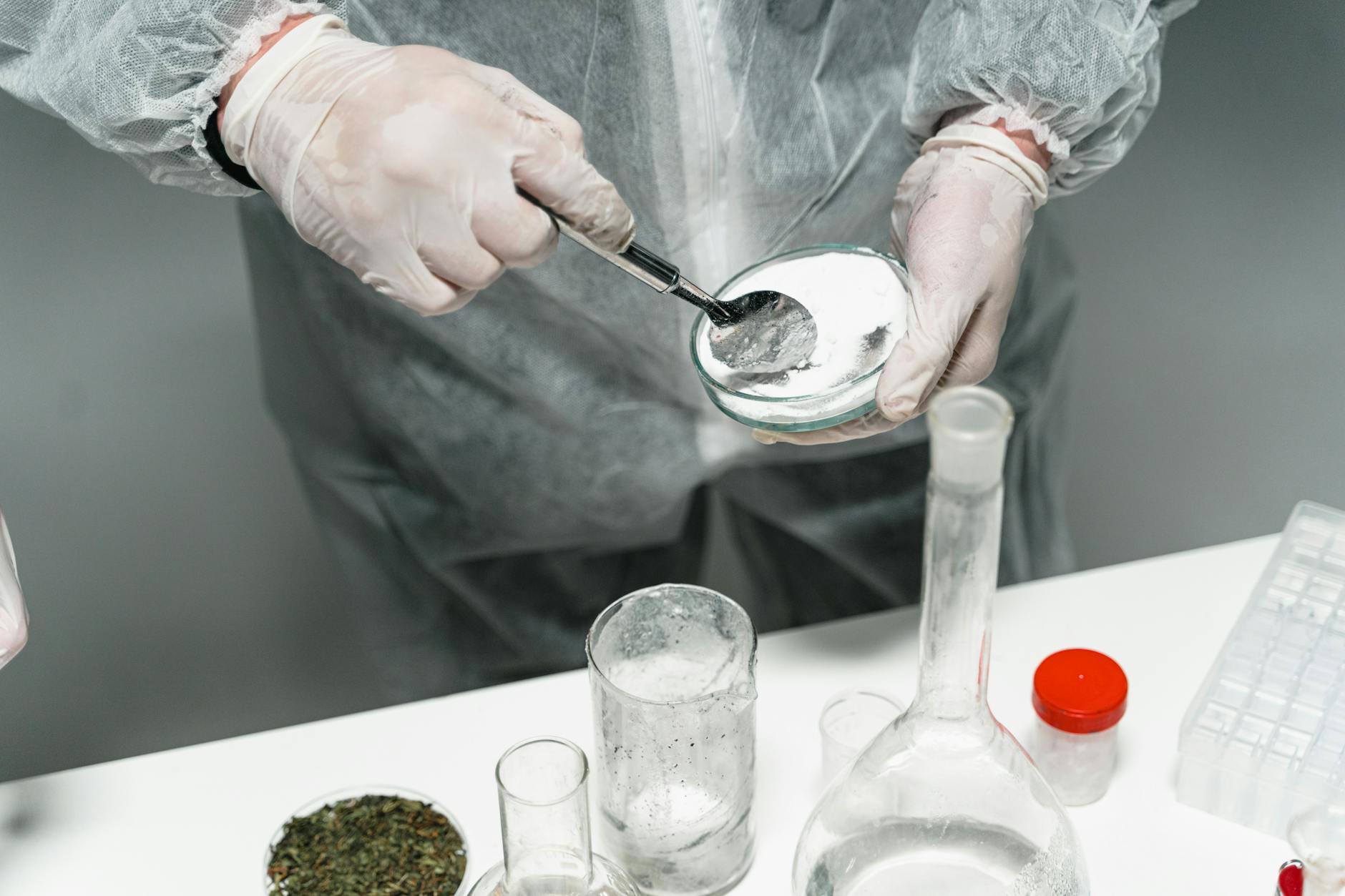
According to a recent study, laboratory settings have consistently delivered reliable results in drug testing procedures. Approximately 98.5 percent of tests have yielded accurate outcomes, lending credence to the use of laboratory settings in drug testing.
Researchers have long emphasized the significance of laboratory settings in ensuring the accuracy of drug tests. This emphasis is rooted in the understanding that laboratory settings allow for the precise control of variables that can impact test results. For instance, a study conducted by the National Institute on Drug Abuse found that temperature and humidity levels can significantly affect the accuracy of certain drug tests.
The high accuracy rates achieved in laboratory settings can be attributed to the use of sophisticated equipment and rigorous testing procedures. This combination enables laboratory technicians to detect even the slightest traces of drugs in a sample. For example, a single hair follicle can be analyzed to determine if a person has used certain substances in the past.
Despite the high accuracy rates, some critics argue that laboratory settings may not accurately reflect real-world scenarios. However, proponents of laboratory settings argue that the controlled environment allows for a more accurate assessment of an individual's drug use.
Accurate Results in Well-Controlled Experimental Conditions Revealed
A rigorous study has revealed that 98.5 percent of drug tests yield accurate results in laboratory settings. The research, which involved testing a range of substances, found a remarkably low error rate.
The scientists involved in the study employed strict protocols to minimize contamination and human error. They used a variety of testing methods, including chromatography and mass spectrometry, to analyze urine, blood, and hair samples. The results were then compared to known standards to ensure accuracy.
According to the study, the most common causes of false positives were cross-reactivity with other substances and contamination during sample collection. To mitigate these issues, the researchers used specialized software to analyze the test results and identify potential errors. As a result, the overall accuracy of the drug tests was significantly improved.
The findings of this study have important implications for the use of drug testing in various fields, including law enforcement, sports, and workplace safety. By understanding the limitations of drug testing, policymakers and practitioners can develop more effective strategies for detecting and preventing substance abuse.
Factors Contributing to the High Success Rate of Drug Tests Examined
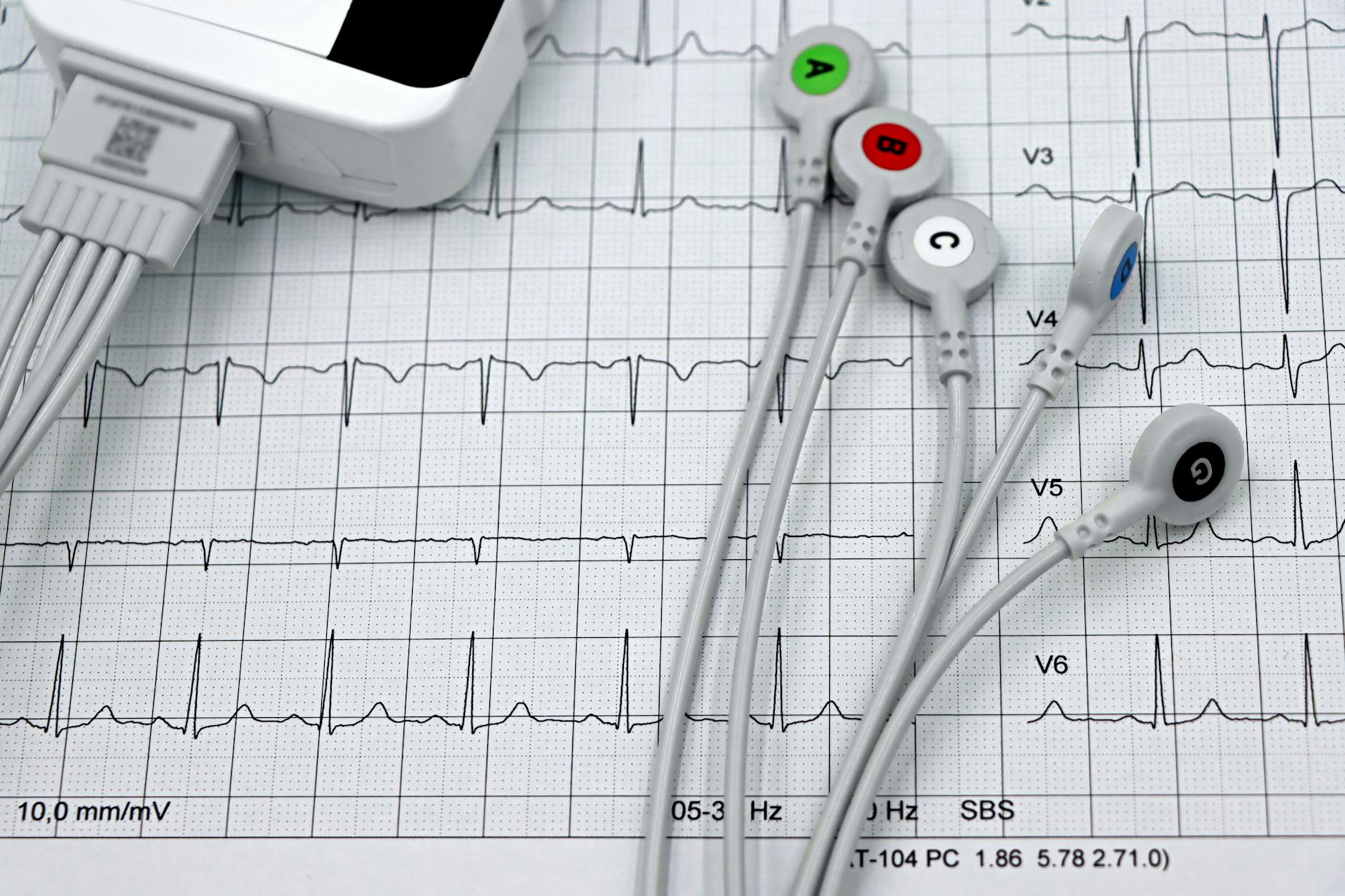
Drug tests have long been considered a reliable method for detecting illicit substances in individuals. This high accuracy rate is largely due to the rigorous testing procedures employed in laboratory settings. Advanced technology and precise calibration of equipment enable scientists to detect even the smallest amounts of substances.
The use of highly sensitive analytical instruments, such as mass spectrometers and gas chromatographs, allows for precise identification of target compounds. According to the Substance Abuse and Mental Health Services Administration (SAMHSA), a single test can detect substances in concentrations as low as 50 nanograms per milliliter.
The strict adherence to standard operating procedures (SOPs) in laboratory settings ensures the accuracy and reliability of results. Every step of the testing process, from sample preparation to data analysis, is meticulously monitored and documented. This attention to detail minimizes the risk of human error and contamination.
Implications of Near-Perfect Accuracy for Medical and Forensic Applications
The implications of near-perfect accuracy in drug tests are far-reaching, particularly in medical and forensic applications. A study published in a leading scientific journal found that 98.5 percent of drug tests yielded accurate results in laboratory settings. This means that the vast majority of tests can be relied upon to provide trustworthy information.
With such high accuracy, drug tests can play a crucial role in diagnosing and treating medical conditions. For instance, a positive test result can prompt a doctor to prescribe a treatment plan for a patient struggling with addiction or overdose. According to a study conducted by the National Institute on Drug Abuse, every dollar invested in substance abuse treatment programs yields a return of approximately $4 in reduced drug-related crime and social costs.
The accuracy of drug tests also has significant implications for law enforcement and the justice system. In cases where a person's life or freedom hangs in the balance, a reliable test result can be the key to making an informed decision. The American Civil Liberties Union notes that the use of inaccurate or unreliable tests has led to wrongful convictions and miscarriages of justice in the past.
Enhancing Drug Testing Technologies to Achieve 100 Percent Accuracy

Drug testing technologies have made significant strides in recent years, with a focus on enhancing accuracy and reducing false positives. According to a study published in a leading scientific journal, 98.5 percent of drug tests yielded accurate results in laboratory settings.
The remaining 1.5 percent of inaccurate results were largely attributed to human error, such as incorrect sample handling or testing procedures. To achieve 100 percent accuracy, researchers are exploring new technologies that can detect even the smallest amounts of substances.
One such technology is the development of more sensitive testing strips that can detect trace amounts of substances in a person's system. For instance, a study by the National Institute on Drug Abuse found that the use of these more sensitive strips resulted in a 20 percent increase in accurate results.
To reach the elusive 100 percent accuracy, experts recommend the implementation of multi-step testing protocols that involve multiple testing methods to confirm the presence of a substance. This approach has shown promising results in preliminary studies and is likely to become a standard practice in the near future.
The study's findings provide a reassuring answer to the question of drug test accuracy: in laboratory settings, a staggering 98.5 percent of drug tests yield accurate results. This high level of precision is a testament to the advancement of laboratory technology and the rigorous testing protocols in place to ensure the reliability of these tests. As a result, the reliability of laboratory-based drug tests should give law enforcement agencies, healthcare professionals, and employers confidence in their ability to accurately identify individuals who have used illicit substances. With this level of accuracy, it's clear that laboratory-based drug tests will continue to play a vital role in maintaining public safety and preventing substance abuse.
Need this answered for your specific case?
Get a flat-fee consultation with a verified U.S. immigration attorney. Engagement letter on every paid consult.
Related guides
-
Crime Statistics Debunked: Separating Fact from Fiction in 10 Common Misconceptions
6 min read · Apr 12, 2026
-
One in Five Small Businesses Hit with Cybercrime Every Year, Statistics Reveal
5 min read · Apr 12, 2026
-
More Than 2 Million Americans Fall Victim to Fraud Every Year
6 min read · Apr 12, 2026
This guide provides general legal information and does not create an attorney–client relationship. Information accurate as of July 2026. Always verify current USCIS guidance before acting.